Guides
Iron Absorption Starts at the Table: How Your Meal Composition Makes the Difference
Eating iron-rich foods is only half the equation — how much the body actually absorbs depends heavily on what surrounds them on the plate. This guide examines where olive oil fits in the dietary context of iron absorption, and the practical pairing principles worth knowing.
Translated from the Korean edition, originally published July 11, 2026 · read the original
Eating Iron Is Not the Same as Absorbing It
Iron is a mineral involved in a wide range of physiological functions — oxygen transport, energy metabolism, immune response among them. Yet not all the iron consumed in food is absorbed by the body. Dietary iron comes in two distinct forms: heme iron, found mainly in animal foods such as red meat, shellfish, and liver; and non-heme iron, abundant in plant foods including legumes, leafy greens, whole grains, and tofu. According to World Health Organization data, heme iron is absorbed at roughly 15–35%, while non-heme iron absorption ranges from just 2–20%, with the difference driven largely by what else is on the plate at the same meal.
That gap is shaped by the company iron keeps. Even from the same dish, the amount of iron that reaches the intestinal mucosa can vary depending on which fats, acids, and phytochemicals are present alongside it.
Fat and Iron — Where Olive Oil Enters the Picture
The evidence that dietary fat directly amplifies iron absorption is not yet conclusive. Fat is, however, a meaningful part of the meal environment. A fat-containing meal slows gastric emptying, which may extend the time iron spends in the upper small intestine — the site where absorption is most active. Fat also facilitates the uptake of fat-soluble compounds and may indirectly affect the chemical environment around oxidation-sensitive non-heme iron.
Olive oil comes up in this context for two reasons. First, the oleic acid-dominant monounsaturated fat profile of olive oil has high oxidative stability, meaning that cooking or dressing with it tends to generate relatively fewer oxidative by-products compared with less stable fats. Second, extra virgin olive oil (EVOO) contains polyphenols — including oleocanthal, oleuropein, and hydroxytyrosol — that have been reported to contribute to reducing oxidative stress. Researchers note that oxidative stress can affect the gut environment in which iron is absorbed, making this a point of ongoing scientific interest.
Dietary Pairing Principles That Influence Iron Absorption
Three categories of dietary factors are well recognized for their influence on iron absorption in practice.
Vitamin C (ascorbic acid): It has been reported to help convert non-heme iron into the reduced ferrous form (Fe²⁺) that the intestine absorbs more readily. A review by the European Food Safety Authority (EFSA) recognized evidence that vitamin C contributes to non-heme iron absorption. The Mediterranean habit of adding lemon juice to an olive oil dressing is a direct expression of this principle.
Absorption inhibitors — tannins and phytic acid: Tannins in coffee, black tea, and red wine, along with phytic acid in whole grains and legumes, can bind non-heme iron and reduce how much is absorbed. Where iron intake matters, adjusting the timing of these foods relative to iron-rich meals may be beneficial.
Calcium: Studies have reported that calcium from animal-source foods such as dairy can temporarily inhibit absorption of both heme and non-heme iron. Whether the short-term effects observed in controlled trials reflect long-term dietary outcomes is, however, not yet established.
An olive oil–based dressing is a flexible vehicle for applying all three of these principles. A dressing of two tablespoons of EVOO, one tablespoon of lemon juice, chopped garlic, and fresh herbs — spooned over a spinach and lentil salad — simultaneously provides dietary fat, vitamin C, and organic acids in a single preparation.
Why the Mediterranean Diet Draws Researchers' Attention Here
The Mediterranean diet — built around olive oil, vegetables, legumes, fish, and whole grains — has attracted sustained research interest in the context of iron nutrition. A review study published in the journal Nutrients in 2021 reported that groups following a Mediterranean dietary pattern tended to show comparatively favorable iron status markers, including ferritin and serum iron levels. The researchers noted, however, that this reflects the diet as a whole; isolating the independent contribution of olive oil from all other variables would be premature.
What is structurally notable about the Mediterranean diet is that it balances compounds that inhibit iron absorption — tannins and phytic acid appear in moderation rather than dominating every meal — with those that enhance it, particularly vitamin C and organic acids. Olive oil sits at the center of that structure as the primary fat source.
A Practical Guide to Iron-Friendly Meals with Olive Oil
Four principles are worth translating into daily habit.
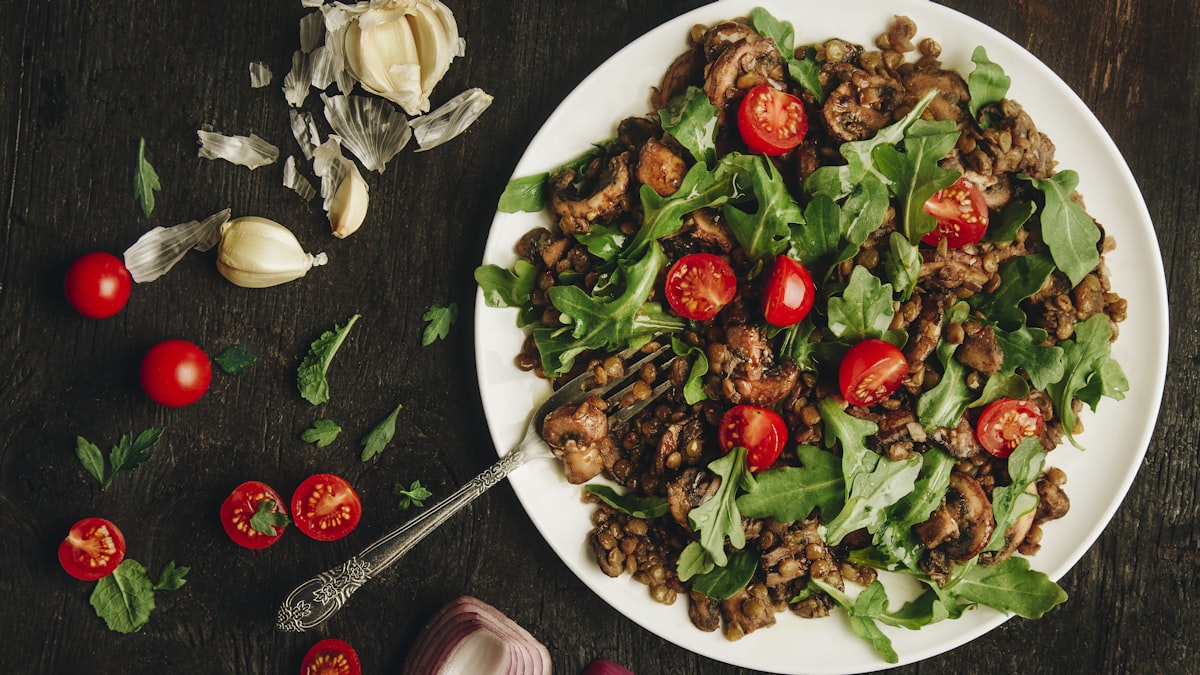
Add lemon juice to the dressing. Combining two tablespoons of olive oil with one tablespoon of fresh lemon juice creates a dressing that delivers both a fat-mediated meal environment and vitamin C in a single step. Drizzled over spinach, arugula, or lentils, it sets up favorable conditions for non-heme iron absorption.
Create a gap between iron-rich meals and tannin-heavy drinks. Consuming high-tannin beverages such as coffee or black tea during or immediately after a meal may increase the likelihood of absorption inhibition. Waiting 30 to 60 minutes is widely suggested as a practical adjustment.
Use EVOO as a finishing oil rather than a high-heat cooking medium. The polyphenols in extra virgin olive oil can be partially degraded at high temperatures. Finishing iron-rich vegetable salads or soups with a drizzle of EVOO at the end of preparation is more advantageous from a polyphenol-retention standpoint.
Consider pairing animal protein with plant-based iron sources. Animal proteins from meat and fish have been reported to act as enhancing factors for non-heme iron absorption. A dish of tofu or beans prepared in olive oil with a small portion of fish is one example of this principle applied at the table.
Small Choices, Compounded Over Time
Iron deficiency remains one of the most prevalent nutritional shortfalls worldwide. According to the World Health Organization, approximately 30% of the global population is estimated to experience iron-deficiency anemia or latent iron insufficiency. Supplementation is a clinical decision made with a healthcare provider — but choosing meal compositions that support absorption is an approach available at every table, every day.
Olive oil is not an iron source. As a high-quality dietary fat, however, it contributes to the meal environment, pairs naturally with vitamin C sources, and brings polyphenols to the plate — making it a fitting presence in an iron-friendly diet. Every small choice made at the table builds the longer-term conditions for nutrient absorption, which is why a single spoonful of EVOO dressing may carry more meaning than flavor alone.
Frequently asked questions
- Does olive oil help with iron absorption?
- Olive oil does not supply iron, but as a dietary fat it may influence the meal environment in ways relevant to iron absorption — slowing gastric emptying and keeping iron in contact with the upper small intestine longer. Extra virgin olive oil also contributes polyphenols that researchers associate with reduced oxidative stress, which can affect the gut environment where iron is absorbed. No single study isolates olive oil's effect, so it is too early to make a definitive claim.
- What is the difference between heme iron and non-heme iron?
- Heme iron is found mainly in animal foods such as red meat, shellfish, and liver, and is absorbed at roughly 15–35% according to World Health Organization data. Non-heme iron, found in legumes, leafy greens, whole grains, and tofu, is absorbed at only 2–20%, with the rate varying considerably depending on what else is eaten at the same meal.
- Does vitamin C really improve iron absorption?
- According to a review by the European Food Safety Authority (EFSA), there is recognized evidence that vitamin C contributes to non-heme iron absorption by helping convert it to the more readily absorbed ferrous (Fe²⁺) form. Adding lemon juice to an olive oil dressing — a classic Mediterranean combination — is one practical way to bring vitamin C and dietary fat together in the same meal.
- What foods or drinks can block iron absorption?
- Tannins in coffee, black tea, and red wine, as well as phytic acid in whole grains and legumes, can bind to non-heme iron and reduce how much is absorbed. Research suggests that spacing these out from iron-rich meals — by 30 to 60 minutes — may be helpful. Calcium from dairy foods has also been reported to temporarily inhibit absorption of both heme and non-heme iron, though whether short-term study results reflect long-term dietary effects is not yet clear.
- Is the Mediterranean diet good for iron status?
- A review study published in the journal Nutrients in 2021 reported that groups following a Mediterranean dietary pattern tended to maintain comparatively favorable iron status markers, including ferritin and serum iron levels. However, this research examined the diet as a whole, and it would be too early to attribute the finding to any single component such as olive oil.
Related reading
- Dietary Fat, Magnesium, and the Mediterranean Table: What the Research Shows So Far
Evidence is accumulating that the type of dietary fat consumed alongside magnesium-rich foods may influence how well that mineral is absorbed. This guide surveys current research on olive oil, fatty acid composition, and mineral metabolism.
- Beyond BMI: Dietary Fat Quality, Olive Oil, and Metabolic Health Research
Two people can share the same BMI and yet show markedly different blood lipid profiles, insulin sensitivity, and visceral fat distribution. A growing body of clinical research suggests that the type of fat consumed — not just total calories — may be a meaningful variable in metabolic health.
- Does Olive Oil You Eat Reach Your Skin? A Clinical Research Roundup
A growing body of clinical research is examining whether regular dietary intake of olive oil is associated with measurable changes in skin hydration and elasticity. This guide summarizes the current evidence, its limits, and how the findings sit within the broader context of Mediterranean eating patterns.
- Bone Health on the Table: What the Osteoblast and Calcitriol Research Says About Olive Oil
From oleic acid's reported role in osteoblast differentiation to calcitriol absorption and polyphenol activity, a growing body of cell and animal research links extra virgin olive oil to bone metabolism — though the clinical picture is still forming.
- The Empty-Stomach Olive Oil Trend: Separating Fact from Social Media Hype
A morning ritual of swallowing a spoonful of EVOO before breakfast has been cycling through Instagram and YouTube Shorts for years. This guide examines which claims hold up to scrutiny and which do not.
- Olive Oil and Cognitive Health: The Dietary Pattern Researchers Keep Coming Back To
Extra virgin olive oil has emerged as a recurring subject in aging and cognition research, largely through its role in the Mediterranean diet. Here is what the current evidence says — and where important caveats remain.
Tags
- iron absorption
- extra virgin olive oil
- mediterranean diet
- nutrition
- dietary pairing