Guides
The Empty-Stomach Olive Oil Trend: Separating Fact from Social Media Hype
A morning ritual of swallowing a spoonful of EVOO before breakfast has been cycling through Instagram and YouTube Shorts for years. This guide examines which claims hold up to scrutiny and which do not.
Translated from the Korean edition, originally published November 7, 2024 · read the original
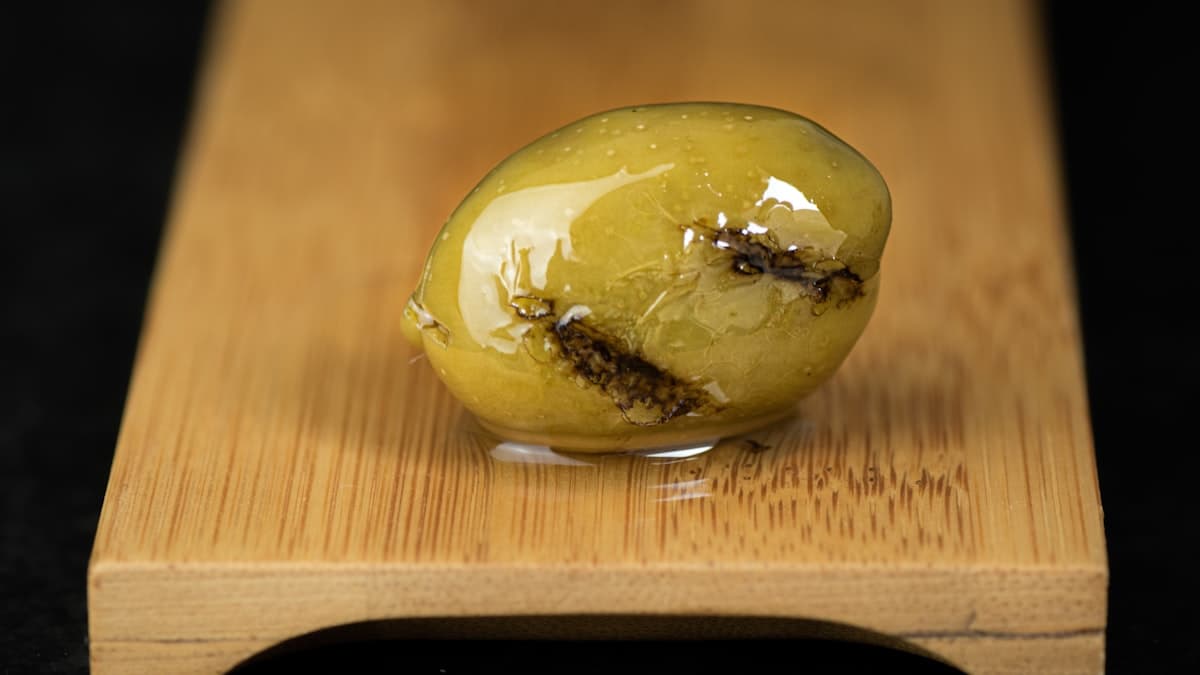
"Swallow a spoonful of extra virgin olive oil first thing in the morning and your body will feel lighter." This routine has been cycling through Instagram feeds and YouTube Shorts for years, reliably resurging every few months. The underlying claim — that consuming EVOO on an empty stomach produces effects meaningfully superior to having it with a meal — is, however, at odds with the current state of the research literature.
Where the Trend Comes From
The roots of this habit lie closer to regional food culture than to nutritional science. In parts of Spain and southern Italy, starting the day with bread dipped in EVOO, or with a straight spoonful of oil, has been a longstanding domestic practice. The intent was nourishment and culinary tradition, not a therapeutic intervention. That context matters: searching academic databases for clinical trials specifically on "olive oil on an empty stomach" returns a remarkably thin set of results, consistent with the idea that this was never a medically designed protocol to begin with.
What Research Has and Has Not Confirmed
The contribution of EVOO polyphenols to the protection of blood lipids from oxidative stress is a claim recognised by the European Food Safety Authority (EFSA) under EU Regulation EC 432/2012. That assessment sets a specific condition: the oil must provide at least 5 mg of hydroxytyrosol and its derivatives per 20 g, consumed as a daily reference amount. Critically, what EFSA evaluated was a dietary pattern — one in which a sufficient daily quantity of polyphenol-rich EVOO is consumed consistently — not the act of drinking oil before breakfast in particular.
Claims that go further, such as "drinking oil on an empty stomach detoxes the body" or "triggers fat burning," lack consistent clinical support. The American Heart Association's dietary guidance is built around the strategy of substituting saturated fats with unsaturated fats such as those predominant in olive oil; it does not single out a pre-meal timing window as a meaningful variable. Comparative studies showing that fasted consumption outperforms consumption with food have not been reported in the literature.
Practical Considerations and a More Grounded Approach
For some people, swallowing a quantity of oil on an empty stomach is associated with heartburn, loose stools, or nausea. Those with sensitive digestive systems or a history of gallbladder conditions are advised to speak with a healthcare professional before making this a regular practice.
Consuming EVOO with food carries a practical advantage that is well established: fat-soluble vitamins A, D, E, and K are absorbed more efficiently in the presence of dietary fat. Drizzling EVOO over a salad, bread, or grains — the approach embedded in the Mediterranean dietary pattern — is therefore considered a more rational use of the oil. Choosing an oil that actually delivers meaningful polyphenol levels is equally important; polyphenol labelling standards and how to read an EVOO label are worth reviewing together.
The conclusion is straightforward. Whether you prefer your EVOO before breakfast or alongside it, what drives the benefit is having a fresh, polyphenol-intact oil present in your diet on a consistent basis. The quality of the bottle matters more than the timing of the spoon.
Frequently asked questions
- Is drinking olive oil on an empty stomach better than having it with food?
- No comparative clinical evidence supports the idea that consuming EVOO on an empty stomach produces superior results to taking it with a meal. Regulatory assessments, including the EFSA evaluation behind EU Regulation EC 432/2012, are based on a consistent daily intake of around 20 g — not on any specific time of day.
- Does olive oil on an empty stomach detox your body or burn fat?
- Claims that a morning spoonful of EVOO 'detoxes' the body or accelerates fat burning lack consistent clinical backing. The American Heart Association's dietary guidance focuses on replacing saturated fats with unsaturated fats like those in olive oil — not on timing a specific dose before breakfast.
- Can drinking olive oil on an empty stomach cause side effects?
- Some people report heartburn, loose stools, or nausea when swallowing a large amount of oil on an empty stomach. Those with sensitive digestive systems or gallbladder conditions are advised to consult a healthcare professional before adopting this routine.
- What does EFSA actually say about olive oil and health?
- Under EU Regulation EC 432/2012, EFSA recognises that olive oil polyphenols contribute to the protection of blood lipids from oxidative stress, on the condition that the oil contains at least 5 mg of hydroxytyrosol per 20 g — the reference daily amount. The assessment applies to any diet that includes a consistent daily serving of sufficiently polyphenol-rich EVOO, regardless of when it is consumed.
- What is the most effective way to use EVOO for its polyphenol benefits?
- The broader evidence points to consistency and quality rather than timing. Drizzling a high-polyphenol, fresh EVOO over salads, bread, or grains — as in a Mediterranean dietary pattern — is widely regarded as a practical and well-supported approach. Fat-soluble vitamins A, D, E, and K are also better absorbed when dietary fat is present alongside food.
Related reading
- Bone Health on the Table: What the Osteoblast and Calcitriol Research Says About Olive Oil
From oleic acid's reported role in osteoblast differentiation to calcitriol absorption and polyphenol activity, a growing body of cell and animal research links extra virgin olive oil to bone metabolism — though the clinical picture is still forming.
- Olive Oil and Cognitive Health: The Dietary Pattern Researchers Keep Coming Back To
Extra virgin olive oil has emerged as a recurring subject in aging and cognition research, largely through its role in the Mediterranean diet. Here is what the current evidence says — and where important caveats remain.
- Senescent Cells, Senolytics, and the Question of Olive Oil Polyphenols
The senolytic diet hypothesis has drawn attention to plant polyphenols as potential allies against aging cells. This guide maps where extra virgin olive oil's oleocanthal and related phenolic compounds currently sit in that research — and what the evidence cannot yet support.
- Fat Quality, Not Quantity: Olive Oil's Place in a CKD Diet
Chronic kidney disease management has long focused on restricting protein, potassium, and phosphorus — but researchers are now turning attention to the type of fat patients consume. Here is what the current evidence says about unsaturated fats, olive oil polyphenols, and kidney function.
- Olive Oil, Antioxidants, and Fatigue: A Guide to the Emerging Clinical Research
Extra virgin olive oil is drawing growing attention in oxidative stress and chronic fatigue research, with its polyphenols and oleic acid studied for potential roles in cellular energy metabolism. Here is what the current clinical evidence actually shows.
- Olive Oil, the Mediterranean Diet, and Mental Health: What the Clinical Research Shows
A growing body of clinical research is examining how Mediterranean diet patterns — with extra virgin olive oil at their center — may be associated with mood and cognitive well-being. From polyphenols and oleic acid to the gut-brain axis, here is where the science currently stands.