Skip to content
OLEA

Notes on olive oil & taste

Tag

#polyphenols

63 articles

← All tags

Before Perimenopause Hits: Building Your Olive Oil Diet Strategy in Your 40s
Guides

Before Perimenopause Hits: Building Your Olive Oil Diet Strategy in Your 40s

The years before menopause bring gradual shifts in estrogen and progesterone that can affect body composition, insulin sensitivity, and bone density. Mediterranean diet research suggests that the monounsaturated fats and polyphenols in extra virgin olive oil may contribute to dietary balance during this transitional decade.

OLEA Editorial
How to Read an Olive Oil Study: Clinical Trial Design Explained
Guides

How to Read an Olive Oil Study: Clinical Trial Design Explained

Papers on olive oil and health are abundant, but misreading them is easy without a grasp of study design. From randomized controlled trials to observational cohorts, this guide walks through the core structures and limitations of dietary research.

OLEA Editorial
Olive Oil, Polyphenols, and Immune Response: A Research Guide
Guides

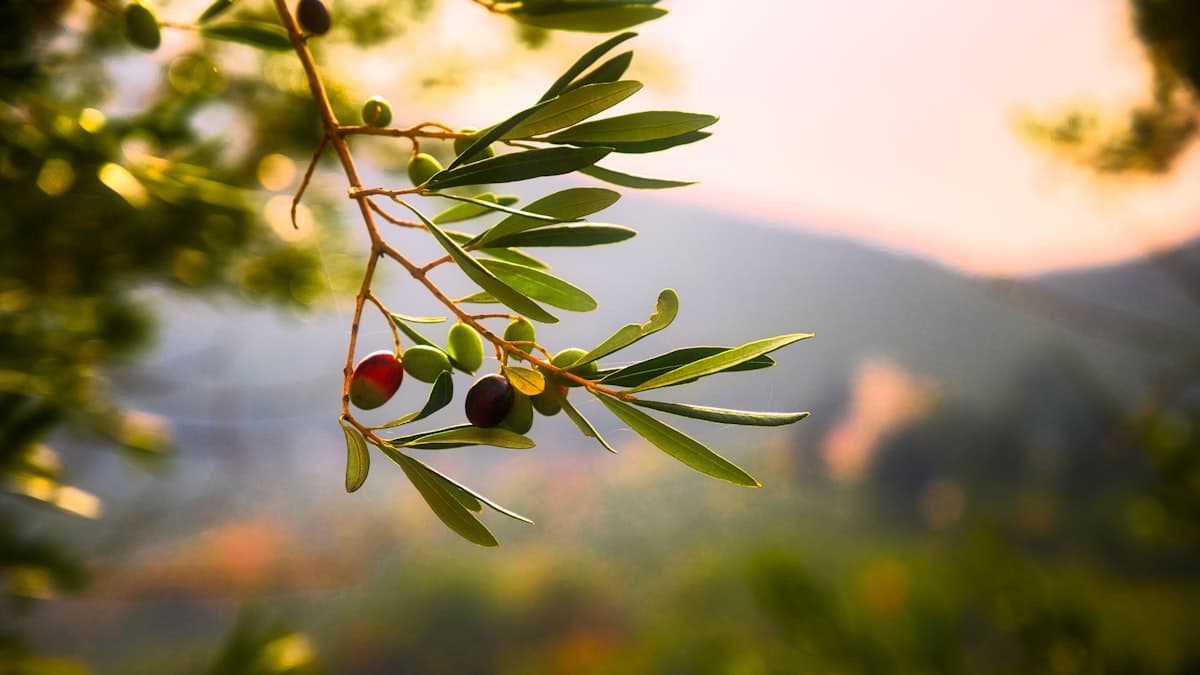
Olive Oil, Polyphenols, and Immune Response: A Research Guide

The polyphenols in extra-virgin olive oil — oleocanthal, oleuropein, hydroxytyrosol — have been reported to interact with cytokine signalling pathways. This guide maps the current research landscape for readers interested in anti-inflammatory eating.

OLEA Editorial
Olive Oil and Kidney Health: A Guide to the Glomerular Function Research
Guides

Olive Oil and Kidney Health: A Guide to the Glomerular Function Research

The kidneys filter roughly 180 litres of blood every day through an estimated two million glomeruli per pair — structures that are acutely sensitive to oxidative stress and chronic inflammation. Here is where the current research on extra virgin olive oil and glomerular function stands.

OLEA Editorial
Does Cooking Destroy Olive Oil Polyphenols? A Guide by Method
Guides

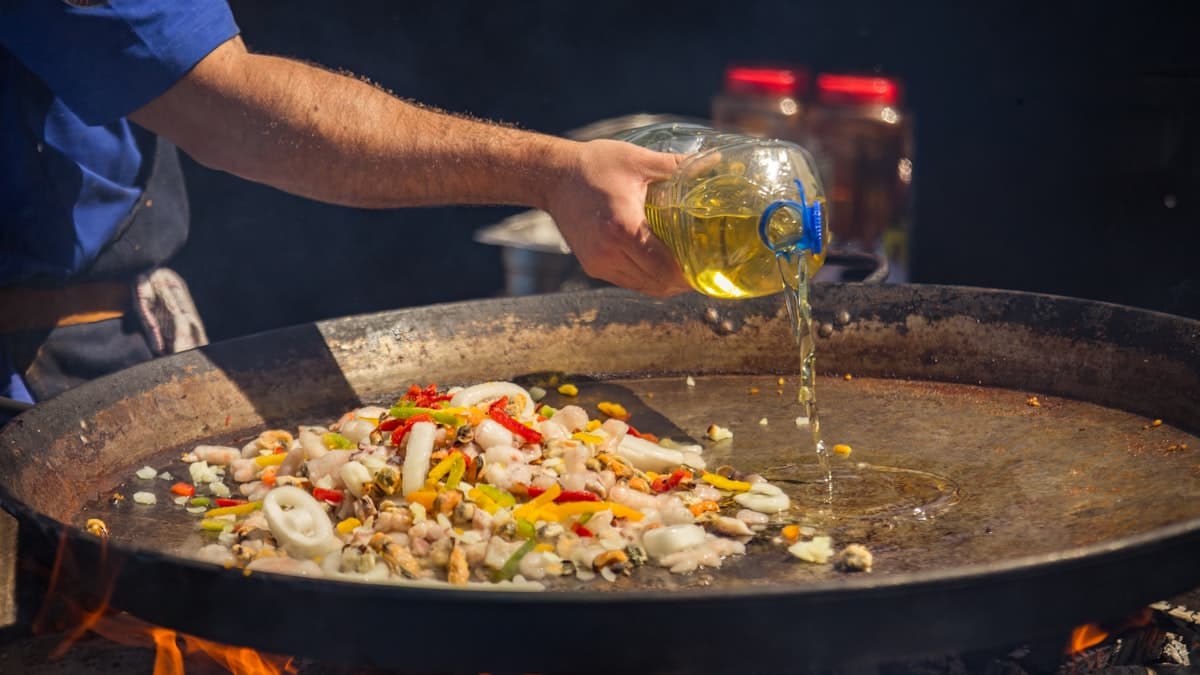
Does Cooking Destroy Olive Oil Polyphenols? A Guide by Method

Heating extra virgin olive oil does reduce its polyphenol content — but how much depends heavily on temperature, time, and where you start. A data-driven look at retention patterns across common cooking methods, with practical tips for keeping more of those compounds on your plate.

OLEA Editorial
First Week vs. One Month: How an Open Bottle of EVOO Changes
Table

First Week vs. One Month: How an Open Bottle of EVOO Changes

Extra virgin olive oil smells and tastes noticeably different the day a bottle is opened compared with a month later. This guide traces what air, light, and heat do to polyphenols and volatile aromas — and how to slow the process down.

OLEA Editorial
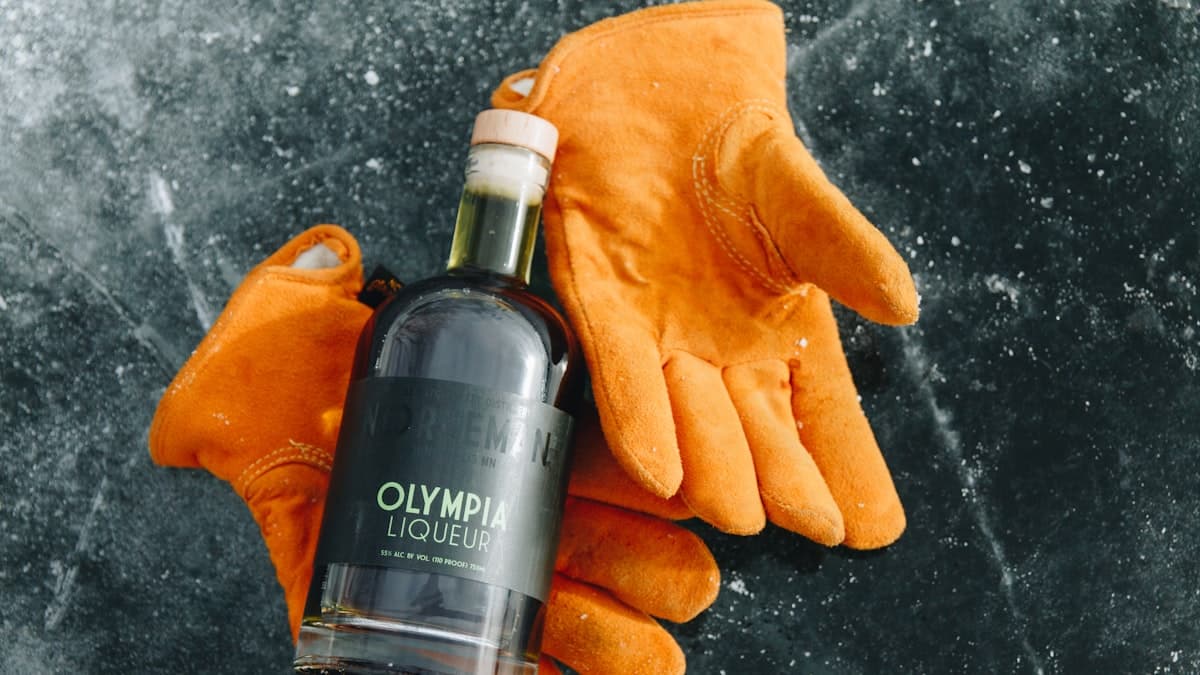
Four Numbers on Every Olive Oil Label — and the Timeline They Hide
Craft

Four Numbers on Every Olive Oil Label — and the Timeline They Hide

From harvest date to pressing interval, bottling day to best-before, every figure on an olive oil label traces a timeline that determines what ends up in the bottle. This guide explains how to read those numbers and what they reveal about freshness and producer intent.

OLEA Editorial
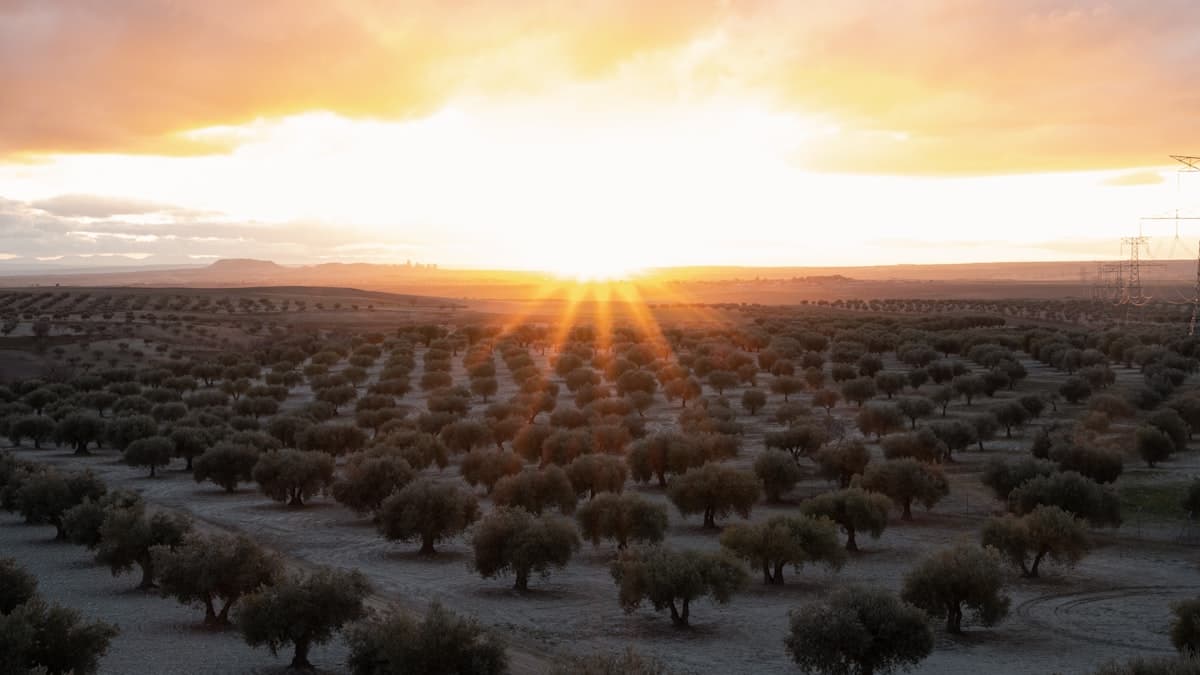
Bitter and Pungent: The Flavors That Signal a Healthy Olive Oil
Table

Bitter and Pungent: The Flavors That Signal a Healthy Olive Oil

The bitterness and pungency in extra virgin olive oil strike many first-time tasters as a flaw — but under the International Olive Council's sensory evaluation system, both are classified as positive attributes directly tied to polyphenol content.

OLEA Editorial
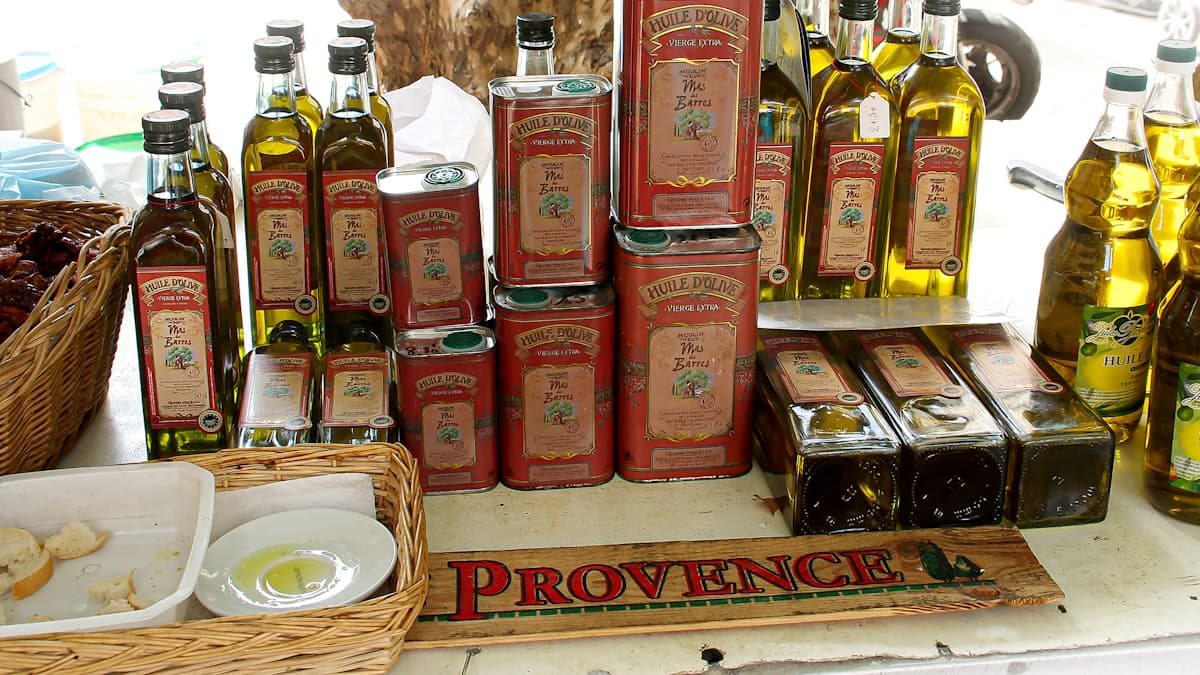
Olive Oil's Place at the Blue Zone Table
Guides

Olive Oil's Place at the Blue Zone Table

Five regions of the world record the highest concentrations of centenarians, and two of them sit squarely in the olive-growing Mediterranean. Cross-referencing Blue Zone data with Mediterranean diet research reveals what the science actually says — and doesn't say — about olive oil and longevity.

OLEA Editorial
CRP, IL-6, and Olive Oil: A Guide to the Inflammation Research
Guides

CRP, IL-6, and Olive Oil: A Guide to the Inflammation Research

Studies examining extra virgin olive oil's phenolic compounds — including oleocanthal and oleuropein — have reported associations with chronic inflammation markers such as CRP and IL-6. Here is what the clinical and epidemiological evidence shows so far.

OLEA Editorial
Olive Oil and the Gut Microbiome: Where the Research Stands
Guides

Olive Oil and the Gut Microbiome: Where the Research Stands

A growing body of research is examining how extra-virgin olive oil interacts with the gut microbiome, with polyphenols and oleic acid emerging as the key compounds of interest. The link to the Mediterranean diet adds another layer to an already complex picture.

OLEA Editorial
Olive Oil, the Macula, and Retinal Health: Reading the Dietary Research
Guides

Olive Oil, the Macula, and Retinal Health: Reading the Dietary Research

Extra virgin olive oil sits at the heart of the Mediterranean diet's fat profile — and a growing body of dietary research is examining its potential links to macular and retinal health. Here is where the science stands, from polyphenol mechanisms to the limits of current evidence.

OLEA Editorial
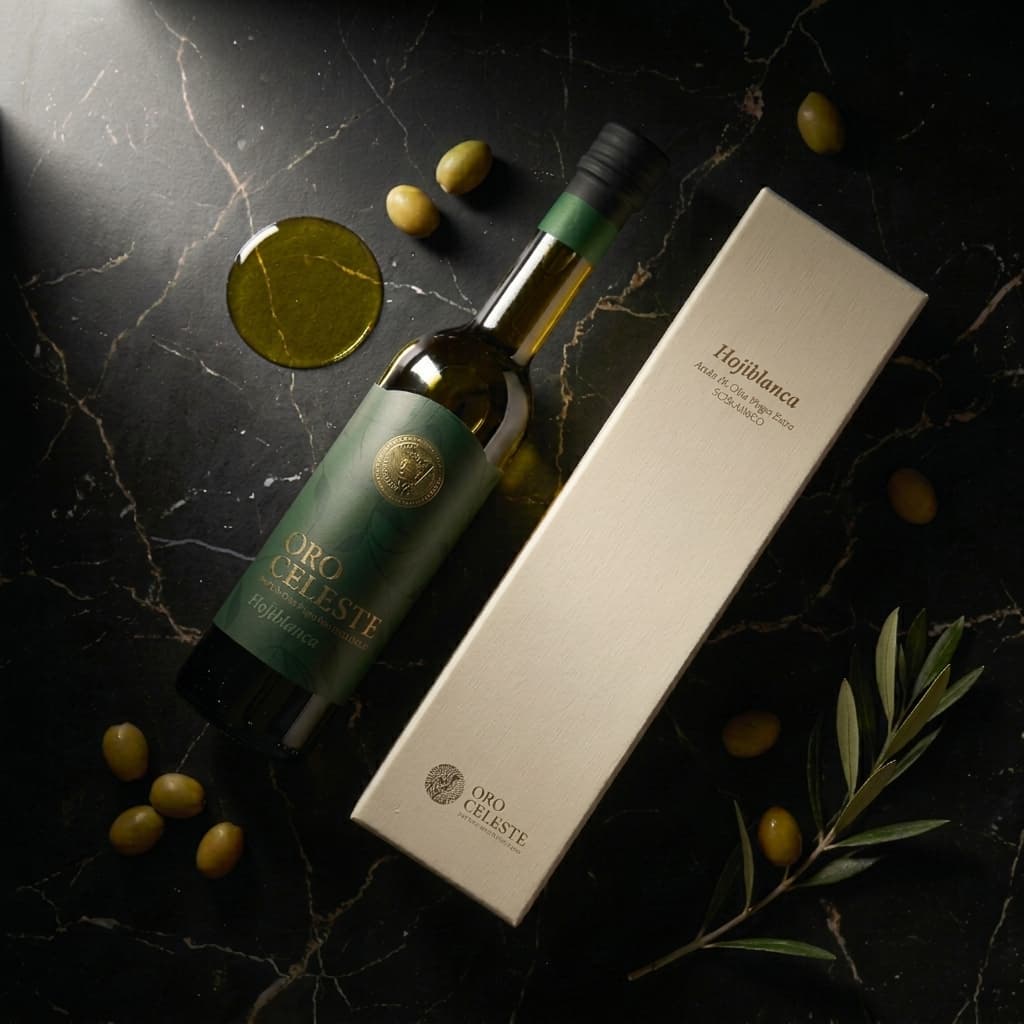
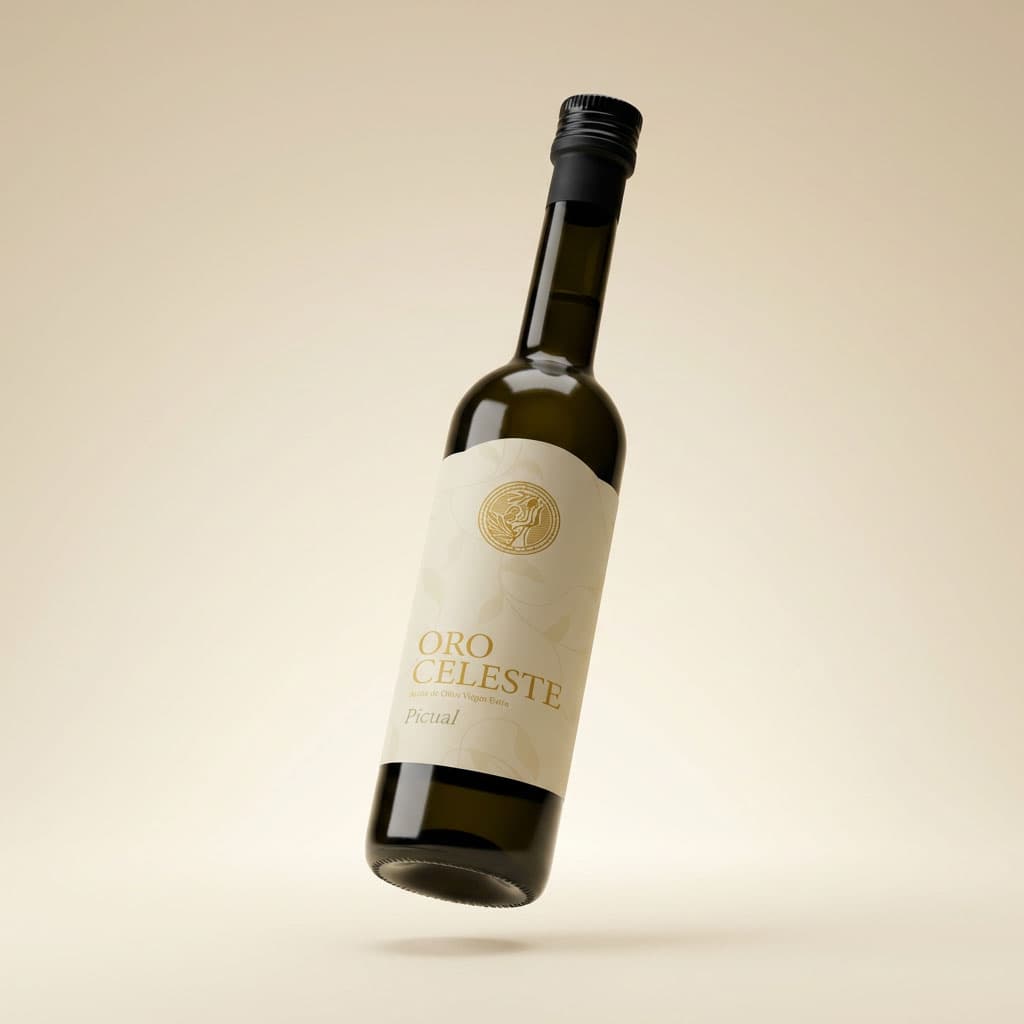
27°C: The Number Behind Every Drop of ORO CELESTE
Craft

27°C: The Number Behind Every Drop of ORO CELESTE

The temperature at which olives are pressed determines how much flavor and polyphenol content survives into the bottle. This guide examines why 27°C is the regulatory and sensory threshold that separates genuine cold-press olive oil from ordinary extraction.

OLEA Editorial
Sitia PDO: The Koroneiki Standard from Eastern Crete
Guides

Sitia PDO: The Koroneiki Standard from Eastern Crete

Gaea Sitia PDO is a premium extra virgin olive oil made from early-harvest Koroneiki olives grown in the eastern reaches of Crete, protected under the EU's strictest geographical designation. From its limestone terroir and polyphenol profile to its signature peppery finish, here is why it draws attention from food lovers and wellness-conscious consumers alike.

OLEA Editorial
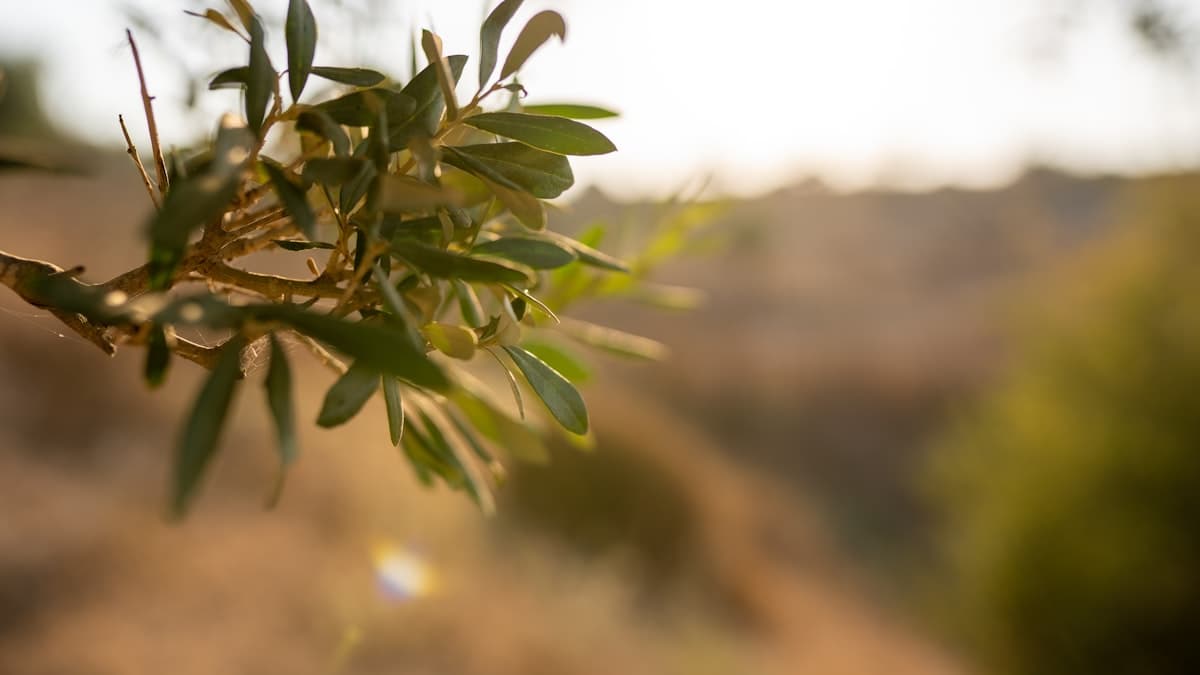
What 0.2% Actually Tells You — How to Read Olive Oil Acidity Labels
Guides

What 0.2% Actually Tells You — How to Read Olive Oil Acidity Labels

Extra virgin olive oil must fall below 0.8% free acidity, yet premium bottles routinely display figures in the 0.1–0.3% range. Understanding what sits behind those numbers — cultivar, harvest timing, processing speed — is what separates an informed purchase from a lucky one.

OLEA Editorial
Oro Bailén: A Four-Generation Estate and the Picual Standard
Guides

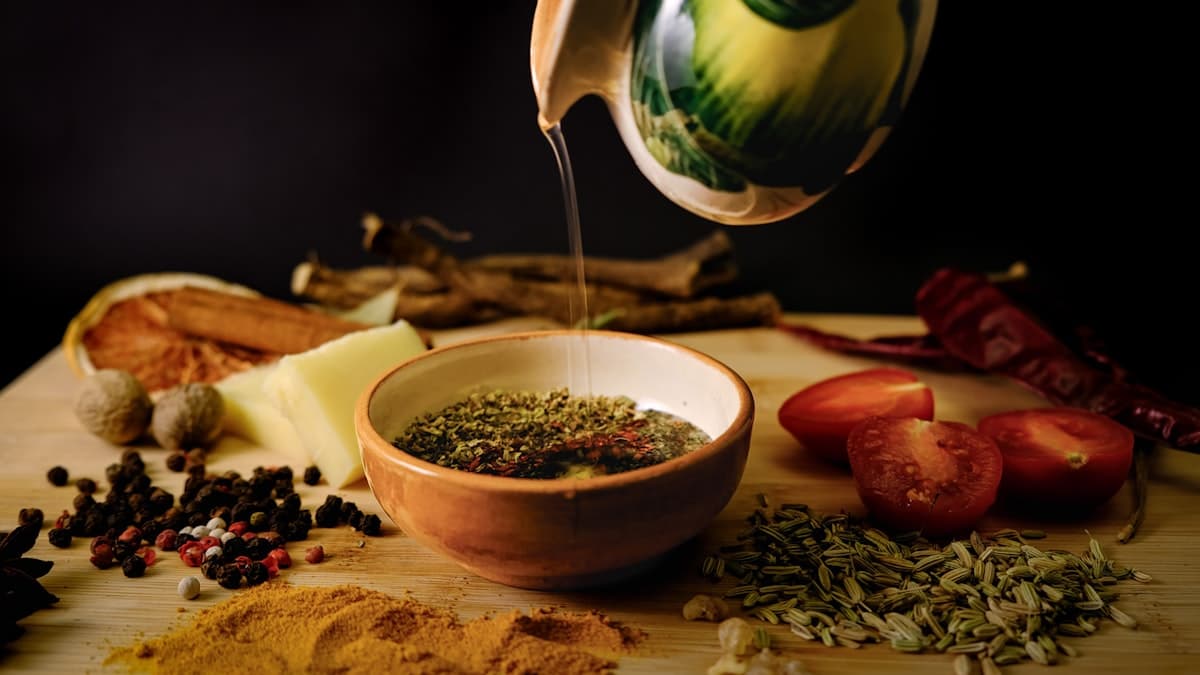
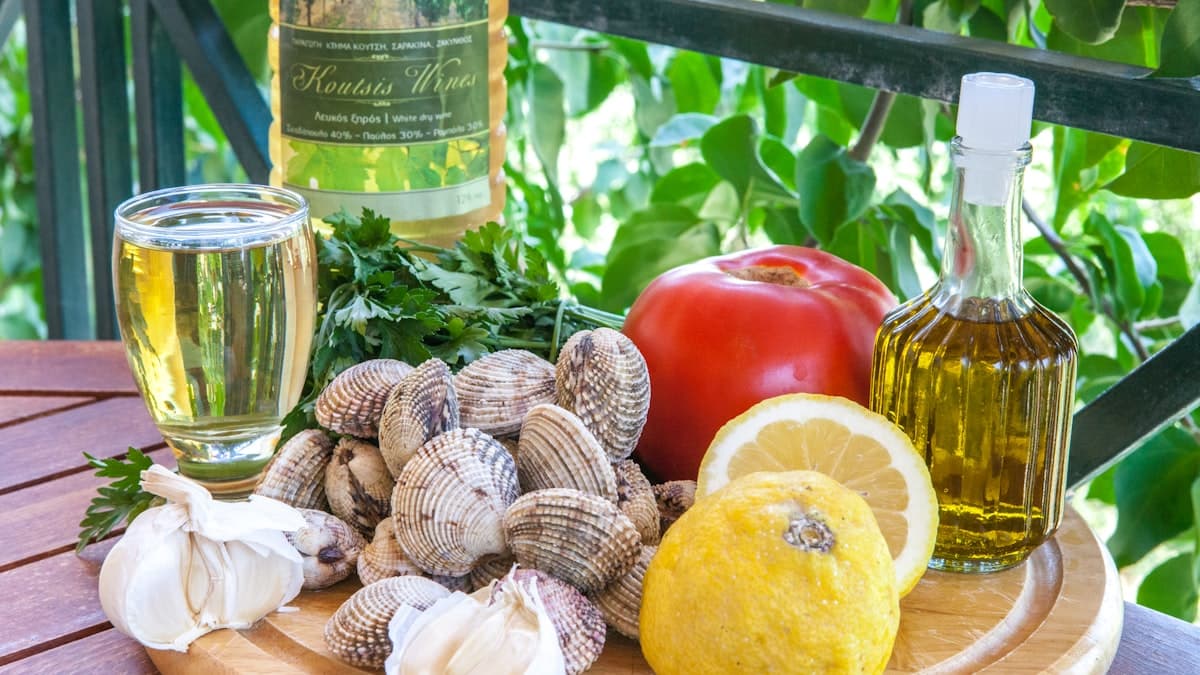
Oro Bailén: A Four-Generation Estate and the Picual Standard
Nestled in Guarromán, in Spain's Jaén province, Oro Bailén is widely regarded as a benchmark for single-estate Picual extra virgin olive oil. This is the story of how four generations of family farming and exacting quality control built a reputation on the world stage.

OLEA Editorial

Extra Virgin Olive Oils Under 0.2% Acidity: A Guide by Origin
Guides

Extra Virgin Olive Oils Under 0.2% Acidity: A Guide by Origin

The IOC sets the acidity ceiling for extra virgin olive oil at 0.8%, but narrowing the field to 0.2% and below opens a noticeably different tier of freshness, flavor clarity, and heat stability. Here is how the leading low-acidity lines stack up by origin.

OLEA Editorial