Craft
ORO CELESTE Picual Deep Dive — Peppery Intensity and Off-the-Chart Polyphenols
ORO CELESTE's Picual registers an acidity of 0.20% and polyphenols above 800 mg/kg — figures that push standard laboratory instruments to their measurement limits. This guide examines what those numbers mean and why this oil's peppery finish is in a category of its own.
Translated from the Korean edition, originally published June 12, 2026 · read the original
Picual — Spain's Most Widely Planted Cultivar
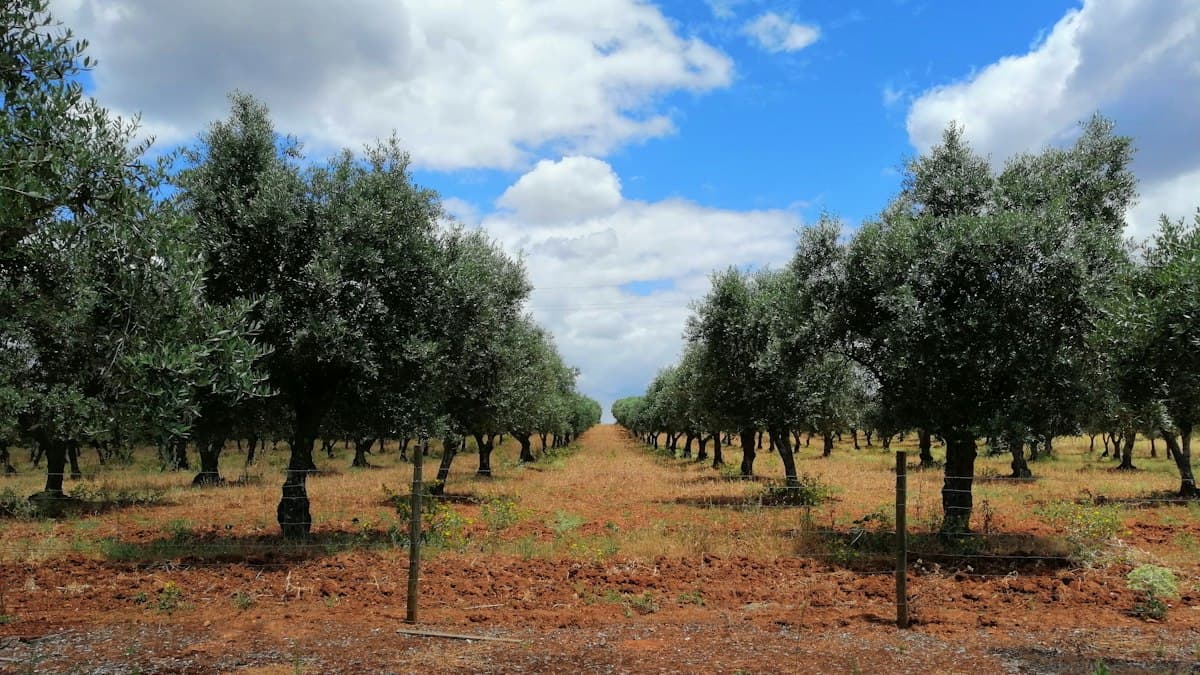
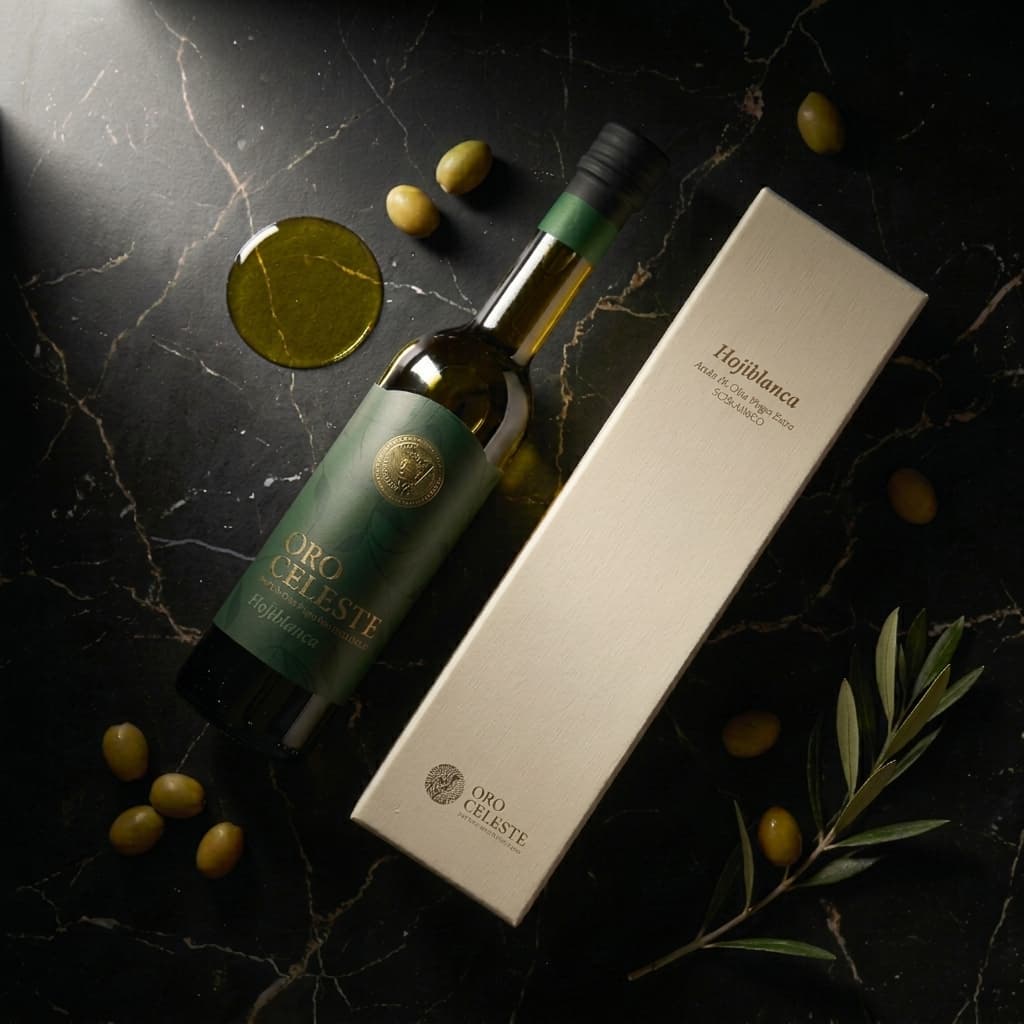
Could a single cultivar account for roughly 20% of the world's cultivated olive area? Picual does exactly that. Concentrated in the Jaén region of Andalusia, it is the backbone of Spanish olive production: according to the International Olive Council (IOC), more than half of Spain's olive output comes from this one variety. Agronomists value it for its productivity and its relatively strong resistance to the olive fruit fly, but what draws food writers and tasters to Picual is something else entirely — an extraordinary polyphenol load and one of the most assertive peppery finishes of any cultivar.
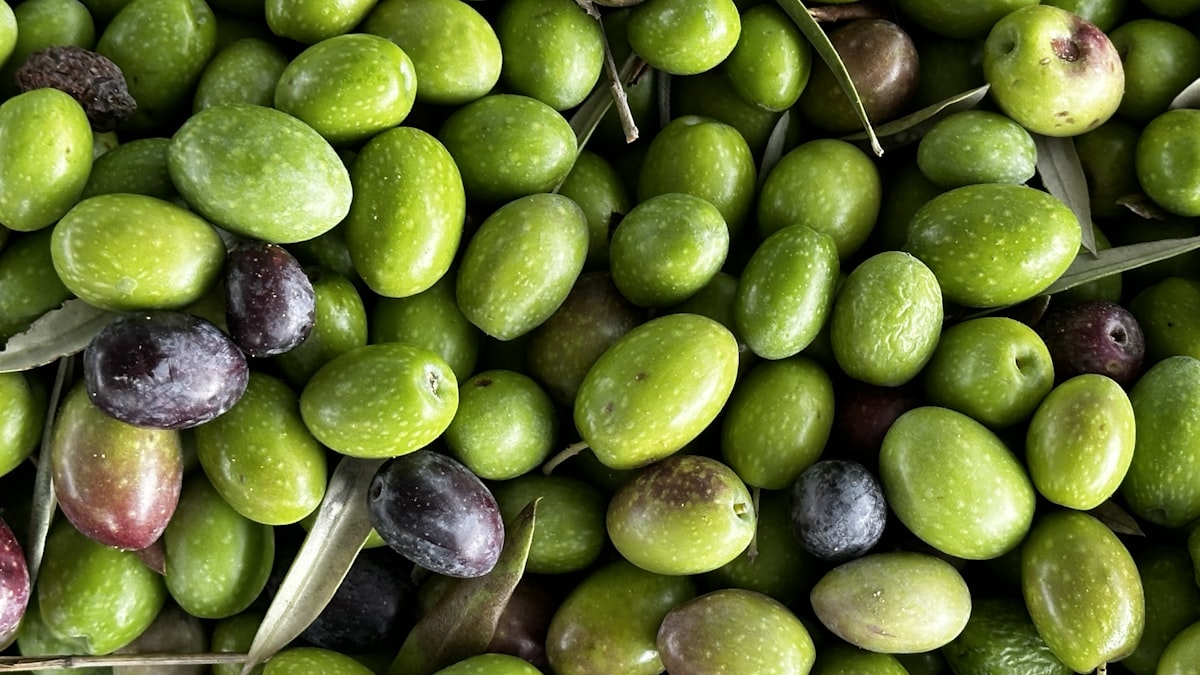
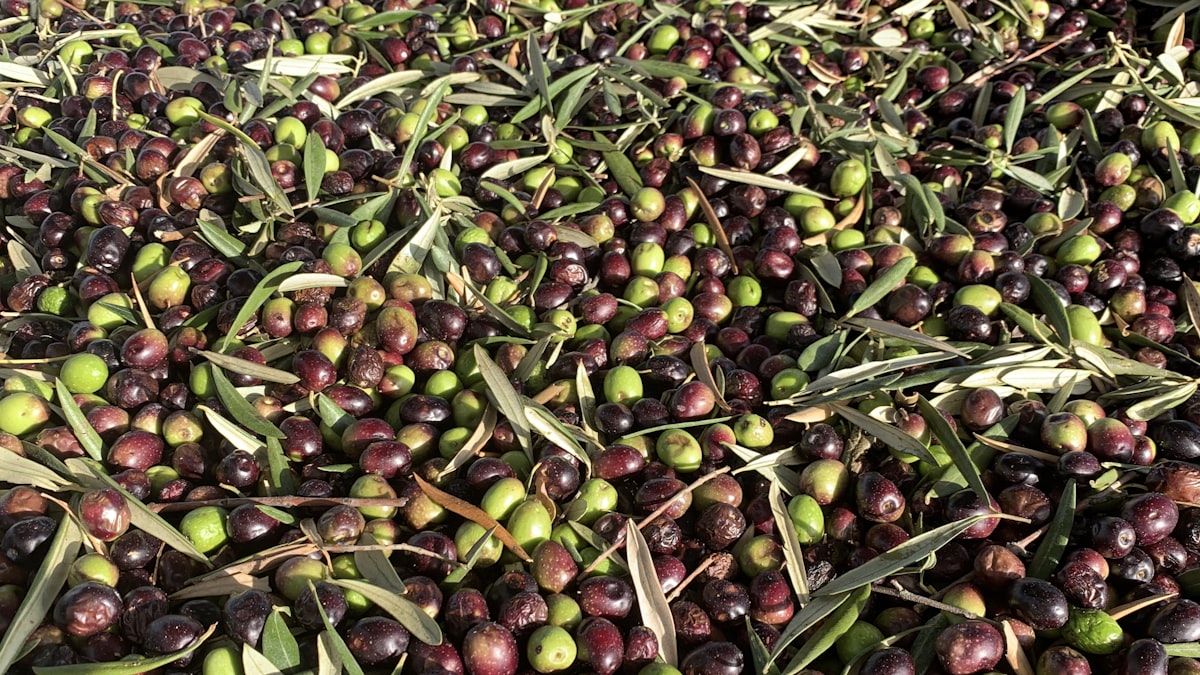
Flavor profile and polyphenol concentration both swing dramatically with harvest timing. Olives picked early, when the fruit is still deeply green, yield an oil high in bitterness and spice with polyphenols at their peak. Wait for full ripeness and the polyphenol count drops sharply while the flavor softens. ORO CELESTE's Picual is firmly in the early-harvest camp.
What 0.20% Acidity and 800 mg/kg Polyphenols Actually Tell You
ORO CELESTE's Picual carries certified analytical figures of 0.20% acidity and polyphenols above 800 mg/kg. To put the acidity in context: the extra virgin grade ceiling is 0.80%, so 0.20% sits toward the very low end of the scale — a result consistent with olives pressed quickly after harvest using cold extraction. Acidity is widely used as a proxy indicator of how carefully an oil was handled from grove to bottle.
The polyphenol figure draws more attention. According to a 2022 EFSA review, most commercially available extra virgin olive oils fall roughly between 100 and 300 mg/kg in total polyphenols. A reading above 800 mg/kg is well outside that range — high enough that some standard laboratory instruments reach the upper boundary of their measuring scale. ORO CELESTE reports this as an 'exceeds measurement range' result and states that the figures are supported by analysis from multiple accredited institutions.
The principal polyphenol compounds in olive oil include oleuropein, hydroxytyrosol, and ligstroside aglycon. Hydroxytyrosol and its derivatives were referenced in a 2011 EFSA health claims regulation, though that regulation permits only narrowly worded statements under specific intake conditions — it does not imply any prevention or treatment of disease.
The Peppery Finish — Meet Oleocanthal
Anyone tasting Picual for the first time encounters it almost immediately: a sharp, prickling heat at the back of the throat. The industry term is 'peppery', and the compound responsible is oleocanthal, a phenolic molecule first reported to share a structural similarity with ibuprofen in a study by Beauchamp et al. published in Nature in 2005. Research into oleocanthal's physiological role is ongoing, and it is too early to draw firm conclusions about any specific effects from dietary consumption.
By panel-tasting standards, Picual frequently falls into the highest category — 'intense' — for peppery attribute. ORO CELESTE's Picual follows a recognizable sequence on the palate: fresh herb and green tomato aromas open first, a bitter artichoke note arrives in the mid-palate, and then a long, insistent peppery finish takes over and lingers.
How to Use It — Raw and as a Finishing Drizzle
Oils with high polyphenol content and a bold peppery character tend to pair better with assertive flavors than with delicate ones. The classic model is the Tuscan tradition — centuries old — of finishing a dish with a drizzle over something substantial: a slice of finocchiona salami, a thick ribollita, a grilled bistecca.
Practical pairings include grilled beef, aged hard cheeses, white bean soup, and thick-cut sourdough — all served with the oil added raw at the finish. Picual also holds up well at moderate cooking temperatures: its high oleic acid content contributes to good oxidative stability, and flavor loss in lower-heat applications is reported to be relatively modest. That said, polyphenol degradation does occur in extreme heat environments such as deep-frying, so finishing use is where this oil shows best.
Three Things to Check Before You Buy a Picual
First, look for the harvest year or milling date. Polyphenols diminish naturally over time, and oils within 12 months of milling are generally recommended. Second, find the acidity figure on the label — products that omit it offer less transparency about freshness management. Third, look for a polyphenol reading or a certificate from an accredited laboratory; the higher the claimed figure, the more important it is for consumers to be able to verify it.
ORO CELESTE's Picual makes all three data points available, and the 800 mg/kg-plus polyphenol figure is supported by accredited laboratory documentation. As a craft extra virgin that pushes Picual's inherent potential to the limit, it represents a clear and well-documented option for anyone seeking maximum intensity in the glass.
Frequently asked questions
- Why is Picual olive oil so peppery?
- The peppery sting at the back of the throat comes primarily from oleocanthal, a phenolic compound first reported in a 2005 Nature study by Beauchamp et al. Picual olives harvested early — while still green — contain some of the highest oleocanthal concentrations of any cultivar, which is why the sensation can feel almost startling on first taste.
- What does 800 mg/kg polyphenols in olive oil actually mean?
- According to a 2022 EFSA review, most commercially available extra virgin olive oils fall roughly between 100 and 300 mg/kg in total polyphenols. A figure above 800 mg/kg is well outside that range — high enough that some standard analytical instruments reach the upper limit of their measuring scale, which is why results at this level are sometimes reported as 'exceeds measurement range' rather than as a precise number.
- How should I use a high-polyphenol Picual olive oil?
- Its bold, bitter-peppery character works best as a finishing drizzle over robust foods: grilled beef, aged cheese, white bean soup, or thick-cut sourdough. Picual's high oleic acid content gives it good oxidative stability, so it also holds up reasonably well in lower-heat cooking, though some polyphenol degradation is expected in extreme high-heat applications such as deep-frying.
- What should I look for on the label when buying Picual olive oil?
- Three things: first, the harvest year or milling date — polyphenols decline over time, and oils within 12 months of milling are generally preferred; second, a declared acidity level (oils that omit this figure offer less transparency about freshness); third, a polyphenol reading or a certificate from an accredited laboratory, so you can verify any claims independently.
- Is Picual the most widely grown olive cultivar in Spain?
- Yes. According to the International Olive Council (IOC), more than half of Spain's total olive production comes from Picual, which is concentrated in the Jaén region of Andalusia. It is estimated to account for roughly 20% of the world's cultivated olive area — a scale that reflects both its agricultural productivity and its relatively strong resistance to the olive fruit fly.
Related reading
- ORO CELESTE Discloses Lab-Certified Polyphenol Counts — Picual Exceeds 800 mg/kg Detection Limit
ORO CELESTE has published certified lab figures for three single-varietal extra virgin olive oils directly on labels and its official website. Picual tested above the instrument detection limit at 800 mg/kg or more; Ojiblanca and Sibarita came in at 600 mg/kg or more and 500 mg/kg or more, respectively.
- Beyond the Meter's Limit — What ORO CELESTE Picual's Lab Report Actually Says
ORO CELESTE Picual's certificate of analysis carries a notation that its polyphenol reading exceeded the instrument's quantification limit. Here is a calm, precise look at what that number means in the context of olive oil quality.
- The Cultivar Decides — Koroneiki, Picual and Arbequina Polyphenols Compared
Polyphenol levels in extra virgin olive oil can vary by a factor of ten or more depending on cultivar. This data-driven guide compares the polyphenol content and flavor profiles of three benchmark varieties: Greece's Koroneiki and Spain's Picual and Arbequina.
- Reading Polyphenol Numbers on an Olive Oil Label: A Step-by-Step Comparison Guide
The mg/kg polyphenol figure printed on an extra virgin olive oil bottle is one of the most useful quality signals a label can carry — but only if you know how to read it. This guide walks through what the number means, how measurement method affects it, and what else to check alongside it.
- Picual, Arbequina, Coratina, Moraiolo: A Cultivar Guide to Olive Oil Flavor
Flavor in extra virgin olive oil begins with the olive itself. This guide breaks down the origins, sensory profiles, polyphenol levels, and best uses of four cultivars that dominate the premium EVOO market.
- QR Codes on Every Bottle: Inside ORO CELESTE's Batch-Level Transparency
ORO CELESTE prints a QR code on every product label, giving shoppers instant access to the batch-specific lab certificate — acidity, polyphenols, and sensory results — for the exact bottle in their hand.
Tags