Craft
Reading Polyphenol Numbers on an Olive Oil Label: A Step-by-Step Comparison Guide
The mg/kg polyphenol figure printed on an extra virgin olive oil bottle is one of the most useful quality signals a label can carry — but only if you know how to read it. This guide walks through what the number means, how measurement method affects it, and what else to check alongside it.
Translated from the Korean edition, originally published October 9, 2026 · read the original
When You See 'mg/kg' on a Label
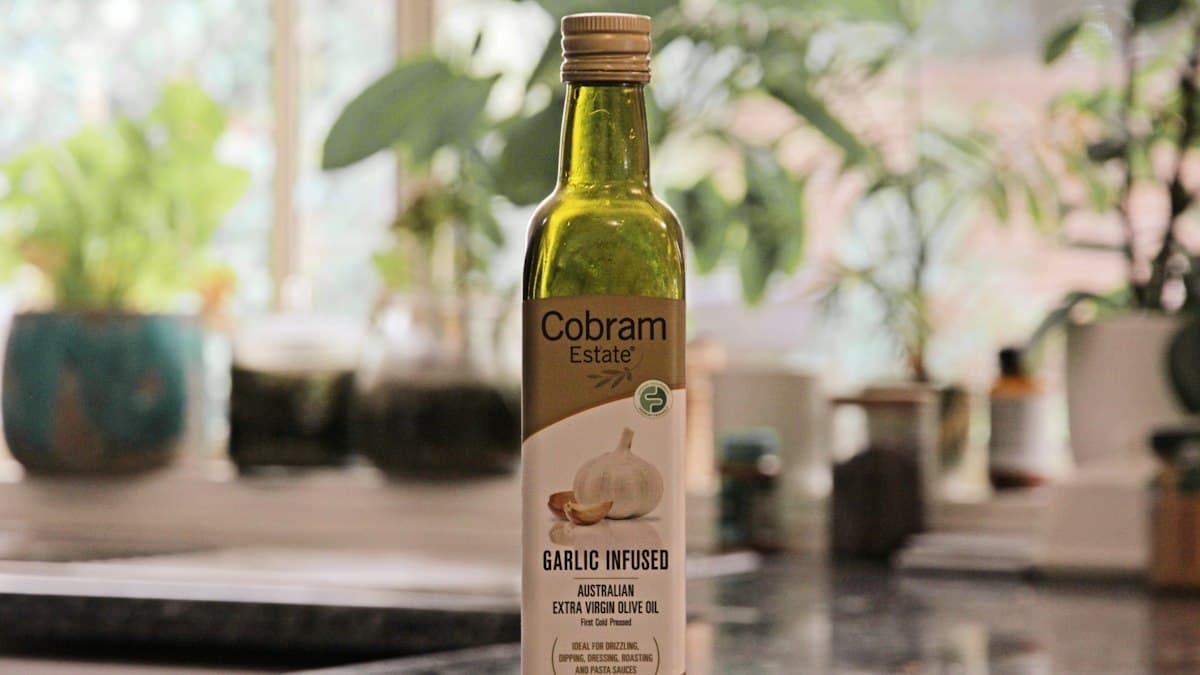
Pick up a bottle of extra virgin olive oil (EVOO) and turn it over. On the back or side label you may find a line such as "Total Polyphenols: 620 mg/kg" or "Total Polyphenols: 430 ppm." Understanding precisely what that figure represents can move your buying decisions well beyond price and origin alone.
Polyphenols are a broad family of plant compounds found naturally in the olive fruit. They include oleuropein, hydroxytyrosol, ligstroside, and dozens of related molecules, and they are the primary source of an oil's characteristic bitterness and peppery throat finish. The unit mg/kg denotes milligrams of polyphenols per kilogram of oil, which is numerically equivalent to ppm (parts per million). In other words, 500 mg/kg and 500 ppm describe exactly the same concentration.
What Counts as a High Number?
Neither the International Olive Council (IOC) nor the European Union sets a minimum polyphenol threshold for the extra virgin grade. However, EU Regulation No. 432/2012 does permit certain health-related claims on olive oil labels when the oil provides at least 5 mg of hydroxytyrosol and its derivatives per 20 g of oil — a threshold that corresponds to roughly 250 mg/kg when converted.
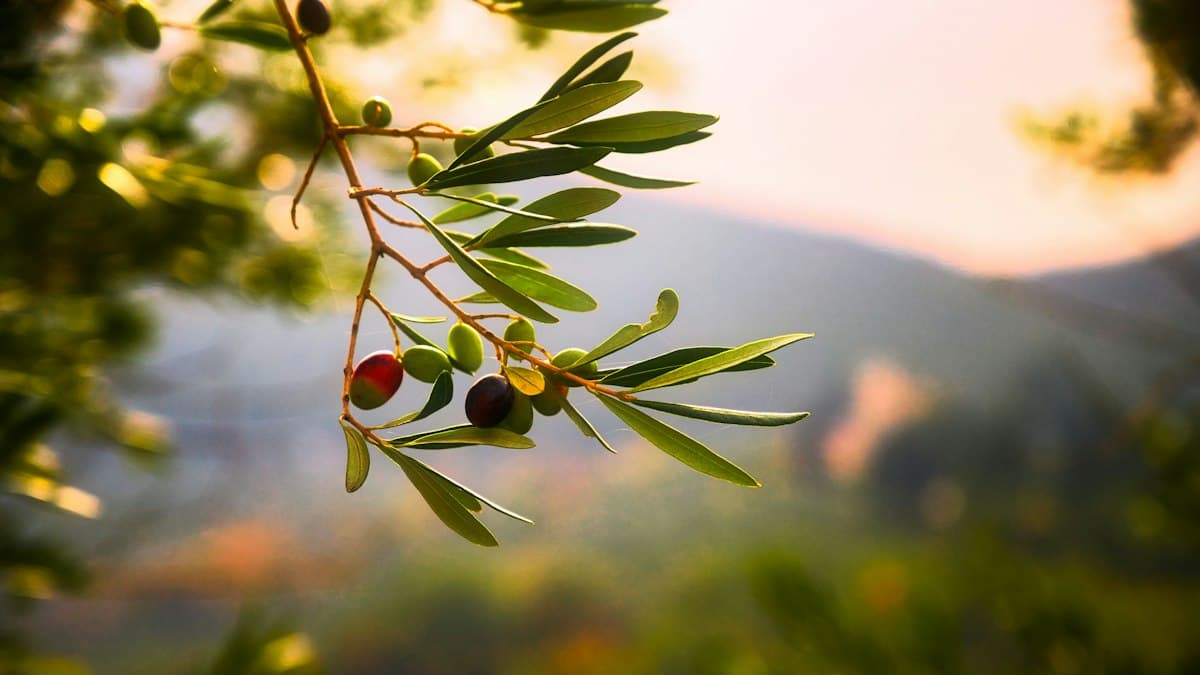
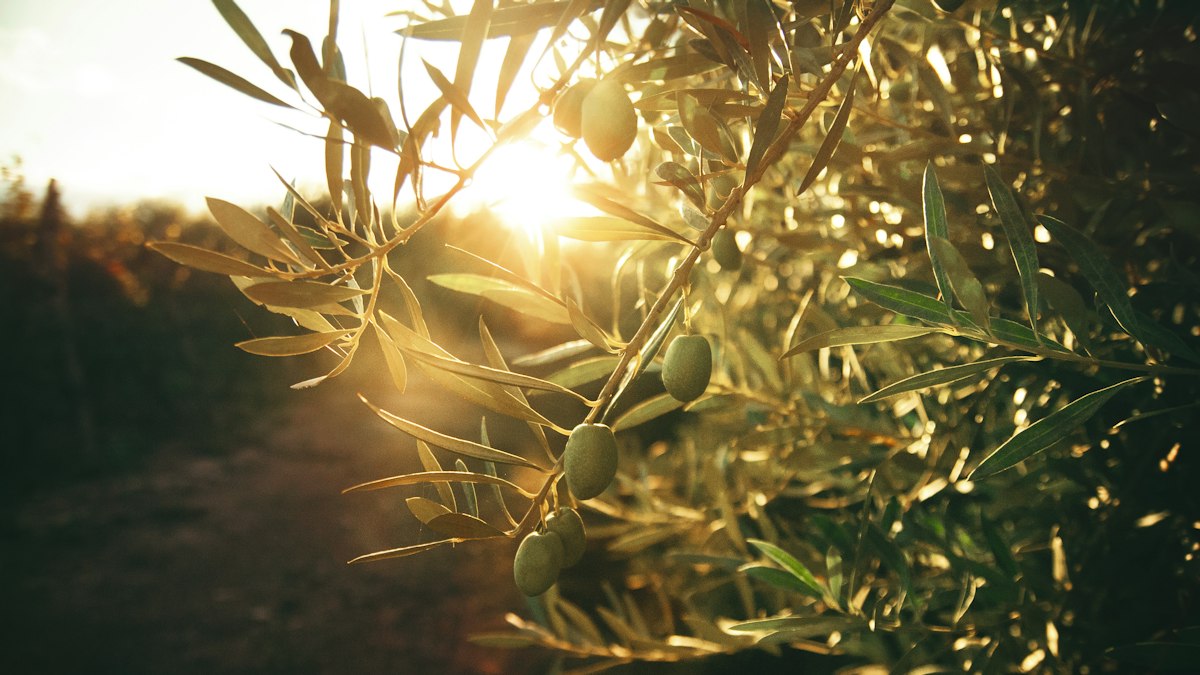
Beyond that regulatory marker, the informal benchmarks commonly used in the trade are as follows: below 150 mg/kg is considered low; 150–300 mg/kg moderate; 300–600 mg/kg high; and above 600 mg/kg very high. Picual oils from Andalusia, Spain, can exceed 800 mg/kg depending on harvest timing and method. According to IOC cultivar research data, oils pressed from early-harvest olives have been reported to contain two to three times more polyphenols than oils from fully ripe fruit harvested later in the season.
The Same Oil, Different Numbers: Why Measurement Method Matters
Before comparing figures across two products, there is a critical caveat: polyphenol content can be measured in more than one way, and the choice of method has a substantial effect on the result.
The most widely used approach is the Folin-Ciocalteu (FC) colorimetric assay, which measures "total phenols" in a single step. It is accessible and affordable, which is why many producers rely on it — but it is also known to react with certain non-polyphenol substances, meaning results can run higher than the actual polyphenol content. HPLC (high-performance liquid chromatography), by contrast, separates and quantifies individual polyphenol compounds, making it considerably more precise. Research has shown that FC results for the same oil can be 20–40% higher than HPLC results.
The practical implication: when comparing two products, it is ideal to confirm that both figures were produced by the same analytical method. Premium producers typically provide a Certificate of Analysis (CoA) from an accredited third-party laboratory, and that document will specify which method was used.
What Else to Check on the Label
The polyphenol figure alone is not enough. Here are the other data points worth examining alongside it.
① Harvest Date Polyphenols degrade over time through oxidation and photodegradation. According to IOC research, polyphenol content can drop to 30–50% of its initial level within 12–18 months of production, regardless of whether the bottle has been opened. If only a best-before date is printed, work backward to estimate the approximate harvest year and judge how much time has passed since bottling.
② Acidity (Free Fatty Acid %) Acidity is a separate quality indicator, but it correlates closely with overall oil quality. The legal ceiling for extra virgin grade is 0.8%; below 0.3% is broadly recognized as excellent. Low acidity is the result of fresh raw material and careful processing, and it frequently appears alongside high polyphenol content.
③ Cultivar The variety of olive is one of the strongest determinants of polyphenol range. Picual, Coratina, and Koroneiki are cultivars recognized for high polyphenol potential, while Arbequina tends to be lower and milder in character. When a cultivar is named on the label, that information helps calibrate your expectations for what the number should look like.
④ Certificate of Analysis (CoA) When a producer makes a CoA from an accredited external laboratory publicly available — via QR code or their website — the stated figure carries more weight than a number printed without any supporting documentation. A label figure alone gives no indication of whether the analysis was conducted in-house or independently verified.
Beyond the Number
A high mg/kg figure does not automatically make one oil superior to another. Oils rich in polyphenols carry pronounced bitterness and a robust peppery finish; whether that is desirable depends on the dish and the diner. Food and beverage specialists have noted that oils in the 200–350 mg/kg range can complement lightly flavored ingredients — raw fish, steamed or simply dressed vegetables — without dominating them.
It is also worth noting that polyphenols are partially degraded by heat. Their potential benefits are most fully preserved when the oil is used without cooking — as a drizzle, in a dressing, or in a marinade. For high-temperature applications such as sautéing or frying, oxidative stability and smoke point are more relevant criteria than polyphenol count.
The number on the label is the oil's opening line. Understanding how it was arrived at, and under what conditions it remains meaningful, will help you choose a far more satisfying bottle for the same budget.
Frequently asked questions
- What does mg/kg mean on an olive oil label?
- mg/kg stands for milligrams of polyphenols per kilogram of oil. It is numerically identical to ppm (parts per million), so 500 mg/kg equals 500 ppm. The figure tells you the concentration of plant compounds — including oleuropein, hydroxytyrosol, and ligstroside — naturally present in the olive fruit.
- How many mg/kg of polyphenols is considered high in olive oil?
- There is no official minimum set by the IOC or the EU for polyphenol content in extra virgin olive oil. In practice, producers and analysts commonly treat under 150 mg/kg as low, 150–300 mg/kg as moderate, 300–600 mg/kg as high, and above 600 mg/kg as very high. Picual oils from Andalusia can exceed 800 mg/kg depending on harvest timing.
- Does the measurement method affect the polyphenol number on the label?
- Yes, significantly. The widely used Folin-Ciocalteu (FC) colorimetric method measures total phenols in a single pass and is known to react with some non-olive-oil components, which can inflate the result. HPLC separates and quantifies individual polyphenol compounds and is more precise. The same oil measured by FC can return a value 20–40% higher than the HPLC result, so comparing figures from different methods is not straightforward.
- Does a higher polyphenol number always mean a better olive oil?
- Not necessarily. High-polyphenol oils carry pronounced bitterness and a peppery finish that may overpower delicate dishes. Food and beverage specialists often note that oils in the 200–350 mg/kg range can pair better with lightly flavored ingredients such as raw fish or steamed vegetables. For high-heat cooking, oxidative stability and smoke point are more relevant selection criteria than polyphenol count.
- How quickly do polyphenols decrease after the harvest date?
- According to IOC research, polyphenol content can fall to 30–50% of the initial level within 12–18 months of production, regardless of whether the bottle has been opened. When a label shows only a best-before date, it is worth working back to estimate the approximate harvest year and how much time has elapsed since bottling.
Related reading
- Budget, Mid-Range, or Premium Olive Oil: The Numbers That Actually Separate Them
Every bottle on the shelf says 'extra virgin,' yet prices for 500 ml can vary tenfold. Acidity, polyphenols, harvest timing, and certification are the real dividing lines — and they're all readable on the label.
- Closer to the Source: A Practical Guide to Buying Olive Oil Direct from Producers
From farm-direct shipping and micro-importers to group buys, there are more ways than ever to reach a producer before a supermarket shelf does. This guide walks through each route, what to verify before you buy, and how to set realistic expectations on price and freshness.
- Organic Certification, Carbon Footprint, Water Use: A Practical Guide to Olive Oil Sustainability Labels
Behind every bottle of olive oil sit three measurable sustainability indicators — organic certification standards, carbon footprint figures, and water consumption data. Knowing how to read them turns a label logo from a marketing symbol into a genuine purchasing signal.
- Cold Press, First Press, Centrifuge: Decoding the Extraction Claims on Olive Oil Labels
Three terms appear on nearly every bottle of quality olive oil, yet few buyers know which ones carry legal weight and which are historical relics. This guide unpacks what cold press, first press, and centrifuge extraction actually mean — and where EU regulation draws the line.
- Picual, Arbequina, Coratina, Moraiolo: A Cultivar Guide to Olive Oil Flavor
Flavor in extra virgin olive oil begins with the olive itself. This guide breaks down the origins, sensory profiles, polyphenol levels, and best uses of four cultivars that dominate the premium EVOO market.
- Organic EVOO Certifications Decoded: Euro-leaf, USDA, and Demeter
Three certification marks — the EU Euro-leaf, USDA Organic, and Demeter — divide the organic EVOO shelf into meaningfully different tiers. Understanding what each one actually requires makes it far easier to judge whether the premium is worth paying.