Craft
Six Olive Oil Off-Flavors — and How to Tell Them Apart at Home
From musty and winey-vinegary to metallic and rancid, off-flavors are the clearest signal that an extra virgin olive oil has fallen short of grade. This practical guide explains what causes each defect and how to detect them without professional panel training.
Translated from the Korean edition, originally published September 28, 2026 · read the original

What Off-Flavors Are — and Why They Matter
Extra virgin olive oil (EVOO) must carry only positive attributes — fruitiness, bitterness, and pungency — and must be entirely free of sensory defects. Under the International Olive Council's official sensory evaluation standard (IOC/T.20/Doc.15), a single detectable off-flavor is enough to downgrade an oil to virgin or a lower classification. In practice, the presence or absence of defects is the absolute dividing line between grades.
Off-flavors enter oil through three main routes: problems with the fruit itself before or after harvest; failures in hygiene or temperature control during milling and processing; and oxidation or contamination during storage. Understanding which route is responsible helps a consumer determine whether an oil was defective from the start or whether it degraded in the bottle after purchase.

The Six Main Off-Flavors and Their Causes
① Musty (earthy, moldy) This smells like a damp cellar or wet soil. When harvested olives are left in large piles for several days, they generate heat, and the resulting fungal activity produces geosmin-family compounds responsible for the defect. According to IOC panel training materials, musty is one of the most frequently detected off-flavors in commercial oils, and rapid cold-extraction is widely recognized as the most effective way to prevent it.
② Winey-vinegary (fermented, acetic) A sharp, prickly aroma that combines the character of fruit fermentation with the bite of vinegar. It arises when olives undergo anaerobic fermentation, causing ethyl acetate and acetic acid to accumulate. The defect is especially likely when fruit is soaked in water for extended periods before milling, or when milling temperatures run too high. It registers first in the nose and follows with a sour sensation at the tip of the tongue.
③ Metallic A taste reminiscent of licking old iron. Prolonged contact between oil and exposed metal surfaces — in certain parts of a mill or in poorly chosen storage containers — allows metal ions to leach out, accelerating fatty-acid oxidation and generating a characteristic metallic note. The use of stainless-steel milling equipment and dark glass or tin-lined containers is considered the basic preventive measure.
④ Rancid Rancidity is the defect most consumers already recognize. Excessive exposure to oxygen, heat, or light causes unsaturated fatty acids to oxidize and break down into aldehydes. It appears most commonly in oil stored for more than six to eight weeks after opening. According to 2023 data from the European Food Safety Authority (EFSA), EVOO with higher polyphenol content has been reported to show comparatively greater oxidative stability.
⑤ Heated or cooked A sweet, heavy note suggestive of oil that has been warmed too long. It results from milling at excessively high temperatures or from partial deodorization or refining — processes associated with lower-grade vegetable oils. Because EVOO must be produced by cold extraction at no more than 27 °C, the presence of this defect raises legitimate questions about the accuracy of the grade declared on the label.
⑥ Wet wood A smell close to damp cardboard or wet timber, distinct from the earthy quality of musty oil. It appears when olives have suffered frost damage or undergone abnormal fermentation after harvest. The key distinction from musty is that wet wood reads more like damp fiber than like soil.
A Step-by-Step Home Tasting Method
Without formal panel training, a straightforward routine can still reveal whether an oil carries detectable defects.
Step one — concentrate the aroma. Pour 20–25 mL of oil into a small tasting cup or narrow glass. Cup the base in your palm and let body heat warm it to roughly 28–30 °C over two to three minutes. At this temperature, volatile aromatic compounds become active. Bring your nose close to the rim and take three or four short, steady inhalations.
Step two — confirm on the palate. Take a small sip of about 3 mL, let the oil rest on your tongue for ten seconds, then part your lips slightly and draw a thin stream of air inward so the aroma rises retronasally to the back of your nose. Winey-vinegary, metallic, and rancid defects become noticeably clearer at this stage than they were on the nose alone.
Step three — note the intensity. IOC panels record defect intensity on a scale from 0 to 10. For everyday use, a three-point scale — absent, mild, or strong — is fully adequate. If a defect registers as mild or stronger, the oil is better suited to high-heat cooking where the nuances are masked, or it may be worth replacing entirely.
A Buying Checklist for Defect-Free Oil
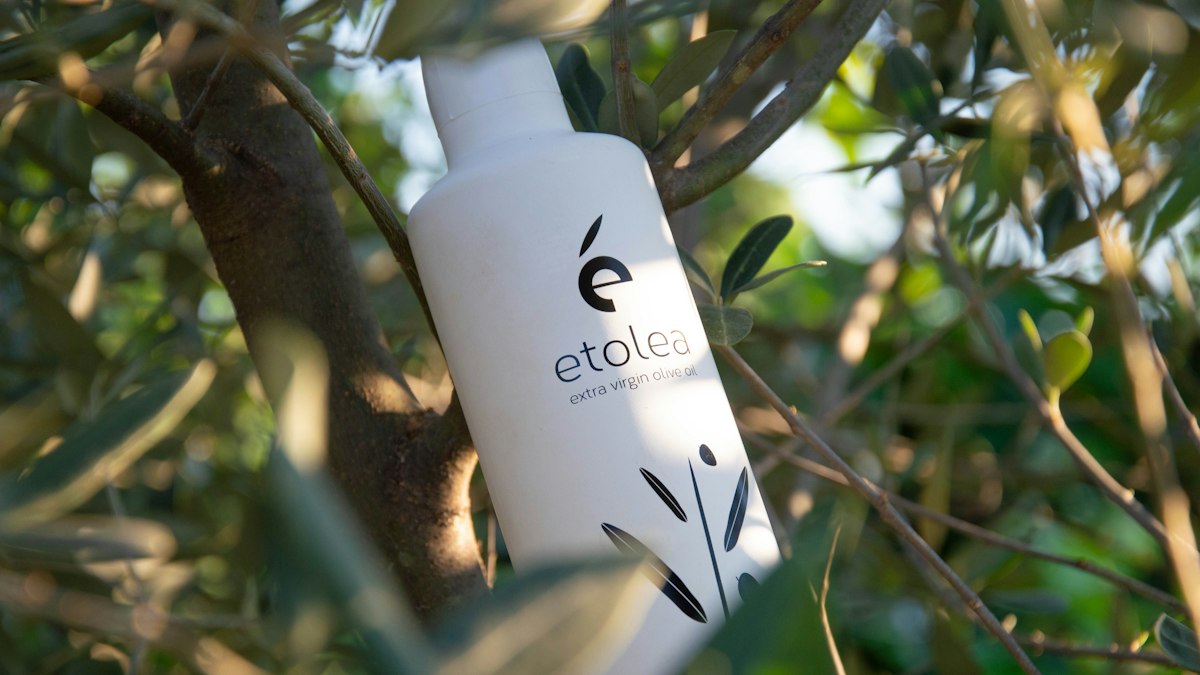
Avoiding off-flavors starts at the point of purchase. Prioritize bottles that state a harvest date on the label. If only a best-before date appears with no harvest year, there is no way to know how old the oil is. As a general guideline, consumption within 18 to 24 months of harvest is widely recommended.
A polyphenol content figure on the label or on a certificate of analysis (CoA) is another useful indicator. Polyphenols are the oil's native antioxidants; higher levels are associated with slower oxidation and a later onset of rancidity. Also check that the bottle is dark green or opaque, and that the oil was displayed away from direct light on the retail shelf.
After opening, seal the bottle tightly, store it somewhere cool and dark, and aim to finish it within six to eight weeks — the window most specialists recommend for maintaining peak quality.
Why Learning Off-Flavors Is Worth the Effort
Familiarity with olive oil defects goes beyond developing a more discerning palate. An oil that carries off-flavors has very likely also lost a significant share of its naturally occurring beneficial compounds. Researchers at the University of Jaén reported that oils in which musty or rancid defects were confirmed measured substantially lower polyphenol levels than defect-free extra virgin olive oil, suggesting that the same conditions responsible for off-flavors also degrade tocopherols and other antioxidants.
Being able to recognize a defect means being able to choose oil on the basis of actual quality rather than price point or brand image. Adding a brief tasting routine to each new bottle you open is a small habit with a measurable effect on what ends up on your table.
Frequently asked questions
- What are off-flavors in extra virgin olive oil?
- Off-flavors are sensory defects that disqualify an oil from extra virgin status under the International Olive Council's official sensory evaluation standard (IOC/T.20/Doc.15). Even a single detectable defect drops the oil to virgin grade or below. Common defects include musty, winey-vinegary, metallic, rancid, heated, and wet-wood notes.
- What causes a musty or moldy smell in olive oil?
- Musty off-flavor is caused by geosmin-family compounds that form when harvested olives are left in heaps for several days. The heat that builds up in the pile encourages fungal growth. According to IOC panel training materials, rapid cold-extraction significantly reduces the frequency of this defect.
- How can I tell if my olive oil has gone rancid?
- Rancid oil produces a stale, crayon-like or waxy smell caused by aldehydes that form when unsaturated fatty acids oxidize. It most commonly appears in oil that has been open for six to eight weeks or longer, or stored in warm or brightly lit conditions. According to a 2023 European Food Safety Authority (EFSA) report, extra virgin oils with higher polyphenol content tend to show greater oxidative stability.
- Can I detect olive oil defects without professional training?
- Yes, to a useful degree. Warm 20–25 mL of oil in a small glass to around 28–30 °C using your palm, inhale gently several times to capture volatile aromatics, then sip about 3 mL and draw in a thin stream of air so the flavor rises retronasally. Rating defects on a simple scale of absent, mild, or strong is sufficient for most purchasing decisions.
- Does an off-flavor mean the oil has lost its beneficial compounds too?
- It often does. Researchers at the University of Jaén reported that oils showing musty or rancid defects measured significantly lower polyphenol levels compared with defect-free extra virgin olive oil, suggesting that the same conditions that create off-flavors also degrade the oil's naturally occurring antioxidants such as polyphenols and tocopherols.
Related reading
- Set Up a Home Olive Oil Tasting: Lighting, Temperature, Glasses, and Tasting Notes
A professional-level olive oil tasting environment does not require special equipment. This guide walks through the exact setup — lighting, oil temperature, glass selection, and a simple scoresheet — that lets any curious cook build real sensory skills at home.
- Picual, Arbequina, Coratina, Moraiolo: A Cultivar Guide to Olive Oil Flavor
Flavor in extra virgin olive oil begins with the olive itself. This guide breaks down the origins, sensory profiles, polyphenol levels, and best uses of four cultivars that dominate the premium EVOO market.
- EVOO Medal Labels: How the Three Major Awards Actually Work
Gold and silver medal stickers appear on many EVOO bottles, but the contests behind them differ significantly in scale, methodology, and what a win really signals. Here is how NYIOOC, Olive Japan, and World's Best Olive Oils each operate—and how to read what those labels mean at the shelf.
- Closer to the Source: A Practical Guide to Buying Olive Oil Direct from Producers
From farm-direct shipping and micro-importers to group buys, there are more ways than ever to reach a producer before a supermarket shelf does. This guide walks through each route, what to verify before you buy, and how to set realistic expectations on price and freshness.
- The Countdown Starts When You Break the Seal: An Olive Oil Oxidation Timeline
The moment you open a bottle of extra virgin olive oil, oxygen, light, and heat begin working against it. This guide maps freshness changes at one week, one month, and three months after opening — and lays out the storage habits that slow the decline.
- Organic Certification, Carbon Footprint, Water Use: A Practical Guide to Olive Oil Sustainability Labels
Behind every bottle of olive oil sit three measurable sustainability indicators — organic certification standards, carbon footprint figures, and water consumption data. Knowing how to read them turns a label logo from a marketing symbol into a genuine purchasing signal.