Craft
Picual, Arbequina, Coratina, Moraiolo: A Cultivar Guide to Olive Oil Flavor
Flavor in extra virgin olive oil begins with the olive itself. This guide breaks down the origins, sensory profiles, polyphenol levels, and best uses of four cultivars that dominate the premium EVOO market.
Translated from the Korean edition, originally published September 14, 2026 · read the original
Cultivar Is Where Olive Oil Flavor Begins
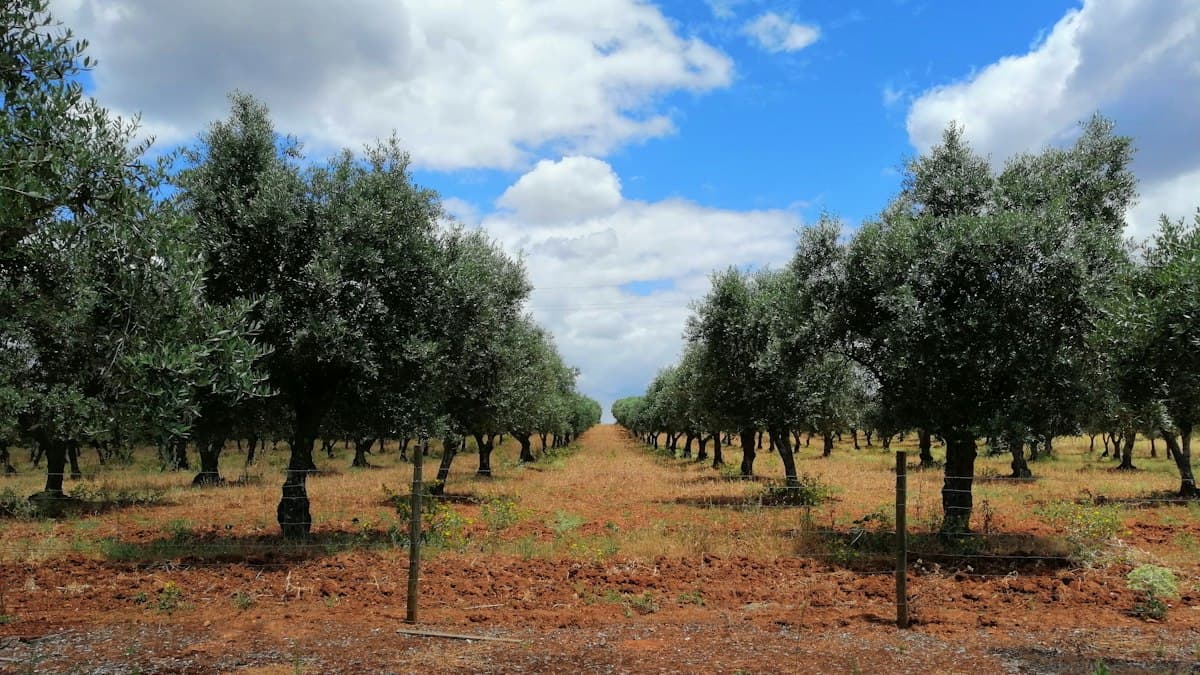
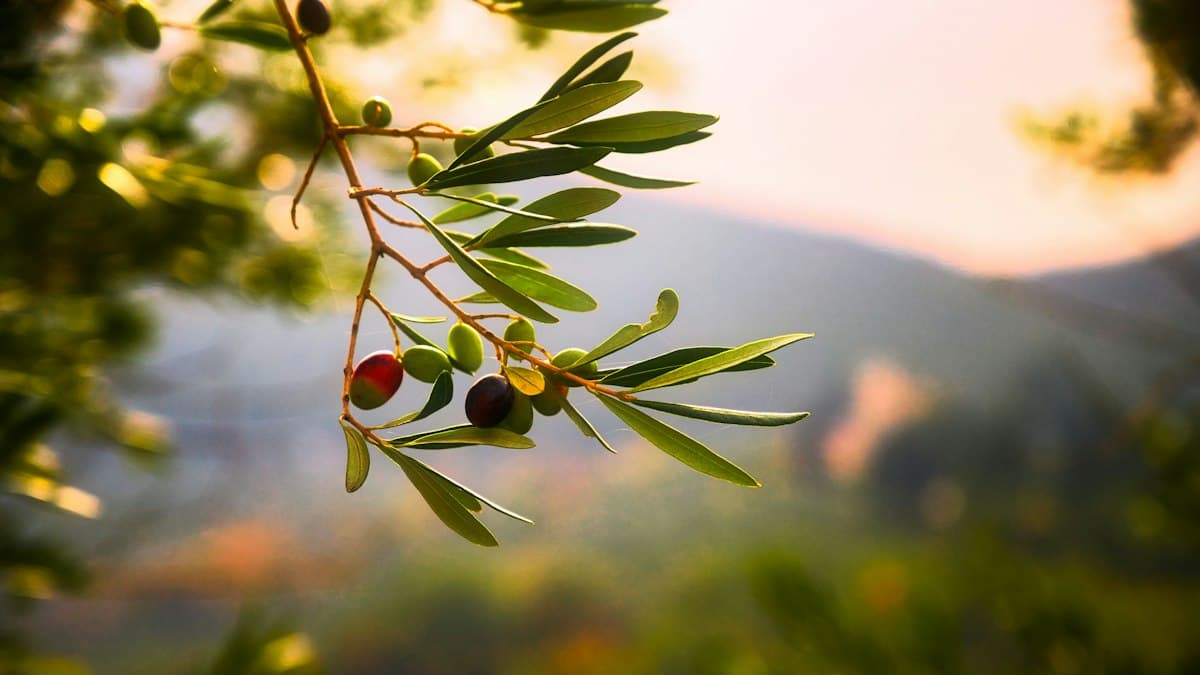
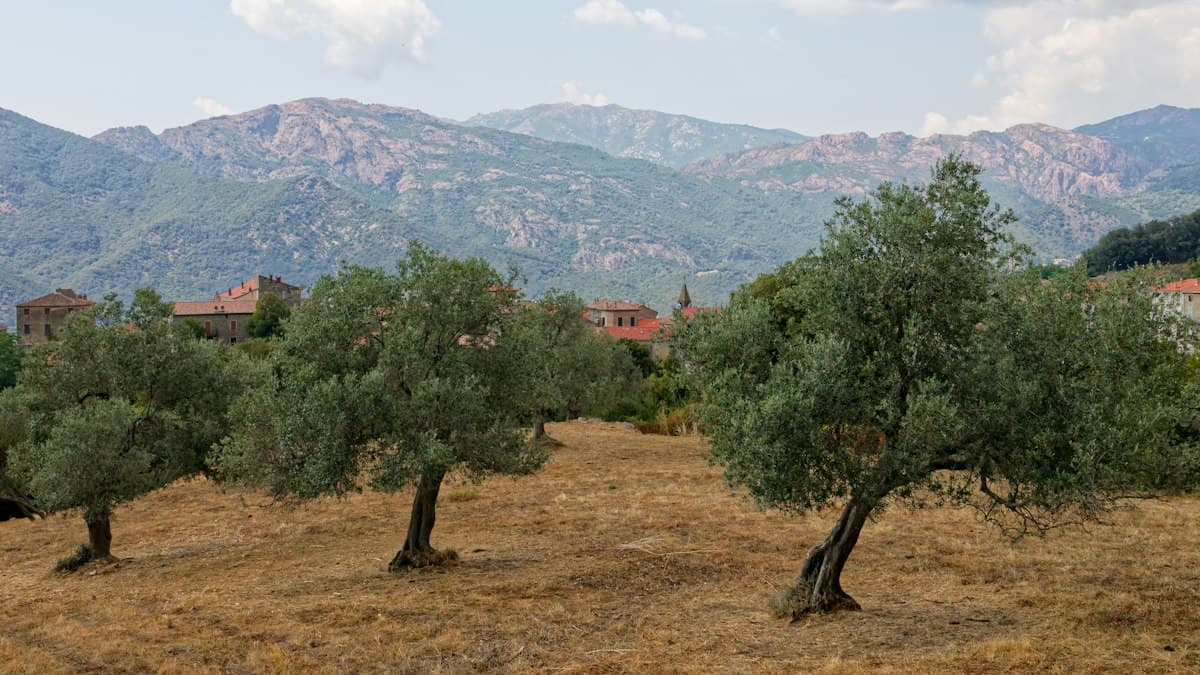
Choosing between Cabernet Sauvignon and Pinot Noir changes everything about a wine; the same logic applies to olive oil. The olive tree (Olea europaea) is thought to encompass more than 1,000 cultivars worldwide, and according to the International Olive Council (IOC), dozens of them are commercially significant. Among those, four names appear most often in the premium extra virgin olive oil market: Spain's Picual and Arbequina, and Italy's Coratina and Moraiolo. Understanding each variety is the most direct route to understanding why serious producers call EVOO "liquid terroir."
Picual — Spain's Benchmark: Intense, Stable, and Built to Last
Picual originates in Andalusia, particularly the province of Jaén. According to IOC data, the variety accounts for roughly 20 percent of global olive oil production — an extraordinary share for a single cultivar — and has been reported to represent more than half of Spain's domestic output.
The cultivar's most defining trait is its polyphenol load. Under early-harvest conditions, levels above 800 mg/kg have been reported. On the palate, Picual is unmistakable: tomato leaf, dried herbs, and black pepper define the aroma, while bitterness and a sharp peppery finish (picante) dominate the back of the mouth. Its high oleic acid content and low saturated fat are associated with strong oxidative stability, making it a relatively resilient choice for higher-heat cooking and extended storage. At the table it performs best alongside assertive ingredients — a sharp green salad, grilled lamb, or a gutsy tomato sauce.
Arbequina — Gentle, Fruity, and Genuinely Versatile
Arbequina takes its name from the Catalan town of Arbeca. Its small, densely growing fruit and compact tree architecture make it exceptionally suited to mechanical harvesting and high-density planting — qualities that have driven its expansion well beyond Spain into Chile, Argentina, and California. According to the UC Davis Olive Center, Arbequina ranks among the leading varieties by planted area in California's intensive groves.
In flavor terms, Arbequina sits at the opposite end of the spectrum from Picual. Apple, almond, and ripe banana come forward immediately; bitterness and pepperiness are mild. Polyphenol content tends to be lower than that of Picual or Coratina — a characteristic of the variety itself rather than a production shortcut. What Arbequina offers instead is a silky, approachable texture that makes it the natural first choice for those new to EVOO, as well as for applications where a lighter touch is called for: poached fish, delicate fresh pasta, vinaigrettes, and as a substitute for neutral oils in mayonnaise.
Coratina — Puglia's Polyphenol Powerhouse
Coratina comes from the area around Corato in the southern Italian region of Puglia. Among enthusiasts it has a reputation as an "extreme" variety — and that framing is not an exaggeration. According to the Italian Ministry of Agricultural, Food and Forestry Policies (MiPAAF) cultivar database, Coratina accounts for a substantial share of olive cultivation in Puglia, where conditions favor its characteristically high-phenol expression.
Under early-harvest, cold-press conditions, polyphenol concentrations above 1,000 mg/kg have been reported, with particularly high levels of oleocanthal and oleacein among the identified phenolic compounds. The aroma combines artichoke, fresh herbs, and green tomato; the finish delivers a wave of bitterness and heat that can be startling on first encounter. At international competition level, single-cultivar Coratina oils appear consistently on the NYIOOC (New York International Olive Oil Competition) award lists, a reflection of the variety's capacity for complexity when carefully handled.
Moraiolo — Tuscany's Traditional Cultivar, Built on Balance
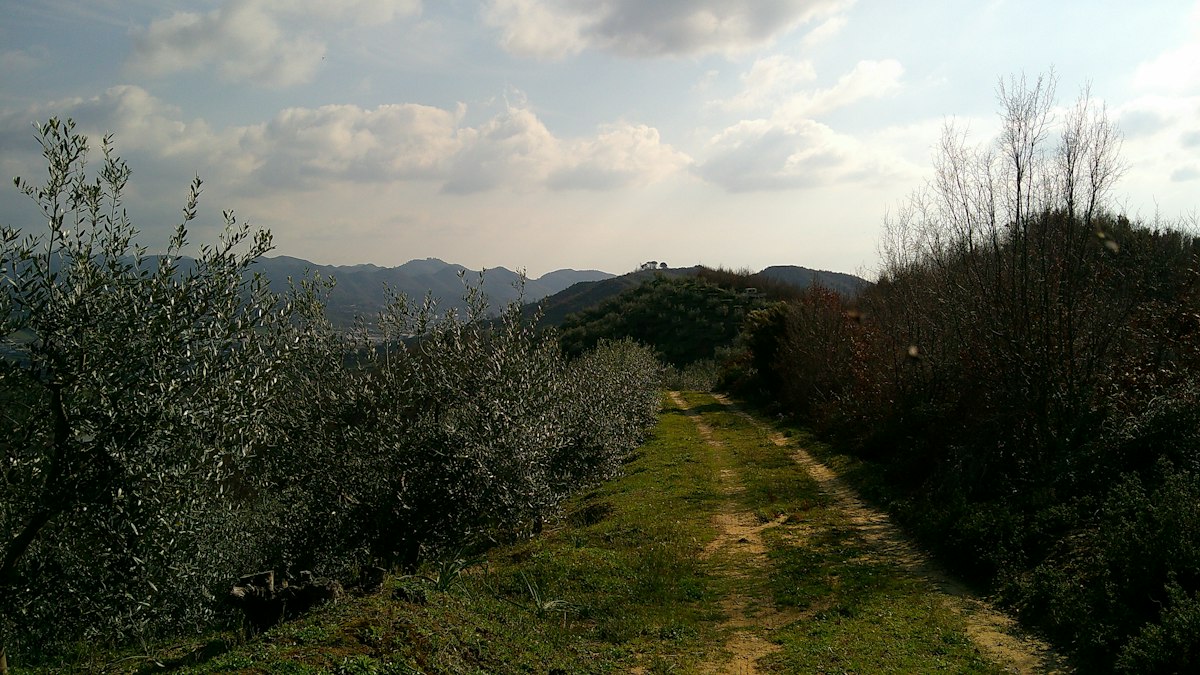
Moraiolo is the signature variety of Tuscany and is also widely cultivated across neighboring Umbria, including the areas around Gubbio and Perugia. Low yields and demanding growing conditions make it a cultivar that artisan producers favor over large-scale commercial operations — a characteristic that shapes both its price and its reputation.
Its flavor profile is best summarized by the word balance. Fresh-cut grass and artichoke open the nose, followed by bitter almond on the mid-palate and a peppery finish that registers clearly without overwhelming the senses the way Coratina can. Polyphenol levels are generally reported to be in the medium-high range. In Italian culinary tradition, Moraiolo has long been the finishing oil of choice for bruschetta and ribollita (the Tuscan bread-and-vegetable soup). According to World Olive Oil Exhibition reporting, Moraiolo appears as a consistent component in Italian IGP (Protected Geographical Indication) olive oil blends.
Knowing the Cultivar Changes How You Read the Shelf
The four varieties map onto a clear decision tree. For maximum oxidative stability and bold, assertive flavor, Picual is the practical choice. For a soft, fruit-forward oil that accommodates delicate ingredients, Arbequina is the easier companion. For the highest documented polyphenol density, Coratina is the cultivar to seek out. For a classically Italian profile that balances complexity with restraint, Moraiolo is the answer.
Monovarietal oils — produced from a single cultivar — express that variety's character most transparently. Blended oils let producers combine each cultivar's strengths to design a composite flavor. Neither approach is inherently superior; what matters is developing the habit of checking the label for a cultivar name and matching what you find to your palate and your cooking. Olive oil is ultimately the product of cultivar, origin, harvest timing, and milling method working together — and cultivar knowledge is the most reliable starting point for navigating all of it.
Frequently asked questions
- What is the difference between Picual and Arbequina olive oil?
- Picual produces an intense, robust oil with high polyphenol levels, strong bitterness, and a peppery finish — well suited to bold dishes and high-heat cooking. Arbequina yields a milder, fruitier oil with notes of apple and almond and lower polyphenol content, making it a gentler entry point for those new to EVOO.
- Which olive oil cultivar has the highest polyphenols?
- Coratina from Puglia, Italy, is among the most polyphenol-dense cultivars available. Under early-harvest, cold-press conditions, polyphenol concentrations above 1,000 mg/kg have been reported, with notable levels of oleocanthal and oleacein.
- What does Moraiolo olive oil taste like?
- Moraiolo is characterized by fresh grass and artichoke aromas, a layer of bitter almond, and a peppery finish that is assertive but less overwhelming than Coratina. Its profile is often described as balanced — complex without being extreme.
- Is Picual olive oil good for cooking?
- Picual's high oleic acid content and low saturated fat contribute to good oxidative stability, making it relatively well suited to higher-heat cooking compared with more delicate cultivars. Its bold flavor also holds up against strong ingredients in dressings and roasted dishes.
- What is a single-cultivar (monovarietal) olive oil?
- A monovarietal olive oil is pressed from one cultivar only, allowing the variety's distinct character — its aroma, bitterness, pepperiness, and polyphenol signature — to come through without blending. Blended oils, by contrast, combine cultivars so the producer can balance or layer flavor profiles.
Related reading
- Six Olive Oil Off-Flavors — and How to Tell Them Apart at Home
From musty and winey-vinegary to metallic and rancid, off-flavors are the clearest signal that an extra virgin olive oil has fallen short of grade. This practical guide explains what causes each defect and how to detect them without professional panel training.
- Set Up a Home Olive Oil Tasting: Lighting, Temperature, Glasses, and Tasting Notes
A professional-level olive oil tasting environment does not require special equipment. This guide walks through the exact setup — lighting, oil temperature, glass selection, and a simple scoresheet — that lets any curious cook build real sensory skills at home.
- Closer to the Source: A Practical Guide to Buying Olive Oil Direct from Producers
From farm-direct shipping and micro-importers to group buys, there are more ways than ever to reach a producer before a supermarket shelf does. This guide walks through each route, what to verify before you buy, and how to set realistic expectations on price and freshness.
- The Countdown Starts When You Break the Seal: An Olive Oil Oxidation Timeline
The moment you open a bottle of extra virgin olive oil, oxygen, light, and heat begin working against it. This guide maps freshness changes at one week, one month, and three months after opening — and lays out the storage habits that slow the decline.
- Organic Certification, Carbon Footprint, Water Use: A Practical Guide to Olive Oil Sustainability Labels
Behind every bottle of olive oil sit three measurable sustainability indicators — organic certification standards, carbon footprint figures, and water consumption data. Knowing how to read them turns a label logo from a marketing symbol into a genuine purchasing signal.
- Mapping the Global Olive Oil Trade: Exporters, Importers, and the Re-Export Layer in Between
Oil pressed in Spain reaches American supermarket shelves in bottles labeled Italy — a journey that reveals the layered re-export structure sitting between producer nations and end consumers. This guide traces that flow using IOC trade data.