Craft
Fat Does the Heavy Lifting: Olive Oil in Gluten-Free Baking
When gluten is removed from a recipe, fat takes on structural work it never had to do before. This guide covers the conversion ratios, cultivar choices, and mixing techniques that make olive oil a reliable butter substitute in gluten-free baking.
Translated from the Korean edition, originally published September 13, 2026 · read the original
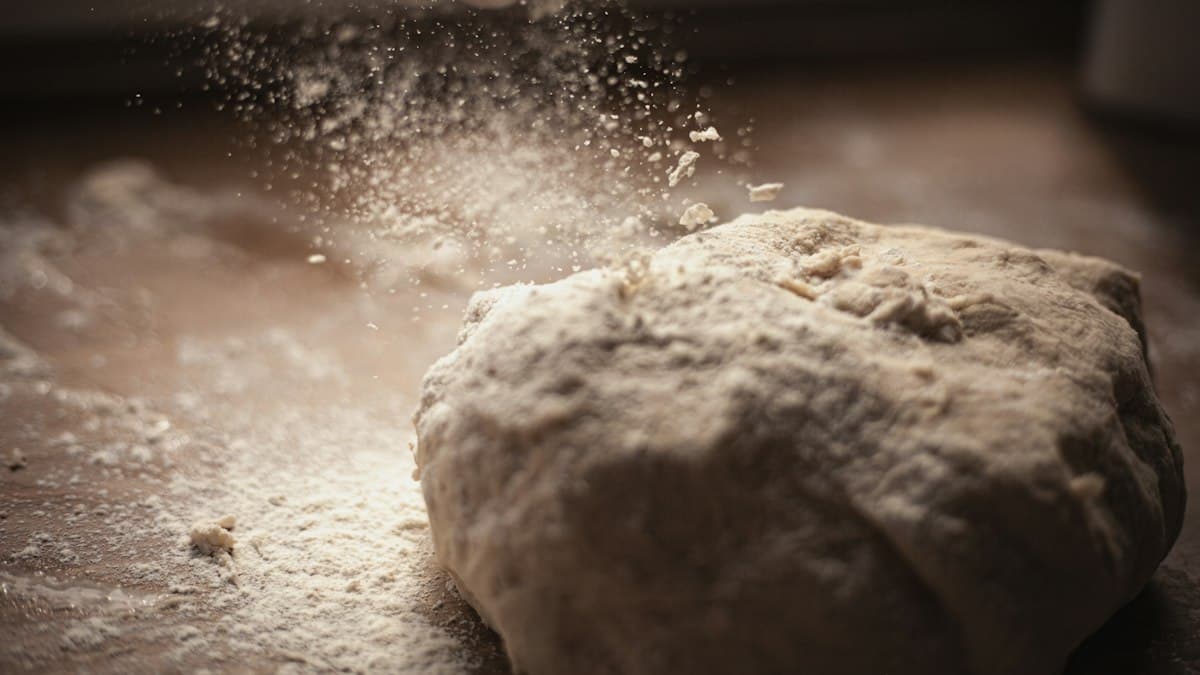
When There Is No Gluten, Fat Has to Work Harder
In a wheat-flour recipe, gluten is the skeleton. Interlocking protein chains trap gas, create the elastic chew you feel when you bite into bread, and hold the structure together through the heat of the oven. Replace that flour with rice flour, tapioca starch, or almond flour, and the structural work gluten used to do falls largely to fat.
In a gluten-free batter, fat performs three jobs at once. It coats starch granules, slowing the rate at which the batter sets; it regulates moisture evaporation during baking, keeping the crumb tender; and it dissolves flavor molecules so that aroma spreads evenly across the palate. According to data from AACC International (the American Association of Cereal Chemists), when fat content in a gluten-free batter drops below roughly 18% of total dry ingredients, both volume and elasticity in the finished product tend to decline.
Olive oil is 100% liquid fat, which means it disperses through a batter uniformly without requiring emulsification. Unlike butter — which contains roughly 16% water — or coconut oil, which is solid at room temperature, olive oil maintains a consistent viscosity regardless of batter temperature. That predictability is a practical advantage in a gluten-free environment where every variable counts.
The Conversion Formula: Replacing Butter and Shortening
The first question when adapting a recipe is straightforward: how many millilitres of olive oil replace 100 g of butter? Because butter is roughly 80% fat and 16–20% water, a straight one-to-one swap leaves the batter short on moisture.
The standard working conversion is 100 g butter → 75–80 ml olive oil. When replacing shortening, which contains almost no water, use 100 g shortening → 85–90 ml olive oil. In both cases, the water that butter would have contributed disappears, so it is advisable to add liquid equal to about 10–15% of the original butter weight elsewhere in the recipe. The exception: if the dominant ingredient is already high in natural fat — almond flour being the clearest example — cut that liquid adjustment to less than half to avoid an excessively oily result.
Adding an extra egg, or a flax egg (1 tablespoon ground flaxseed mixed with 3 tablespoons water, rested until gel-like), simultaneously restores moisture and improves emulsification — both useful in gluten-free baking.
Matching Cultivar to Recipe
The choice of cultivar shapes the flavor of the finished bake as clearly as any other ingredient.
Picual is high in polyphenols, with a pronounced bitter-grassy character. It holds its own alongside strong flavors — dark-chocolate pound cake, herb focaccia — where those assertive notes add complexity rather than clash.
Ojiblanca sits in the mid-intensity range, with bitterness balanced by notes that suggest apple and almond. It is a natural companion to sweeter, fragrant recipes: banana muffins, lemon drizzle cake.
Sibarita is lower in acidity and lighter in aroma, making it the cultivar to reach for when the recipe calls for delicacy — a rice-flour chiffon cake, or madeleines where a subtle oil note is welcome but a bold one would not be.
Four Practical Points for Mixing and Baking
Once ratio and cultivar are decided, four process details determine whether the bake succeeds.
Mixing order. Combine olive oil with the dry ingredients first, coating the starch particles, before adding any liquid. Adding oil last risks surface separation — a film of fat sitting on top of the batter rather than integrated through it.
Avoid overmixing. Gluten-free batters have low viscoelasticity, so excessive stirring damages starch granules and produces a dense, tight crumb. Stop as soon as ingredients are just combined; with a hand mixer, one to two minutes on the lowest speed is sufficient.
Rest the batter. Ten to fifteen minutes at room temperature allows starches to hydrate fully and olive oil to distribute evenly. According to a report published in the European Food Research and Technology journal, oil-based gluten-free batters rested for at least 10 minutes before baking showed up to a 12% reduction in volume variation in the finished product.
Adjust oven temperature. Gluten-free batters lose moisture faster than their wheat-based counterparts. Reducing oven temperature by 5–10°C and extending baking time by 5–8 minutes helps retain internal moisture while achieving an evenly baked surface.
Olive oil is not the right tool for every bake. Recipes that depend on the creaming method — layered butter cakes, puff pastry — rely on solid fat to trap air and create a laminated structure that liquid oil cannot replicate. For those, a 7:3 blend of olive oil and chilled coconut oil, or the addition of psyllium husk as a binder, is a more practical approach. For the broad category where moisture retention is the main challenge — muffins, pound cakes, pizza dough — olive oil frequently produces more consistent results than butter.
Frequently asked questions
- How much olive oil do I use to replace butter in a gluten-free recipe?
- A widely used conversion is 75–80 ml of olive oil for every 100 g of butter. Because butter contains roughly 16–20% water, switching to oil removes that moisture; compensate by adding liquid equal to about 10–15% of the original butter weight. If your recipe is already high in natural fat — almond flour, for example — halve that liquid adjustment to avoid an oily crumb.
- Which olive oil cultivar works best for baking?
- It depends on the recipe. Picual, with its higher polyphenol content and assertive grassy-bitter notes, suits bold bakes like dark-chocolate pound cake or herbed focaccia. Ojiblanca's mid-intensity bitterness and apple-almond fruitiness pair well with banana muffins or lemon cake. Sibarita's low acidity and mild aroma make it the go-to for delicate bakes such as rice-flour chiffon cake or madeleines.
- Why does resting the batter matter in olive oil gluten-free baking?
- A short rest — 10 to 15 minutes at room temperature — gives the starches time to absorb moisture evenly and allows the olive oil to distribute throughout the batter. According to a report in the European Food Research and Technology journal, oil-based gluten-free batters that rested for at least 10 minutes before baking showed up to a 12% reduction in volume variation in the finished product.
Related reading
- Olive Oil Confit: A Complete Guide to Low-Temperature Oil Cooking
Confit — the French technique of slow-cooking ingredients submerged in oil at low heat — finds a natural partner in extra virgin olive oil, which preserves moisture, concentrates flavor, and adds its own grassy depth to garlic, vegetables, and poultry alike.
- Before or After: The Complete Guide to Seasoning with Olive Oil
Coating ingredients with olive oil before cooking and finishing a dish with it afterward are two fundamentally different techniques. This guide covers oil-coating mechanics, marinade sequencing, and the heat chemistry that determines when each approach works best.
- Stop Throwing Away Pasta Water: The Emulsion Science Behind a Perfect Sauce
Starch dissolved in pasta cooking water acts as an emulsifier that binds olive oil into a smooth, clingy sauce. This step-by-step guide covers the chemistry, the correct pan technique, and how your choice of extra virgin olive oil shapes the final result.
- Olive Oil Sprayers: How Your Dispensing Method Affects Oil Quality
Convenience should not come at the cost of the oil itself. A guide to pump misters, hand-pump sprayers, and aerosol cans — and how each one treats your extra virgin olive oil.
- Oiling Your Cutting Board and Wooden Bowls: A Guide to Olive Oil as a Wood Finish
Olive oil has long served as a natural finish for wooden kitchenware, slowing the drying and cracking that shortens a board's life. This guide covers when to apply it, how to do it properly, and which mistakes to avoid.
- Set Up a Home Olive Oil Tasting: Lighting, Temperature, Glasses, and Tasting Notes
A professional-level olive oil tasting environment does not require special equipment. This guide walks through the exact setup — lighting, oil temperature, glass selection, and a simple scoresheet — that lets any curious cook build real sensory skills at home.