Craft
Olive Oil Sprayers: How Your Dispensing Method Affects Oil Quality
Convenience should not come at the cost of the oil itself. A guide to pump misters, hand-pump sprayers, and aerosol cans — and how each one treats your extra virgin olive oil.
Translated from the Korean edition, originally published September 12, 2026 · read the original
Convenience Is Only Worth It If the Oil Stays Intact
The impulse to use exactly the right amount of olive oil — a thin coat on a pan, a light mist over a salad — is entirely reasonable. Spray dispensers seem like the obvious answer. The problem is that once you start shopping for one, the options multiply fast.
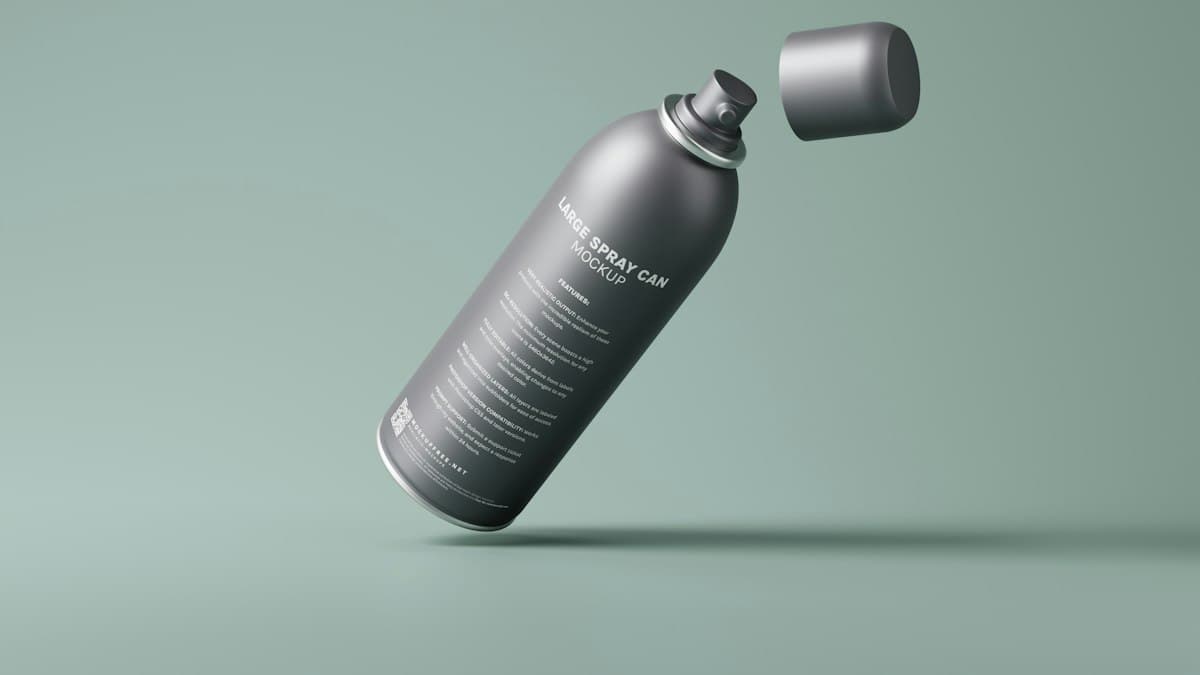
Three main categories compete for shelf space. The air-pump mister builds pressure inside the reservoir by pumping air in before each use, then uses that pressure to push oil out. The hand-pump sprayer mounts a pump head directly over the oil chamber and releases oil only when pressed, with no pre-pressurization step. And the familiar aerosol can uses a compressed propellant to produce a fine, even mist.
All three get oil onto food. What they do to the oil along the way is a different matter. Extra virgin olive oil (EVOO) contains polyphenols and other sensitive bioactive compounds whose concentration — and the oil's flavor — can shift significantly depending on how much it is exposed to oxygen, light, and heat during everyday use.
How Each Spraying Mechanism Affects Oil Quality
Air-pump misters require the user to pump air into the bottle several times before each session, creating the internal pressure that drives the spray. They are simple, easy to clean, and straightforward to refill. The trade-off is structural: every pumping cycle pushes fresh oxygen directly into contact with the oil. Oxygen is the primary driver of lipid oxidation, and IOC technical guidelines state explicitly that extra virgin olive oil deteriorates measurably faster when exposed to oxygen, light, and high temperatures in combination. Anyone using an air-pump mister should keep fills small — 100–150 ml at most — and aim to finish each fill within two to three weeks.
Hand-pump sprayers attach a pump mechanism to the top of the oil chamber and discharge oil only on the downstroke, without forcing outside air back in. When the design genuinely prevents air from refluxing into the reservoir, oxidation risk is lower than with an air-pump mister. The drawbacks are practical: the spray droplets tend to be coarser, producing a less even coating, and nozzle clogging is more frequent — particularly with high-viscosity oils or in cool kitchens where the oil thickens.
Aerosol cans deliver the finest, most consistent mist and require no technique at all. The propellant is typically propane or butane, and the European Food Safety Authority (EFSA) has reported that these gases are approved food-grade additives. However, many aerosol olive oil products also contain lecithin, antifoaming agents, or other processing aids. Consumers who want nothing but olive oil should read the ingredient list before buying.

Material and Capacity — the Criteria That Are Easy to Overlook
The container material matters as much as the mechanism. Spray bottles on the market fall into three broad categories: glass, stainless steel, and plastic.
Glass is chemically inert, so it poses the least risk of altering the oil's taste or aroma. The catch is light transmission: clear glass on a kitchen counter is essentially a solar accelerator for oxidation. Dark-tinted or opaque glass is non-negotiable if you go this route.
Stainless steel blocks light completely and is highly durable. Its limitation is cleaning — residual oil can linger inside the tube and pump assembly, so periodic disassembly and thorough washing are necessary to prevent rancid buildup affecting the fresh oil.
Plastic is lightweight and inexpensive, but research published in food-packaging journals has reported that certain plastics can adsorb the polyphenol-related aromatic compounds that give high-quality EVOO its character. Plastic-derived odors migrating into the oil over prolonged use have also been intermittently reported. For everyday cooking oils the difference may be negligible; for a premium single-cultivar EVOO, it is worth considering.
Capacity is simpler to resolve. The IOC's consumer storage guidelines recommend finishing opened olive oil within four to six weeks. Inside a spray bottle — where each use introduces at least some oxygen — the window is shorter. A 100–200 ml capacity is realistic for most households. The most effective system is to keep the main bottle sealed in a cool, dark location and decant small amounts into the sprayer as needed.

Using EVOO in a Spray Bottle: What to Know First
High-polyphenol EVOOs often have a higher viscosity than refined oils, and most will begin to solidify below 10–15°C. Refrigerated EVOO poured straight into a spray bottle can clog the nozzle immediately. Allowing the oil to sit at room temperature for 15–20 minutes before filling the sprayer — or before using it — restores enough flow to prevent blockages.
Smoke point is the other variable to keep in mind. According to the International Food Information Council (IFIC), unrefined extra virgin olive oil has a smoke point of approximately 160–190°C, compared with roughly 200–220°C for refined olive oil. A sprayed film is extremely thin and heats almost instantaneously in a hot pan, which means high-heat cooking above 180°C pushes EVOO close to or past its limit. EVOO sprayers are better matched to medium-heat sautéing, coating a pan before eggs or fish, and finishing — drizzling over a finished dish or a salad — than to hard searing.
Keeping the Sprayer Clean Enough to Protect the Oil
No matter how good the oil is, a poorly maintained sprayer will eventually contaminate it. Old oil oxidizing inside the nozzle and pump tube creates rancid residue that transfers to every subsequent fill. A reasonable maintenance rhythm is to disassemble the nozzle and dip tube at least every two weeks, rinse with warm water and a small amount of neutral dish soap, and allow everything to dry completely before refilling. Even a trace of water left inside can promote spoilage.
Location matters too. Keeping a spray bottle beside the stove or on a sunlit counter simultaneously exposes the oil to heat and light — the worst combination, according to IOC guidelines. A cool, dark pantry shelf or a closed cabinet is the right home for it.
The Principle Behind Every Good Sprayer Choice
According to a report by Grand View Research, the cooking-oil spray category has grown at an average annual rate above 5% in recent years, driven by demand for lower-calorie, convenient cooking. That growth means more products and more variation in quality — which puts the judgment call back on the buyer.
For anyone filling a sprayer with pure EVOO, the most protective combination is a dark glass or stainless steel container, a hand-pump mechanism that does not force air into the reservoir, a capacity of 150 ml or less, and a usage cycle of two to three weeks. An air-pump mister is more convenient but requires disciplined portion control and fast turnover to limit oxygen exposure. An aerosol can demands a close read of the ingredient list if pure olive oil is the goal.
Knowing how to pick a good bottle of EVOO is only half the skill. Knowing how to store and dispense it without undoing what the producer worked to create is the other half.
Frequently asked questions
- Does using a spray bottle damage extra virgin olive oil?
- It depends on the mechanism. Air-pump misters push oxygen directly into the reservoir each time you pressurize them, which accelerates oxidation. According to IOC technical guidelines, oxygen is one of the three main factors — alongside light and heat — that speed up rancidity in extra virgin olive oil. Hand-pump sprayers with a sealed design reduce that oxygen contact, making them a lower-risk option for EVOO.
- What is the best material for an olive oil spray bottle — glass, stainless steel, or plastic?
- Dark or opaque glass and stainless steel are generally preferable. Glass is non-reactive, so it poses the least risk of altering taste or aroma, but it must be tinted or opaque to block light. Stainless steel blocks light completely and is durable, though it requires thorough disassembly cleaning. Research published in food-packaging journals has reported that some plastics can adsorb the polyphenol-related aromatic compounds in olive oil, and plastic odors have intermittently been noted to migrate into the oil over prolonged use.
- How long can I keep olive oil in a spray bottle?
- Consumer storage guidelines from the International Olive Council (IOC) recommend using opened olive oil within four to six weeks. For spray bottles, where repeated pressurization or pumping introduces oxygen, finishing a fill of 100–150 ml within two to three weeks is a more cautious target. Keeping a larger sealed bottle in a cool, dark place and decanting small amounts into the sprayer as needed is the most practical approach.
- Can I use an EVOO spray bottle for high-heat cooking?
- With caution. According to the International Food Information Council (IFIC), unrefined extra virgin olive oil has a smoke point of roughly 160–190°C, lower than refined olive oil at approximately 200–220°C. A thin misted film heats almost instantly in a hot pan, so EVOO sprayers are better suited to medium-heat sautéing, pan coating, and finishing drizzles than to high-heat searing above 180°C.
- Are aerosol olive oil sprays pure olive oil?
- Not always. Aerosol cans use propellant gases — typically propane or butane — to atomize the oil, and many products also include additives such as lecithin or antifoaming agents. The European Food Safety Authority (EFSA) has reported that these propellants are approved food-grade additives, but consumers who want pure olive oil and nothing else should check the ingredient list carefully before buying.
Related reading
- Olive Oil Confit: A Complete Guide to Low-Temperature Oil Cooking
Confit — the French technique of slow-cooking ingredients submerged in oil at low heat — finds a natural partner in extra virgin olive oil, which preserves moisture, concentrates flavor, and adds its own grassy depth to garlic, vegetables, and poultry alike.
- The Countdown Starts When You Break the Seal: An Olive Oil Oxidation Timeline
The moment you open a bottle of extra virgin olive oil, oxygen, light, and heat begin working against it. This guide maps freshness changes at one week, one month, and three months after opening — and lays out the storage habits that slow the decline.
- The Right Container Makes or Breaks a Bulk Olive Oil Purchase
Decanting a large tin or bottle of extra virgin olive oil into a smaller vessel sounds simple — but the container you choose determines how much of that quality actually survives. A practical guide to material, light-blocking, and seal performance.
- Before or After: The Complete Guide to Seasoning with Olive Oil
Coating ingredients with olive oil before cooking and finishing a dish with it afterward are two fundamentally different techniques. This guide covers oil-coating mechanics, marinade sequencing, and the heat chemistry that determines when each approach works best.
- Stop Throwing Away Pasta Water: The Emulsion Science Behind a Perfect Sauce
Starch dissolved in pasta cooking water acts as an emulsifier that binds olive oil into a smooth, clingy sauce. This step-by-step guide covers the chemistry, the correct pan technique, and how your choice of extra virgin olive oil shapes the final result.
- Set Up a Home Olive Oil Tasting: Lighting, Temperature, Glasses, and Tasting Notes
A professional-level olive oil tasting environment does not require special equipment. This guide walks through the exact setup — lighting, oil temperature, glass selection, and a simple scoresheet — that lets any curious cook build real sensory skills at home.