Craft
Olive Oil Confit: A Complete Guide to Low-Temperature Oil Cooking
Confit — the French technique of slow-cooking ingredients submerged in oil at low heat — finds a natural partner in extra virgin olive oil, which preserves moisture, concentrates flavor, and adds its own grassy depth to garlic, vegetables, and poultry alike.
Translated from the Korean edition, originally published October 3, 2026 · read the original
What Confit Actually Is
Confit — from the French confire, meaning "to preserve" — is a technique in which ingredients are fully submerged in fat and cooked slowly at low heat. Originally, the method was used to preserve duck or goose in their own rendered fat. Today it has expanded well beyond the farmhouse pantry: olive oil serves as the cooking medium, and the candidates range from garlic and tomatoes to carrots, fish, and chicken.
What separates oil confit from sautéing or frying is temperature control. Sautéing works above 180°C, driving rapid Maillard browning in a short window. Confit stays between 80–120°C, transferring heat gently and evenly into the ingredient's interior. Cell structures soften progressively, and water-soluble aromatic compounds dissolve into the surrounding oil, creating a flavor depth that high-heat cooking cannot replicate.
Extra virgin olive oil is a particularly well-suited confit medium. Its predominantly monounsaturated fat profile oxidizes slowly within the low-temperature cooking range, and its own grassy, faintly bitter notes weave into the ingredient as it cooks. According to International Olive Council (IOC) data, the smoke point of extra virgin olive oil is generally reported at 160–190°C depending on cultivar and acidity level — well above the 80–120°C confit window — meaning quality is not compromised by the process.
Essential Setup: Equipment and Oil Selection
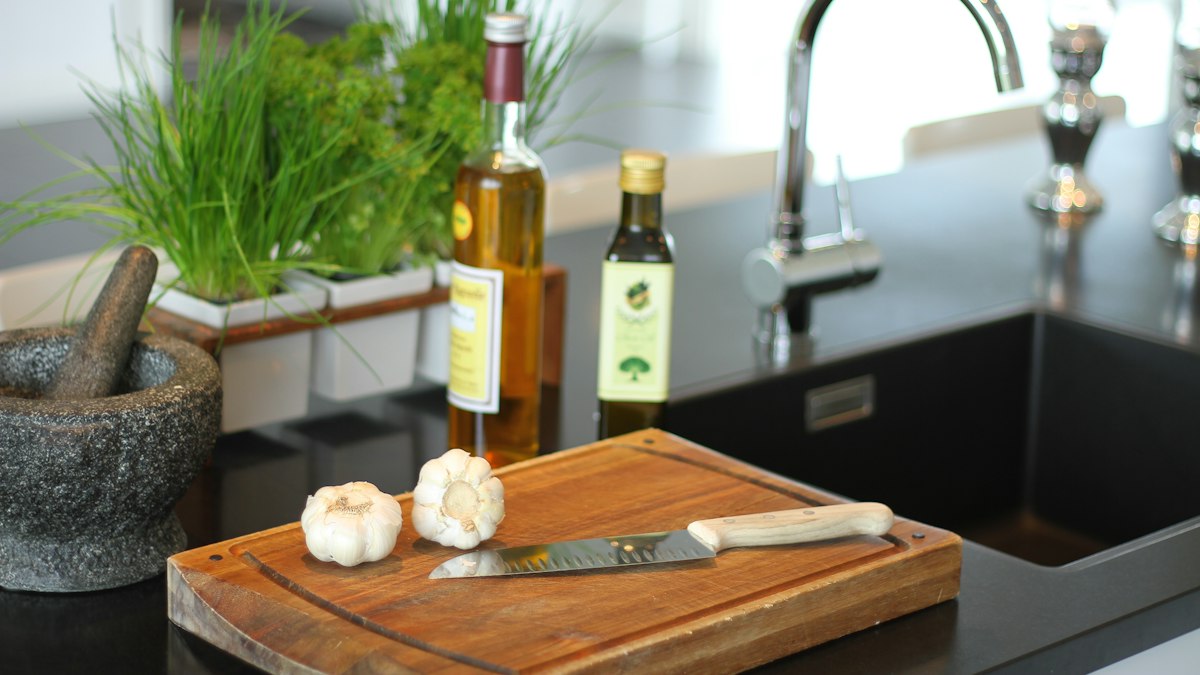
The equipment list is short. You need an oven-safe vessel deep enough to fully submerge your ingredient — a small Dutch oven or a glass baking dish both work — a cooking thermometer (instant-read or oven probe), and enough olive oil to cover.
Choosing the right olive oil
Extra virgin olive oil (EVOO) is the recommended choice for confit. Lower acidity and higher polyphenol content both help the oil hold its character after prolonged gentle heat. That said, the sharper, more volatile grassy notes of a fresh EVOO do soften during cooking, so it is not necessary to use a top-tier single-estate bottle in large quantities. A dependable EVOO with acidity at or below 0.5% is more than adequate.
Full submersion is non-negotiable. Any exposed surface will receive uneven heat and is prone to oxidation, so adjust the quantity of your ingredient to the size of your vessel — not the other way around.
Temperature guide by ingredient
Garlic and most vegetables: 80–90°C for 45–90 minutes. Poultry (chicken or duck legs): 95–110°C for 2–3 hours. Fish: 60–70°C for 30–45 minutes. When using an oven, check the oil temperature directly with a thermometer — the dial setting and the actual oil temperature frequently diverge.
Garlic Confit: The Best First Project
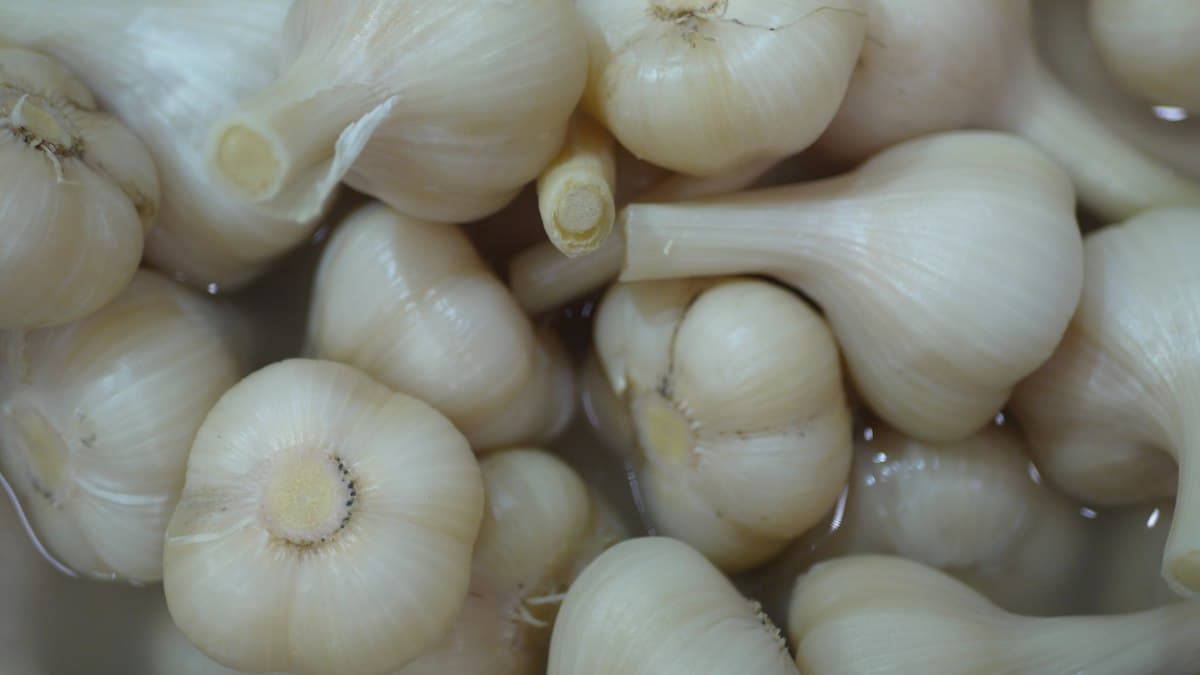
For anyone new to oil confit, garlic is the place to start. The ingredient list is minimal, the margin for error is wide, and the finished product — both the cloves and the infused oil — earns its place across a broad range of dishes.
Ingredients (small batch)
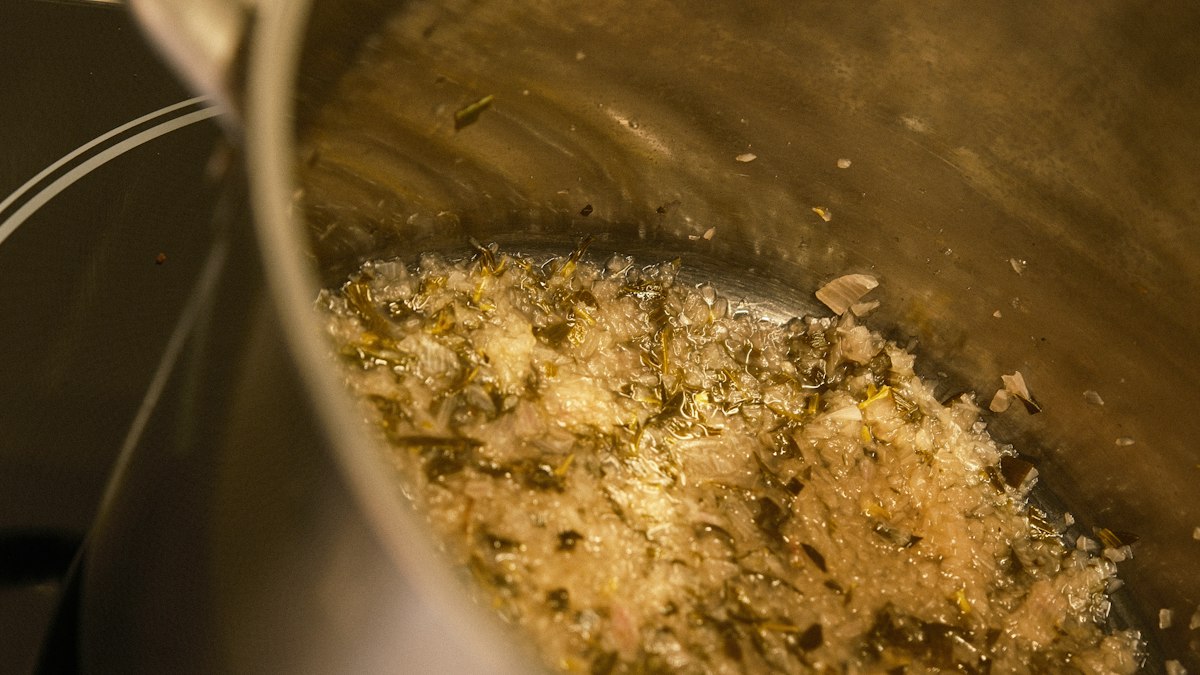
Peel one full head of garlic (roughly 10–12 cloves). Add 2–3 sprigs of thyme and one sprig of rosemary. Place the cloves in a small oven-safe dish, pour over enough olive oil to fully submerge them (approximately 200–250 ml), scatter the herbs on top, and slide the uncovered dish into an oven preheated to 90°C. Cook for 60–75 minutes.
The finished cloves will be butter-soft, spreadable on bread, ready to melt into pasta sauces, or stirred into soups and dressings. The garlic-scented oil left behind is an excellent finishing oil for salads and roasted vegetables. Transfer everything to a sealed jar and refrigerate; consume within two weeks.
Vegetable Confit: Cherry Tomatoes and Peppers
Cherry tomato confit is the most immediate demonstration of what low-temperature oil cooking does to vegetables. At 100–120°C in an oven, submerged in olive oil for 90 minutes to 2 hours, the tomatoes slowly release their moisture and their sweetness and umami concentrate visibly in the process.
The method is straightforward. Halve the cherry tomatoes and arrange them cut-side up in a baking dish. Add 3–4 lightly crushed garlic cloves, thyme, and oregano, season lightly with salt, then pour olive oil to roughly half the height of the tomatoes. Complete submersion is not required here — the tomatoes' own juices release during cooking and combine with the oil to form a mixed cooking medium.
Once done, the tomatoes work as a sauce base for pasta or risotto, or they can go straight to the table spooned over burrata or ricotta. Adding sliced sweet peppers to the dish deepens the color and rounds the sweetness further.
Poultry Confit: Chicken Legs in Practice
Poultry is where the full argument for low-temperature oil cooking becomes undeniable. To get the most from chicken legs (drumstick and thigh together), dry-brine them the day before: rub with salt, a little sugar, and your choice of herbs, then refrigerate uncovered overnight. This reduces moisture loss during cooking and seasons the meat evenly throughout.
On the day of cooking, pat the legs lightly dry, place them in a deep pot, and pour over enough olive oil to submerge them. Add whole garlic cloves, bay leaves, and a few black peppercorns. Cook in a 100–110°C oven for 2 hours 30 minutes to 3 hours. According to food safety data published by the U.S. Food and Drug Administration (FDA), poultry is considered safe from pathogenic microorganisms once the internal temperature reaches 74°C — check the thickest part of the meat with a thermometer before removing from the oven.
Allow the legs to cool in the oil, then refrigerate still submerged. When ready to serve, sear the skin side in a hot dry pan for 1–2 minutes until crisp — that brief contact with high heat creates a textural contrast against the yielding, oil-poached interior.
Storage and Second Use: Getting the Most from Confit Oil
The oil left after confit carries the concentrated aroma of everything cooked in it, and discarding it is a waste. Transfer it to a sealed glass jar and refrigerate. Oil from meat confit contains meat juices and should be used within one week. Oil from garlic or vegetable confit will keep for up to two weeks.
The uses are broad. Vegetable confit oil works as a salad dressing base; garlic confit oil is excellent for bread dipping or as the starting fat for a sauté. One safety point deserves clear emphasis: the USDA's food safety guidance explicitly states that oil mixtures containing garlic must be kept refrigerated at all times and consumed within one week, because the anaerobic environment created by submerging garlic in oil can support the production of botulinum toxin.
Confit requires no specialist equipment, but consistent temperature management and food safety discipline are what make the difference between a reliable technique and a risky one. Low-temperature oil cooking with extra virgin olive oil is among the most considered approaches to handling ingredients in a domestic kitchen — and once it enters a cooking routine, it tends to stay.
Frequently asked questions
- What temperature should olive oil be for confit?
- It depends on the ingredient. Garlic and vegetables are typically cooked at 80–90°C for 45–90 minutes, poultry at 95–110°C for 2–3 hours, and fish at a gentler 60–70°C for 30–45 minutes. Always verify the oil temperature directly with a cooking thermometer, since oven settings and actual oil temperature can differ.
- Can you use extra virgin olive oil for confit?
- Yes, and it is the preferred choice. According to International Olive Council (IOC) data, extra virgin olive oil's smoke point is generally reported in the 160–190°C range depending on cultivar and acidity, well above the 80–120°C window used for confit. A reliable EVOO with acidity below 0.5% will hold its character through low-temperature cooking without quality loss.
- How long does confit oil last in the fridge?
- Oil used for meat confit contains meat juices and should be used within one week. Oil from garlic or vegetable confit can keep for up to two weeks in a sealed glass jar in the refrigerator. The USDA advises that any oil mixture containing garlic must be refrigerated and consumed within one week to avoid the risk of botulinum toxin formation in the anaerobic environment.
- What is the difference between confit and frying?
- The key difference is temperature. Frying and sautéing operate above 180°C to trigger rapid Maillard browning, whereas confit holds at 80–120°C. At those lower temperatures, heat penetrates slowly to the interior, cell structures soften gradually, and water-soluble aromatic compounds migrate into the oil — building a quieter, deeper flavor rather than a browned crust.
- Is garlic confit safe to store in olive oil?
- Garlic stored in oil creates an anaerobic environment that can support botulinum toxin production. The USDA's food safety guidance specifically recommends keeping garlic-in-oil mixtures refrigerated at all times and consuming them within one week. Never store garlic confit at room temperature.
Related reading
- Before or After: The Complete Guide to Seasoning with Olive Oil
Coating ingredients with olive oil before cooking and finishing a dish with it afterward are two fundamentally different techniques. This guide covers oil-coating mechanics, marinade sequencing, and the heat chemistry that determines when each approach works best.
- Stop Throwing Away Pasta Water: The Emulsion Science Behind a Perfect Sauce
Starch dissolved in pasta cooking water acts as an emulsifier that binds olive oil into a smooth, clingy sauce. This step-by-step guide covers the chemistry, the correct pan technique, and how your choice of extra virgin olive oil shapes the final result.
- Fat Does the Heavy Lifting: Olive Oil in Gluten-Free Baking
When gluten is removed from a recipe, fat takes on structural work it never had to do before. This guide covers the conversion ratios, cultivar choices, and mixing techniques that make olive oil a reliable butter substitute in gluten-free baking.
- Olive Oil Sprayers: How Your Dispensing Method Affects Oil Quality
Convenience should not come at the cost of the oil itself. A guide to pump misters, hand-pump sprayers, and aerosol cans — and how each one treats your extra virgin olive oil.
- Closer to the Source: A Practical Guide to Buying Olive Oil Direct from Producers
From farm-direct shipping and micro-importers to group buys, there are more ways than ever to reach a producer before a supermarket shelf does. This guide walks through each route, what to verify before you buy, and how to set realistic expectations on price and freshness.
- Set Up a Home Olive Oil Tasting: Lighting, Temperature, Glasses, and Tasting Notes
A professional-level olive oil tasting environment does not require special equipment. This guide walks through the exact setup — lighting, oil temperature, glass selection, and a simple scoresheet — that lets any curious cook build real sensory skills at home.