Craft
Before or After: The Complete Guide to Seasoning with Olive Oil
Coating ingredients with olive oil before cooking and finishing a dish with it afterward are two fundamentally different techniques. This guide covers oil-coating mechanics, marinade sequencing, and the heat chemistry that determines when each approach works best.
Translated from the Korean edition, originally published September 13, 2026 · read the original
Why the Timing of Your Oil Matters
Most cooks either heat olive oil in a pan before adding ingredients or drizzle it over a finished dish. A third approach — coating the raw ingredient in oil before any heat is applied — does something different from either. The oil forms a thin film over the ingredient's surface, moderating how quickly moisture escapes and changing the pathways by which acids and aromatic compounds penetrate the food.
As Harold McGee explains in On Food and Cooking, a frequently cited reference in food science, fat simultaneously suppresses the migration of water-soluble aroma compounds and captures fat-soluble aromatic molecules, concentrating them. The practical consequence is that when you add olive oil — and when you don't — shapes both the direction and the intensity of flavor in the finished dish.
Pre-Cook Coating: Four Things It Changes
A moisture barrier. Rubbing olive oil onto vegetables or meat fills surface pores with fat. During high-heat cooking, moisture escapes more slowly, which tends to keep the interior juicier. The effect is most pronounced with dry-heat methods such as grilling and oven roasting.
More even browning. A uniform oil film means heat is distributed more evenly across the surface, so the Maillard reaction — the browning responsible for roasted flavor — proceeds without hot spots. The Institute of Food Technologists (IFT) has reported that fat-coated surfaces show more uniform heat distribution during dry cooking than uncoated ones.
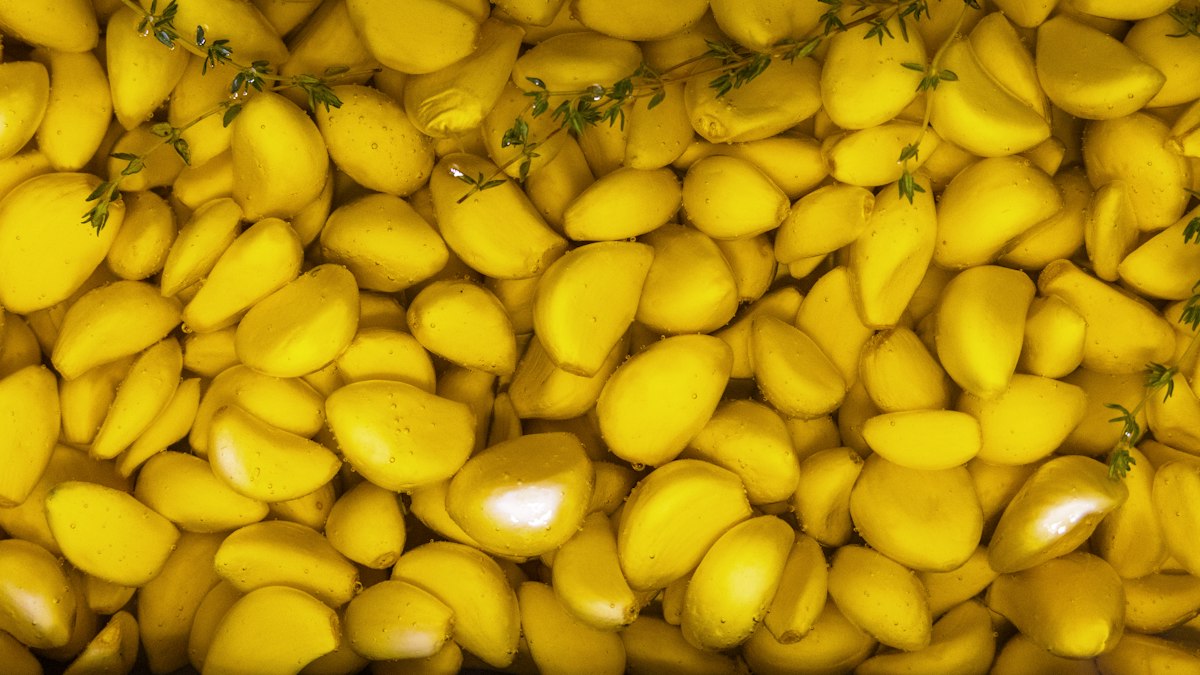
Better spice adhesion. Garlic, dried herbs, and chili flakes all contain fat-soluble aromatic compounds. Mixed with olive oil and applied to an ingredient before cooking, those compounds stay at the surface longer as heat builds. Cooks have long observed empirically that the aromatic persistence differs noticeably from a dry rub applied without oil.
Control over salt penetration. Oiling a surface before salting causes the salt to dissolve more slowly, which moderates osmotic moisture loss. Salting first and then applying oil lets osmosis begin before the oil seals the surface. Neither sequence is wrong — they are tools for different intentions.
The Finishing Drizzle: Why Raw EVOO Tastes Different
Extra virgin olive oil is rich in polyphenols and volatile aromatic compounds that are sensitive to prolonged heat. According to data published by Spain's National Research Council (CSIC), heating extra virgin olive oil above 180 °C for extended periods is associated with measurable reductions in phenolic compounds, including oleocanthal. If the goal is to preserve the grassy, bitter, and peppery notes that define a quality EVOO, adding it after cooking — not during — is the more straightforward approach.
This is the culinary logic behind the Mediterranean tradition of finishing pasta, risotto, soup, and bruschetta with a final drizzle of unheated oil. Oil that has not been cooked carries the cultivar's native aromas — fresh grass, green almond, ripe fruit — directly to the palate.
A Timing Guide by Ingredient
Meat and poultry. Coat the entire surface generously with olive oil at least 30 minutes before cooking, then apply herbs and spices. The longer the rest, the more time fat-soluble aromatics have to penetrate the surface tissue. A finishing drizzle of high-quality EVOO after cooking adds a second flavor layer on top of what the heat has already built.
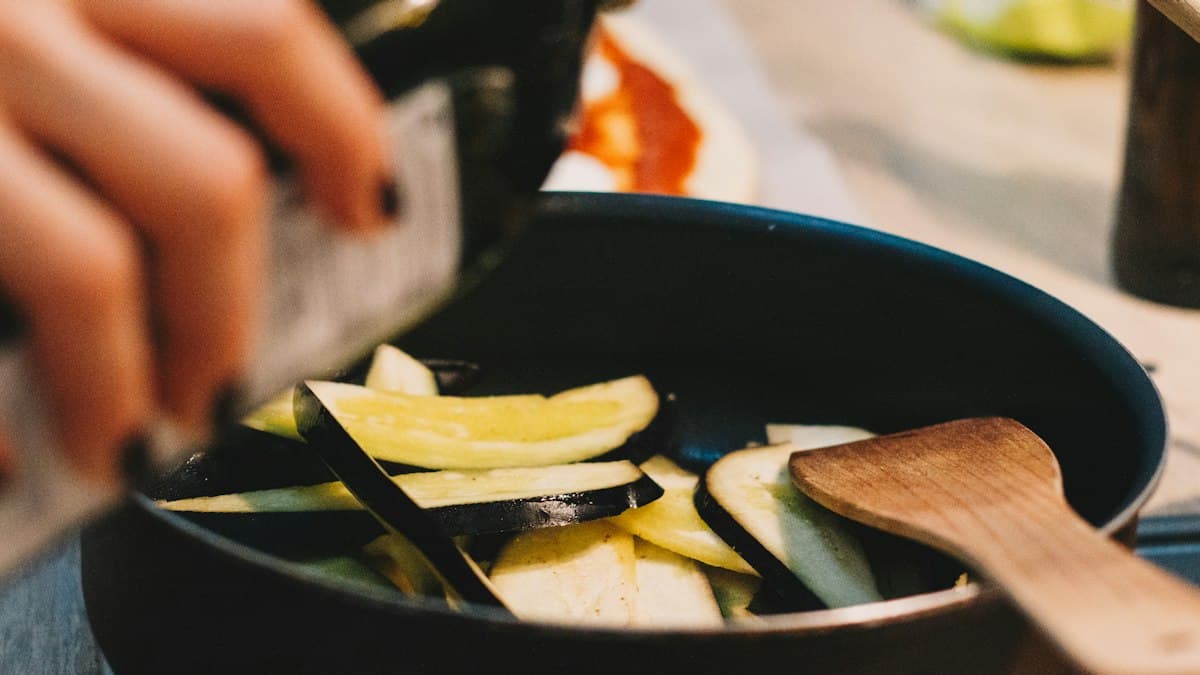
Vegetables. High-moisture vegetables — broccoli, zucchini, bell pepper — are best tossed with oil immediately before cooking. Coating them too far in advance risks drawing out moisture through osmosis, softening their texture. Eggplant and mushrooms, which absorb oil rapidly, need only a brief pre-cook toss.
Fish and seafood. A light coating of oil applied just before cooking reduces sticking and helps delicate white-fleshed fish release cleanly from the pan. If the recipe includes an acid such as lemon juice or wine vinegar, add it after the oil coating; this slows the denaturation of surface proteins and prevents the fish from beginning to "cook" before it reaches the heat.
Raw salad greens. Rather than tossing dressed salad all at once, try coating the leaves with oil first and adding acid afterward. The oil film slows direct contact between the vinegar or lemon juice and the leaf surface, reducing wilting and keeping texture crisper for longer.
How to Build a Marinade: The Practical Sequence
A well-constructed marinade follows a layering order: fat → aromatics → acid → salt. Oil goes in first so that fat-soluble compounds in the herbs and spices have time to dissolve into it before anything else is added. Acid is the last ingredient in, because it begins denaturing protein immediately and should not have longer contact time than necessary.
Marinating time depends on thickness. A chicken breast under 2 cm thick is generally best after 30 minutes to 2 hours in the refrigerator; a thick beef steak is commonly recommended for 4 to 8 hours. Over-acidifying — too much lemon juice or wine vinegar, left too long — produces a crumbly, mealy surface rather than a tender one. Adjusting both the quantity of acid and the marinating time together is the key variable to control.
Oil quality matters here too. An extra virgin olive oil with low acidity and high polyphenol content contributes more perceptible flavor at the marinade stage than a neutral refined oil. One approach worth trying: use a single-cultivar EVOO with a distinct character for the pre-cook marinade, and choose a different oil — softer or more intense, depending on the dish — for the finishing drizzle. The two applications can carry entirely different flavor notes.
Understanding the Oil's Role Changes How You Cook
Olive oil functions simultaneously as a cooking medium, a seasoning agent, and a carrier of flavor. The same bottle does different things depending on when it enters the process. Pre-cooking application creates a protective film and locks aromatics in place; a finishing drizzle delivers raw, unaltered flavor directly. Using both approaches deliberately — rather than defaulting to one habit — gives everyday cooking a clearer sense of direction and a more intentional result.
Frequently asked questions
- Does it matter whether you add olive oil before or after cooking?
- Yes — the timing changes what the oil actually does. Applied before cooking, olive oil forms a protective coating that slows moisture loss and helps fat-soluble aromatics bind to the surface. Added after cooking, extra virgin olive oil delivers its raw aroma, bitterness, and peppery finish largely intact, because the heat-sensitive compounds haven't been driven off.
- Does cooking olive oil destroy its polyphenols?
- Prolonged heating above 180 °C is associated with measurable reductions in phenolic compounds including oleocanthal, according to data published by Spain's National Research Council (CSIC). For short, moderate-heat cooking the losses are smaller, but if you want the full polyphenol profile of a quality EVOO, finishing — not frying — is the more reliable approach.
- What is the correct order of ingredients when making an olive oil marinade?
- A standard sequence is fat first, then aromatics, then acid, then salt. Starting with olive oil gives fat-soluble compounds in herbs and spices time to dissolve into the oil. Acid goes in last to avoid over-denaturing protein structure before the food even reaches heat.
- How long should you marinate meat in olive oil?
- Chicken breast under 2 cm thick generally benefits from 30 minutes to 2 hours in the refrigerator. A thick beef steak is commonly recommended for 4 to 8 hours. If the marinade contains lemon juice or wine vinegar, watch the total acid exposure time: too long and the surface texture can turn mealy rather than tender.
- Should you coat vegetables in olive oil before or after roasting?
- For high-moisture vegetables such as broccoli, zucchini, and bell pepper, toss with oil immediately before roasting — coating them too early can draw out moisture through osmosis and soften their texture. Eggplant and mushrooms, which absorb oil quickly, need only a brief pre-cook coating. In both cases, a finishing drizzle of quality EVOO after roasting adds a separate layer of raw aroma.
Related reading
- Olive Oil Confit: A Complete Guide to Low-Temperature Oil Cooking
Confit — the French technique of slow-cooking ingredients submerged in oil at low heat — finds a natural partner in extra virgin olive oil, which preserves moisture, concentrates flavor, and adds its own grassy depth to garlic, vegetables, and poultry alike.
- Stop Throwing Away Pasta Water: The Emulsion Science Behind a Perfect Sauce
Starch dissolved in pasta cooking water acts as an emulsifier that binds olive oil into a smooth, clingy sauce. This step-by-step guide covers the chemistry, the correct pan technique, and how your choice of extra virgin olive oil shapes the final result.
- Fat Does the Heavy Lifting: Olive Oil in Gluten-Free Baking
When gluten is removed from a recipe, fat takes on structural work it never had to do before. This guide covers the conversion ratios, cultivar choices, and mixing techniques that make olive oil a reliable butter substitute in gluten-free baking.
- Olive Oil Sprayers: How Your Dispensing Method Affects Oil Quality
Convenience should not come at the cost of the oil itself. A guide to pump misters, hand-pump sprayers, and aerosol cans — and how each one treats your extra virgin olive oil.
- Set Up a Home Olive Oil Tasting: Lighting, Temperature, Glasses, and Tasting Notes
A professional-level olive oil tasting environment does not require special equipment. This guide walks through the exact setup — lighting, oil temperature, glass selection, and a simple scoresheet — that lets any curious cook build real sensory skills at home.
- Oiling Your Cutting Board and Wooden Bowls: A Guide to Olive Oil as a Wood Finish
Olive oil has long served as a natural finish for wooden kitchenware, slowing the drying and cracking that shortens a board's life. This guide covers when to apply it, how to do it properly, and which mistakes to avoid.