Craft
The Countdown Starts When You Break the Seal: An Olive Oil Oxidation Timeline
The moment you open a bottle of extra virgin olive oil, oxygen, light, and heat begin working against it. This guide maps freshness changes at one week, one month, and three months after opening — and lays out the storage habits that slow the decline.
Translated from the Korean edition, originally published September 24, 2026 · read the original
The Seal Breaks, the Clock Starts
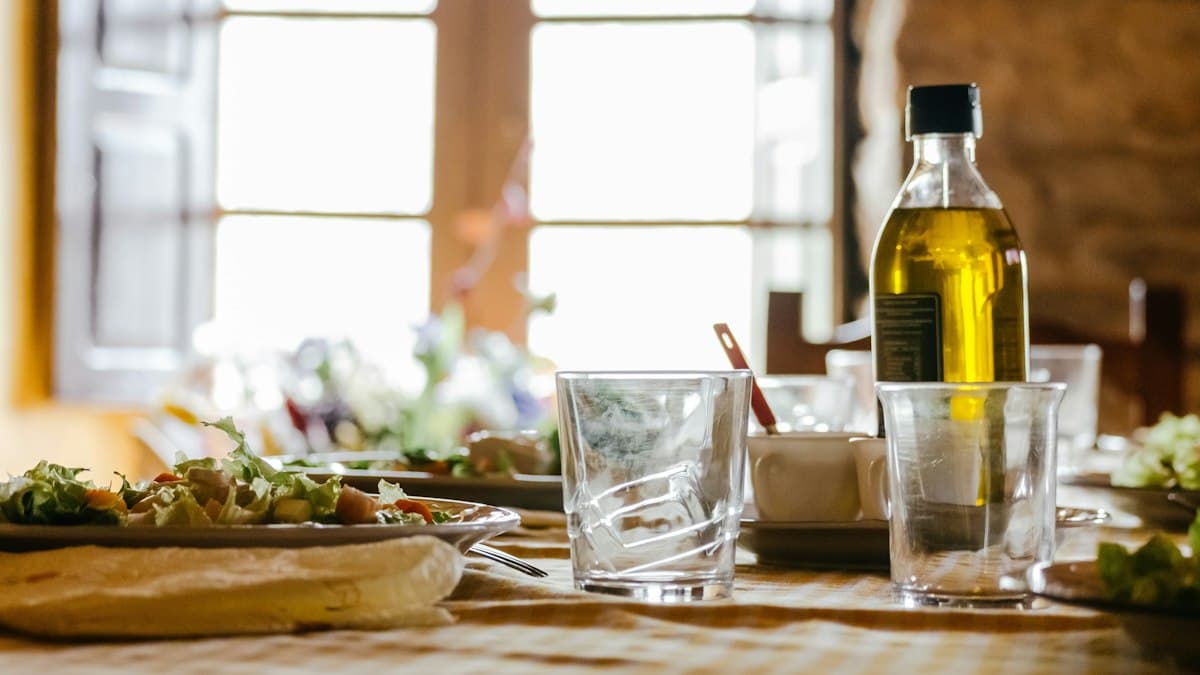
Extra virgin olive oil (EVOO) bottles are typically printed with a harvest date or a best-before date. In practice, the variable that matters most to the person actually using the oil is something the label rarely addresses: when was the bottle first opened? The instant the cap comes off, oxygen, light, and heat make simultaneous contact with the oil, and from that point freshness does not decline at a steady rate — it accelerates.
According to quality-standard documentation published by the International Olive Council (IOC), extra virgin olive oil must maintain a free acidity below 0.8% and a peroxide value below 20 meq O₂/kg. Even a bottle stored correctly in a cool, dark place before purchase can see its peroxide value rise noticeably within a few weeks of opening. Consuming the oil before that figure crosses its threshold is the practical core of freshness management.
Food science research has repeatedly confirmed that three factors drive oxidation: oxygen exposure, light (ultraviolet in particular), and heat. When all three act together, oxidation proceeds several times faster than when any one factor acts alone.
A Stage-by-Stage Freshness Timeline After Opening
Opening day through the first week
This period might fairly be called the golden window. Natural antioxidants — polyphenols and tocopherols — are still present in sufficient concentration to act as a defense against oxidation. Early-harvest oils in particular frequently carry polyphenol levels above 500 mg/kg; the higher that figure, the longer the oil's built-in protection holds. Provided the bottle is kept cool and dark, flavor loss during the first week is barely perceptible. This is the optimal moment for uses where the oil is tasted uncooked: salad dressings, raw-vegetable dips, and finishing pours.
One week through one month
Every time the cap is removed and replaced, a little more air accumulates inside the bottle. During this phase, the fresh, grassy, and peppery notes typical of quality EVOO begin to soften, and the oil takes on a flatter, more neutral character. A report from a research team at the University of Córdoba found that peroxide values in repeatedly opened extra virgin olive oil samples stored at 25 °C rose to between 1.5 and 2 times their initial levels within four weeks. The oil is still perfectly suitable for cooking, including for applications involving heat, but for finishing use it is worth keeping pours small and recapping promptly to limit air contact.
One month through three months
This is the range where quality degradation becomes substantive. If the bottle has had meaningful exposure to light or warmth, early signs of rancidity — a crayon-like or metallic smell — may become detectable. The IOC's official sensory evaluation criteria classify a rancid off-flavor as a defect, and oil that has reached this stage no longer qualifies as extra virgin by those standards. It can still be used for cooking at high heat, but finishing and raw applications are no longer advisable.
Beyond three months
Even under ideal cool, dark storage conditions, an opened bottle held for more than three months will have shed a significant portion of its flavor complexity. If the oil has also been exposed to heat or light at any point, oxidation will have progressed faster still. The oil may remain safe to eat, but the aromatic character and the functional compounds that define a quality EVOO are unlikely to be meaningfully present.
Three Storage Principles That Slow Oxidation
Because oxygen, light, and heat are the primary drivers of oxidation, the principles for slowing it follow directly.
Darkness — EVOO is ideally bottled in opaque or dark-colored glass. If your bottle is clear glass or transparent PET, store it inside a paper bag, a cupboard, or a drawer to block direct light. European Union olive oil packaging regulations are oriented toward recommending light shielding for this reason.
Cool temperature — The ideal storage range is 14–18 °C. Refrigerator temperatures will cause the oil to cloud and solidify, but this is a natural reaction of the oil's waxes to cold and does not affect quality; the oil returns to its normal appearance once brought back to room temperature.
Tight seal — Recap the bottle immediately after each use. To reduce the air space inside the container as the oil level drops, consider transferring it into smaller vessels. Decanting into 200–250 ml bottles substantially cuts the surface area of oil exposed to oxygen each time you open the container.
A Sensory Checklist for Checking Freshness Without Equipment
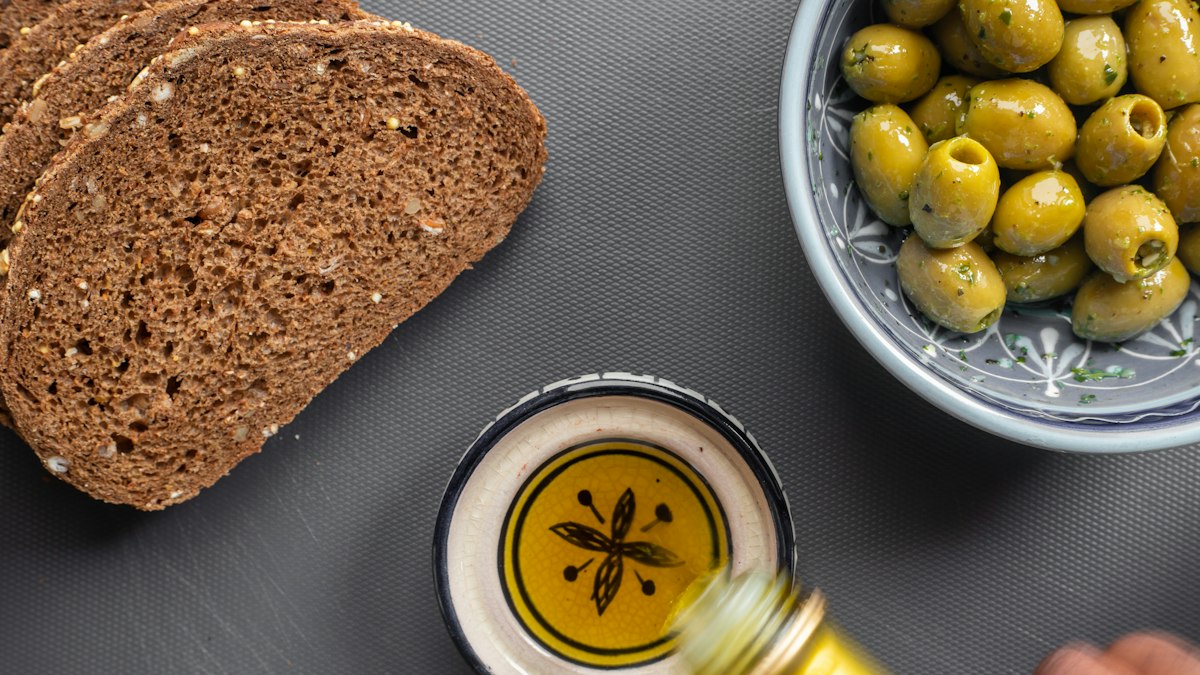
Several sensory cues can tell you a great deal about an oil's condition without any laboratory tools.
Aroma is the most immediate indicator. Pour a small amount into your palm, rub your hands together to warm it slightly, and bring them close to your nose. Fresh EVOO produces a complex aromatic picture — grass, tomato leaf, almond, apple. The onset of rancidity announces itself as a crayon-like smell, a vegetable-oil flatness, or the musty staleness associated with old nuts.
Taste is equally reliable. Bitterness and pungency — the sensation of mild heat or spice at the back of the throat — signal that polyphenols remain present at meaningful levels. When both of those sensations have disappeared entirely, the oil's freshness has declined substantially.
Color is the least trustworthy indicator. A shift from yellow-green toward deeper gold can occur naturally depending on cultivar and harvest timing, and cannot on its own tell you whether an oil is fresh or degraded.
Using It Faster Is the Best Storage Strategy
Ultimately, the most effective way to preserve olive oil quality is simply to use it before it deteriorates. For a standard 750 ml bottle, finishing the contents within 30 to 45 days of opening is the target that best protects flavor.
Building olive oil into everyday cooking makes that timeline easy to meet. A drizzle over fried eggs, a finishing pour over pasta or soup, a quick vinaigrette — used this way, a bottle disappears in well under a month without any deliberate effort. The habit of finishing one bottle completely before opening the next — a one-bottle-at-a-time approach — also prevents the common situation of having several partially used bottles open simultaneously, each oxidizing at its own rate.
Large-format bottles may offer a lower cost per milliliter, but if freshness is the priority, buying 750 ml or smaller on a shorter replenishment cycle is likely to deliver better quality in the cup — which, in the end, is what the investment is for.
Frequently asked questions
- How long does extra virgin olive oil last after opening?
- For the best flavor, aim to finish a 750 ml bottle within 30 to 45 days of opening. The oil remains safe to eat beyond that window, but polyphenols and fresh aromas decline noticeably after the first month, especially if the bottle has been repeatedly opened or stored near heat and light.
- How can I tell if olive oil has gone rancid without lab equipment?
- Rub a small amount between your palms and smell it. Fresh extra virgin olive oil carries layered aromas — grass, tomato leaf, almond, or apple. Rancidity announces itself as a crayon-like, musty, or stale-nut smell. On the palate, the loss of bitterness and pungency at the back of the throat is a reliable sign that polyphenols have degraded significantly.
- Should I refrigerate olive oil to keep it fresh?
- Refrigeration (below 14 °C) can slow oxidation, but it causes the oil to cloud and solidify — a harmless reaction involving natural waxes that reverses at room temperature. The ideal storage range is 14–18 °C: a cool, dark cupboard away from the stove is the practical sweet spot for most kitchens.
- Does a higher polyphenol content mean the oil stays fresh longer?
- Polyphenols act as natural antioxidants, so a higher concentration does extend the oil's self-protective window. Early-harvest oils often exceed 500 mg/kg of polyphenols, giving them a longer buffer against oxidation compared with milder, riper-harvest oils — provided they are stored in appropriate conditions.
- Is it better to buy a large bottle of olive oil or smaller ones more often?
- Smaller bottles purchased more frequently is generally the better choice when freshness is the priority. A large format may cost less per milliliter, but if you cannot finish it within 30–45 days of opening, the flavor you paid a premium for will have degraded before the bottle is empty. Bottles of 750 ml or under, bought on a short cycle, tend to deliver better value in terms of actual quality consumed.
Related reading
- The Right Container Makes or Breaks a Bulk Olive Oil Purchase
Decanting a large tin or bottle of extra virgin olive oil into a smaller vessel sounds simple — but the container you choose determines how much of that quality actually survives. A practical guide to material, light-blocking, and seal performance.
- Olive Oil Sprayers: How Your Dispensing Method Affects Oil Quality
Convenience should not come at the cost of the oil itself. A guide to pump misters, hand-pump sprayers, and aerosol cans — and how each one treats your extra virgin olive oil.
- Closer to the Source: A Practical Guide to Buying Olive Oil Direct from Producers
From farm-direct shipping and micro-importers to group buys, there are more ways than ever to reach a producer before a supermarket shelf does. This guide walks through each route, what to verify before you buy, and how to set realistic expectations on price and freshness.
- Set Up a Home Olive Oil Tasting: Lighting, Temperature, Glasses, and Tasting Notes
A professional-level olive oil tasting environment does not require special equipment. This guide walks through the exact setup — lighting, oil temperature, glass selection, and a simple scoresheet — that lets any curious cook build real sensory skills at home.
- Expiry Date, Best Before, Harvest Year: Three Numbers That Tell the Full Story
Two dates printed on an olive oil label carry very different messages — and neither one alone tells you whether what's in the bottle is still worth using. Understanding the difference is the first step toward getting every drop right.
- Light, Heat, Oxygen, Time: The Four Forces Destroying Your Olive Oil's Aroma
The flavor of extra virgin olive oil is quietly dismantled by four forces: light, heat, oxygen, and time. Here is the science behind each mechanism and what it means for storage.