Skip to content
OLEA

Notes on olive oil & taste

Tag

#label reading

14 articles

← All tags

PDO vs. PGI: How to Read EU Certification on an Olive Oil Label
Craft

PDO vs. PGI: How to Read EU Certification on an Olive Oil Label

The EU's geographical indication system assigns olive oils either a PDO or PGI mark — but the two certifications carry different obligations and mean different things on the shelf. Here is what each one guarantees, how producers earn it, and what to look for before you buy.

OLEA Editorial

Three Dates on Every Olive Oil Label — and How to Read All of Them
Craft

Three Dates on Every Olive Oil Label — and How to Read All of Them

Harvest year, pressing date, and best-before: every olive oil bottle carries up to three different dates, and each one tells a different story about freshness. Knowing what each number actually means is the most reliable way to avoid buying oil that has already lost its flavor.

OLEA Editorial

Four Numbers on Every Olive Oil Label — and the Timeline They Hide
Craft

Four Numbers on Every Olive Oil Label — and the Timeline They Hide

From harvest date to pressing interval, bottling day to best-before, every figure on an olive oil label traces a timeline that determines what ends up in the bottle. This guide explains how to read those numbers and what they reveal about freshness and producer intent.

OLEA Editorial
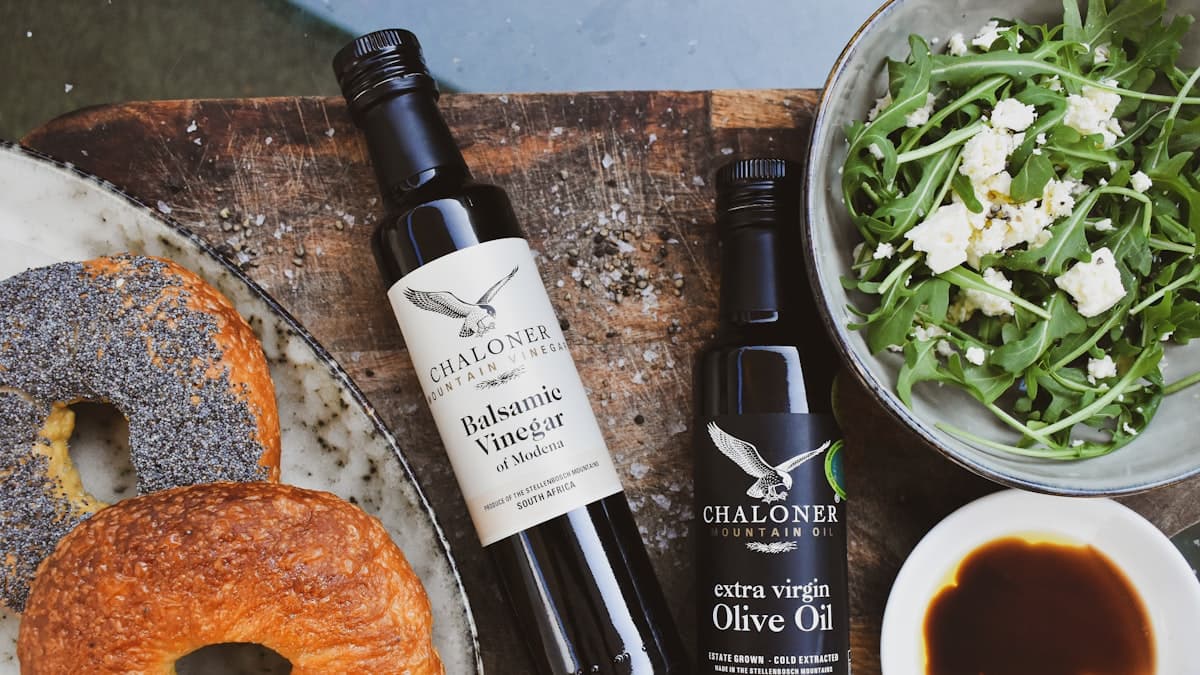
What 0.2% Actually Tells You — How to Read Olive Oil Acidity Labels
Guides

What 0.2% Actually Tells You — How to Read Olive Oil Acidity Labels

Extra virgin olive oil must fall below 0.8% free acidity, yet premium bottles routinely display figures in the 0.1–0.3% range. Understanding what sits behind those numbers — cultivar, harvest timing, processing speed — is what separates an informed purchase from a lucky one.

OLEA Editorial