Craft
Truffle and Lemon Olive Oil: Natural Infusion or Synthetic Flavoring?
Flavored olive oils command premium prices and elegant packaging, but the label rarely makes clear whether the aroma comes from real ingredients or a laboratory compound. Here is how to tell the difference.
Translated from the Korean edition, originally published August 28, 2026 · read the original
The Golden Temptation on the Shelf
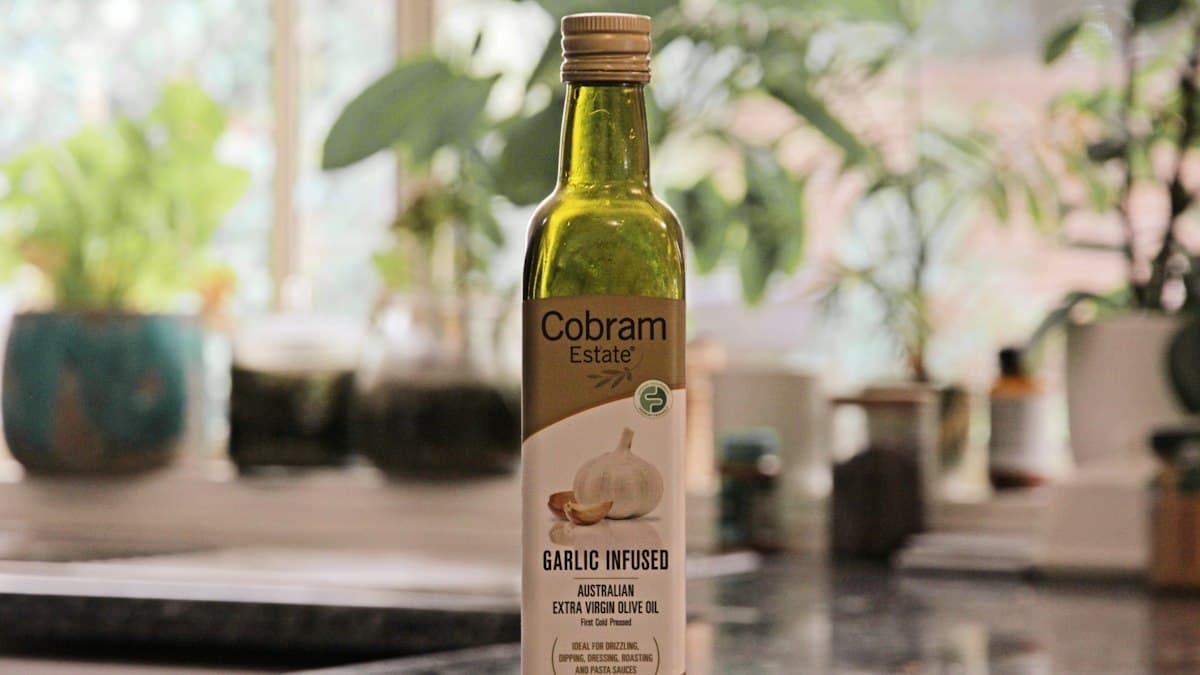
Walk down the olive oil aisle of any well-stocked supermarket and names like Truffle-Infused Extra Virgin Olive Oil or Sicilian Lemon Olive Oil are hard to miss. Prices often run two or three times those of a standard extra virgin, and the bottle design is polished enough to double as a gift. What most shoppers do not know is where the flavor inside actually comes from.
Flavored olive oils fall into two distinct categories. The first is natural infusion: real ingredients — lemon peel, herbs, chili, garlic — brought into direct contact with the oil so that their aromatic compounds migrate across. The second is synthetic flavoring: a laboratory-produced compound added in small quantities to replicate a scent. The finished bottles look nearly identical. The differences show up in production cost, aromatic complexity, and — for the attentive reader — the ingredient panel.
What Natural Infusion Actually Means
A natural infusion involves steeping fresh or dried ingredients in extra virgin olive oil for a period long enough to transfer their flavor compounds into the fat. For citrus oils, the most highly regarded method is agrumato: fresh lemon peel is fed into the mill alongside the olive paste and crushed together before pressing. The technique has been practiced in Calabria, Italy, for centuries. Because the essential oils of the peel are physically fused with the olive juice during extraction rather than added afterward, the result is a layered, coherent aroma that is difficult to replicate by blending.
Truffle is a more complicated case. Products made by steeping actual black truffle (Tuber melanosporum) or white truffle (Tuber magnatum) in olive oil do exist, but the primary aroma compound in real truffle — bis(methylthio)methane — is highly volatile and degrades rapidly on exposure to heat and oxygen. According to data published by the Italian National Center for Truffle Studies (Centro Nazionale Studi Tartufo), the characteristic volatile compounds in fresh truffle steeped in oil diminish noticeably within a matter of weeks. Long shelf life and genuine truffle aroma are therefore very difficult to reconcile, which is why the overwhelming majority of truffle olive oils on the market rely on synthetic flavoring rather than actual infusion.
Why Synthetic Flavoring Dominates the Market
The synthetic shortcut for truffle aroma is a sulfur compound called 2,4-dithiapentane. It can mimic certain characteristics of truffle scent, it is chemically stable, and it can be manufactured at scale — which makes production costs a fraction of those for genuine infusion. According to the European Food Safety Authority (EFSA) database, 2,4-dithiapentane is an approved food flavoring and is considered safe within specified usage limits.
The difficulty for consumers is that a synthetic-flavored oil and a naturally infused one are visually indistinguishable on the shelf. Educational materials from the American Olive Oil Producers Association (AOOA) have noted that a significant portion of the flavored olive oil market consists of products using synthetic or nature-identical flavor compounds, a consequence of the intense price competition that makes higher-cost natural infusion products harder to sustain commercially.
What to Check on the Label
Several label details separate one category from the other.
Ingredient list: Under EU regulations, ingredients must be listed in descending order of weight. Specific real-ingredient names — lemon peel, lemon essential oil, or a truffle species such as Tuber melanosporum — are a strong indicator of natural infusion. If the list reads only flavoring or natural flavoring, a processed flavor compound has been used, regardless of how evocative the front label is.
Agrumato declaration: For lemon, orange, and other citrus oils, this is the most reliable signal of authenticity. Because the agrumato method involves no separately added flavoring, the label cannot carry this term and then list a flavor ingredient — it would be a contradiction.
Truffle species name: A premium truffle oil produced from actual truffles will specify the species in the ingredient list: Tuber melanosporum (Périgord black truffle) or Tuber magnatum (white truffle). A product that says only black truffle flavor or white truffle aroma is almost certainly using a synthetic compound.
Base oil quality: It is easy to focus entirely on the infused ingredient and overlook the olive oil carrying it. Check that the base is certified extra virgin (EVOO), and look for a stated acidity and harvest year. A clearly labeled EVOO with acidity below 0.8% as the base signals that the producer is applying consistent quality standards throughout.
Price as a Reality Check
Fresh white truffle is one of the most expensive food ingredients in the world. According to auction records from the Alba truffle market in Italy, premium white truffle (Tuber magnatum) has traded above 3,000 euros per kilogram in strong seasons. Given that raw-material cost, a 250 ml bottle of 'white truffle olive oil' at a modest retail price cannot realistically contain a meaningful quantity of actual truffle — the arithmetic simply does not work.
Lemon agrumato oil presents a more straightforward case. The co-pressing method is verifiable, the use of natural citrus is inherent to the process, and the resulting oil is generally recognized as having superior aromatic persistence and complexity compared with oils flavored after the fact. The premium for a genuine agrumato product tends to be proportionate and justified.
Making a Considered Choice
Flavored olive oils are not inherently problematic. Products made with synthetic flavoring meet food safety standards and are entirely legal; depending on the cooking purpose, they can perform perfectly well. The question is whether the experience a shopper is paying for matches what is actually in the bottle.
For anyone seeking a genuinely fresh citrus note in fish dishes, risotto, or salads, an agrumato lemon oil is widely reported to deliver a more natural and integrated result. For truffle oils, the most useful approach is to read the ingredient list carefully, hold realistic expectations about what a given price point can deliver, and treat the base oil's quality as equally important to whatever flavoring it carries. An honest label is the most useful tool available — it just requires a few extra seconds of reading.
Frequently asked questions
- Is truffle olive oil made with real truffles?
- Most commercially available truffle olive oils are made with a synthetic sulfur compound called 2,4-dithiapentane rather than real truffles. According to data from the Italian National Center for Truffle Studies (Centro Nazionale Studi Tartufo), the volatile aroma compounds in fresh truffles degrade significantly within weeks when steeped in oil, making long shelf-life natural infusions very difficult to produce. Bottles listing only 'truffle flavor' or 'natural flavoring' on the ingredient panel are almost certainly synthetic.
- What does agrumato mean on an olive oil label?
- Agrumato is a traditional Italian method, historically practiced in Calabria, in which fresh citrus peel is crushed together with olives at the mill before pressing. Because the essential oils of the fruit are fused directly with the olive juice during extraction, no separate flavoring is added. It is widely regarded as the most reliable indicator of a genuinely natural citrus-infused olive oil.
- How can I tell from the label whether a flavored olive oil uses natural or synthetic ingredients?
- Check the ingredient list, which EU regulations require to be ordered by weight. Specific real-ingredient names — 'lemon peel,' 'lemon essential oil,' or a truffle species such as 'Tuber melanosporum' — suggest natural infusion. If the list says only 'flavoring' or 'natural flavoring,' a processed flavor compound has been used. For lemon oils, the word 'agrumato' on the label confirms the citrus-with-olives co-pressing method.
- Are synthetic-flavored olive oils unsafe?
- No. The key synthetic truffle compound, 2,4-dithiapentane, is listed as a permitted food flavoring in the European Food Safety Authority (EFSA) database and is considered safe within approved usage limits. Flavored oils that meet food safety standards are legal products; the issue is transparency, not safety.
- Does a higher price mean a truffle oil is made with real truffles?
- Not automatically. According to auction data from the Alba truffle market in Italy, premium white truffle (Tuber magnatum) has traded above 3,000 euros per kilogram in peak seasons. A 250 ml bottle retailing at a modest price cannot realistically contain a meaningful quantity of fresh truffle at that raw-material cost. When evaluating a truffle oil, look for the scientific species name on the label rather than relying on price alone as a proxy for authenticity.
Related reading
- Reading Polyphenol Numbers on an Olive Oil Label: A Step-by-Step Comparison Guide
The mg/kg polyphenol figure printed on an extra virgin olive oil bottle is one of the most useful quality signals a label can carry — but only if you know how to read it. This guide walks through what the number means, how measurement method affects it, and what else to check alongside it.
- Closer to the Source: A Practical Guide to Buying Olive Oil Direct from Producers
From farm-direct shipping and micro-importers to group buys, there are more ways than ever to reach a producer before a supermarket shelf does. This guide walks through each route, what to verify before you buy, and how to set realistic expectations on price and freshness.
- Organic Certification, Carbon Footprint, Water Use: A Practical Guide to Olive Oil Sustainability Labels
Behind every bottle of olive oil sit three measurable sustainability indicators — organic certification standards, carbon footprint figures, and water consumption data. Knowing how to read them turns a label logo from a marketing symbol into a genuine purchasing signal.
- Mapping the Global Olive Oil Trade: Exporters, Importers, and the Re-Export Layer in Between
Oil pressed in Spain reaches American supermarket shelves in bottles labeled Italy — a journey that reveals the layered re-export structure sitting between producer nations and end consumers. This guide traces that flow using IOC trade data.
- Cold Press, First Press, Centrifuge: Decoding the Extraction Claims on Olive Oil Labels
Three terms appear on nearly every bottle of quality olive oil, yet few buyers know which ones carry legal weight and which are historical relics. This guide unpacks what cold press, first press, and centrifuge extraction actually mean — and where EU regulation draws the line.
- Extra Virgin vs. Pure Olive Oil: A Shelf-Side Buying Guide
Two bottles, side by side, same country of origin — yet the price gap can be substantial. Here is what the IOC grade standards, label rules, and food-science research say about choosing between extra virgin and pure olive oil.
Tags
- flavored olive oil
- truffle oil
- lemon olive oil
- agrumato
- label reading