Craft
Cold Press, Early Harvest, and the Clock Running Between Them
Two phrases appear on nearly every premium EVOO label — cold press and early harvest. Behind the marketing language lie hard constraints: pressing temperature, the ripeness window, and the hours between harvest and mill.
Translated from the Korean edition, originally published December 15, 2023 · read the original
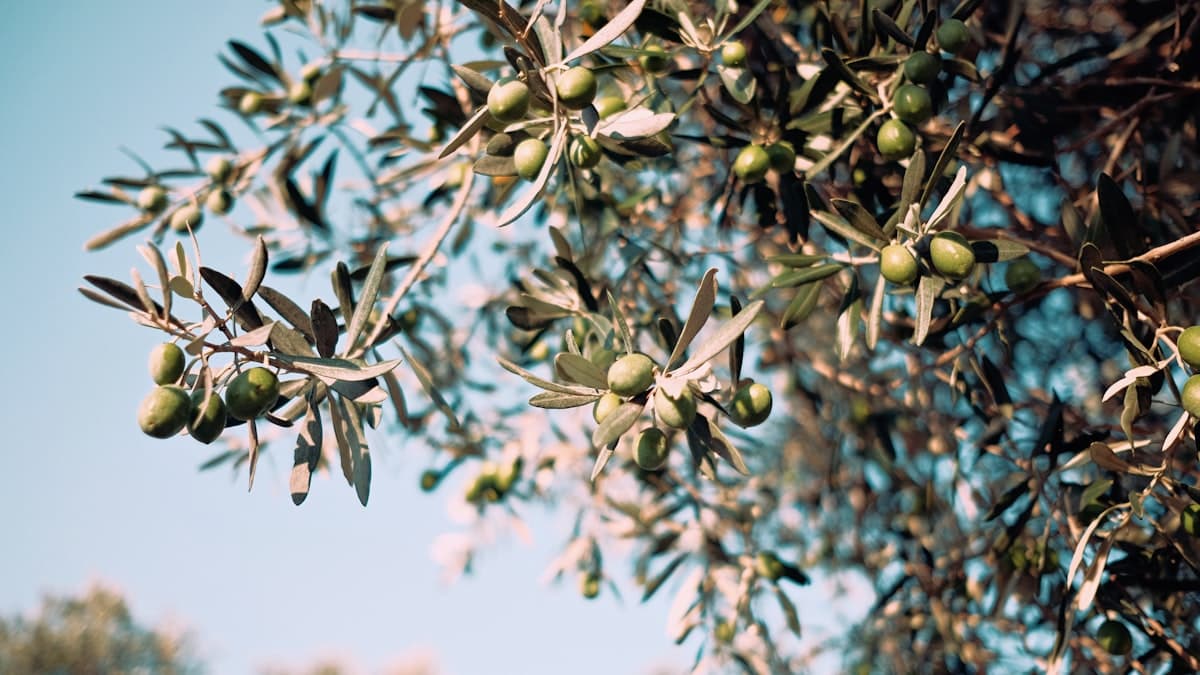
Two phrases appear on nearly every premium extra-virgin olive oil label: cold press and early harvest. They can read like marketing shorthand, but each one encodes a specific constraint — pressing temperature, the moment of ripeness, and the hours allowed to pass between picking and mill.
Cold Press Is a Promise About Temperature
Heat generated during extraction damages both flavor compounds and polyphenols. Under EU processing rules, cold press designates a method in which the average temperature throughout extraction is maintained at or below 27°C. Some premium producers apply a stricter internal standard, capping their process at 25°C. A label that reads only "first press" — without explicitly stating cold press — is a different category and should be read accordingly.
Early Harvest Is a Decision to Sacrifice Yield
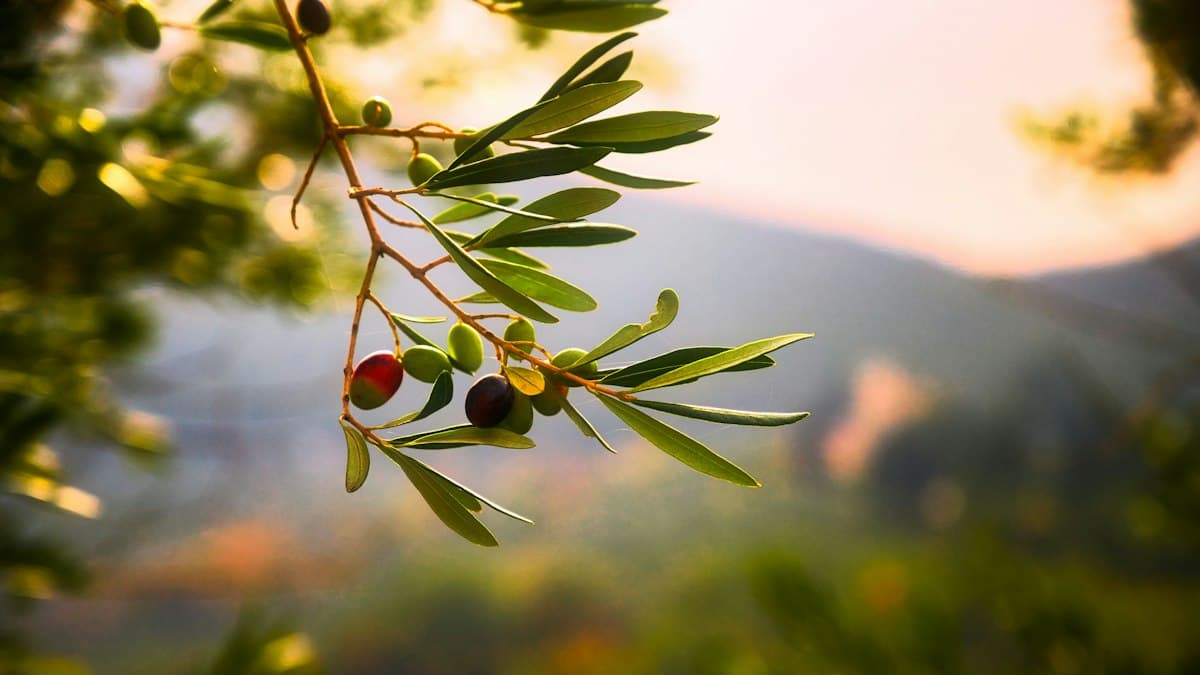
As olives ripen from late autumn into winter, oil yield increases — but polyphenol concentration tends to fall and acidity tends to rise. Early harvest means gathering the fruit just before peak ripeness. On the same farm, from the same trees, a single month's difference in timing can separate grade levels. A later harvest produces more oil but lower polyphenols and higher acidity; an early harvest accepts a reduced yield in exchange for preserving polyphenols and keeping acidity low.
The 12-Hour Rule
Once olives leave the tree, enzymatic activity inside the fruit drives oxidation — and that process does not pause. The general industry recommendation is milling within 24 hours of harvest. Producers whose stated goal is polyphenol retention sometimes operate by a stricter self-imposed standard of 12 hours. The longer the interval between harvest and press, the further polyphenol levels and aromatic intensity fall, regardless of cultivar.
When reading a label, it is worth checking whether both a harvest date and a pressing date are listed, whether cold press is explicitly stated, and whether a test certificate or QR-based verification is available. A label that carries all three gives a clear account of how freshness was managed from grove to bottle.
Frequently asked questions
- What does cold press mean on an olive oil label?
- Under EU processing rules, cold press means the average temperature during extraction is kept at or below 27°C. Some premium producers set their own internal limit at 25°C. A label that says only 'first press' without specifying cold press is not the same thing.
- Why do early-harvest olive oils have more polyphenols?
- Polyphenol levels are highest in olives picked just before full ripeness. As the fruit continues to ripen through late autumn into winter, oil yield rises but polyphenol concentration tends to fall and acidity tends to climb. Early harvest accepts lower yield in exchange for preserving those compounds.
- What is the 12-hour rule in olive oil production?
- Once olives are picked, their own enzymes begin driving oxidation. The general industry recommendation is milling within 24 hours of harvest, but some producers focused on polyphenol retention set a stricter internal standard of 12 hours. The longer the gap between harvest and press, the more flavor and polyphenols are lost — even from the same cultivar.
Related reading
- Cold Press or Washed Extraction: The Process That Shapes Every Drop of Flavor
Cultivar and origin get most of the credit, but the extraction method may matter just as much. A guide to how cold press and washed extraction differ — and what those differences mean in the bottle.
- Closer to the Source: A Practical Guide to Buying Olive Oil Direct from Producers
From farm-direct shipping and micro-importers to group buys, there are more ways than ever to reach a producer before a supermarket shelf does. This guide walks through each route, what to verify before you buy, and how to set realistic expectations on price and freshness.
- Cold Press, First Press, Centrifuge: Decoding the Extraction Claims on Olive Oil Labels
Three terms appear on nearly every bottle of quality olive oil, yet few buyers know which ones carry legal weight and which are historical relics. This guide unpacks what cold press, first press, and centrifuge extraction actually mean — and where EU regulation draws the line.
- Chili, Pepper, Cumin: A Beginner's Guide to Infusing EVOO with Spices
Infusing extra virgin olive oil with dried chili flakes, peppercorns, or cumin is one of the most approachable ways to build a flavored oil at home. Temperature control and basic hygiene are the deciding factors between a great result and a wasted bottle.
- 27°C: The Number Behind Every Drop of ORO CELESTE
The temperature at which olives are pressed determines how much flavor and polyphenol content survives into the bottle. This guide examines why 27°C is the regulatory and sensory threshold that separates genuine cold-press olive oil from ordinary extraction.
- Early Harvest in Andalusia: How November Shapes ORO CELESTE's Three Cultivars
While most producers wait for full ripeness, ORO CELESTE times three separate harvests in early November — catching Ojiblanca, Sibarita, and Picual at the narrow window when polyphenols peak and acidity is at its lowest.
Tags