Craft
Early Harvest in Andalusia: How November Shapes ORO CELESTE's Three Cultivars
While most producers wait for full ripeness, ORO CELESTE times three separate harvests in early November — catching Ojiblanca, Sibarita, and Picual at the narrow window when polyphenols peak and acidity is at its lowest.
Translated from the Korean edition, originally published July 7, 2026 · read the original
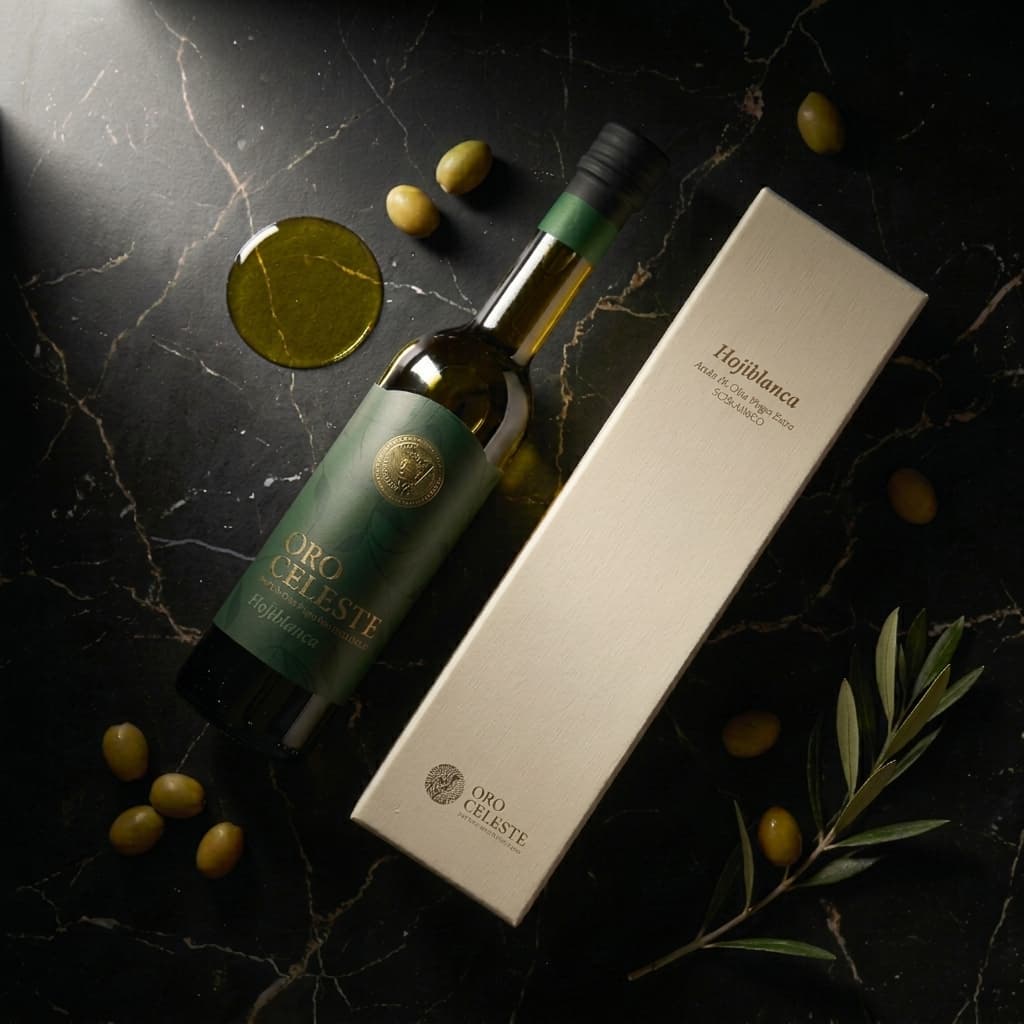
Olive Oil's Year Begins in Early November
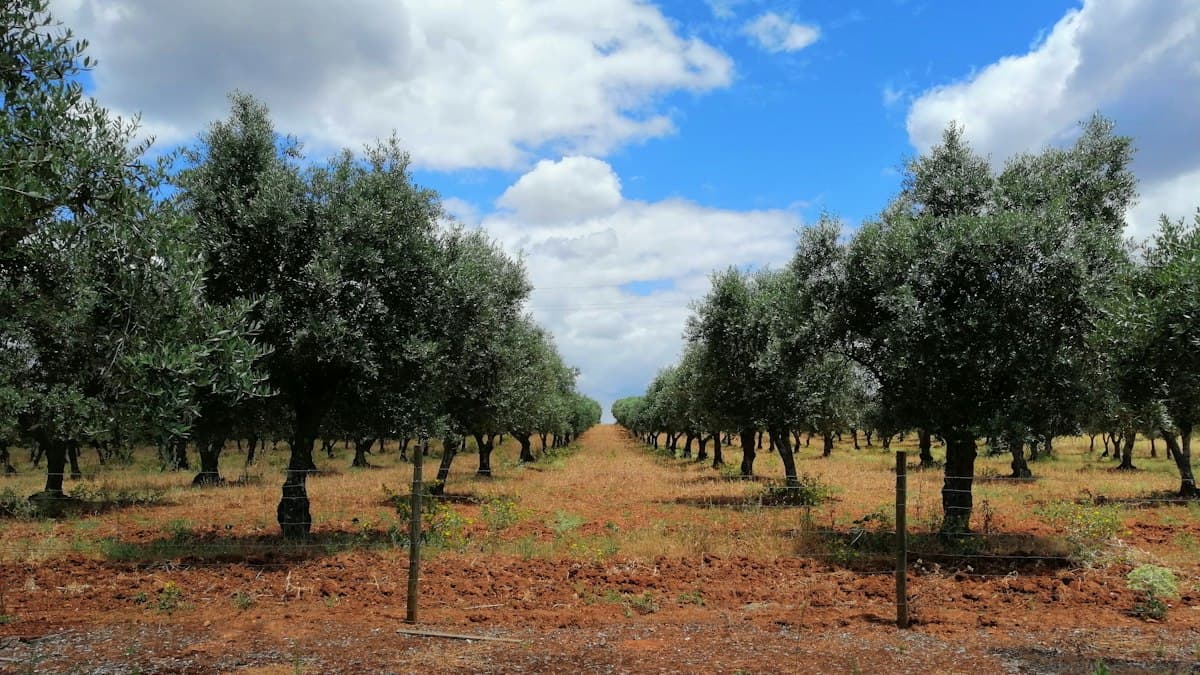
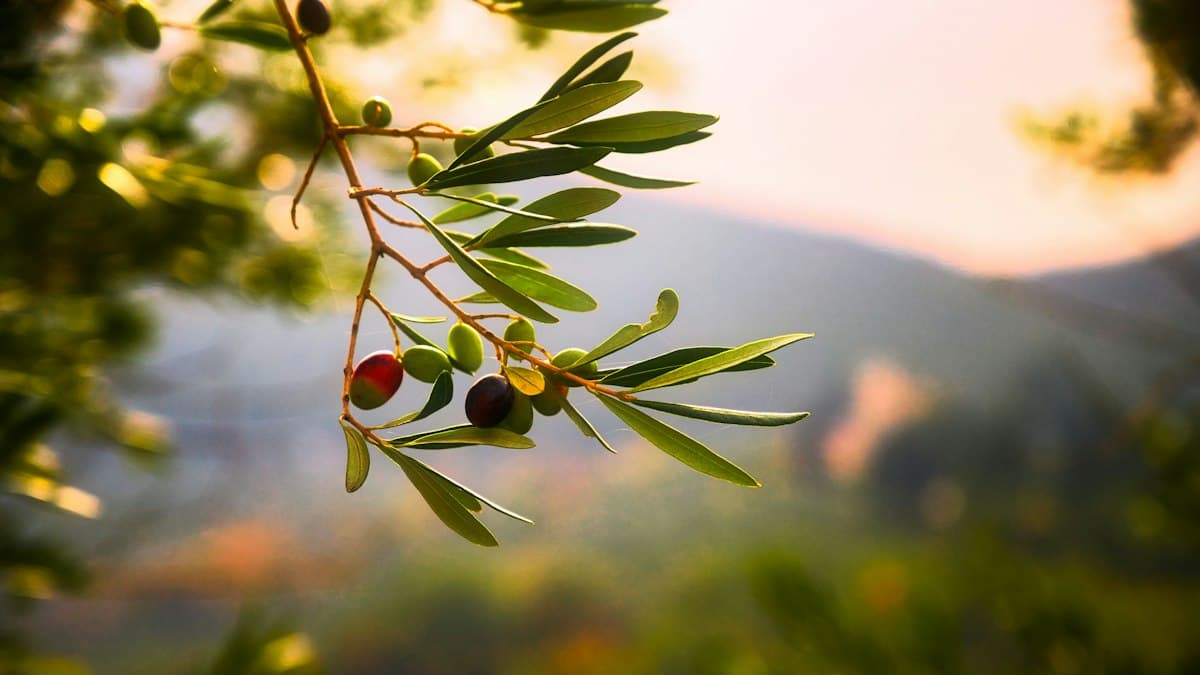
November in Andalusia is still green. While producers in many other growing regions are weeks away from their harvest, the orchard teams responsible for ORO CELESTE are checking the color of individual fruits every day. The moment just before full ripeness — when green gives way to the first blush of violet — represents the narrow window at the heart of what the industry calls an early harvest.
Delaying the harvest increases the oil content of each olive, but it is widely reported that fine compounds such as polyphenols decline rapidly in the process. According to data from the International Olive Council (IOC), phenolic compound concentrations are highest in early maturation and are reported to decrease as oxidative enzyme activity rises toward full ripeness. Choosing quality over yield is, for that reason, not an easy economic decision.
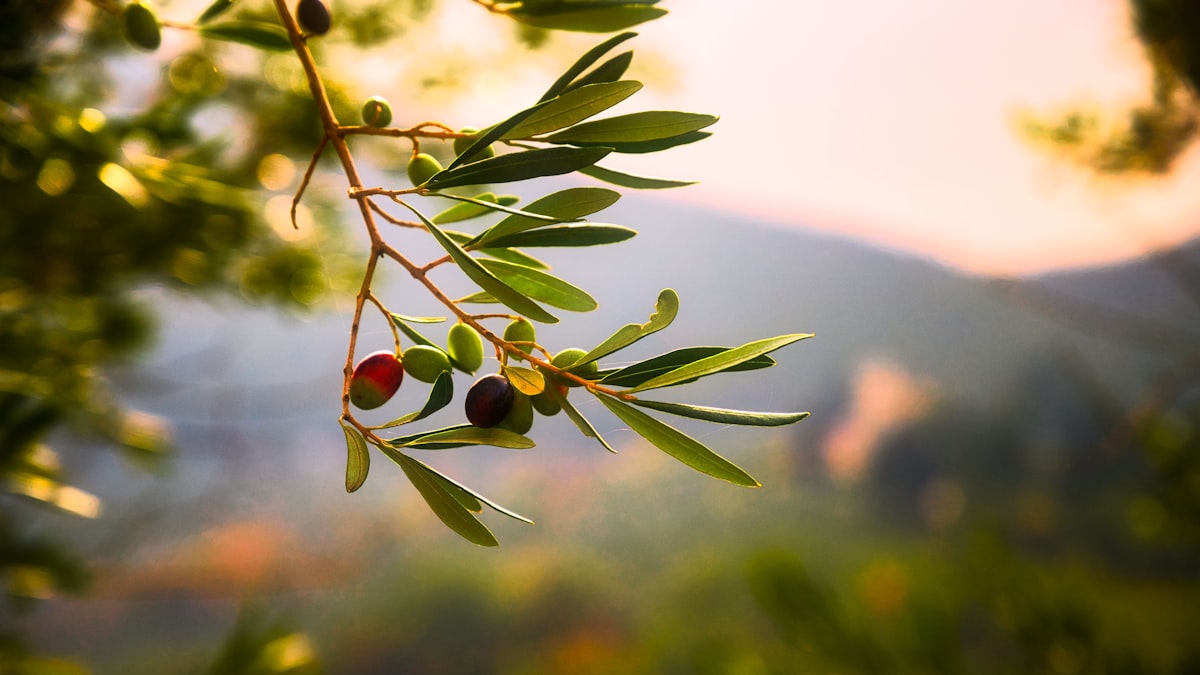
Three Cultivars, Three Harvest Windows
ORO CELESTE runs three single-cultivar lines: Ojiblanca, Sibarita, and Picual. Because each variety ripens at a different rate, each has its own harvest date.
Ojiblanca is the first of the three to reach its early-harvest moment. It is known for a fresh apple-and-almond character with a gentle bitter note — a delicate flavor profile that blurs if the fruit is left on the tree too long. At the early-harvest stage, ORO CELESTE targets an acidity of 0.16% and polyphenol levels above 600 mg/kg.
Sibarita is a locally selected variety native to the Córdoba region, produced in comparatively small quantities. The fruit is small and firm, which limits damage before milling, but the harvest window is narrow and highly dependent on weather. The benchmark figures for this cultivar are 0.14% acidity and polyphenol levels above 500 mg/kg.
Picual is the most robust of the three. It delivers a deep herbal character in the olivaceous family, with a powerful peppery finish. Even at 0.20% acidity, it holds polyphenol levels above 800 mg/kg — and the mill's production manager notes that as late-autumn temperatures begin to drop, Picual's signature aromatic compounds become more pronounced.
The 24 Hours After Harvest
For an early harvest to mean anything, speed of processing must follow. From the moment olives are picked, internal enzymatic reactions begin and free fatty acid (FFA) levels — the basis of acidity measurement — start to climb. Research from Spain's Instituto Andaluz de Investigación y Formación Agraria, Pesquera, Alimentaria y de la Producción Ecológica (IFAPA) has reported that storing harvested olives at room temperature for more than 24 hours results in a statistically significant rise in acidity.
ORO CELESTE holds to a practice of moving fruit into the milling process on the day of harvest or before dawn the following morning. Cold extraction temperature is kept at or below 27°C — the ceiling specified in EU regulations as the cold-pressing standard for extra-virgin grade classification.
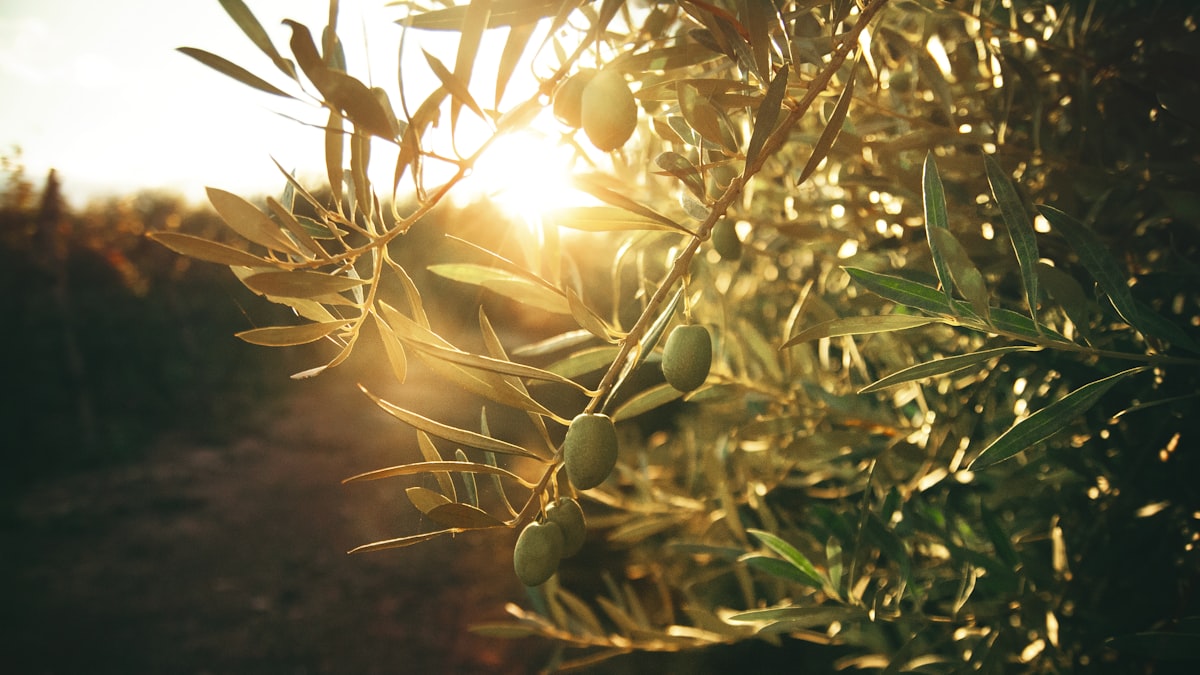
What Early Harvest Oil Tastes Like
Compared with oils from fully ripe olives, early harvest oils leave a markedly different impression on the palate. Aromatic compounds that evoke green tomato, fresh grass, and rosemary are abundant, and the peppery sensation at the back of the throat and into the larynx is distinct. That sensation is associated with oleocanthal and oleacein — two of the key polyphenol constituents — whose high concentration is considered an indicator of quality in early harvest oils.
Fully ripe olives, by contrast, produce oils that foreground softer, rounder flavors: butter, mature fruit, toasted nuts. Neither profile is superior; they suit different purposes and different palates. Early harvest oil's assertive character tends to shine when it accompanies delicate ingredients — a fish carpaccio, a lightly dressed vegetable salad — where a neutral oil would simply disappear.
Seasonality in a Bottle
Early harvest olive oil is, by nature, a seasonal ingredient. Even within the same cultivar, the flavor profile shifts year to year with rainfall totals, hours of sunlight, and overnight temperatures during the growing season. ORO CELESTE conducts an internal sensory panel assessment after each harvest and records the results in the form of a batch note.
That record goes beyond routine quality control. It is the language through which the producer communicates to the consumer that a given bottle holds a specific year, a specific set of fields, and a specific November's weather. Just as a vintage wine carries its harvest year on the label, an early harvest oil wears its seasonality as a point of pride.
The shift from treating olive oil as a generic cooking fat to choosing it with an awareness of origin, cultivar, and harvest timing is precisely what ORO CELESTE's early harvest notes are intended to encourage.
Frequently asked questions
- What is early harvest olive oil?
- Early harvest olive oil — sometimes called 'early harvest' or 'cosecha temprana' — is pressed from olives picked before full ripeness, typically when the fruit is transitioning from green to violet. At this stage, polyphenol concentrations are at their highest, while oil yield per fruit is lower than at full maturity. According to the International Olive Council (IOC), phenolic compound levels are reported to peak in early maturation and decline as oxidative enzyme activity increases toward full ripeness.
- How does harvest timing affect polyphenol levels in olive oil?
- The IOC has reported that phenolic compound concentrations are highest in the early stages of olive maturation and decrease as the fruit ripens fully, due to rising oxidative enzyme activity. This means producers who harvest earlier accept a lower oil yield in exchange for higher polyphenol content — a trade-off that is not economically straightforward.
- Why do different olive cultivars have different harvest dates?
- Each cultivar ripens at its own pace. ORO CELESTE's Ojiblanca reaches its early-harvest window first among the three cultivars it produces, followed by Sibarita and then Picual. Harvesting each variety at its individual optimal moment — rather than on a single shared date — is what allows the producer to record distinct acidity and polyphenol targets per cultivar.
- Why does olive oil need to be milled within 24 hours of picking?
- Once harvested, olives begin enzymatic reactions that gradually raise free fatty acid (FFA) levels — the measure behind acidity. Research from Spain's Instituto Andaluz de Investigación y Formación Agraria, Pesquera, Alimentaria y de la Producción Ecológica (IFAPA) has reported that storing olives at room temperature beyond 24 hours after harvest leads to a statistically significant rise in acidity. Milling on the day of harvest, or before dawn the following day, is one way producers attempt to keep acidity as low as possible.
- What does early harvest olive oil taste like compared to fully ripe olive oil?
- Early harvest oils are typically characterized by green, herbaceous aromas — think green tomato, fresh-cut grass, and rosemary — along with a pronounced peppery finish at the back of the throat. That peppery sensation is associated with oleocanthal and oleacein, two key polyphenol components considered markers of high-quality early harvest oil. Oils from fully ripe olives tend toward softer, rounder profiles: butter, ripe fruit, and toasted nuts. Neither style is objectively superior; the choice depends on how and with what you intend to use the oil.
Related reading
- Sibarita Up Close: Tomato-Leaf Green and the Art of Delicate Balance
ORO CELESTE's Sibarita delivers acidity of 0.14% and polyphenol levels above 500 mg/kg, with a profile built around vivid tomato-leaf green notes and a finish clean enough to let every dish speak for itself. A closer look at one of Andalusia's most underrated cultivars.
- Córdoba Terroir: The Soil, Altitude, and Microclimate Behind ORO CELESTE
In the inland hills of Córdoba, Andalusia, limestone soils, elevations of 400–600 m, and a rare transitional microclimate converge to shape the acidity, polyphenol concentration, and flavor profile of ORO CELESTE's extra virgin olive oils.
- Three Generations, One Farm: The Philosophy Behind ORO CELESTE
From a grandfather's first seedlings in the hills of Jaén to a third-generation agronomist measuring polyphenols at harvest, ORO CELESTE's story is one of a family that keeps building on what came before — without abandoning what worked.
- The Cultivar Decides — Koroneiki, Picual and Arbequina Polyphenols Compared
Polyphenol levels in extra virgin olive oil can vary by a factor of ten or more depending on cultivar. This data-driven guide compares the polyphenol content and flavor profiles of three benchmark varieties: Greece's Koroneiki and Spain's Picual and Arbequina.
- Reading Polyphenol Numbers on an Olive Oil Label: A Step-by-Step Comparison Guide
The mg/kg polyphenol figure printed on an extra virgin olive oil bottle is one of the most useful quality signals a label can carry — but only if you know how to read it. This guide walks through what the number means, how measurement method affects it, and what else to check alongside it.
- Picual, Arbequina, Coratina, Moraiolo: A Cultivar Guide to Olive Oil Flavor
Flavor in extra virgin olive oil begins with the olive itself. This guide breaks down the origins, sensory profiles, polyphenol levels, and best uses of four cultivars that dominate the premium EVOO market.