Craft
Sibarita Up Close: Tomato-Leaf Green and the Art of Delicate Balance
ORO CELESTE's Sibarita delivers acidity of 0.14% and polyphenol levels above 500 mg/kg, with a profile built around vivid tomato-leaf green notes and a finish clean enough to let every dish speak for itself. A closer look at one of Andalusia's most underrated cultivars.
Translated from the Korean edition, originally published June 11, 2026 · read the original
A Rare Name with a Character All Its Own
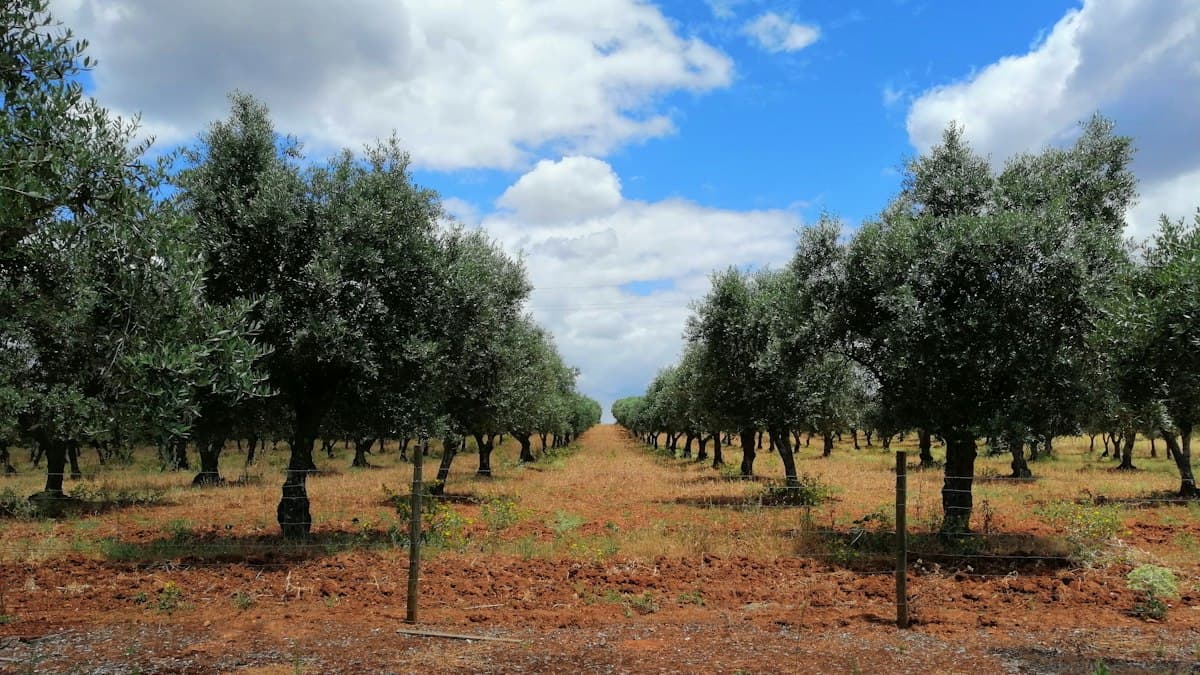
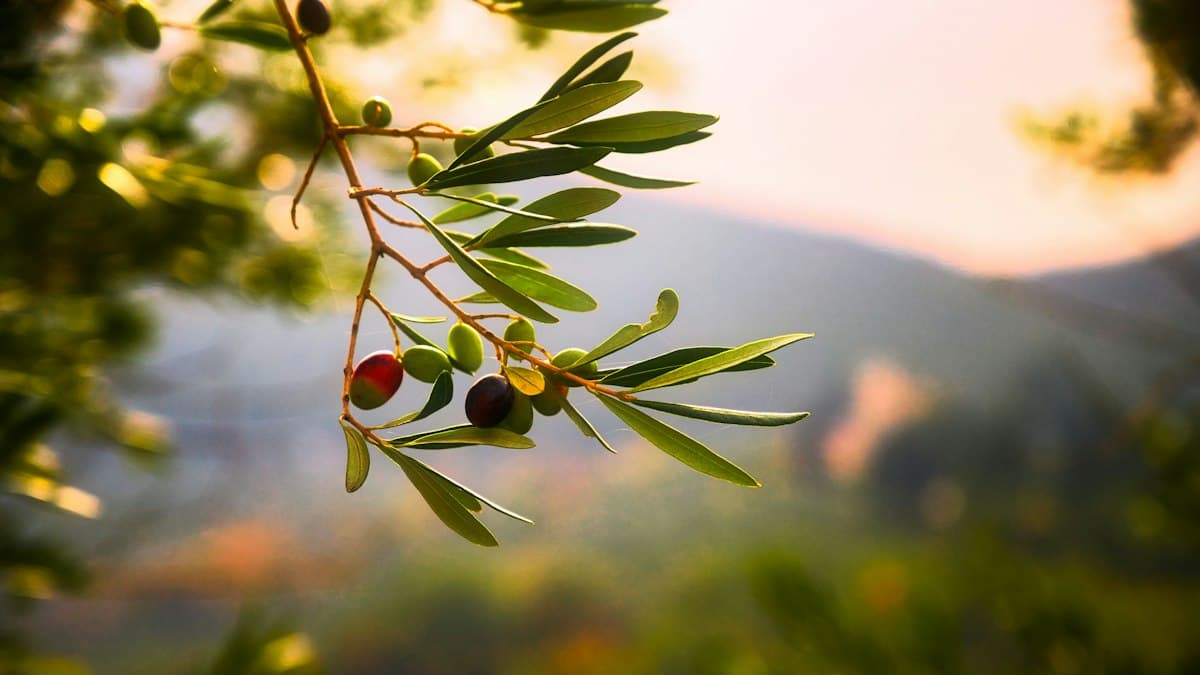
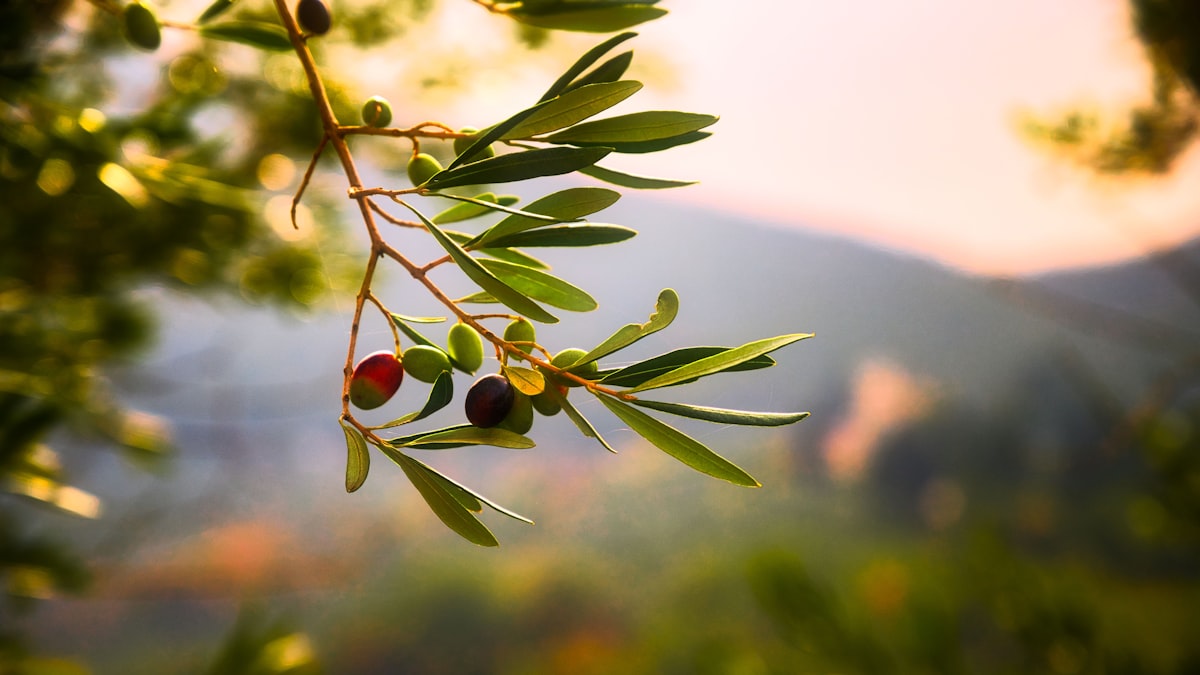
Even among dedicated olive oil enthusiasts, Sibarita remains a relatively unfamiliar cultivar. Grown in small quantities in Andalusia, southern Spain, it has never matched the mainstream recognition of Picual or Arbequina — yet it has drawn consistent attention from olive oil specialists for the finesse of its flavour architecture. According to the International Olive Council (IOC) variety database, Sibarita ripens slowly, which makes early harvesting practicable and is understood to contribute to the oil's vivid green character.
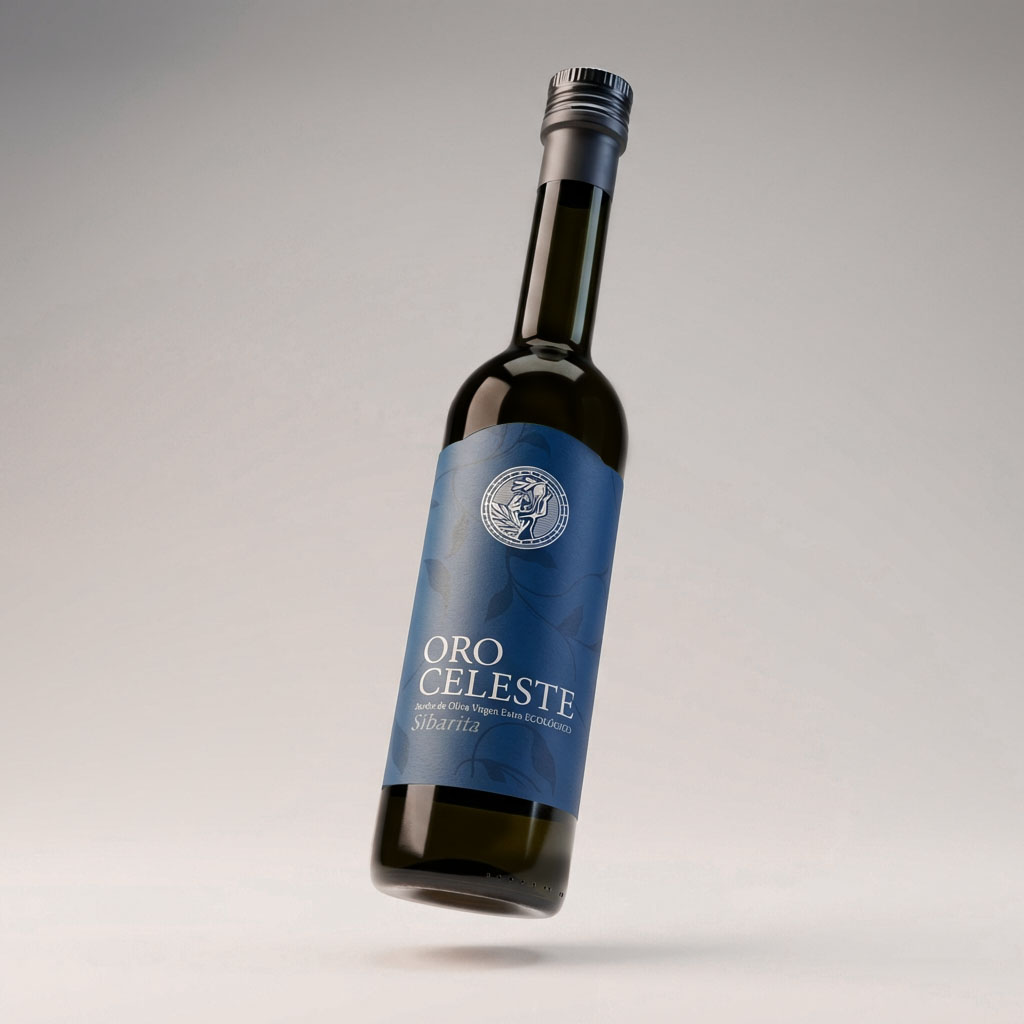
ORO CELESTE's Sibarita carries an acidity of 0.14% and polyphenol levels above 500 mg/kg. Given that the extra virgin grade threshold sits at a maximum of 0.8% acidity, a figure of 0.14% speaks to how carefully the oil has been handled from grove to bottle. The polyphenol count also exceeds the typical range seen in standard commercial extra virgin olive oils. In its 2011 opinion, the European Food Safety Authority (EFSA) reported that olive oil polyphenols may contribute to protecting blood lipids from oxidative stress, noting a daily intake of 20 g of oil containing at least 5 mg of hydroxytyrosol and its derivatives.
Tomato Leaf, Green Apple, and Herb — Three Notes in Concert
The moment Sibarita is poured, the first thing to reach the nose is unmistakably tomato-leaf green. Not ripe tomato flesh — rather, the brisk, faintly grassy scent released when you crush the stem or leaf between your fingers. Behind it come green apple brightness and artichoke-inflected herbal nuance, each arriving in its own layer.
On the palate, both bitterness and pungency register at medium intensity. Both sensations are understood to be closely linked to polyphenol content; researchers have reported that oleocanthal and oleacein in particular are the primary contributors to these experiences in high-quality extra virgin olive oils. In Sibarita, neither quality pushes into harshness. Instead, they unfold steadily across the tongue before resolving cleanly — and it is precisely this equilibrium that positions Sibarita as an approachable high-quality oil rather than a demanding one.
The finish is long but restrained. A faint peppery warmth lingers at the back of the throat — confirmation of the oil's freshness — yet the aftertaste clears more quickly than Picual's, leaving no residue that competes with the food.
Sibarita in the Kitchen — When and How to Use It
Sibarita's balanced flavour profile makes it an excellent finishing oil. Drizzled as a final step over tomato-centred dishes — caprese salad, pasta al pomodoro, gazpacho — its tomato-leaf green notes resonate with the vegetable flavours already in the bowl, adding coherence rather than competition.
Pairings with fish and seafood are equally worth exploring. Applied over grilled sea bream or squid carpaccio, the oil's green herbal quality is reported to soften any fishiness while drawing out the natural sweetness of the protein. In a bruschetta-style setting — good bread, oil, nothing else — the moderate bitterness makes Sibarita one of the more welcoming entry points for anyone new to the world of extra virgin olive oil.
For high-heat cooking, the low acidity and elevated polyphenol content are understood to contribute to oxidative stability; that said, the distinctive aromatic character can diminish at high temperatures, so low-heat sautéing or use in dressings is the recommended priority. According to the Olive Oil Times 2024 market report, consumer interest in high-polyphenol, low-acidity single-variety oils has grown steadily year on year.
Storage and Keeping Sibarita in Condition
The delicate green notes that define Sibarita are sensitive to both light and heat. After opening, store the bottle in a cool, dark place, seal the neck tightly, and plan to finish it within 30 to 45 days. These simple steps go a long way toward preserving the aromatic complexity that makes this cultivar worth seeking out.
Refrigerating the oil may cause wax compounds to solidify, turning the liquid cloudy or opaque — a natural physical phenomenon with no bearing on quality. The oil returns to normal once brought back to room temperature.
Sibarita is an oil made to be consumed fresh. Check the harvest date on the label and choose the most recent vintage available: that single habit is the most reliable way to experience everything this uncommon cultivar has to offer.
Frequently asked questions
- What does Sibarita olive oil taste like?
- Sibarita opens with a distinctive tomato-leaf green aroma — not ripe tomato flesh, but the sharp, slightly herbaceous scent of crushed stem and leaf. Green apple freshness and artichoke-like herbal notes follow. On the palate, bitterness and pungency both register at medium intensity, unfolding gradually before a clean, peppery finish.
- How does Sibarita compare to Picual or Arbequina?
- Sibarita is rarer and slower to ripen than Picual or Arbequina, which makes early harvesting easier and produces a sharper green character. Its finish is notably shorter than Picual's, making it less assertive in the aftertaste — a quality that many cooks find more versatile at the table.
- What is a good polyphenol level in extra virgin olive oil?
- Most commercially available extra virgin olive oils fall in a broad range that varies significantly by harvest date, cultivar, and processing. ORO CELESTE's Sibarita is measured at above 500 mg/kg. EFSA, in its 2011 opinion, reported that olive oil polyphenols may contribute to protecting blood lipids from oxidative stress, based on a daily intake of 20 g of oil containing at least 5 mg of hydroxytyrosol and its derivatives.
- What foods pair best with Sibarita olive oil?
- Its tomato-leaf green notes resonate naturally with tomato-based dishes — caprese, pasta al pomodoro, gazpacho — used as a finishing drizzle. It also works well over grilled fish or seafood carpaccio, where the herbal green quality softens any fishiness while preserving delicate sweetness. For first-time extra virgin olive oil drinkers, Sibarita's moderate bitterness makes it a welcoming entry point when served simply with bread.
- How should Sibarita olive oil be stored after opening?
- Store it in a cool, dark place, keep the cap tightly sealed to minimise air exposure, and aim to finish the bottle within 30 to 45 days of opening. If refrigerated, the oil may turn cloudy as natural wax components solidify — this is a normal physical response and not a sign of quality loss. Always check the harvest date and choose the most recent vintage available.
Related reading
- Córdoba Terroir: The Soil, Altitude, and Microclimate Behind ORO CELESTE
In the inland hills of Córdoba, Andalusia, limestone soils, elevations of 400–600 m, and a rare transitional microclimate converge to shape the acidity, polyphenol concentration, and flavor profile of ORO CELESTE's extra virgin olive oils.
- Early Harvest in Andalusia: How November Shapes ORO CELESTE's Three Cultivars
While most producers wait for full ripeness, ORO CELESTE times three separate harvests in early November — catching Ojiblanca, Sibarita, and Picual at the narrow window when polyphenols peak and acidity is at its lowest.
- ORO CELESTE Discloses Lab-Certified Polyphenol Counts — Picual Exceeds 800 mg/kg Detection Limit
ORO CELESTE has published certified lab figures for three single-varietal extra virgin olive oils directly on labels and its official website. Picual tested above the instrument detection limit at 800 mg/kg or more; Ojiblanca and Sibarita came in at 600 mg/kg or more and 500 mg/kg or more, respectively.
- Picual, Arbequina, Coratina, Moraiolo: A Cultivar Guide to Olive Oil Flavor
Flavor in extra virgin olive oil begins with the olive itself. This guide breaks down the origins, sensory profiles, polyphenol levels, and best uses of four cultivars that dominate the premium EVOO market.
- Three Andalusian Single-Varietals, One Clear Standard: ORO CELESTE Launches in Korea
ORO CELESTE has introduced three single-varietal, cold-pressed EVOOs from a family farm in Andalusia — Ojiblanca, Sibarita, and Picual — each backed by batch-level lab reports accessible via label QR code.
- QR Codes on Every Bottle: Inside ORO CELESTE's Batch-Level Transparency
ORO CELESTE prints a QR code on every product label, giving shoppers instant access to the batch-specific lab certificate — acidity, polyphenols, and sensory results — for the exact bottle in their hand.
Tags
- sibarita
- extra virgin olive oil
- single variety
- polyphenols
- andalusia
- tasting notes