Craft
QR Codes on Every Bottle: Inside ORO CELESTE's Batch-Level Transparency
ORO CELESTE prints a QR code on every product label, giving shoppers instant access to the batch-specific lab certificate — acidity, polyphenols, and sensory results — for the exact bottle in their hand.
Translated from the Korean edition, originally published May 28, 2026 · read the original
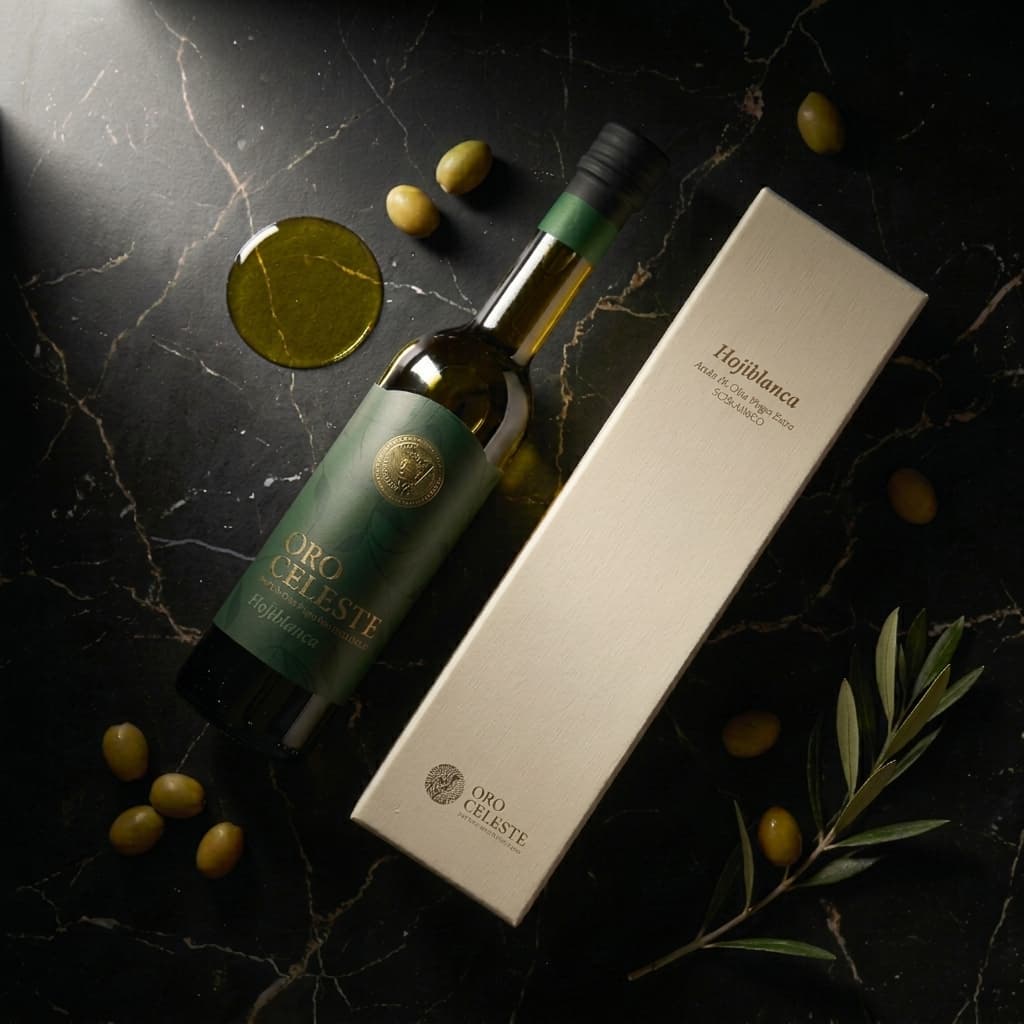
ORO CELESTE prints a QR code on every product label, linking directly to the lab certificate for the batch that bottle belongs to. Pointing a smartphone camera at the code opens the corresponding report without any app or login required.

What the QR Page Shows
Six data points appear on a single screen. A batch ID identifies the pressing and bottling line. The pressing date shows how quickly the olives were processed after harvest. Acidity is recorded to two decimal places. Polyphenol content is listed with a note indicating whether the figure falls below or above the detection limit. Sensory evaluation results cover each defect category on a 0–5 scale. Finally, the best-before date is calculated from the pressing date and displayed alongside the rest of the certificate.
Why Batch-Level Testing Matters

It is common practice in the EVOO category for a producer to conduct one round of testing at the brand or product-line level and apply those results uniformly across the entire range. ORO CELESTE runs a separate test for every pressing and bottling batch and publishes the outcome simultaneously on the label and on the QR-linked certificate page. The result is that the acidity and polyphenol figures printed on a given bottle correspond to the actual measured values for that batch. The ability for a shopper to verify the quality data for the precise bottle they are holding at the shelf is the core of what ORO CELESTE describes as its transparency policy.
Frequently asked questions
- What information does the ORO CELESTE QR code show?
- Scanning the QR code on the label opens the lab certificate for that specific batch. The page displays the batch ID, pressing date, acidity to two decimal places, polyphenol content (including whether it falls below or above detection limits), sensory evaluation scores on a 0–5 scale for each defect category, and the best-before date calculated from the pressing date.
- Do the numbers on the ORO CELESTE label match the actual lab results?
- Yes. ORO CELESTE runs a separate test for each pressing and bottling batch and publishes those results both on the label and on the QR-linked page, so the acidity and polyphenol figures printed on any given bottle correspond to the measured values for that batch.
- How is batch-level testing different from standard EVOO labelling?
- Many EVOO producers conduct a single test at the brand or product-line level and apply those figures across an entire range. ORO CELESTE tests each individual pressing and bottling batch separately, meaning the data a shopper sees reflects the specific oil in that bottle rather than a broader average.
Related reading
- Acidity Is Only the Beginning: Three Numbers That Reveal Olive Oil Rancidity
Free fatty acids tell only part of the story. Peroxide value, UV absorbance (K232 and K270), and hexanal each capture a different stage of oxidation — and reading all four together is the only way to assess what is really in the bottle.
- ORO CELESTE Discloses Lab-Certified Polyphenol Counts — Picual Exceeds 800 mg/kg Detection Limit
ORO CELESTE has published certified lab figures for three single-varietal extra virgin olive oils directly on labels and its official website. Picual tested above the instrument detection limit at 800 mg/kg or more; Ojiblanca and Sibarita came in at 600 mg/kg or more and 500 mg/kg or more, respectively.
- Picual, Arbequina, Coratina, Moraiolo: A Cultivar Guide to Olive Oil Flavor
Flavor in extra virgin olive oil begins with the olive itself. This guide breaks down the origins, sensory profiles, polyphenol levels, and best uses of four cultivars that dominate the premium EVOO market.
- Sibarita Up Close: Tomato-Leaf Green and the Art of Delicate Balance
ORO CELESTE's Sibarita delivers acidity of 0.14% and polyphenol levels above 500 mg/kg, with a profile built around vivid tomato-leaf green notes and a finish clean enough to let every dish speak for itself. A closer look at one of Andalusia's most underrated cultivars.
- 160°C, 180°C, 200°C: How Oven Temperature Changes What Olive Oil Does to Your Food
From gentle low-temperature roasting to high-heat crisping, oven temperature shapes how extra virgin olive oil behaves on your food. This guide covers smoke-point myths, polyphenol retention, and the Maillard reaction — with practical tips for each temperature band.
- Every Bottle, Its Own QR Code: Inside ORO CELESTE's Batch Traceability System
ORO CELESTE attaches a unique QR code to each production batch, linking directly to that batch's certificate of analysis. This guide explains why acidity and polyphenol figures shift from batch to batch — and what genuine transparency on the label is actually worth to a buyer.
Tags
- transparency
- extra virgin olive oil
- lab certification
- polyphenols
- quality