Craft
Every Bottle, Its Own QR Code: Inside ORO CELESTE's Batch Traceability System
ORO CELESTE attaches a unique QR code to each production batch, linking directly to that batch's certificate of analysis. This guide explains why acidity and polyphenol figures shift from batch to batch — and what genuine transparency on the label is actually worth to a buyer.
Translated from the Korean edition, originally published June 19, 2026 · read the original
One Question Inside Every QR Code
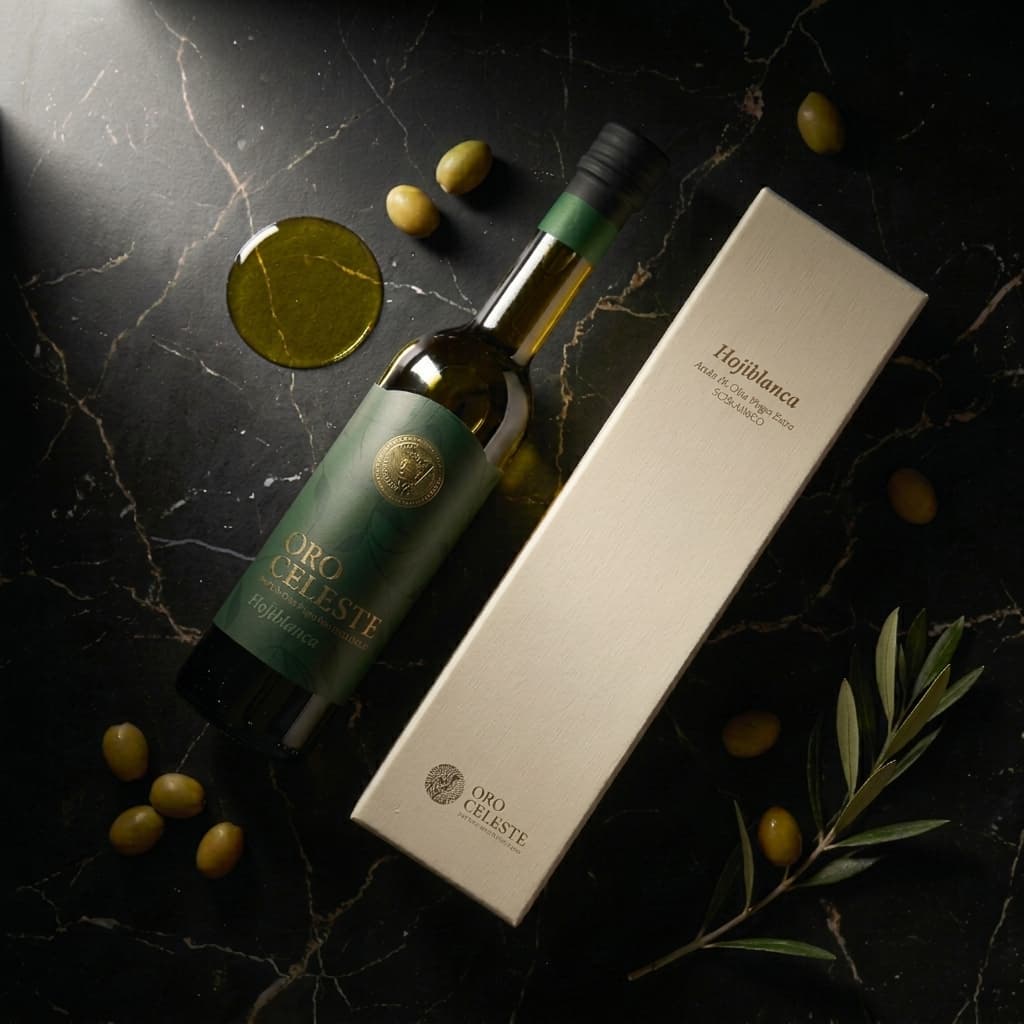
Scan the QR code on a bottle of olive oil and ask yourself what you expect to see. If it opens the brand's homepage, it is essentially a marketing redirect. If it opens the certificate of analysis for the specific batch in that bottle — harvest year, cultivar, pressing date, and acidity and polyphenol figures measured by an accredited third-party laboratory — the conversation changes entirely. That second outcome is the direction ORO CELESTE's QR system is designed to deliver.
From a consumer's perspective the difference is straightforward. "This is said to be a good oil" and "This oil's acidity is 0.16%, as recorded on certificate OC-2024-HJ-003" represent entirely different levels of confidence. The first is a claim; the second is a verifiable result.
What a Batch Is — and Why the Numbers Shift
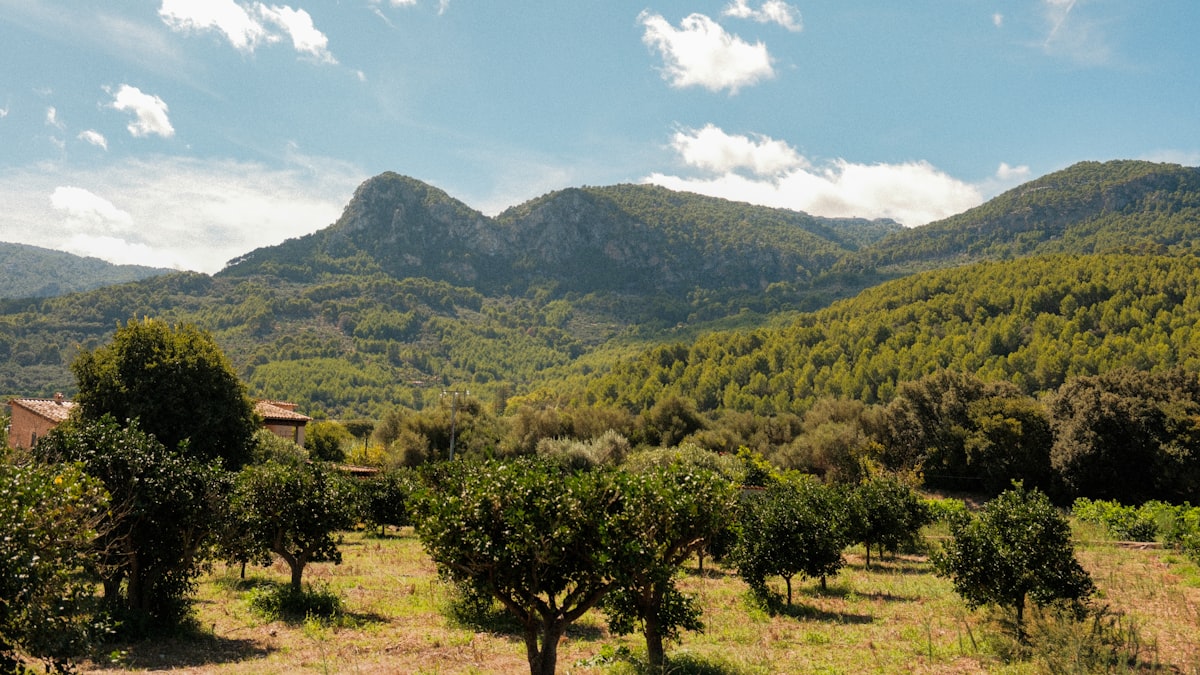
In olive oil production, a "batch" refers to oil produced under identical conditions: the same grove, the same harvest window, the same pressing run. Because olives are an agricultural crop, fruit maturity and chemical composition vary every season with climate, rainfall, and the exact moment of harvest. According to IOC technical guidelines, harvesting the same cultivar just two weeks earlier has been reported to raise polyphenol content by as much as 30–40%.
That means two bottles carrying the same brand name — 2023 Ojiblanca and 2024 Ojiblanca — may be measurably different oils. For ORO CELESTE's Ojiblanca, figures of 0.16% acidity and polyphenols above 600 mg/kg represent a quality floor; individual batch certificates may record values higher than those baselines. If a producer pools batches and publishes only a single average, the buyer has no way of knowing the actual condition of the specific bottle they purchased.
What a Certificate of Analysis Must Cover
A properly accredited extra virgin olive oil certificate goes well beyond a pass/fail stamp. Under EU Regulation EC No 2568/91 and its subsequent amendments, the chemical criteria required for extra virgin classification include free fatty acid content (acidity), peroxide value, UV absorbance at K232 and K268, and a sensory panel test score.
ORO CELESTE's QR system provides these results in the form of original or summary certificates issued by accredited third-party laboratories. Polyphenol content is not itself a legal grading criterion under that regulation, but publishing it voluntarily gives buyers an additional evidence base for quality. The baselines set for each cultivar are: Sibarita, 0.14% acidity and polyphenols above 500 mg/kg; Picual, 0.20% acidity and polyphenols above 800 mg/kg.
Context for why polyphenol figures carry weight beyond marketing: in a 2011 opinion, the European Food Safety Authority (EFSA) reported that olive oil polyphenols — specifically hydroxytyrosol and its derivatives — are associated with the protection of LDL particles from oxidative damage at defined intake levels. On the basis of that opinion, the EU permits a specific health claim for qualifying oils under set conditions. That regulatory background is the reason polyphenol disclosure can function as genuine consumer information rather than simply a promotional number.
Why Per-Batch Operations Are Rare
There are practical reasons this structure is not more widely adopted. Separating each run, commissioning independent laboratory testing for each batch, and issuing individual certificates multiplies both cost and time. In high-volume production, blending oils from multiple origins and harvest dates is the efficient path to a consistent flavour profile and stable specification. Blending is not inherently a problem — but once an oil is blended, the trail back to a specific grove and a specific day of harvest is gone.
According to a 2023 consumer-trust survey published by the International Food Information Council (IFIC), the proportion of shoppers who consider "the ability to verify production history" important when buying food increased by 11 percentage points year on year. Traceability is beginning to influence purchasing decisions in a measurable way. A per-batch QR system is a direct structural response to that shift.
How to Use the QR Code
Scan the code on the back or side of the bottle and you will reach the certificate page for that batch number. There are three things worth confirming. First, whether acidity is below 0.8% — the extra virgin ceiling under EU regulation — and ideally below 0.3%. Second, whether the testing body is an accredited third-party laboratory rather than an in-house facility. Third, whether the certificate issue date corresponds to the harvest year printed on the label.
Checking those three points takes roughly thirty seconds. But those thirty seconds are what separates "I've heard this is a good oil" from "this oil's acidity is 0.16% and it cleared a third-party test last month." A QR code is the interface that converts a brand's claim into data a buyer can actually examine. The reason each batch needs its own code on each bottle is, in the end, the same reason.
Frequently asked questions
- What should an olive oil QR code actually show you?
- A meaningful QR code should open the certificate of analysis for the specific production batch in that bottle — including harvest year, cultivar, pressing date, and third-party-verified acidity and polyphenol figures. A link to a brand homepage is a marketing tool, not a traceability document.
- Why do acidity and polyphenol numbers change from one batch to the next?
- Olive oil is an agricultural product. Rainfall, temperature, and harvest timing all influence fruit maturity and chemical composition. According to IOC technical guidelines, harvesting the same cultivar just two weeks earlier can raise polyphenol content by as much as 30–40%. The figures on one year's certificate will not automatically match the next.
- What items must a certified extra virgin olive oil analysis report include?
- Under EU Regulation EC No 2568/91 and its amendments, chemical criteria for extra virgin classification include free fatty acid content (acidity), peroxide value, UV absorbance at K232 and K268, and a sensory panel test score. Polyphenol content is not a legal grading criterion, but producers may publish it voluntarily as additional quality evidence.
- Why don't more olive oil producers operate a per-batch QR system?
- Running separate laboratory testing and issuing individual certificates for each batch multiplies both cost and lead time. Large-scale producers typically blend oils from multiple origins and harvest dates to maintain a consistent flavour and specification profile. Once blended, the oil can no longer be traced back to a specific grove or pressing date.
- How do I use the QR code on an ORO CELESTE bottle?
- Scan the code on the back or side of the bottle to reach the certificate page for that batch number. Check three things: whether acidity is below 0.8% (the extra virgin ceiling) and ideally below 0.3%; whether the testing laboratory is an accredited third-party body; and whether the certificate issue date aligns with the harvest year printed on the bottle. Those three checks take about thirty seconds.
Related reading
- Beyond the Meter's Limit — What ORO CELESTE Picual's Lab Report Actually Says
ORO CELESTE Picual's certificate of analysis carries a notation that its polyphenol reading exceeded the instrument's quantification limit. Here is a calm, precise look at what that number means in the context of olive oil quality.
- Reading Polyphenol Numbers on an Olive Oil Label: A Step-by-Step Comparison Guide
The mg/kg polyphenol figure printed on an extra virgin olive oil bottle is one of the most useful quality signals a label can carry — but only if you know how to read it. This guide walks through what the number means, how measurement method affects it, and what else to check alongside it.
- Picual, Arbequina, Coratina, Moraiolo: A Cultivar Guide to Olive Oil Flavor
Flavor in extra virgin olive oil begins with the olive itself. This guide breaks down the origins, sensory profiles, polyphenol levels, and best uses of four cultivars that dominate the premium EVOO market.
- QR Codes on Every Bottle: Inside ORO CELESTE's Batch-Level Transparency
ORO CELESTE prints a QR code on every product label, giving shoppers instant access to the batch-specific lab certificate — acidity, polyphenols, and sensory results — for the exact bottle in their hand.
- Sibarita Up Close: Tomato-Leaf Green and the Art of Delicate Balance
ORO CELESTE's Sibarita delivers acidity of 0.14% and polyphenol levels above 500 mg/kg, with a profile built around vivid tomato-leaf green notes and a finish clean enough to let every dish speak for itself. A closer look at one of Andalusia's most underrated cultivars.
- 160°C, 180°C, 200°C: How Oven Temperature Changes What Olive Oil Does to Your Food
From gentle low-temperature roasting to high-heat crisping, oven temperature shapes how extra virgin olive oil behaves on your food. This guide covers smoke-point myths, polyphenol retention, and the Maillard reaction — with practical tips for each temperature band.
Tags
- traceability
- certificate of analysis
- extra virgin olive oil
- polyphenols
- batch qr