Craft
160°C, 180°C, 200°C: How Oven Temperature Changes What Olive Oil Does to Your Food
From gentle low-temperature roasting to high-heat crisping, oven temperature shapes how extra virgin olive oil behaves on your food. This guide covers smoke-point myths, polyphenol retention, and the Maillard reaction — with practical tips for each temperature band.
Translated from the Korean edition, originally published September 6, 2026 · read the original
Oven Roasting and Olive Oil: Why Temperature Matters
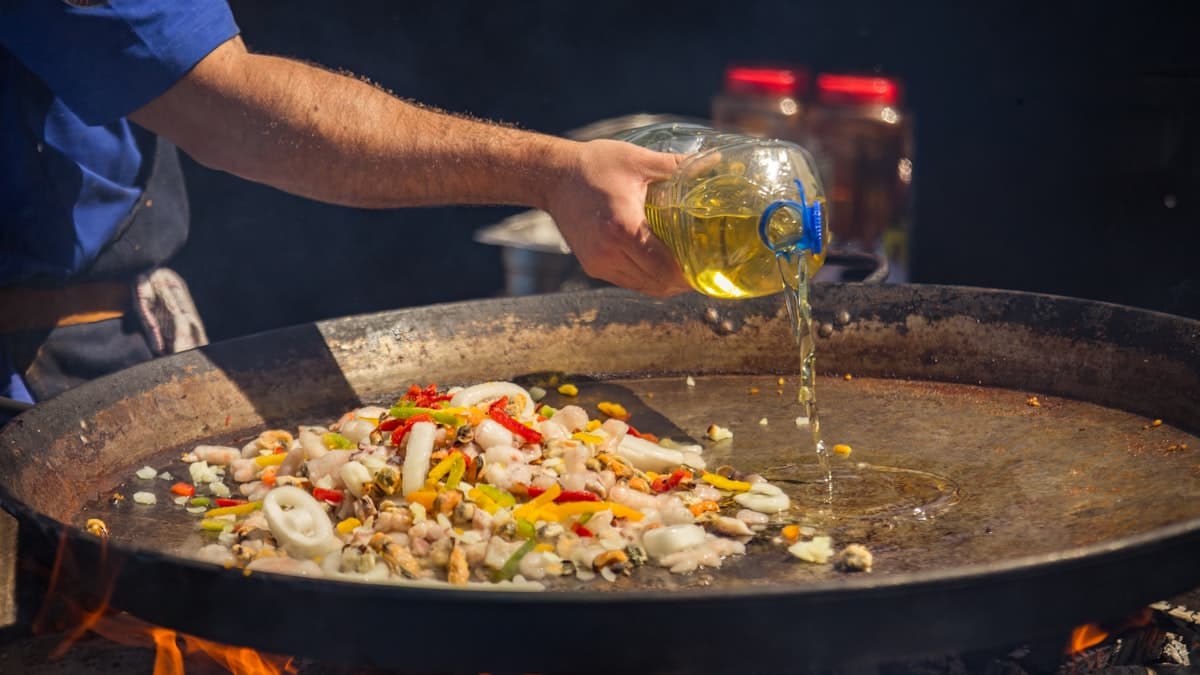
Before sliding a tray of vegetables or a fillet of fish into the oven, many home cooks ask the same question: is olive oil really the right choice at this temperature? Years of smoke-point anxiety have kept the doubt alive. The short answer is that the 160°C–200°C range common in domestic oven cooking sits comfortably within the thermal stability of extra virgin olive oil. What does change across that range is precisely how the oil interacts with your ingredients — and understanding those differences gives you real control over texture, flavour, and colour.
The smoke point of extra virgin olive oil varies with quality and acidity, but according to International Olive Council (IOC) data it is generally understood to fall between 190°C and 210°C. There is a widespread assumption that EVOO smokes at lower temperatures than refined olive oil, but high-quality, low-acidity extra virgin oils tend to show greater oxidative stability, not less. A 2020 study published in ACTA Scientific Nutritional Health reported that extra virgin olive oil generated fewer harmful oxidation compounds at high temperatures than several other vegetable oils; researchers noted that oleic acid and polyphenols are associated with this antioxidant role.
160°C — Low and Slow, Building Flavour Gently
At 160°C, you are in the slow lane of oven roasting. The surface of your ingredients dries gradually as moisture escapes, and the oil has ample time to penetrate the tissue of what you are cooking. Because heat-induced degradation of the oil is minimal at this temperature, the characteristic green notes, peppery finish, and fruity aromas of a good extra virgin olive oil remain relatively intact even after roasting.
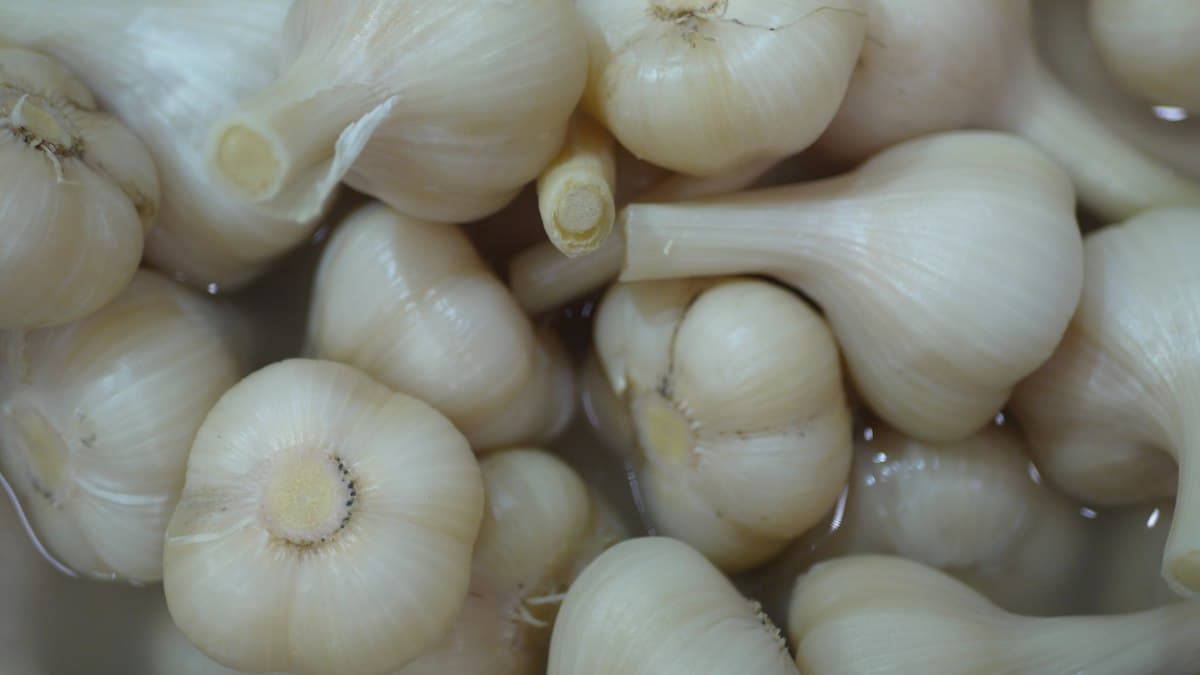
This temperature suits dense, low-moisture ingredients: carrots, beets, sweet potatoes, and whole heads of garlic. Garlic roasted at 160°C for 45–60 minutes concentrates its natural sweetness and merges with the oil to produce a creamy, spreadable texture. The trade-off is that Maillard browning — the chemical reaction responsible for a golden, caramelised crust — proceeds slowly here, so if surface colour is your goal, expect a longer cooking time.
180°C — The All-Purpose Setting, Where Balance Is the Point
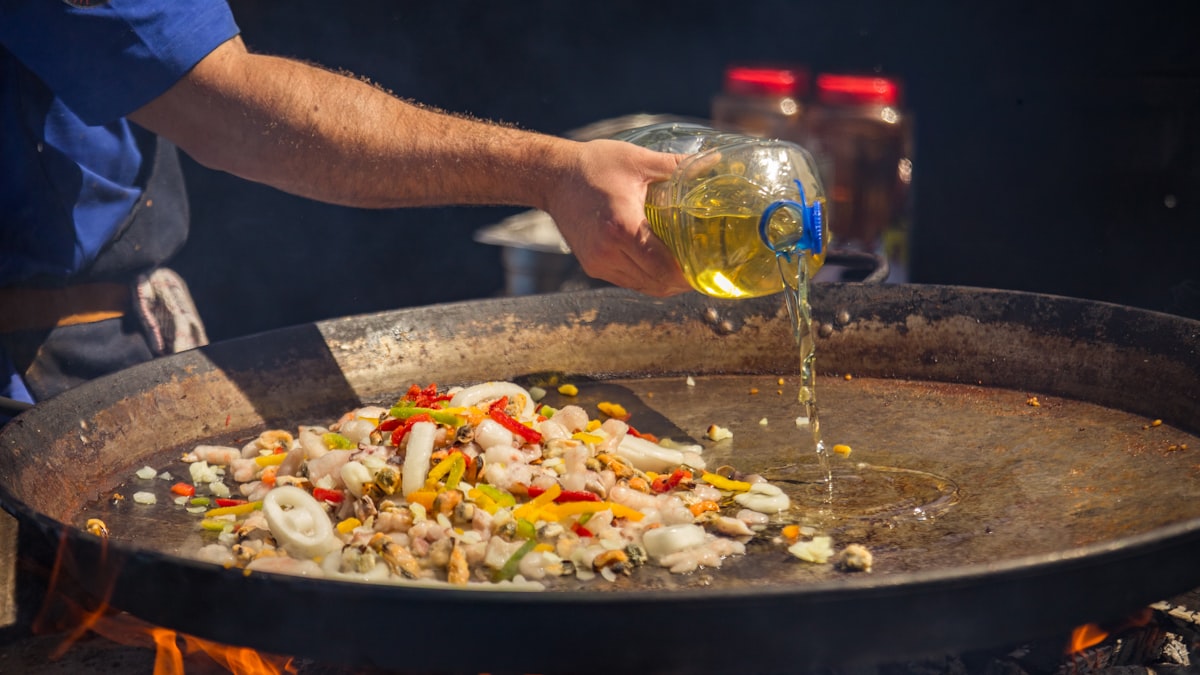
The most frequently cited temperature in home oven recipes, 180°C, sits at the balance point between flavour preservation and Maillard activity. Oleic acid — the dominant fatty acid in olive oil and a monounsaturate — is inherently more oxidatively stable than the polyunsaturated fats found in many seed oils, which means it behaves reliably at this temperature.
On polyphenol retention, there is a noteworthy finding. Researchers at the University of Córdoba reported that when olive oil was heated in an oven environment at 180°C for 40 minutes, total polyphenol content was approximately 40% of the starting value. Because oils with higher initial polyphenol concentrations retain more in absolute terms, selecting a high-polyphenol EVOO before cooking can still make a meaningful difference after cooking is done.
At 180°C, chicken breast, salmon, tofu, bell peppers, and courgette all roast well. Coating ingredients evenly in olive oil before they go in helps seal the surface and promotes uniform heat distribution. In baking, this temperature is a standard reference point; the baking and pastry research community frequently notes that substituting olive oil for butter at 180°C maintains a moist, tender crumb structure.
200°C — High Heat and Crispiness, Where Oil Quality Decides the Outcome
Above 200°C, rapid moisture evaporation and intense Maillard activity happen simultaneously. The surface of your food forms a crust quickly while steam pressure keeps the interior moist. Potato wedges, roasted broccoli, and pizza dough all produce their best results at this temperature.
At this level, oil quality matters more than at any other setting. A low-acidity, high-polyphenol extra virgin olive oil is associated with suppressing the formation of harmful by-products at high heat. Conversely, oils with higher acidity or lower refinement can degrade more rapidly at the same temperature. If smoke appears during cooking, or if the oil begins to darken noticeably, you are at or past the smoke point — the recommended response is to reduce the temperature by 10–15°C or to use a lighter coating of oil.
When You Add the Oil Matters as Much as the Temperature
Alongside temperature, timing has a substantial effect on the final result. Using olive oil as a pre-roasting coating and using it as a finishing drizzle after the food leaves the oven are fundamentally different techniques.
Pre-roasting coating makes the oil a medium of heat transfer. Spread evenly across the surface of your ingredients, it distributes oven heat uniformly so that Maillard browning occurs across the whole surface rather than in patches. Some polyphenols will be altered by heat in this role, but they contribute to the formation of roasted aromas in the process.
A finishing drizzle of high-quality EVOO added straight after roasting delivers the oil's full flavour profile and polyphenol content without any heat degradation at all. Pouring a small measure of fresh olive oil over roasted vegetables and finishing with coarse salt is a foundational step in Mediterranean cooking and is widely regarded as one of the most efficient ways to add a second layer of flavour to a dish.
Practical Summary: Olive Oil by Temperature
At 160°C, use a generous coating of a flavour-forward, high-quality extra virgin olive oil and finish the dish with the same oil after roasting — the layered approach brings out the best of what a delicate EVOO has to offer. At 180°C, choose a product with a solid polyphenol count as your cooking oil, and consider an additional finishing drizzle if intensity of flavour is a priority. At 200°C, a product with acidity below 0.2% is preferable; apply the oil in a thin, even layer across the surface of your ingredients rather than pooling it, which helps delay the point at which the oil approaches its smoke point. The principle that runs across all three temperature bands is the same: a fresh, low-acidity, high-polyphenol olive oil degrades less under heat and leaves more flavour — and more of its original character — on the plate.
Frequently asked questions
- Is extra virgin olive oil safe to use in an oven at 200°C?
- According to International Olive Council (IOC) data, the smoke point of extra virgin olive oil generally falls between 190°C and 210°C depending on quality and acidity. A high-quality, low-acidity EVOO used in moderate quantities can handle 200°C oven roasting. Visible smoke or darkening of the oil are signs you may be approaching or exceeding the smoke point, and reducing the temperature by 10–15°C is recommended.
- How much polyphenol is left in olive oil after oven cooking?
- A study from the University of Córdoba reported that after 40 minutes of heating at 180°C, total polyphenol content dropped to roughly 40% of the original level. Oils that start with higher polyphenol concentrations retain more in absolute terms, so choosing a high-polyphenol EVOO makes a measurable difference even after cooking.
- What is the best oven temperature for roasting vegetables with olive oil?
- 180°C is the most versatile setting, balancing flavour preservation with sufficient Maillard browning for most vegetables. Dense root vegetables such as carrots, beets, and sweet potatoes do well at 160°C with a longer roasting time, while broccoli, potatoes, and other ingredients that benefit from a crispy crust perform best at 200°C.
- Does the smoke point of extra virgin olive oil make it unsuitable for high-heat cooking?
- This is one of the most persistent myths about EVOO. A 2020 study published in ACTA Scientific Nutritional Health reported that extra virgin olive oil generated fewer harmful oxidation compounds at high temperatures compared with other common cooking oils. Researchers attributed this to the antioxidant activity of oleic acid and polyphenols. Smoke point alone does not determine an oil's suitability for cooking.
- Should I add olive oil before or after oven roasting?
- The two approaches serve different purposes. Coating food with olive oil before roasting helps distribute oven heat evenly and supports Maillard browning across the entire surface. Finishing with a drizzle of fresh, high-quality EVOO after the food comes out of the oven preserves its full flavour profile and polyphenol content without any heat degradation. Using both — a cooking coat and a finishing drizzle — builds layered flavour.
Related reading
- Picual, Arbequina, Coratina, Moraiolo: A Cultivar Guide to Olive Oil Flavor
Flavor in extra virgin olive oil begins with the olive itself. This guide breaks down the origins, sensory profiles, polyphenol levels, and best uses of four cultivars that dominate the premium EVOO market.
- QR Codes on Every Bottle: Inside ORO CELESTE's Batch-Level Transparency
ORO CELESTE prints a QR code on every product label, giving shoppers instant access to the batch-specific lab certificate — acidity, polyphenols, and sensory results — for the exact bottle in their hand.
- Sibarita Up Close: Tomato-Leaf Green and the Art of Delicate Balance
ORO CELESTE's Sibarita delivers acidity of 0.14% and polyphenol levels above 500 mg/kg, with a profile built around vivid tomato-leaf green notes and a finish clean enough to let every dish speak for itself. A closer look at one of Andalusia's most underrated cultivars.
- Every Bottle, Its Own QR Code: Inside ORO CELESTE's Batch Traceability System
ORO CELESTE attaches a unique QR code to each production batch, linking directly to that batch's certificate of analysis. This guide explains why acidity and polyphenol figures shift from batch to batch — and what genuine transparency on the label is actually worth to a buyer.
- Córdoba Terroir: The Soil, Altitude, and Microclimate Behind ORO CELESTE
In the inland hills of Córdoba, Andalusia, limestone soils, elevations of 400–600 m, and a rare transitional microclimate converge to shape the acidity, polyphenol concentration, and flavor profile of ORO CELESTE's extra virgin olive oils.
- Sautéing vs. Finishing: How Much Olive Oil to Use, and When
The right amount of olive oil depends entirely on how you are using it. From smoke-point basics to per-serving measurements for every technique, this guide covers what you need to know at the stove.
Tags
- cooking
- oven roasting
- extra virgin olive oil
- polyphenols
- heat stability