Craft
ORO CELESTE Discloses Lab-Certified Polyphenol Counts — Picual Exceeds 800 mg/kg Detection Limit
ORO CELESTE has published certified lab figures for three single-varietal extra virgin olive oils directly on labels and its official website. Picual tested above the instrument detection limit at 800 mg/kg or more; Ojiblanca and Sibarita came in at 600 mg/kg or more and 500 mg/kg or more, respectively.
Translated from the Korean edition, originally published June 3, 2026 · read the original
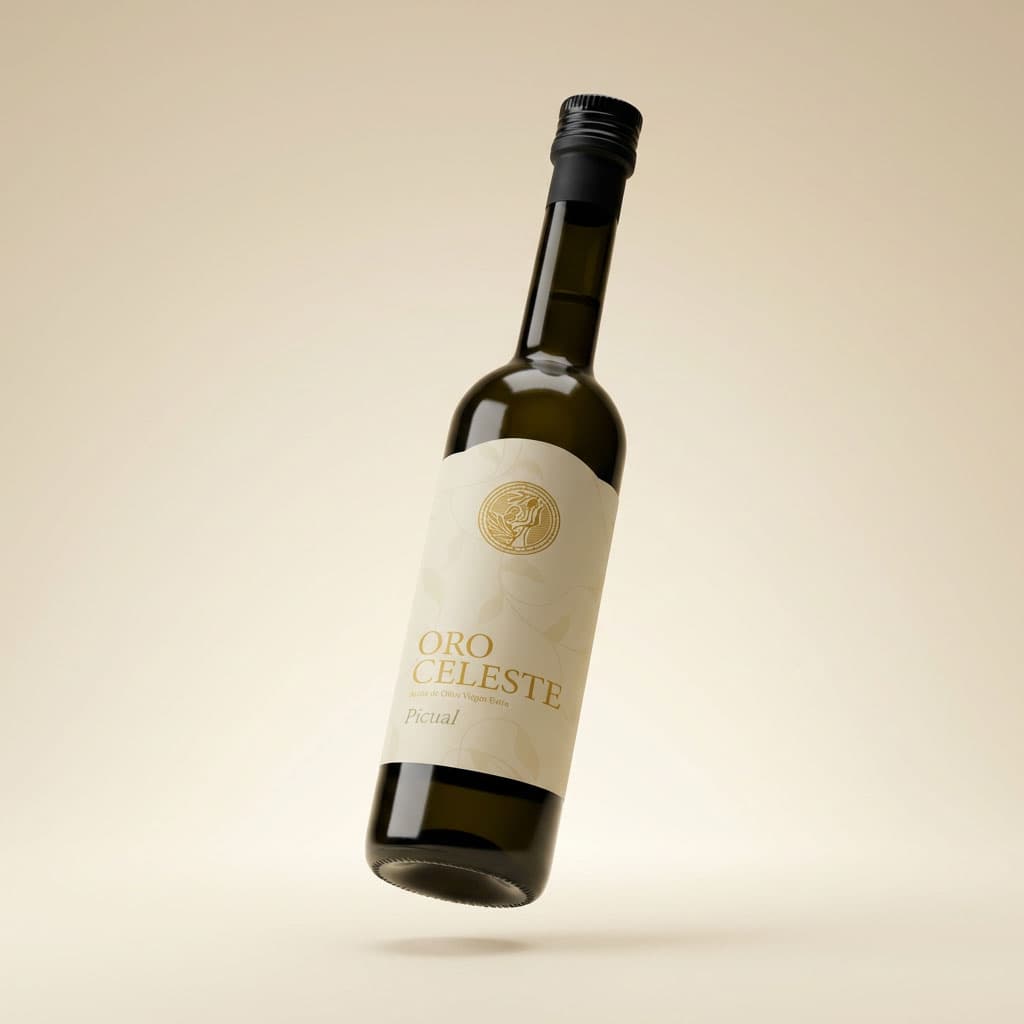
ORO CELESTE has published the polyphenol figures from certified laboratory reports for three single-varietal extra virgin olive oils, reproducing them verbatim on product labels and on its official website. According to the brand, Picual tested at 800 mg/kg or more — exceeding the instrument detection limit — while Ojiblanca came in at 600 mg/kg or more and Sibarita at 500 mg/kg or more.
The EU labeling threshold is 250 mg/kg
EU Regulation EC 432/2012 sets a clear benchmark for polyphenol label declarations on olive oil. The regulated compounds are hydroxytyrosol and its derivatives, and the qualifying level is approximately 250 mg/kg or above. All three ORO CELESTE varietals tested at two to three times that figure or more. It should be noted that EC 432/2012 is an EU-specific labeling provision, not a general efficacy certification; ORO CELESTE states that it cites the lab figures purely as comparative reference information, reproduced exactly as they appear in the certified reports.
What drives the numbers

Polyphenol content in extra virgin olive oil is shaped by three main factors: cultivar genetics, harvest timing, and processing. ORO CELESTE states that it deliberately harvests early in the season to preserve polyphenols, accepting a lower oil yield as a consequence. The polyphenol figure for each production batch is taken directly from that batch's certified lab report and matched to the corresponding label declaration.
Frequently asked questions
- What polyphenol levels does ORO CELESTE report for its single-varietal olive oils?
- According to ORO CELESTE's published lab certificates, Picual tests at 800 mg/kg or more (above the instrument detection limit), Ojiblanca at 600 mg/kg or more, and Sibarita at 500 mg/kg or more.
- What is the EU polyphenol labeling threshold for olive oil?
- Under EU Regulation EC 432/2012, an olive oil may make a polyphenol-related label declaration when its content of hydroxytyrosol and its derivatives reaches approximately 250 mg/kg or above. All three ORO CELESTE varietals exceed that threshold by at least two to three times, based on their published lab figures.
- Why does the Picual reading show '800 mg/kg or more' rather than an exact number?
- The value of 800 mg/kg represents the upper detection limit of the testing instrument used. The actual polyphenol content may be higher, but the lab cannot assign a precise figure beyond that ceiling, so the result is reported as ≥800 mg/kg.
Related reading
- Vintage Notes: How Each Harvest Year Shapes ORO CELESTE's Flavor
Like wine, extra virgin olive oil carries the fingerprint of its harvest year. This editor's note tracks how climate and timing shift the aroma and taste of ORO CELESTE's three cultivars—Picual, Ojiblanca, and Sibarita—vintage by vintage.
- QR Codes on Every Bottle: Inside ORO CELESTE's Batch-Level Transparency
ORO CELESTE prints a QR code on every product label, giving shoppers instant access to the batch-specific lab certificate — acidity, polyphenols, and sensory results — for the exact bottle in their hand.
- Sibarita Up Close: Tomato-Leaf Green and the Art of Delicate Balance
ORO CELESTE's Sibarita delivers acidity of 0.14% and polyphenol levels above 500 mg/kg, with a profile built around vivid tomato-leaf green notes and a finish clean enough to let every dish speak for itself. A closer look at one of Andalusia's most underrated cultivars.
- One Farm, Three Cultivars: The Córdoba Origin of ORO CELESTE
On a single estate in Córdoba, Andalusia, ORO CELESTE presses Ojiblanca, Sibarita, and Picual olives within 24 hours of harvest — capturing the terroir of one of Spain's most storied olive-growing regions in every bottle.
- ORO CELESTE Picual Deep Dive — Peppery Intensity and Off-the-Chart Polyphenols
ORO CELESTE's Picual registers an acidity of 0.20% and polyphenols above 800 mg/kg — figures that push standard laboratory instruments to their measurement limits. This guide examines what those numbers mean and why this oil's peppery finish is in a category of its own.
- Beyond the Meter's Limit — What ORO CELESTE Picual's Lab Report Actually Says
ORO CELESTE Picual's certificate of analysis carries a notation that its polyphenol reading exceeded the instrument's quantification limit. Here is a calm, precise look at what that number means in the context of olive oil quality.