Craft
Vintage Notes: How Each Harvest Year Shapes ORO CELESTE's Flavor
Like wine, extra virgin olive oil carries the fingerprint of its harvest year. This editor's note tracks how climate and timing shift the aroma and taste of ORO CELESTE's three cultivars—Picual, Ojiblanca, and Sibarita—vintage by vintage.
Translated from the Korean edition, originally published July 27, 2026 · read the original
Olive Oil Has Vintages Too
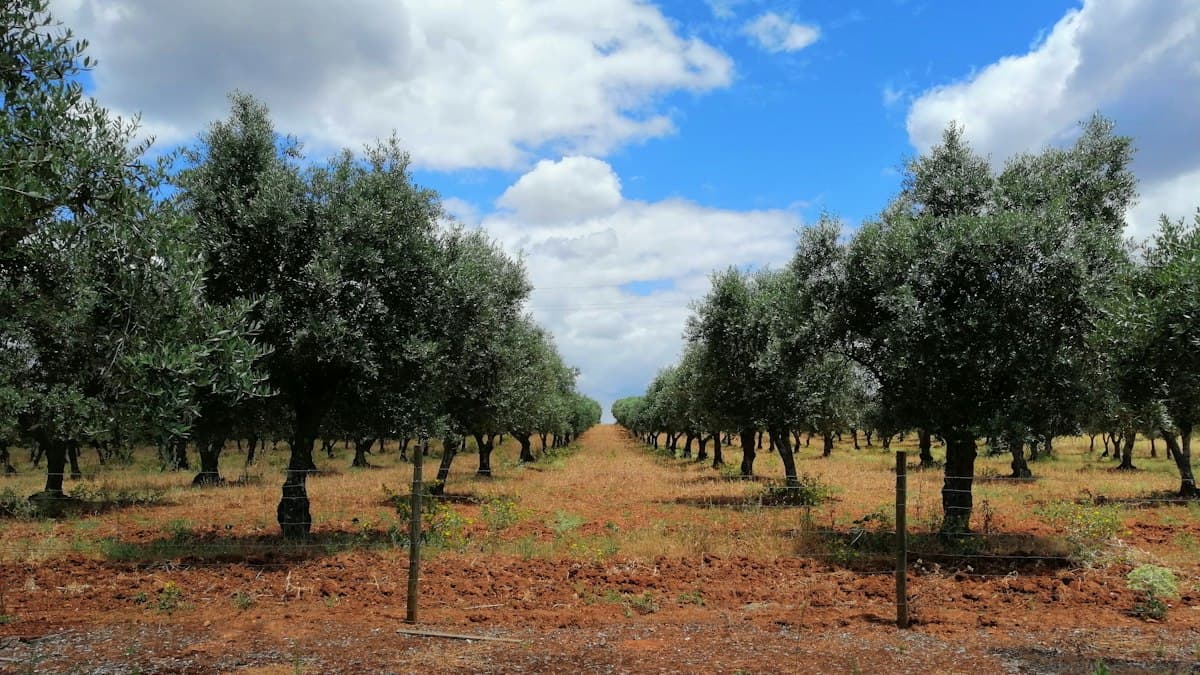
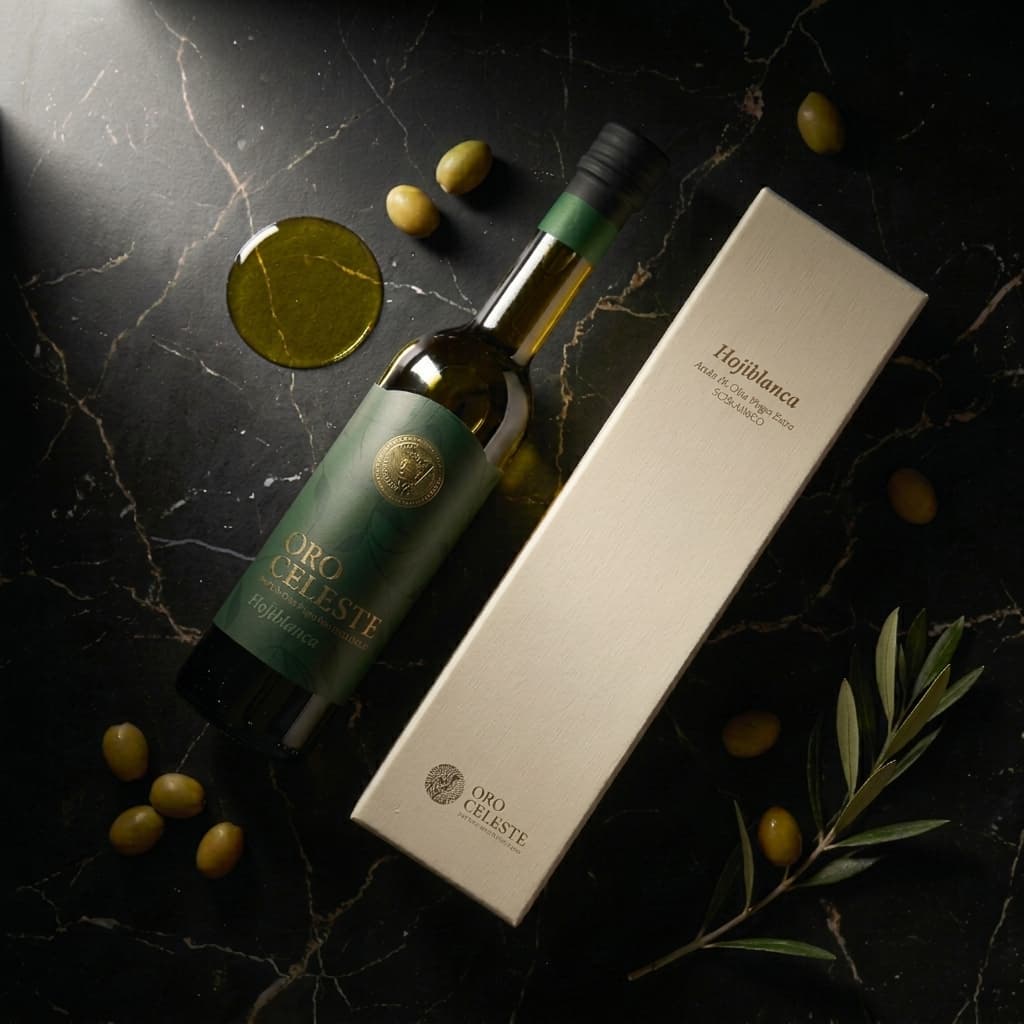
Anyone drawn to wine knows the word 'vintage.' The same vineyard, the same grape variety, and yet the liquid in the bottle tells a completely different story depending on the year it was grown. Extra virgin olive oil works the same way. The less processing involved, the more faithfully the oil reflects what actually happened on those Andalusian hillsides that season—how much rain fell, how sharply the temperature dropped in the weeks before harvest.
According to data published by the International Olive Council (IOC), the polyphenol concentration in olive fruit can vary across a range of 30–40% depending on that season's temperature, sunlight, and rainfall at harvest time. That means even the same farm, the same cultivar, and the same hands can produce a noticeably different oil from one year to the next. ORO CELESTE's three cultivars—Picual, Ojiblanca, and Sibarita—each carry vintage's fingerprint in their own way.
Picual: A Chronicle of Intensity
Picual is the defining cultivar of Jaén, Spain, and its forceful character means vintage differences show up here more dramatically than anywhere else in the ORO CELESTE lineup. ORO CELESTE Picual is produced at an acidity of 0.20% and a polyphenol level above 800 mg/kg—the highest phenolic density of the three cultivars.
In years that were dry and rich in sunshine, the oil opens with an explosive burst of green tomato and freshly cut grass. The peppery finish (piccante) at the back of the throat lingers long, while the bitterness (amaro) is sharp but short. In years that saw somewhat more rainfall, the overall intensity softens and artichoke and ripe-herb nuances move to the foreground. Whatever the vintage, the black-pepper character that marks Picual's identity never disappears—it is the cultivar's signature.
Ojiblanca: Seasonal Detail Inside Elegance
Ojiblanca is grown mainly along the border between Córdoba and Málaga and is known for its delicate fruitiness and almond-apple nuance. ORO CELESTE Ojiblanca is produced at an acidity of 0.16% and a polyphenol level above 600 mg/kg, giving it the most balanced profile of the three cultivars.
In vintages where temperatures shifted gradually and water supply was stable, the oil layers complex notes of green apple, pear, and almond cream, with pungency and bitterness providing a harmonious supporting structure. In years that endured a long summer drought, the fruit character concentrates and the herbal nuance intensifies, while pungency rises slightly. According to analysis published by AEMO, the Spanish specialist olive oil assessment body, Ojiblanca harvested earlier in the season has been reported to yield higher polyphenol concentrations and more pronounced freshness in the fruit aromatics.
Sibarita: The Quietest Vintage Variation
Sibarita is a relatively lesser-known cultivar, yet among olive oil specialists it is consistently described as the variety that absorbs vintage variation most gracefully. ORO CELESTE Sibarita has an acidity of 0.14%—the lowest of the three—and a polyphenol level above 500 mg/kg.
Sibarita's vintage shifts are subtle rather than dramatic. In favorable years, white florals, banana, and fresh almond spread evenly at medium intensity, with a sweetness on the finish that outlasts any pungency. In climatically stressed years, the green-almond note pulls back slightly and a quiet herb-and-artichoke undertone emerges, but the cultivar's overall softness remains consistent regardless of the vintage. That reliability is precisely why people who reach for an olive oil every day tend to favour Sibarita.
How to Read a Vintage: Label and Tasting
To engage with olive oil vintages, it helps to build one habit at the shelf: find the harvest year, labeled as 'Harvest Date' or the Spanish word 'Cosecha.' IOC guidelines recommend consuming extra virgin olive oil within 18–24 months of harvest. A bottle pressed this season is, right now, at its most vivid.
Tasting is straightforward. Pour a small amount into a narrow glass, cup it in both hands to warm it gently to body temperature, and inhale. Take a small sip and spread the oil across the entire tongue before paying attention to the sensation at the back of the throat. Pronounced peppery heat suggests a polyphenol-rich vintage; fruit aromatics that lead clearly suggest either a later pick date or a milder growing season. Neither is objectively better—but the moment you notice the difference, a bottle of olive oil stops being a pantry staple and becomes a record of a specific place and year.
Why Keep Vintage Notes at All
Wine lovers keep tasting notes; olive oil enthusiasts can do the same. Date, cultivar, first aroma, the finish, the dish it went with. As those small records accumulate, you build your own vocabulary for which year's Picual hit hardest, which vintage of Ojiblanca found the best balance.
ORO CELESTE harvests from the same groves, with the same hands, every season. But the story inside each bottle shifts a little from year to year. Learning to notice that shift is, arguably, the deepest pleasure that craft olive oil has to offer.
Frequently asked questions
- Does olive oil really change flavor from year to year like wine?
- Yes. According to the International Olive Council (IOC), polyphenol concentration in olive fruit can vary by as much as 30–40% depending on that season's temperature, sunlight, and rainfall. For a minimally processed oil like extra virgin, those variables translate directly into shifts in aroma intensity, bitterness, and pungency.
- Which ORO CELESTE cultivar shows the biggest vintage-to-vintage difference?
- Picual tends to show the most dramatic swings. Its polyphenol level sits above 800 mg/kg, and in drier, sunnier years the green-tomato and freshly cut grass aromas are especially explosive. In higher-rainfall years the profile softens noticeably toward artichoke and ripe herb, though the characteristic black-pepper finish remains.
- How do I find the harvest year on an olive oil label?
- Look for 'Harvest Date' or the Spanish word 'Cosecha' followed by a year. IOC guidelines recommend consuming extra virgin olive oil within 18–24 months of the harvest date for optimal freshness, so this figure is worth checking before you buy.
- What does a strong peppery finish mean when I taste olive oil?
- A pronounced peppery sensation at the back of the throat—known as piccante—is generally associated with higher polyphenol content. If pungency dominates over fruitiness in a given bottle, it often signals a cooler, drier harvest year or an earlier pick date, both of which tend to concentrate phenolic compounds.
- Is Sibarita worth choosing if I want a consistent oil across vintages?
- Sibarita is noted among olive oil specialists for absorbing vintage variation more quietly than other cultivars. Its acidity of 0.14% is the lowest of the three ORO CELESTE cultivars, and its overall softness—white florals, fresh almond, a gentle sweetness on the finish—holds relatively steady even in climatically stressful years, making it a reliable choice for everyday cooking.
Related reading
- ORO CELESTE Discloses Lab-Certified Polyphenol Counts — Picual Exceeds 800 mg/kg Detection Limit
ORO CELESTE has published certified lab figures for three single-varietal extra virgin olive oils directly on labels and its official website. Picual tested above the instrument detection limit at 800 mg/kg or more; Ojiblanca and Sibarita came in at 600 mg/kg or more and 500 mg/kg or more, respectively.
- One Farm, Three Cultivars: The Córdoba Origin of ORO CELESTE
On a single estate in Córdoba, Andalusia, ORO CELESTE presses Ojiblanca, Sibarita, and Picual olives within 24 hours of harvest — capturing the terroir of one of Spain's most storied olive-growing regions in every bottle.
- The Mediterranean Art of Oil Poaching Fish: Ratios, Temperatures, and Cultivar Pairings
Oil poaching — gently cooking fish submerged in olive oil at low heat — is a cornerstone technique of Mediterranean kitchens. This guide covers everything from choosing the right EVOO to precise temperature ranges and the oil ratios that make the difference.
- Sibarita Up Close: Tomato-Leaf Green and the Art of Delicate Balance
ORO CELESTE's Sibarita delivers acidity of 0.14% and polyphenol levels above 500 mg/kg, with a profile built around vivid tomato-leaf green notes and a finish clean enough to let every dish speak for itself. A closer look at one of Andalusia's most underrated cultivars.
- ORO CELESTE Ojiblanca: Apple, Grass, and a Long Almond Finish
ORO CELESTE's Ojiblanca registers 0.16% acidity and more than 600 mg/kg polyphenols — numbers that frame a flavor profile built in three distinct layers, from green-apple aroma to a gently peppery close.
- ORO CELESTE Picual Deep Dive — Peppery Intensity and Off-the-Chart Polyphenols
ORO CELESTE's Picual registers an acidity of 0.20% and polyphenols above 800 mg/kg — figures that push standard laboratory instruments to their measurement limits. This guide examines what those numbers mean and why this oil's peppery finish is in a category of its own.