Table
The Mediterranean Art of Oil Poaching Fish: Ratios, Temperatures, and Cultivar Pairings
Oil poaching — gently cooking fish submerged in olive oil at low heat — is a cornerstone technique of Mediterranean kitchens. This guide covers everything from choosing the right EVOO to precise temperature ranges and the oil ratios that make the difference.
Translated from the Korean edition, originally published September 16, 2026 · read the original
What Is Oil Poaching?
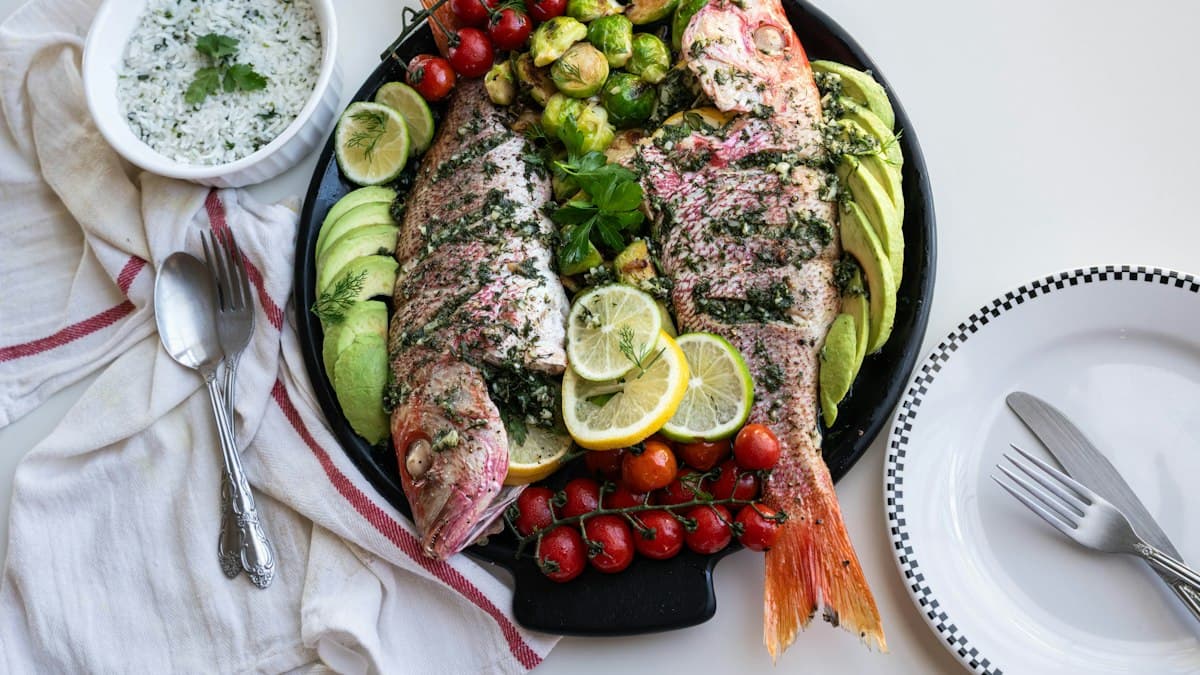
Poaching is a moist-heat cooking method in which an ingredient is cooked slowly in liquid at low temperature. When olive oil replaces water as the medium, the technique is called oil poaching — or, in the French tradition, confit. Along the Mediterranean coast, cooks have been submerging tuna, salt cod, and sea bass in olive oil and coaxing them to temperature for hundreds of years; the same principle is now a fixture in fine-dining kitchens worldwide.
The defining difference from grilling or steaming is the temperature range. Oil poaching targets 60–85 °C — well below the boiling point of water (100 °C). Within that window, fish proteins contract gradually rather than seizing up, so the flesh stays tender and moist throughout. A study published in the International Journal of Food Science in 2019 reported that low-temperature oil cooking produced approximately 30% less moisture loss in fish compared with high-heat pan-frying.
Choosing the Right Olive Oil
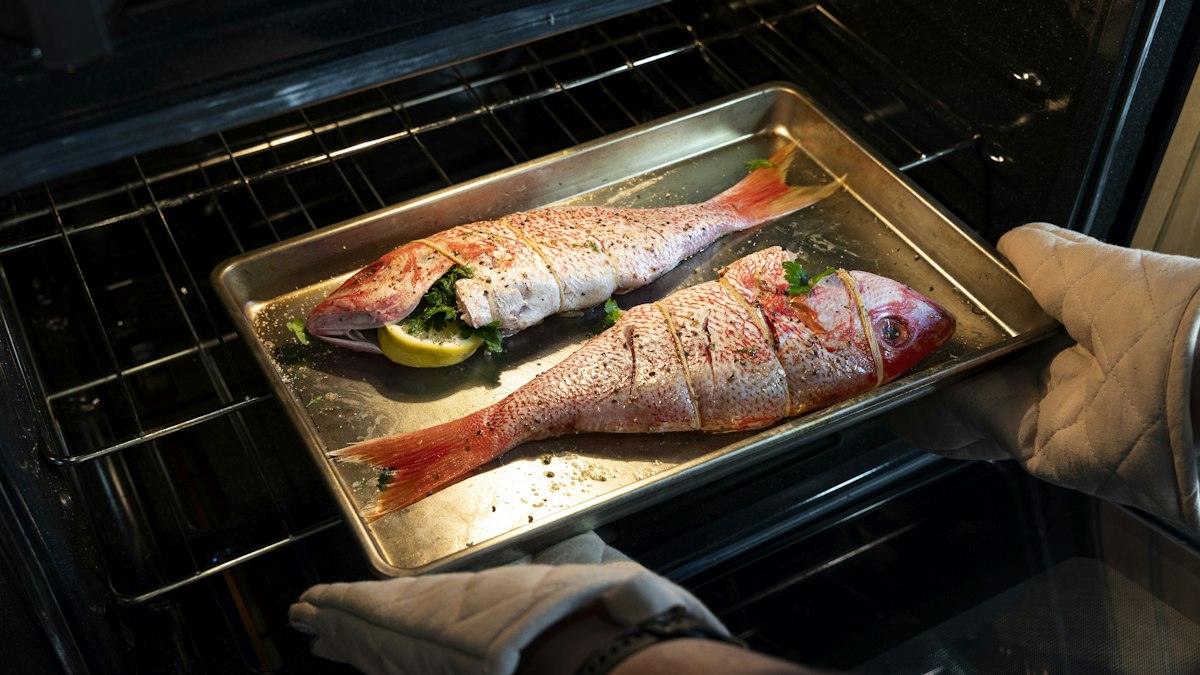
In oil poaching, the oil is not merely a heat-transfer medium — it functions as a sauce, contributing aroma and flavour directly to the fish. The choice of extra virgin olive oil (EVOO) therefore shapes the final result.
Smoke point and acidity are the starting point. High-quality EVOO has a smoke point generally reported at 190–215 °C, far above the 60–85 °C poaching range, so thermal degradation of flavour compounds is minimal. According to the International Olive Council (IOC), oils with lower acidity tend to be more resistant to oxidative deterioration and maintain better flavour stability when heated.
Cultivar character should also guide the selection. Picual carries bold herbal and grassy notes that hold up well against fatty fish like tuna or amberjack. Hojiblanca offers medium-intensity almond and fruit tones that complement delicate white fish — sea bream, turbot, sole. Sibarita brings a fine, buttery nuance that works particularly well when poaching shellfish such as scallops or prawns.
Polyphenol content is a further quality indicator: oils with higher polyphenol levels are understood to retain more of their antioxidant potential during gentle heating, making them a considered choice for this technique.
Oil Ratios and Temperatures — the Critical Numbers
The success of oil poaching depends on getting both the quantity of oil and the temperature management right.
Oil ratio: The fish must be fully submerged — that is the cardinal rule. For a fillet roughly 3–4 cm thick, a single portion of around 180 g requires approximately 150–200 mL of olive oil. Choosing a saucepan or baking dish that fits the fish snugly reduces waste considerably. Oil left over after poaching retains the herbs and aromatics it has absorbed and can be used as a pasta sauce base or salad dressing.
Temperature zones govern texture:
At 60–65 °C, tuna confit reaches a semi-translucent, just-set texture — the interior remains slightly glossy, similar in feel to Japanese-style rare tuna.
At 70–75 °C, white fish (sea bream, sea bass, turbot) is the standard window. Proteins set fully while moisture is retained.
At 80–85 °C, thick salmon steaks and cod fillets reach a tender, flaking texture that pulls apart cleanly.
At home, the most practical approach is a probe thermometer clipped to the side of the pan. A very low burner — or, more reliably, an induction hob set to its lowest temperature — keeps the oil within a few degrees of the target. If the oil begins to bubble actively or show any trace of haze, that is a signal the temperature is climbing too high.
Step-by-Step Method
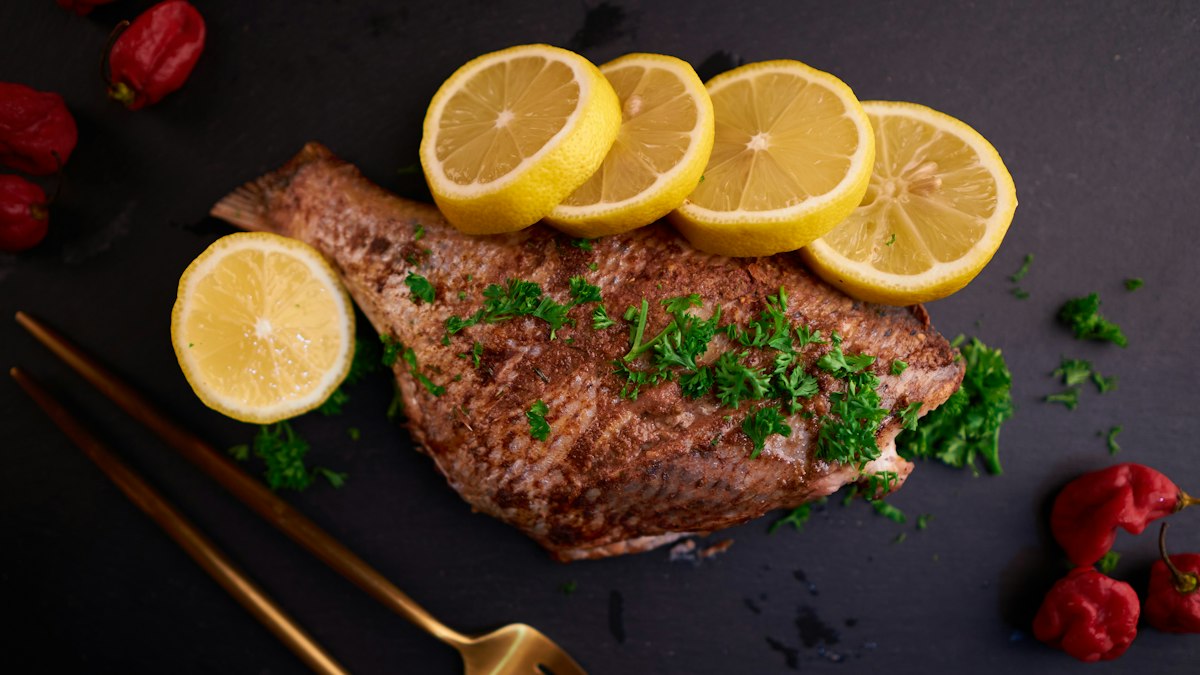
Prepare the fish. Pat the surface completely dry with paper towels. Residual moisture drops the oil temperature sharply and creates uneven cooking. Season lightly with salt at least 15–20 minutes before poaching; osmosis distributes the seasoning through the flesh evenly during that rest.
Heat the oil. Pour the olive oil into a snug pan and bring it to about 5 °C below your target temperature. Add aromatics at this stage — sprigs of thyme or rosemary, a bay leaf, a few slices of garlic — so their flavour infuses gently into the oil before the fish goes in.
Poach. Lower the fish carefully into the oil. The temperature will dip; nudge the heat up just enough to recover to the target. The ideal visual is an oil surface that is calm and barely trembling. Active bubbling means the temperature is too high. As a reference point, a fillet 2.5 cm thick generally takes around 15–20 minutes.
Finish. Lift the fish out and allow any excess oil to drain briefly. Lemon zest, fleur de sel, and fresh herbs bring the plating together and reinforce the aromatic profile of the olive oil.
Common Mistakes and How to Fix Them
Overheating the oil is the most frequent error. If smoke appears or the oil bubbles vigorously, turn off the heat immediately and move the pan to a cool burner. Significant flavour compounds are lost when the temperature overshoots.
Neglecting used-oil management: Poaching oil carries solids and moisture after use. Strain it through a fine-mesh sieve, transfer to a sealed container, and refrigerate; plan to use it within a week. The IOC's general guidance on storing used cooking oil emphasises keeping it sealed and away from light and air to preserve what flavour remains.
Uneven fillet thickness: When a fillet has a noticeably thicker loin end and a thin tail, place the thicker section in the oil first and add the thinner part about 30 seconds later. This simple stagger produces even doneness across the whole piece.
A Connection to the Mediterranean Table
Oil poaching is more than a technique; it embodies a Mediterranean culinary philosophy that treats olive oil as a flavour medium rather than a mere cooking fat. The traditional Catalan escabeche, the tuna confit of the Ligurian coast, and the sea bass preparations of Greek island villages all draw from the same principle: low heat, good oil, time.
According to a 2023 report by the food trend research platform TasteAtlas, Mediterranean low-temperature cooking techniques have been consistently classified as a category of sustained and growing interest in European and Asian food markets. Polyphenols in olive oil are understood to be partially retained even after gentle heating, which makes oil poaching a technique that food writers and chefs increasingly regard as both flavourful and thoughtful — though it is too early to draw broad conclusions about any specific health outcomes from the method alone.
Frequently asked questions
- What temperature should olive oil be for poaching fish?
- The target range is 60–85 °C, depending on the fish. Tuna confit works best at 60–65 °C for a semi-translucent, rare-like texture; white fish such as sea bream or sea bass at 70–75 °C; and thick salmon steaks or cod fillets at 80–85 °C. A probe thermometer is the most reliable way to stay within the window.
- How much olive oil do I need to poach fish?
- The fish must be fully submerged. As a general guide, a single portion (around 180 g) of fillet about 3–4 cm thick requires roughly 150–200 mL of olive oil. Using a snug-fitting pan or saucepan minimises the amount of oil needed.
- Can I reuse olive oil after poaching fish?
- Yes, once. Strain the used oil through a fine-mesh sieve to remove solids, transfer it to a sealed container, refrigerate it, and use it within a week — as a pasta dressing or for a vinaigrette. According to IOC guidance, keeping the oil away from light and air is the basic principle for preserving its flavour after use.
- Which extra virgin olive oil is best for poaching fish?
- Cultivar choice depends on the fish. Picual, with its robust herbal and grassy character, pairs well with fatty fish like tuna or amberjack. Hojiblanca's mid-intensity almond and fruit notes suit delicate white fish like sea bream or turbot. Sibarita's subtle, buttery nuance works well with shellfish such as scallops or prawns. In every case, a high-quality EVOO with low acidity and high polyphenols offers the best flavour stability during gentle heating.
- Is oil poaching the same as confit?
- The terms are closely related. Confit (from the French confire, 'to preserve') traditionally involves cooking and storing food in fat, while oil poaching refers specifically to the low-temperature cooking step. In practice, Mediterranean cooks use both terms for the same technique: submerging fish in olive oil and cooking it slowly at 60–85 °C.
Related reading
- Fried, Scrambled, Poached: How Olive Oil Changes Every Style of Egg
Olive oil is more than a non-stick coating in egg cookery — it shapes texture, aroma, and the final bite. This guide breaks down the right oil, temperature, and timing for fried, scrambled, and poached eggs.
- Hummus, Shakshuka, Sabich: How Israeli Cooking Uses Olive Oil at Every Layer
From the finishing pour on hummus to the base of a shakshuka and the layered construction of a sabich, olive oil functions as a primary ingredient on the Israeli table — not a neutral medium. This guide traces how Levantine culinary tradition treats the oil itself as the point.
- Matching Olive Oil Intensity to Your Ingredients: A Pairing Guide
Acidity and grade tell you whether an olive oil is good; intensity tells you where it belongs on the plate. This guide walks through the mild, medium, and intense tiers — and the cooking variables that shift the equation.
- Egg Salad Without Mayonnaise: A Ratio Guide to EVOO Dressing
An extra virgin olive oil base can replace mayonnaise in egg salad entirely — yielding a cleaner, brighter flavor with a lighter texture. This guide covers the core oil-to-acid ratio, cultivar-by-cultivar flavor differences, and practical tips for texture and storage.
- Roasting Vegetables in Olive Oil: Oil Quantity and Temperature by Vegetable Type
Not every vegetable needs the same amount of olive oil or the same oven temperature. This guide breaks down the optimal combinations by moisture content, starch level, and structure — so roasted vegetables come out evenly cooked with genuine depth of flavor.
- Soy, Gochujang, Doenjang: Ratio Guides for Korean Jang Dressings with Extra Virgin Olive Oil
Combining extra virgin olive oil with Korea's fermented jang pastes opens unexpected flavor territory — but the ratios matter. This guide breaks down the optimal oil-to-jang proportions for soy sauce, gochujang, and doenjang, with practical applications for each.