Table
Matching Olive Oil Intensity to Your Ingredients: A Pairing Guide
Acidity and grade tell you whether an olive oil is good; intensity tells you where it belongs on the plate. This guide walks through the mild, medium, and intense tiers — and the cooking variables that shift the equation.
Translated from the Korean edition, originally published September 10, 2026 · read the original

Why Intensity Deserves Attention Before Grade
When most people reach for an olive oil, the first things they check are whether it is extra virgin and what the acidity reads. Both are legitimate quality markers. But the variable that most directly determines whether an oil harmonizes with a dish is something else: flavor intensity.
The International Olive Council (IOC) sensory evaluation guidelines classify extra virgin olive oil according to three attributes — fruitiness, bitterness, and pungency — each scored on an intensity scale. According to those guidelines, the combination of the three scores places any given oil in one of three broad tiers: mild, medium, or intense. This is not a quality ranking; it is a description of how forcefully the oil registers on the palate. That distinction becomes practically useful the moment you try to match it to food.
The pairing principle is straightforward. Delicate ingredients call for a mild oil; rich, heavy ingredients call for an intense one. When the oil overpowers the ingredient, the ingredient's own character is buried. When the oil is too restrained, it simply disappears. The logic is the same as matching wine to food.
Mild — Letting Delicate Ingredients Speak
Mild oils have soft fruitiness and low bitterness and pungency. This profile appears most often in oils pressed from fully ripe olives or from inherently gentle cultivars such as Arbequina.
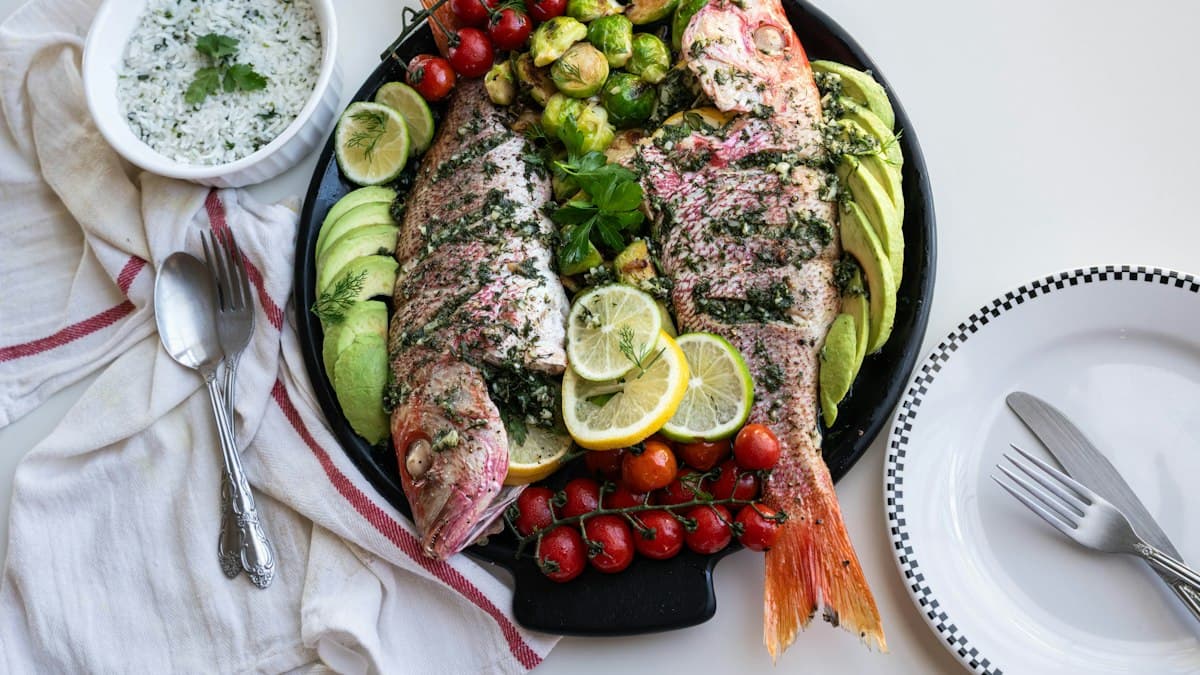
They shine alongside ingredients that have little natural weight of their own: white-fish carpaccio, seafood marinades, ricotta, fresh mozzarella, butter-based pasta, and desserts built on vanilla or citrus. The oil is at its best added at the very end — drizzled over a finished plate or folded into a cold sauce — rather than cooked through.
That delicacy is also the limitation. Extended exposure to heat strips mild oils of their subtle aromatics quickly. Research published in the Journal of the American Chemical Society has reported that high-quality extra virgin olive oil can measure a smoke point of roughly 190–207 °C, sometimes above certain refined oils, but with mild-intensity oils the priority is preserving fragrance rather than maximizing heat tolerance. Dressings, finishing drizzles, and cold preparations are their natural territory.
Medium — The Widest Coverage in the Kitchen
Medium-intensity oils occupy the most practical ground. The fruitiness is pronounced, and bitterness and pungency are present without dominating. Oils from Picual or Ojiblanca olives harvested at a mid-season stage, or blends incorporating Coratina, frequently land in this tier.
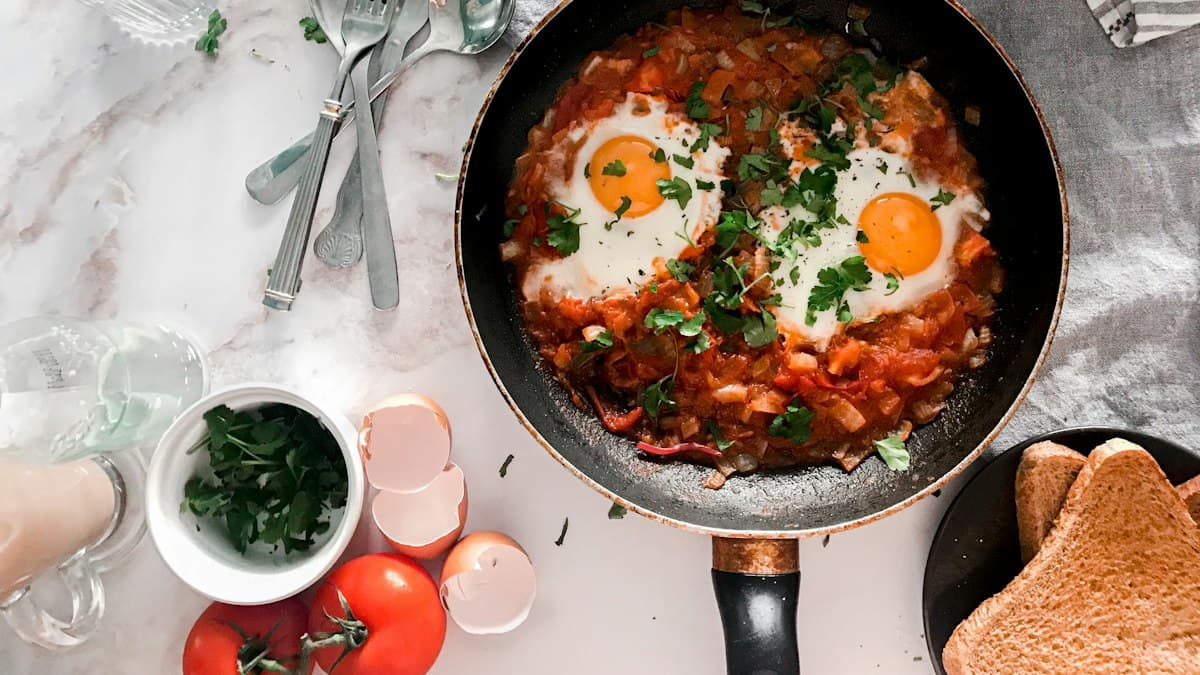
The range of compatible dishes is broad: grilled chicken breast, white-fish steaks, egg preparations, roasted vegetables, tomato sauces, risotto, lentil and chickpea dishes. These oils handle both cooking heat and finishing use, which is why, if a kitchen stocks only one oil, medium-intensity is the most sensible call.
When selecting a medium oil, polyphenol content is worth examining. According to the European Food Safety Authority (EFSA), polyphenol compounds in olive oil have been reported to influence LDL oxidation in blood, and EFSA requires a minimum polyphenol level for related claims on product labels. Because higher polyphenol content generally corresponds to stronger bitterness and pungency, medium-intensity oils tend to cluster in the 300–500 mg/kg polyphenol range.
Intense — Holding Its Own Against Bold Ingredients
Intense oils are deeply green in color, deliver unmistakable bitterness and a peppery finish at the back of the throat, and carry complex aromas — green apple, artichoke, fresh herbs. Early-harvested olives and polyphenol-rich cultivars such as Picual are most likely to produce this profile.
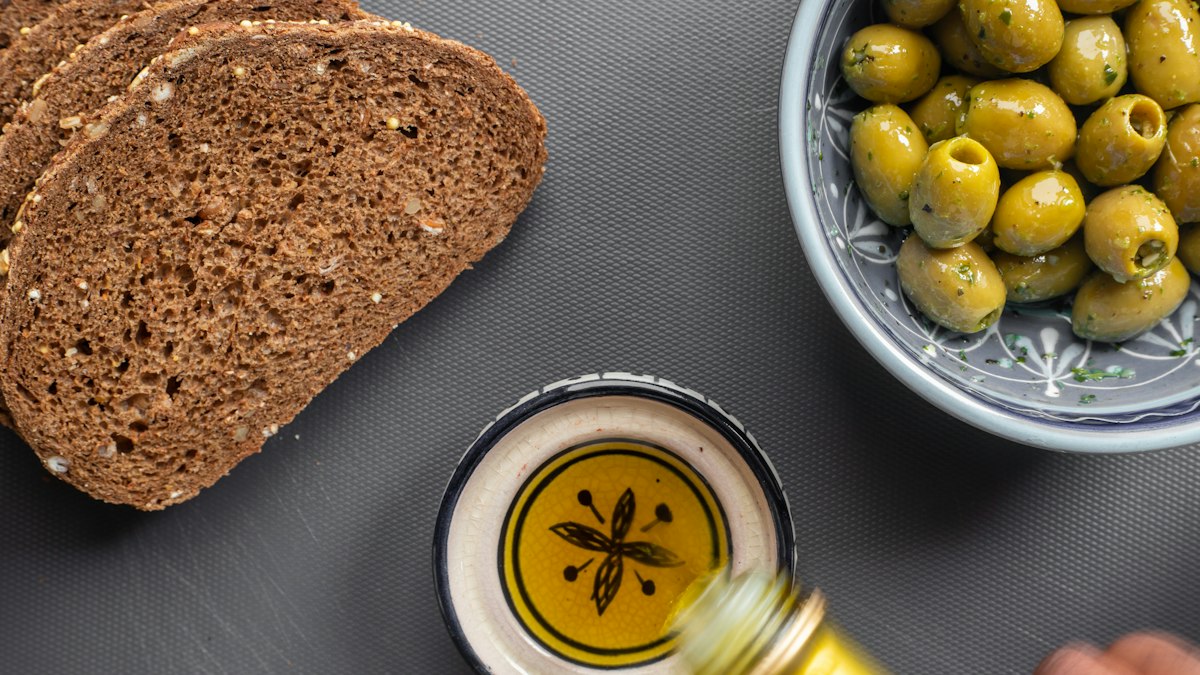
These oils find their balance against ingredients that have genuine weight: grilled lamb, beef steak, duck, thick bean stews, brassicas like broccoli and kale, assertive cheeses such as Pecorino or Manchego, and dishes built on strong fermented bases. They also work beautifully used straight — as a dipping oil for bread or as the foundation of a robust herb sauce — where the oil itself becomes part of the flavoring rather than a background note.
When an intense oil is used for high-heat sautéing or frying, the polyphenols that drive its character can partially degrade under sustained heat, altering the flavor and amplifying bitterness in an uncontrolled way. The approach that preserves the oil's personality best is to finish a hot dish with a drizzle, or to stir the oil into a sauce off the heat.
Three Additional Variables That Sharpen the Match
Intensity tier gives you the starting point; three other variables help dial in the final choice.
Cooking method. The same chicken breast reads very differently depending on how it is cooked. Sous vide preparation keeps the meat gentle in flavor, pointing toward mild to medium. Charcoal grilling adds smoke and char — layers that push the pairing toward medium or even intense. As the cooking process adds flavor depth, the oil needs to rise to meet it.
Acidity and fermentation in the dish. Vinegar, lemon juice, miso, and other acidic or strongly fermented elements counteract perceived bitterness. In practice, this means a dish built around those flavors will make an oil taste less forceful than it would alone. Stepping up one intensity tier in such preparations often produces better balance than staying conservative.
Serving temperature. Cold suppresses aroma. A chilled salad or cold noodle dish closes down the fragrance of a medium oil to the point where it barely registers; moving toward the intense tier compensates. Warm and hot preparations do the opposite — heat volatilizes aromatics and makes an oil seem more assertive than at room temperature — so dropping one tier avoids the risk of overwhelming the dish.
A Quick Reference by Intensity Tier
Mild oils pair well with: fish carpaccio, fresh mozzarella, fruit salads, vanilla-based desserts, white dressings.
Medium oils pair well with: chicken dishes, pasta, risotto, roasted vegetables, eggs, lentil soup.
Intense oils pair well with: beef and lamb, brassica vegetables, bold aged cheeses, strong herb sauces, preparations that would otherwise call for sesame oil.
Keep your oils organized by intensity tier, then factor in the weight of the main ingredient, the cooking method, and the dish's acidity level. That three-variable framework makes it possible to land on the right oil quickly — even with a recipe you have never made before. Olive oil reveals more of its range in relation to food than it ever does on its own.
Frequently asked questions
- What does olive oil intensity mean and how is it measured?
- Intensity refers to the strength of an olive oil's three core sensory attributes — fruitiness, bitterness, and pungency — as defined by the International Olive Council (IOC) sensory evaluation guidelines. Oils are broadly grouped into mild, medium, and intense tiers based on how strongly those three qualities register on the palate.
- Which olive oil intensity is best for everyday cooking?
- Medium-intensity oils are the most versatile. They carry a clear fruitiness with moderate bitterness and pungency, making them suitable for everything from roasted vegetables and pasta to chicken and egg dishes. If you keep only one oil in the kitchen, medium is the most practical choice.
- Can you use an intense olive oil for high-heat cooking?
- You can, but intense oils are better used as a finishing drizzle or stirred into sauces after the heat is off. At high temperatures, the polyphenols responsible for bitterness can degrade and the flavor profile can shift. The oil's character comes through most fully when it isn't exposed to prolonged heat.
- Does serving temperature affect how strong an olive oil tastes?
- Yes. Cold dishes suppress aroma, so a medium-intensity oil can taste muted on a chilled salad or cold pasta — stepping up to an intense oil compensates. Conversely, heat accelerates aroma volatilization, making an oil seem stronger than it would at room temperature, so dropping one intensity tier for warm dishes often produces better balance.
- How do polyphenol levels relate to olive oil intensity?
- Higher polyphenol content generally produces stronger bitterness and pungency, which pushes an oil toward the intense end of the spectrum. According to the European Food Safety Authority (EFSA), olive oil polyphenol compounds have been reported to influence LDL oxidation in blood; the agency uses a minimum polyphenol threshold for related health claims. Medium-intensity oils typically fall in the 300–500 mg/kg polyphenol range.
Related reading
- Pairing Olive Oil with Wine: A Guide to Matching Aromas, Bitterness, and Texture
Extra virgin olive oils differ markedly in acidity, bitterness, and fruitiness — and each profile calls for a different wine partner. This guide maps those sensory axes to white, red, and natural wines.
- A Drop of Science: Pairing Dark Chocolate with Extra Virgin Olive Oil
A drizzle of extra virgin olive oil over dark chocolate softens bitterness and amplifies aroma. From the molecular interactions of phenolic compounds to cultivar-by-cultivar pairing choices, OLEA explores this combination through the lens of culinary science.
- The Mediterranean Art of Oil Poaching Fish: Ratios, Temperatures, and Cultivar Pairings
Oil poaching — gently cooking fish submerged in olive oil at low heat — is a cornerstone technique of Mediterranean kitchens. This guide covers everything from choosing the right EVOO to precise temperature ranges and the oil ratios that make the difference.
- Hummus, Shakshuka, Sabich: How Israeli Cooking Uses Olive Oil at Every Layer
From the finishing pour on hummus to the base of a shakshuka and the layered construction of a sabich, olive oil functions as a primary ingredient on the Israeli table — not a neutral medium. This guide traces how Levantine culinary tradition treats the oil itself as the point.
- Egg Salad Without Mayonnaise: A Ratio Guide to EVOO Dressing
An extra virgin olive oil base can replace mayonnaise in egg salad entirely — yielding a cleaner, brighter flavor with a lighter texture. This guide covers the core oil-to-acid ratio, cultivar-by-cultivar flavor differences, and practical tips for texture and storage.
- Five Places EVOO Fits Alongside Perilla and Sesame Oil on a Korean Table
Perilla oil and sesame oil have long held the finishing-oil role in Korean cooking. Here are five spots where extra virgin olive oil can sit beside them without displacing them.