Table
Soy, Gochujang, Doenjang: Ratio Guides for Korean Jang Dressings with Extra Virgin Olive Oil
Combining extra virgin olive oil with Korea's fermented jang pastes opens unexpected flavor territory — but the ratios matter. This guide breaks down the optimal oil-to-jang proportions for soy sauce, gochujang, and doenjang, with practical applications for each.
Translated from the Korean edition, originally published September 27, 2026 · read the original
Why Jang and Olive Oil Belong Together
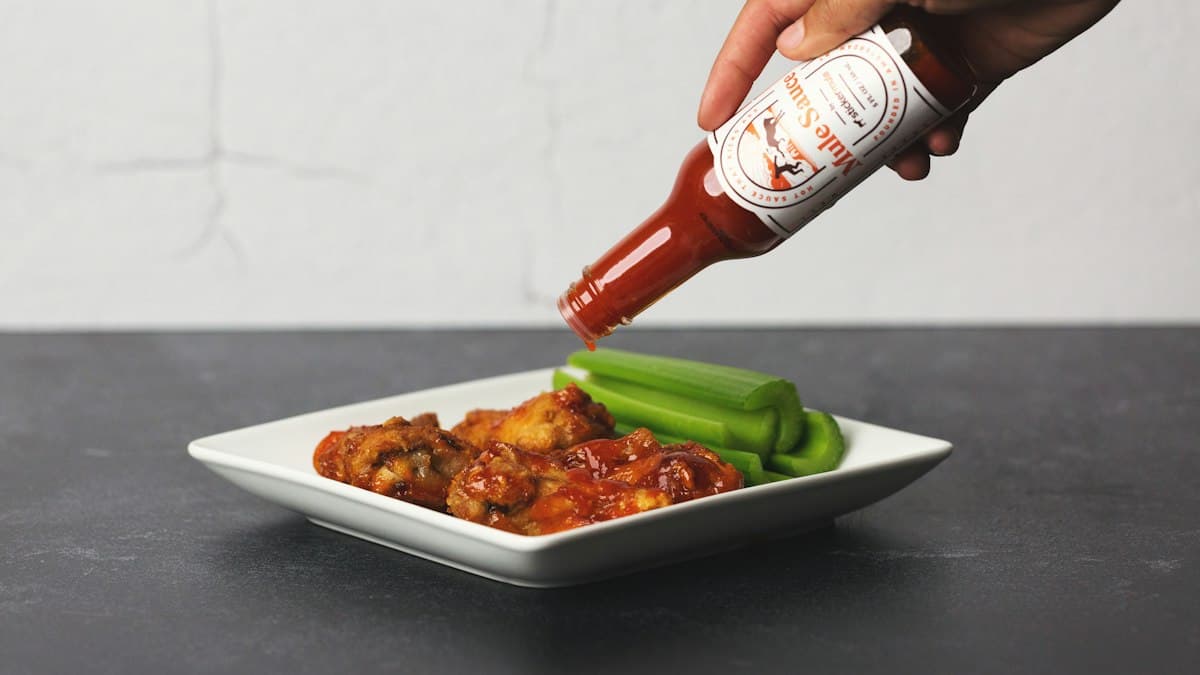
Korea's foundational fermented pastes — soy sauce (ganjang), gochujang, and doenjang — carry centuries of complex, layered flavor built through fermentation. Introducing extra virgin olive oil is not simply a matter of mixing two condiments; it is an encounter between two distinct pressing and fermentation traditions. The intense salinity and umami of the jang pastes soften the olive oil's fruity aroma and gentle bitterness, while the oil emulsifies the pastes' heavy texture so that the finished dressing coats salads, tofu, and proteins evenly rather than pooling at the bottom.
According to the International Olive Council (IOC), the polyphenol compounds distinctive to extra virgin olive oil are sensitive to heat-related oxidation, and flavor loss is lowest when the oil is used cold or at room temperature. For this reason, dressings, dips, and marinades — rather than stir-fry sauces — are the formats that best preserve the oil's native aroma and texture when combined with jang pastes.

The Base Formula — Oil : Jang : Acid = 3 : 1 : 1
The classic vinaigrette operates on a 3:1 rule — three parts oil to one part vinegar — but jang pastes change the equation. They are thicker than vinegar and considerably saltier, so a separate acid element (vinegar, lemon juice, or yuzu citron) must be added to restore balance rather than being treated as the single counterweight.
The working formula (per single serving, measured in tablespoons):
Start at olive oil 3 : jang paste 1 : acid ingredient 1, then adjust the oil up or down by 1 within that range depending on the paste. Thick, intensely salty doenjang calls for more oil; pourable, moderately salty brewed soy sauce can take a little less, letting the jang flavor read more clearly.
Because oil and water-based pastes do not emulsify naturally, a binding agent is needed. Ground sesame seeds, minced garlic, and grated onion juice are the most practical options — each contains its own emulsifying compounds (phospholipids and sulfur compounds) that help prevent the dressing from splitting and keep the texture uniform.
Soy Sauce Dressing — The Most Versatile Starting Point
Of the three jang pastes, soy sauce has the highest water content and the easiest flow, making it the most straightforward to emulsify with olive oil. Using brewed soy sauce (yangjo ganjang) as the baseline, a foundational dressing comes together with olive oil 3 : soy sauce 1 : lemon juice (or mirin) 1, plus 1/2 tablespoon ground sesame and 1/4 tablespoon minced garlic.
From that base, three flavor directions are worth exploring:
- Soft, Japanese-leaning style: Raise the oil to 4 parts. Split the acid between 1/2 tablespoon mirin and 1/2 tablespoon lemon juice. Adding 1 tablespoon of dashi stock deepens the umami without adding salt.
- Traditional Korean style: Oil 3, light Korean soy sauce (guk-ganjang) 3/4, artisan soy sauce (joseon ganjang) 1/4, plum extract (maesil-cheong) 1, sesame oil 1/2. The plum extract supplies both acidity and sweetness in a single ingredient.
- Bold marinade style: Oil 2, soy sauce 1, vinegar 1, fresh ginger juice 1/2. Reducing the oil pushes the jang flavor forward — ideal for marinating meat or tofu rather than dressing a fresh salad.
Soy sauce dressing is particularly well suited to seasoned vegetable dishes (radish, cucumber, eggplant), cold tofu, and seafood such as octopus or small squid, rather than delicate green salads where it can overwhelm.
Gochujang Dressing — The Challenge and Reward of Emulsification
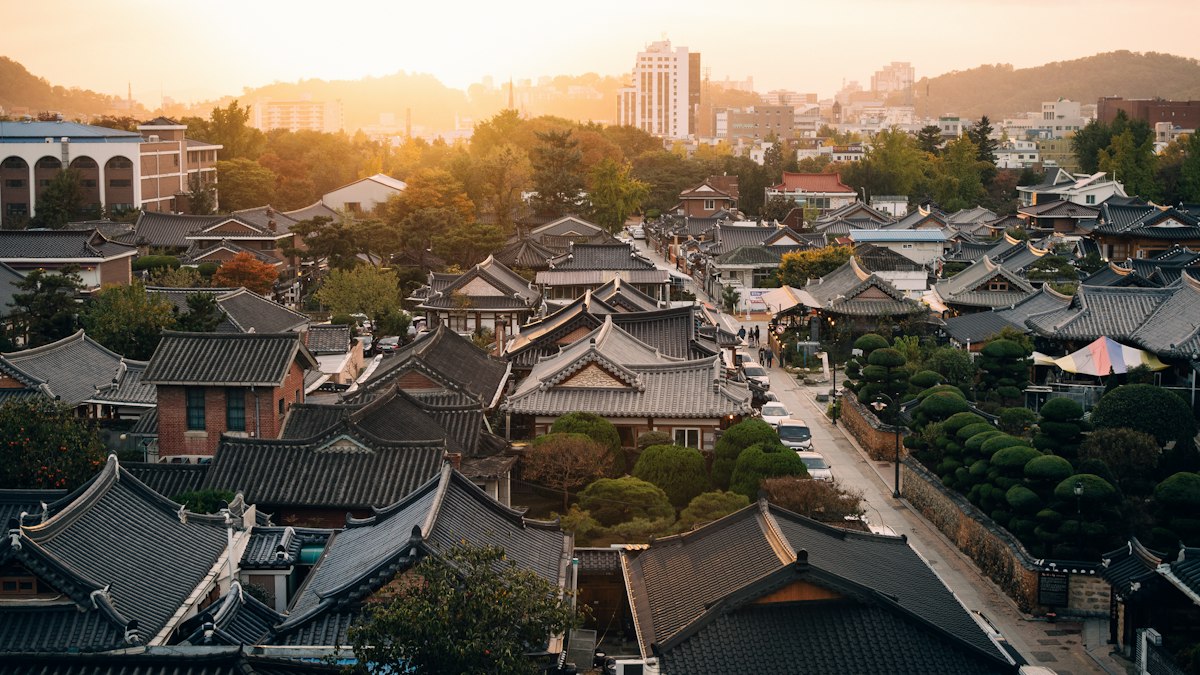
Gochujang's high viscosity and sugar content mean it tends to separate from oil quickly. Two strategies address this directly. First, loosen the paste with a small amount of warm water or stock before any oil is added. Second, incorporate the oil in a thin, gradual stream rather than adding it all at once, whisking steadily to build the emulsion step by step.
Base ratio: olive oil 2.5 : gochujang 1 : vinegar (apple, brown rice, or lemon — all work) 1 : honey or oligosaccharide syrup 1/2.
The reason oil sits slightly lower here than in the soy sauce formula is that gochujang's flavor is assertive enough that excess oil can make the capsaicin heat feel unbalanced rather than rounded. When the oil proportion is right, it has been reported to coat the heat of the gochujang so that it spreads more smoothly on the palate.
Gochujang dressing is a natural partner for cold noodles (bibim-guksu), bibimbap, braised burdock or lotus root, and chicken salad. Finely chopped Korean green chili can be stirred in for extra heat, or the gochujang can be replaced with ssamjang for a milder, earthier version.
Doenjang Dressing — The Deepest, Most Complex Profile
Doenjang carries the highest protein and amino acid density of the three pastes, which means a relatively small amount drives the flavor of an entire dressing. According to data from Korea's Rural Development Administration, traditional home-fermented doenjang contains more than 1.5 times the total amino acids of commercially produced varieties — a difference that is immediately perceptible in how much the paste contributes to a finished dish.
Base ratio: olive oil 3.5 : doenjang 3/4 : lemon juice 1 : ground sesame 1/2 : minced garlic 1/4.
Because doenjang is thicker and saltier than gochujang, the oil proportion is the highest of the three formulas. Loosening the paste thoroughly in the lemon juice or yuja citron before the oil is introduced prevents lumping and produces a creamy, cohesive texture without separation.
Two practical variations are worth noting: blending half doenjang with half shiro (white) miso reduces saltiness while preserving the fermented depth. Stirring in ground walnuts or blanched almonds allows the oil quantity to be reduced while still delivering the fatty coating and nutty aroma the dressing needs.
Storage and Practical Notes
Because jang dressings contain both water-based ingredients (the pastes, vinegar, and citrus juice) and oil, separation in the refrigerator is entirely natural — not a sign that something has gone wrong. A shake or stir before serving is all that is needed. Stored in a sealed glass jar, soy sauce-based dressings are best used within five days; gochujang- and doenjang-based versions within three.
The cultivar of extra virgin olive oil chosen also shapes the final result. A high-polyphenol oil from a variety such as Picual — with its pronounced bitterness and long peppery finish — harmonizes with the layered umami of soy sauce and doenjang, adding complexity to the aftertaste. A fruitier, gentler oil such as Ojiblanca is reported to be particularly useful in gochujang dressings, softening the chili heat while keeping the dressing in balance. Neither choice is inherently correct; matching the oil's character to the direction of the dish is the final variable that determines how well the dressing comes together.
Frequently asked questions
- What is the basic ratio for an olive oil and soy sauce dressing?
- A reliable starting point is 3 parts extra virgin olive oil to 1 part soy sauce to 1 part acid (lemon juice, rice vinegar, or mirin). From there, you can shift the oil up or down by one part depending on how assertive you want the soy flavor to be.
- Why does gochujang separate from olive oil so easily, and how do you fix it?
- Gochujang is high in both viscosity and sugar, which makes emulsification with oil difficult. The two most effective fixes are: first, loosen the paste with a small amount of warm water or stock before adding oil; second, incorporate the oil gradually rather than all at once, whisking constantly to coax a stable emulsion.
- How much doenjang should I use in an olive oil dressing?
- Because doenjang is the most protein- and amino acid-dense of the three jang pastes — according to the Rural Development Administration of Korea, traditional doenjang contains more than 1.5 times the total amino acids of commercial varieties — a little goes a long way. A ratio of roughly 3.5 parts oil to 3/4 part doenjang is a good baseline, with lemon juice or yuja (yuzu) citron used to loosen the paste before the oil is added.
- How long do jang-based olive oil dressings keep in the refrigerator?
- Stored in a sealed glass jar, a soy-based dressing keeps well for up to five days. Gochujang- and doenjang-based dressings are best used within three days. Separation in the fridge is completely normal — simply shake or stir before using.
- Which olive oil cultivar works best with Korean jang dressings?
- It depends on the jang. A high-polyphenol cultivar like Picual, with its bold bitterness and peppery finish, pairs well with the deep umami of soy sauce and doenjang. A fruitier, softer cultivar like Ojiblanca is reported to work particularly well with gochujang, tempering the heat while keeping the dressing balanced. Neither is universally correct — the best choice tracks the direction of the dish.
Related reading
- Hummus, Shakshuka, Sabich: How Israeli Cooking Uses Olive Oil at Every Layer
From the finishing pour on hummus to the base of a shakshuka and the layered construction of a sabich, olive oil functions as a primary ingredient on the Israeli table — not a neutral medium. This guide traces how Levantine culinary tradition treats the oil itself as the point.
- The Mediterranean Art of Oil Poaching Fish: Ratios, Temperatures, and Cultivar Pairings
Oil poaching — gently cooking fish submerged in olive oil at low heat — is a cornerstone technique of Mediterranean kitchens. This guide covers everything from choosing the right EVOO to precise temperature ranges and the oil ratios that make the difference.
- Fried, Scrambled, Poached: How Olive Oil Changes Every Style of Egg
Olive oil is more than a non-stick coating in egg cookery — it shapes texture, aroma, and the final bite. This guide breaks down the right oil, temperature, and timing for fried, scrambled, and poached eggs.
- Matching Olive Oil Intensity to Your Ingredients: A Pairing Guide
Acidity and grade tell you whether an olive oil is good; intensity tells you where it belongs on the plate. This guide walks through the mild, medium, and intense tiers — and the cooking variables that shift the equation.
- Five Places EVOO Fits Alongside Perilla and Sesame Oil on a Korean Table
Perilla oil and sesame oil have long held the finishing-oil role in Korean cooking. Here are five spots where extra virgin olive oil can sit beside them without displacing them.
- A Drop of Science: Pairing Dark Chocolate with Extra Virgin Olive Oil
A drizzle of extra virgin olive oil over dark chocolate softens bitterness and amplifies aroma. From the molecular interactions of phenolic compounds to cultivar-by-cultivar pairing choices, OLEA explores this combination through the lens of culinary science.