Table
California vs. European Olive Oil: How Origin Shapes Flavor
California has spent three decades building a serious olive oil industry, but the state's climate, cultivar mix, and harvesting philosophy produce a flavor profile that differs meaningfully from Mediterranean benchmarks. Here is what those differences actually mean at the bottle.
Translated from the Korean edition, originally published September 12, 2026 · read the original

A New Point on the Olive Oil Map
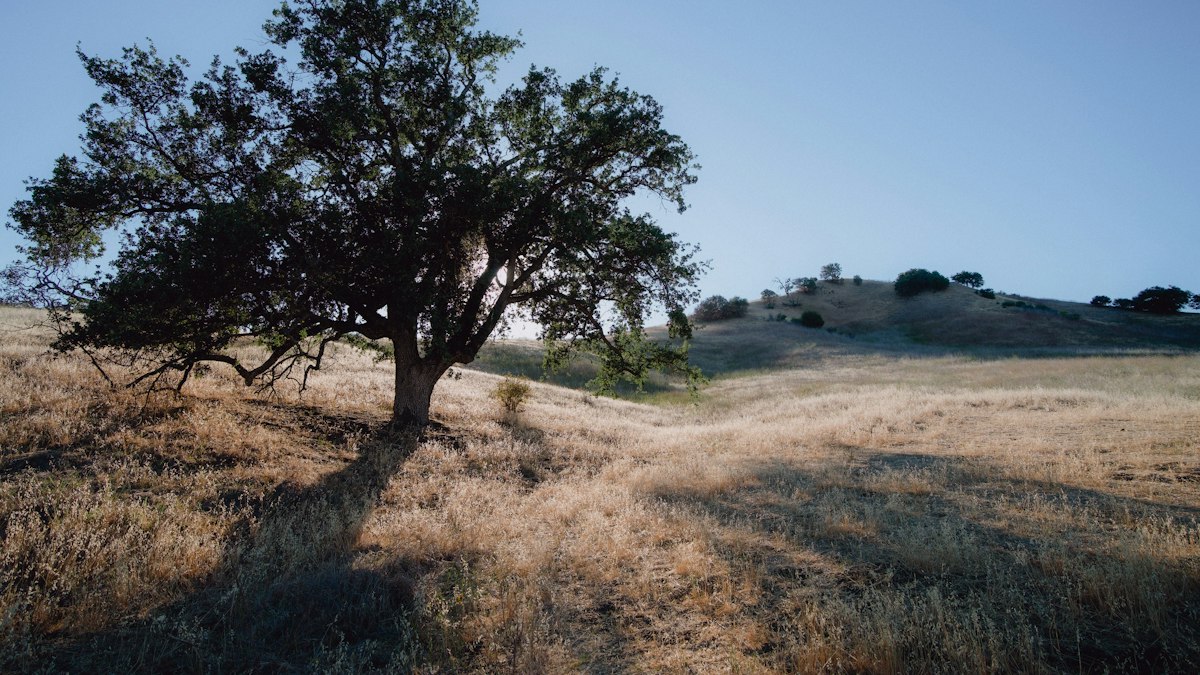
Mention olive oil and most people picture the Mediterranean. According to International Olive Council (IOC) data, Spain, Italy, and Greece together account for more than 70 percent of global production — three countries that have set the standards for olive cultivation over several centuries. Yet over the past three decades, California has established itself as a genuinely serious producing region. Alongside the wine routes threading through Napa Valley, the olive groves of the Sacramento Valley and Central Coast have entered the quality conversation in their own right.
Describing California olive oil simply as "American EVOO" undersells the story. Latitude, diurnal temperature swings, soil composition, and harvest logistics all differ from Mediterranean conditions, and those differences show up in the glass. Understanding where the two worlds diverge — and where they converge — broadens the range of choices available to any olive oil buyer.

How Climate Shapes Flavor
Both California and the Mediterranean share a broad Mediterranean climate type, but the details diverge in meaningful ways. Daytime summer temperatures in California's olive-growing areas can exceed 38 °C, yet coastal cold currents from the Pacific pull nighttime temperatures down sharply. Research from the UC Davis Olive Center indicates that cool overnight temperatures during the harvest window may contribute to higher concentrations of phenolic compounds in the fruit — the compounds that give high-quality EVOO much of its complexity and shelf stability.
Southern Spain's Andalusia and Greece's Crete, by contrast, are characterized by sustained summer heat and very low rainfall. Tuscany in central Italy is comparatively cooler and receives more evenly distributed precipitation throughout the year. Even within the shared "Mediterranean" label, those differing temperature patterns and rainfall profiles result in distinct layering of aromas in the finished oil.
California EVOOs are frequently described by tasters as carrying ripe tomato and artichoke notes alongside a soft, banana-like fruitiness. That profile contrasts with Spanish Picual-style oils, which typically foreground vivid green grass aromas and a pronounced peppery finish — a noticeably different sensory register.
Cultivar Choices and Blending Philosophy
Europe's producing regions collectively maintain hundreds of indigenous varieties. Italy alone has distinct signature cultivars by region — Leccino and Frantoio in Tuscany, Coratina in Puglia, among many others. Spain's Picual is the single most widely planted olive cultivar in the world, while Greece's Koroneiki, a small-fruited variety, is prized for the concentrated flavor it delivers despite its size.
California's industry was built largely by importing European cultivars. Picual, Arbequina, Manzanillo, and Coratina are among the most widely planted varieties in the state. A notable feature of the California market is how frequently producers choose to blend two or three cultivars rather than release single-variety oils. This tendency mirrors the state's deep wine-blending culture and reflects a consumer preference for balance over varietal assertiveness.
Traditional producers in Spain and Italy, by contrast, tend to emphasize the integrity of a single cultivar. Neither approach is inherently superior; they represent different philosophies about what the finished oil should express.
Harvest to Press — Why Speed Matters
One of the aspects California producers take most pride in is the speed of their harvest-to-press cycle. Widespread use of mechanical harvesters means that same-day or next-morning cold extraction has become routine at quality-focused California operations. According to UC Davis Olive Center reports, longer intervals between harvest and pressing are associated with rising free fatty acid content and declining flavor quality — higher acidity and flatter aromas.
In parts of Europe, particularly among smaller traditional farms, harvested olives have historically been held for several days before being taken to a shared village mill. That practice carries genuine cultural weight, but it also introduces the risk of elevated acidity. Large-scale European producers, however, already operate advanced rapid-pressing systems that rival or match anything in California.
The more useful conclusion is that origin matters less than a producer's commitment to quality control. A poorly managed California operation will yield inferior oil; a rigorously managed Mediterranean estate will consistently deliver outstanding flavor.
Certification Systems and Consumer Trust
European origins operate within the EU's PDO (Protected Designation of Origin) and PGI (Protected Geographical Indication) frameworks, which regulate both geography and, in many cases, permitted cultivars and production methods. Greece's Kalamata PDO and Italy's Chianti Classico DOP are among the best-known examples.
California runs its own voluntary certification through the California Olive Oil Council (COOC). To carry the COOC seal, an oil must pass a sensory evaluation and register acidity at or below 0.5%. Given that the IOC's threshold for extra-virgin status is 0.8%, the COOC standard is measurably tighter.
The California market has not been without controversy. The UC Davis Olive Center has previously reported that a significant share of imported EVOOs sold in the United States did not meet the quality claims stated on their labels. That finding applies to imported oils rather than California-produced ones, but it underlines a principle that holds regardless of origin: checking for a named, verifiable certification is the most reliable shortcut to quality — wherever the bottle comes from.
Matching California Oil to the Table
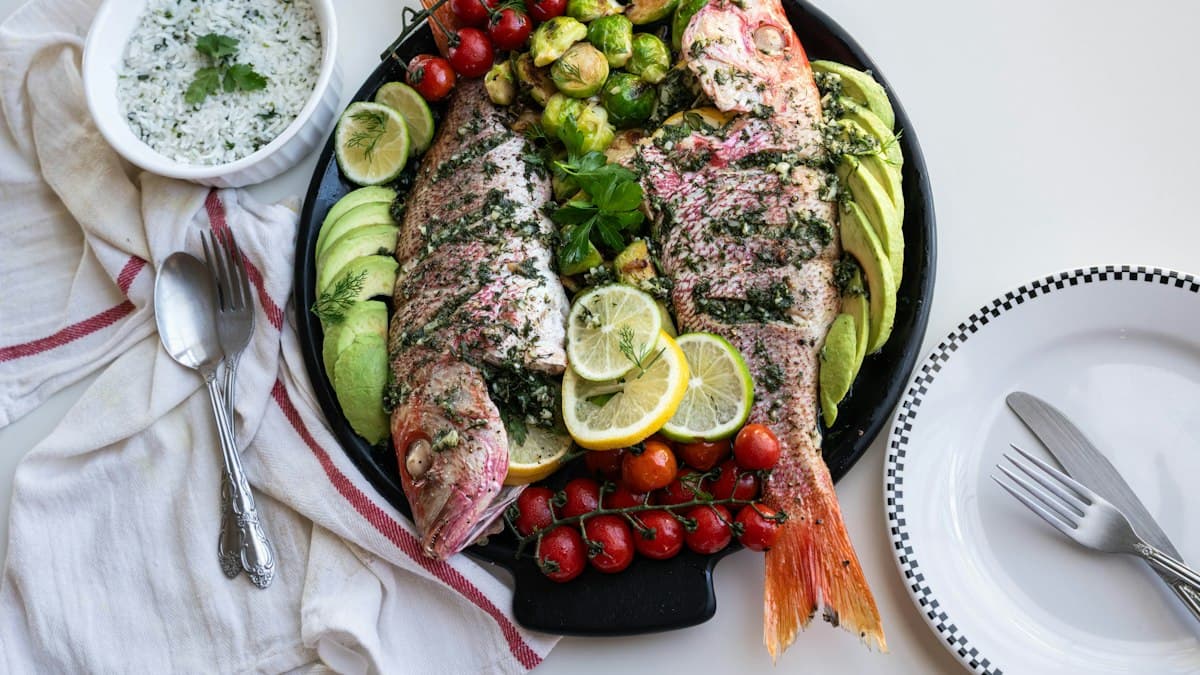
California EVOO's characteristic profile — soft fruitiness, relatively moderate bitterness, gentle peppery finish — makes it a natural fit for light salad dressings and as a finishing drizzle over delicate fish dishes. It also suits palates that lean toward a buttery, rounded style rather than the assertive pungency of high-polyphenol Mediterranean oils.
A Spanish Picual, with its higher polyphenol load and more emphatic character, tends to come alive as a finishing oil over tomato-based pasta or bruschetta, where its intensity becomes an asset rather than a distraction. Greek Koroneiki remains a classic match for Mediterranean salads dressed with lemon and fresh herbs.
The question of which origin is "better" is ultimately the wrong frame. The better question is what flavor a particular dish calls for. California olive oil is not a substitute for its Mediterranean counterparts — it is a distinct option that expands the range of what is available.
Frequently asked questions
- Is California olive oil considered extra virgin?
- Yes. California producers can carry both the standard IOC extra-virgin designation (acidity below 0.8%) and the California Olive Oil Council (COOC) certification, which requires acidity at or below 0.5% and a passing sensory evaluation — a stricter bar than the international standard.
- How does California olive oil taste compared to Spanish or Italian EVOO?
- California EVOOs are commonly described as having ripe tomato, artichoke, and soft banana-like fruit notes, with a relatively mild bitter and peppery finish. Spanish Picual and similar cultivars typically lead with vivid grassy aromas and a sharper peppery kick — a noticeably different sensory profile.
- Which cultivars are grown in California?
- California growers predominantly cultivate European varieties — Picual, Arbequina, Manzanillo, and Coratina are among the most common. Many producers blend two or three cultivars rather than releasing single-variety oils, a practice that mirrors the state's wine-blending culture.
- Does the time between harvest and pressing really affect olive oil quality?
- According to reports from the UC Davis Olive Center, longer delays between harvest and cold extraction are associated with higher free fatty acid content and diminished flavor quality. California's mechanized harvesting infrastructure makes same-day pressing relatively common, though quality ultimately depends on each individual producer's practices regardless of origin.
- How do I know whether a California or imported olive oil is genuinely high quality?
- Look for a named certification on the label — COOC for California oils, or an EU PDO/PGI designation for European ones. The UC Davis Olive Center has previously reported that a significant share of imported EVOOs sold in the United States did not meet their labeled quality standards, making origin verification and recognized certification marks useful reference points when buying.
Related reading
- Bitter and Pungent: The Flavors That Signal a Healthy Olive Oil
The bitterness and pungency in extra virgin olive oil strike many first-time tasters as a flaw — but under the International Olive Council's sensory evaluation system, both are classified as positive attributes directly tied to polyphenol content.
- Fruity, Grassy, Nutty, Spicy: A Practical Guide to the EVOO Aroma Wheel
Extra virgin olive oil's aroma is far more structured than a simple 'olive smell.' Understanding the four core fragrance families — fruity, grassy, nutty, and spicy — changes how you shop for a bottle and how you cook with what's inside it.
- Pairing Olive Oil with Wine: A Guide to Matching Aromas, Bitterness, and Texture
Extra virgin olive oils differ markedly in acidity, bitterness, and fruitiness — and each profile calls for a different wine partner. This guide maps those sensory axes to white, red, and natural wines.
- Decanting vs. Direct Pour: How You Serve Olive Oil Shapes Its Aroma
Whether to transfer extra virgin olive oil into a decanter or pour straight from the bottle is not merely a matter of style. Oxygen exposure time and temperature shifts both affect the volatile compounds responsible for fresh, complex aroma.
- Matching Olive Oil Intensity to Your Ingredients: A Pairing Guide
Acidity and grade tell you whether an olive oil is good; intensity tells you where it belongs on the plate. This guide walks through the mild, medium, and intense tiers — and the cooking variables that shift the equation.
- Giving Olive Oil as a Gift: A Guide to Size, Grade, and Packaging
The difference between a memorable olive oil gift and a forgettable one often comes down to three decisions: grade, volume, and packaging. This guide walks through each in order, with practical pairings for different recipients.