Table
Fruity, Grassy, Nutty, Spicy: A Practical Guide to the EVOO Aroma Wheel
Extra virgin olive oil's aroma is far more structured than a simple 'olive smell.' Understanding the four core fragrance families — fruity, grassy, nutty, and spicy — changes how you shop for a bottle and how you cook with what's inside it.
Translated from the Korean edition, originally published August 16, 2026 · read the original
Why Learning to Read Olive Oil Aroma Matters
Wine has its sommelier; olive oil has its panel taster. The International Olive Council (IOC) makes trained sensory-panel evaluation mandatory for official extra virgin olive oil (EVOO) grading. According to IOC sensory evaluation guidelines, an oil must simultaneously satisfy two conditions to hold EVOO status: zero detectable defect notes, and a clearly perceptible fruity aroma. Without both, the grade falls.
Reading aroma is more than a hobbyist exercise. The aroma profile indirectly reveals oxidation level, harvest timing, and varietal integrity. From the first impression when you open a bottle to the lingering finish at the back of the throat, an oil's aroma is the most intuitive language available for assessing its quality.
Where the Aroma Comes From
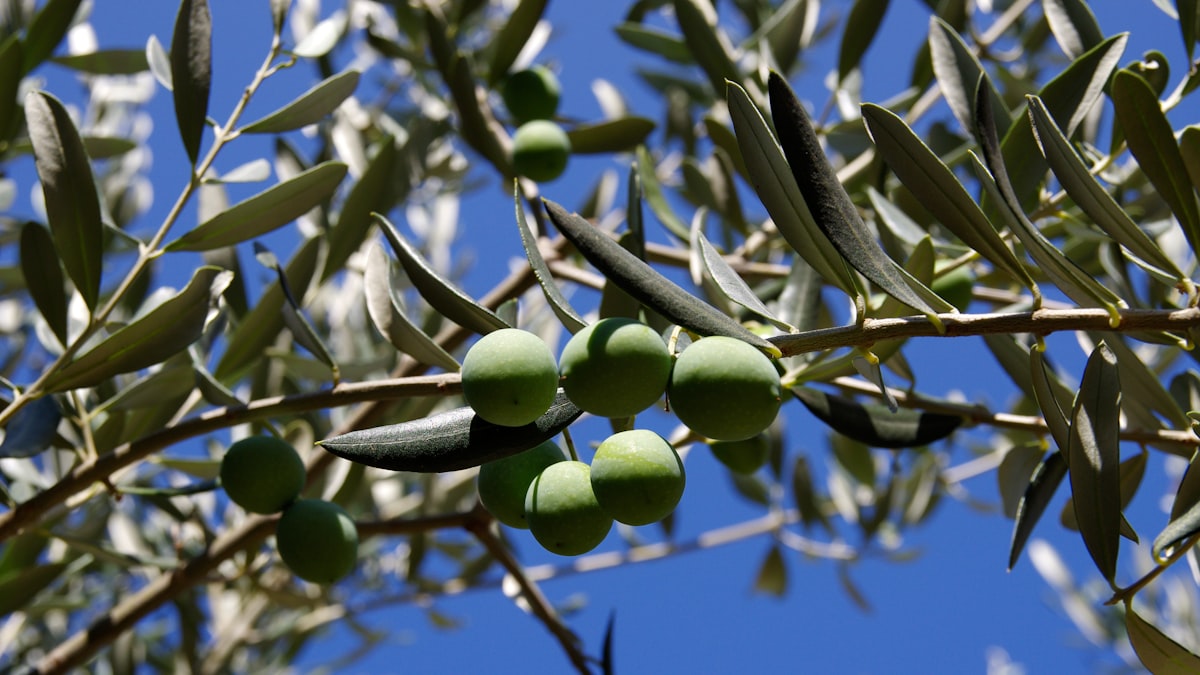
Most of an olive oil's aromatic compounds are formed during pressing, immediately after harvest. When olive flesh cells are ruptured, the lipoxygenase enzyme pathway is activated, generating hundreds of volatile compounds. Among these, C6 aldehydes and alcohols — hexanal, hexenal, cis-3-hexenal and related molecules — are primarily responsible for fresh green notes such as cut grass, green apple, and tomato leaf, according to research published in the journal Food Chemistry.
Polyphenols such as oleocanthal and oleacein contribute more to taste (bitterness and pungency) than to aroma directly, but oils rich in these compounds tend to display a more complex overall aromatic profile. Several studies have reported that EVOOs with layered, multi-dimensional aromas may also carry relatively higher levels of bioactive compounds, though it is too early to draw firm conclusions from this association alone.
The Four Aroma Families, Fully Explained
Fruity — from bright green freshness to soft ripe sweetness
The fruity family is the defining characteristic of any EVOO aroma. The IOC divides it further into green fruity and ripe fruity. Green fruity is prominent in early-harvest oils and is marked by green apple, artichoke, cut grass, and tomato stem. Ripe fruity appears in olives picked just before full maturity and carries softer, sweeter nuances — ripe almond, fig, banana. The Picual cultivar is widely noted for a strong, long-lasting green fruity character.
Grassy — freshly cut lawn, herbs, cool greenness
Grassy notes come to the fore when C6 compounds, particularly cis-3-hexenal, are abundant. The descriptor range includes freshly mown grass, cucumber, parsley, basil, and mint. This profile is especially pronounced in early-harvest oils from Andalusia in southern Spain, and pairs naturally with light dishes: white-fish crudo, vegetable dressings, cold pasta.
Nutty — the warm finish of almond, hazelnut, and artichoke
Nutty aromas tend to appear in oils pressed from fully mature olives, or in oils that have had a little time since pressing. Descriptors include roasted almond, hazelnut, cream, and butter, and the palate impression is smooth and rounded. The Hojiblanca cultivar is frequently cited as a textbook example of the nutty family. These oils suit pasta, risotto, and roast chicken — dishes where warmth and richness complement rather than compete.
Spicy — a cool, peppery sensation at the back of the throat
In tasting terminology this is also called piccante. Its intensity rises with oleocanthal content. IOC guidelines are specific on the anatomy: a genuine spicy sensation must be felt at the back of the throat, not on the tongue — that distinction separates a positive attribute from a mere strong taste. The peppery, rocket-leaf, ginger-like sensation is a quality signal, not a flaw. It is most frequently encountered in Picual and Coratina cultivars.
Connecting Aroma Profiles to Cultivar and Origin
No single variable determines aroma family. Genetics (cultivar), harvest timing, extraction temperature, and storage conditions all interact. According to the IOC sensory evaluation manual, even within a single cultivar such as Picual, advancing the harvest date by three weeks produces oils with noticeably higher green fruity and spicy intensity, while waiting for full ripeness shifts the profile toward nutty and ripe fruity.
Acidity and polyphenol readings also serve as indirect indicators of aroma profile. Oils with low free acidity and high polyphenol content have been reported to preserve green fruity and spicy notes for longer, maintaining freshness further into their shelf life.
A Step-by-Step Home Tasting Method
First, pour 15–20 ml of oil into a small tasting glass — a shot glass works — and cup it in both palms to warm the oil gently to 28–30°C. Second, cover the top of the glass with your free hand and hold it for ten seconds to trap the volatiles, then uncover quickly and bring it to your nose: register whatever arrives first. Third, take a sip and draw in a small breath of air simultaneously — the slurping motion spreads the oil across the entire palate. Fourth, after swallowing, pay attention to what lingers at the back of your throat for three to five seconds. A peppery sensation there is a reliable signal of a meaningful oleocanthal level.
When you need to reset between samples, training materials from Spain's CSIC — a professional panel-training institution — recommend smelling the back of your own hand or rinsing with plain water, rather than reaching for coffee beans.
Knowing the Aroma Changes How You Cook
Fruity and grassy oils shine as finishing oils poured over food that sees little or no heat: fresh salads, white-fish carpaccio, cold pasta. Their volatile top notes evaporate quickly under heat, so they are best preserved when added at the end. Nutty oils round out soups, risottos, and roasted vegetables with a warm, enveloping quality when drizzled just before serving. Spicy oils create a deliberate contrast with bitter rocket, rich tomato sauces, and red meat, adding another layer of flavour complexity through tension rather than harmony.
Once you have the vocabulary, choosing an oil stops being a matter of price or label design. The real question becomes: what am I cooking tonight, and what sensation do I want at the table? The aroma wheel is the most practical compass available for answering it.
Frequently asked questions
- What are the four main aroma families in extra virgin olive oil?
- The IOC sensory framework recognises four core aroma families in EVOO: fruity (ranging from fresh green fruit to ripe, softer notes), grassy (cut grass, herbs, cucumber), nutty (roasted almond, hazelnut, cream), and spicy (a peppery, pungent sensation felt at the back of the throat, linked to oleocanthal content).
- What does 'spicy' mean in olive oil tasting — is it a defect?
- No. In olive oil tasting, 'spicy' — also called piccante — refers to a pungent, peppery sensation felt specifically at the back of the throat, not on the tongue. IOC guidelines classify it as a positive attribute, and its intensity is associated with higher oleocanthal content, which is a naturally occurring polyphenol.
- Which olive oil cultivars are known for strong grassy or spicy aromas?
- Picual is well known for a pronounced, long-lasting green fruity and spicy profile. Coratina also tends to produce strongly spicy oils. For grassy notes, early-harvest oils from Andalusia in southern Spain are frequently cited. Hojiblanca is often highlighted as a typical example of the nutty aroma family.
- How does harvest timing affect olive oil aroma?
- According to the IOC sensory evaluation manual, harvest timing has a significant effect. Harvesting Picual olives three weeks earlier than standard produces oils with noticeably higher green fruity and spicy intensity. Waiting until full ripeness shifts the aroma profile toward nutty and ripe fruity characteristics.
- How do I taste olive oil at home to identify its aroma profile?
- Pour 15–20 ml of oil into a small glass, warm it to 28–30°C using your palms, then cover the glass for ten seconds to trap the aromas. Uncover and inhale quickly to catch the first impression. Take a small sip, draw in a little air as you do (slurping), and let the oil coat your whole palate. After swallowing, wait 3–5 seconds: any peppery sensation at the back of the throat indicates a meaningful oleocanthal level. Training materials from Spain's CSIC, a professional panel-training institution, recommend resetting your palate by smelling the back of your own hand or rinsing with plain water rather than sniffing coffee beans.
Related reading
- California vs. European Olive Oil: How Origin Shapes Flavor
California has spent three decades building a serious olive oil industry, but the state's climate, cultivar mix, and harvesting philosophy produce a flavor profile that differs meaningfully from Mediterranean benchmarks. Here is what those differences actually mean at the bottle.
- Bitter and Pungent: The Flavors That Signal a Healthy Olive Oil
The bitterness and pungency in extra virgin olive oil strike many first-time tasters as a flaw — but under the International Olive Council's sensory evaluation system, both are classified as positive attributes directly tied to polyphenol content.
- Pairing Olive Oil with Wine: A Guide to Matching Aromas, Bitterness, and Texture
Extra virgin olive oils differ markedly in acidity, bitterness, and fruitiness — and each profile calls for a different wine partner. This guide maps those sensory axes to white, red, and natural wines.
- Decanting vs. Direct Pour: How You Serve Olive Oil Shapes Its Aroma
Whether to transfer extra virgin olive oil into a decanter or pour straight from the bottle is not merely a matter of style. Oxygen exposure time and temperature shifts both affect the volatile compounds responsible for fresh, complex aroma.
- Matching Olive Oil Intensity to Your Ingredients: A Pairing Guide
Acidity and grade tell you whether an olive oil is good; intensity tells you where it belongs on the plate. This guide walks through the mild, medium, and intense tiers — and the cooking variables that shift the equation.
- How EVOO's Aroma Unlocks Memory: The Taste Psychology of Extra Virgin Olive Oil
The complex aromas of extra virgin olive oil do more than signal quality — they reach directly into memory and emotion through pathways that bypass ordinary sensory processing. From the neuroscience of smell to the perceptual training behind professional tasting, this is what a single drop of EVOO carries.