Table
Caponata, Arancini, Granita: How Sicily Uses Olive Oil at Every Stage of a Meal
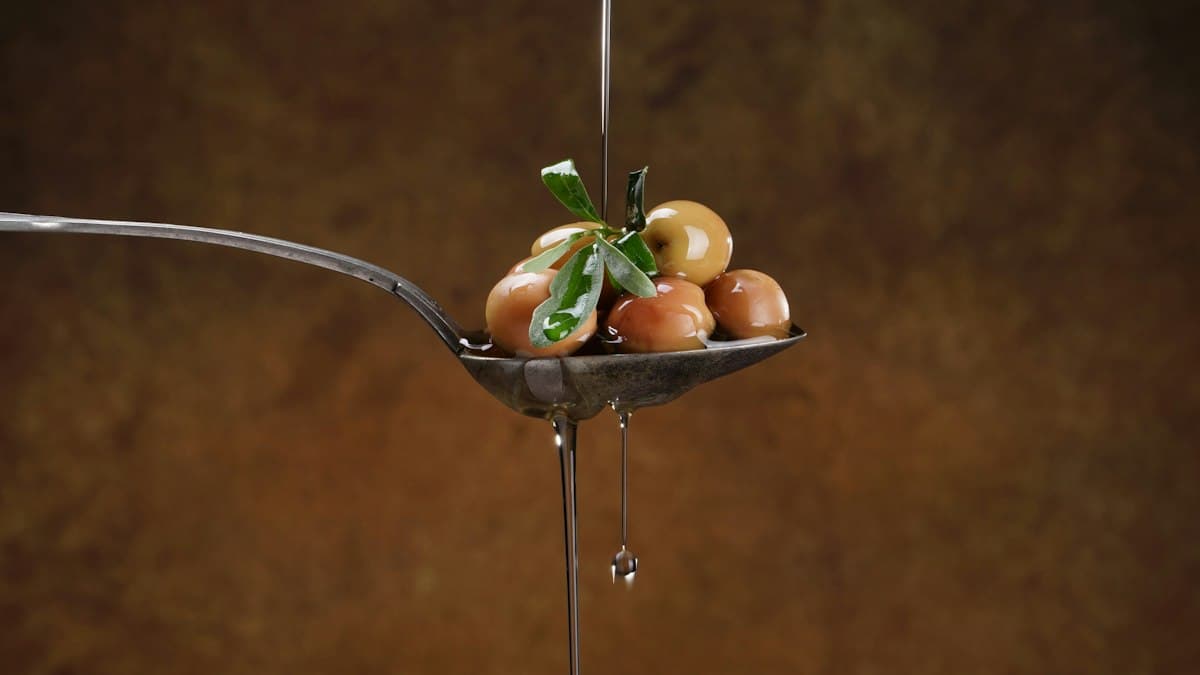
In Sicily, olive oil is not a condiment—it is the structural language of the kitchen. From the slow soffritto that opens a caponata to the finishing drizzle that closes it, the island's cooks assign oil a precise role at every moment of cooking.
Translated from the Korean edition, originally published October 16, 2026 · read the original
The Island's Language of Fat
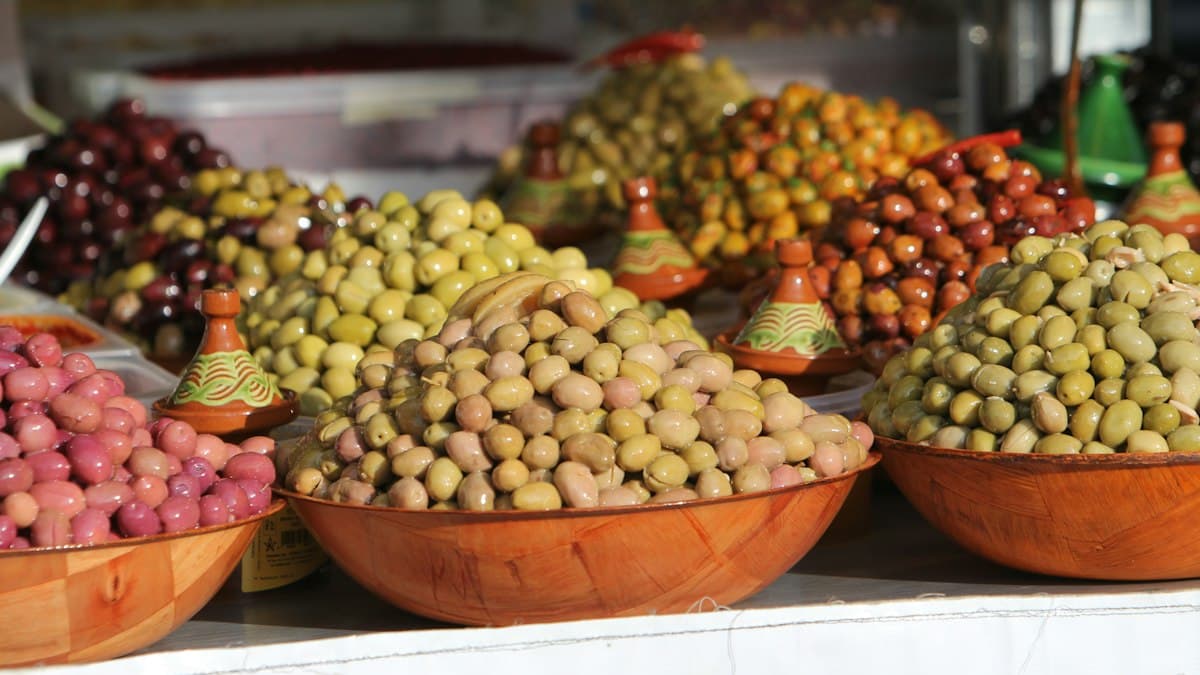
Sicily cooks in a dialect that the Italian mainland does not entirely share. Arab, Norman, Spanish, and Greek cultures each left their mark on the island in turn, and the traces of all of them coexist on a single plate. The thread that runs through every layer is olive oil. Here, oil is not simply a fat—it is a culinary vocabulary. Whether a cook reaches for a sharp, high-acidity oil or a deeply green, grassy one changes the character of an identical recipe entirely.
According to data from Italy's Ministry of Agricultural, Food and Forestry Policies (Mipaaf), Sicily accounts for roughly 17% of national olive production, with indigenous cultivars—among them Nocellara del Belice—giving the island's oils their particular personality: a wave of fruit, a sweet almond finish, then a peppery kick at the back of the throat. That three-part arc does far more work in the kitchen than the word "oil" usually implies.
Caponata: Oil as Skeleton
Caponata is a sweet-and-sour braise built around aubergine, with celery, olives, capers, and tomato drawn into its orbit. Recipes shift subtly from Palermo to Catania and even between neighbouring villages, but the handling of oil is broadly consistent across versions.
The first stage is the soffritto—onion and celery cooked slowly in olive oil. Here the oil acts as a solvent, drawing out flavour compounds from the vegetables. Heat causes the sulphur compounds in onion to break down and release sweetness; the phthalides in celery loosen and contribute a clean, herbal freshness.
In the next stage, aubergine is fried or sautéed separately in olive oil. Because aubergine has a porous, sponge-like cell structure, it absorbs a large volume of oil. Sicilian cooks treat this as an advantage rather than a problem: that oil-saturated flesh stays moist inside the agrodolce sauce—the sweet-and-sour reduction of vinegar, sugar, and tomato—and carries its flavours deep into every bite.
Once the heat is off, a final pour of fresh olive oil goes over the pan. This finishing oil is never cooked, so its polyphenols and aromatic compounds remain intact, lifting the finished dish with a layer of fragrance that the cooking oil cannot provide.
Arancini: Olive Oil as Frying Medium
Arancini are street food in its most serious form: risotto packed with ragù or mozzarella, coated in breadcrumbs, and fried to a deep gold. The name means "little oranges," and a well-made arancino earns it. By convention, Palermo shapes them round; Catania shapes them as cones—the form itself carries local identity.
The key relationship in arancini is between frying temperature and oil. In Sicilian home kitchens, refined olive oil or olive pomace oil is used to hold a temperature of 170–180 °C. At that range, the moisture in the breadcrumb coating flashes off almost instantly, building a crisp crust while the mozzarella inside melts gently. According to the International Olive Council (IOC), olive oil's low linolenic acid content means it has relatively high oxidative stability at elevated temperatures, and harmful oxidation products form more slowly than in oils with a higher polyunsaturated fat content—one of the reasons olive oil has remained the preferred frying medium in Sicilian cooking for generations.
After lifting the arancini from the oil, cooks stand them upright on kitchen paper rather than laying them flat. Gravity pulls the residual oil downward and away from the crust, keeping it dry and crisp. It is a small gesture, but it reflects a precise understanding of how oil behaves.
Granita and Brioche: The Space Where Oil Steps Back
The Sicilian morning begins with granita and brioche col tuppo—a butter-rich, dome-topped bun served alongside a semi-frozen sherbet made from almonds, lemon, or pistachio. Olive oil is nowhere on this table. That absence is as deliberate as any of its appearances elsewhere in the day.
When oil-dressed dishes arrive later—grilled salt cod, pickled vegetables, a cheese board—they land on a palate that the granita has left clean and receptive. The oil's fragrance registers more sharply against that cleared baseline.
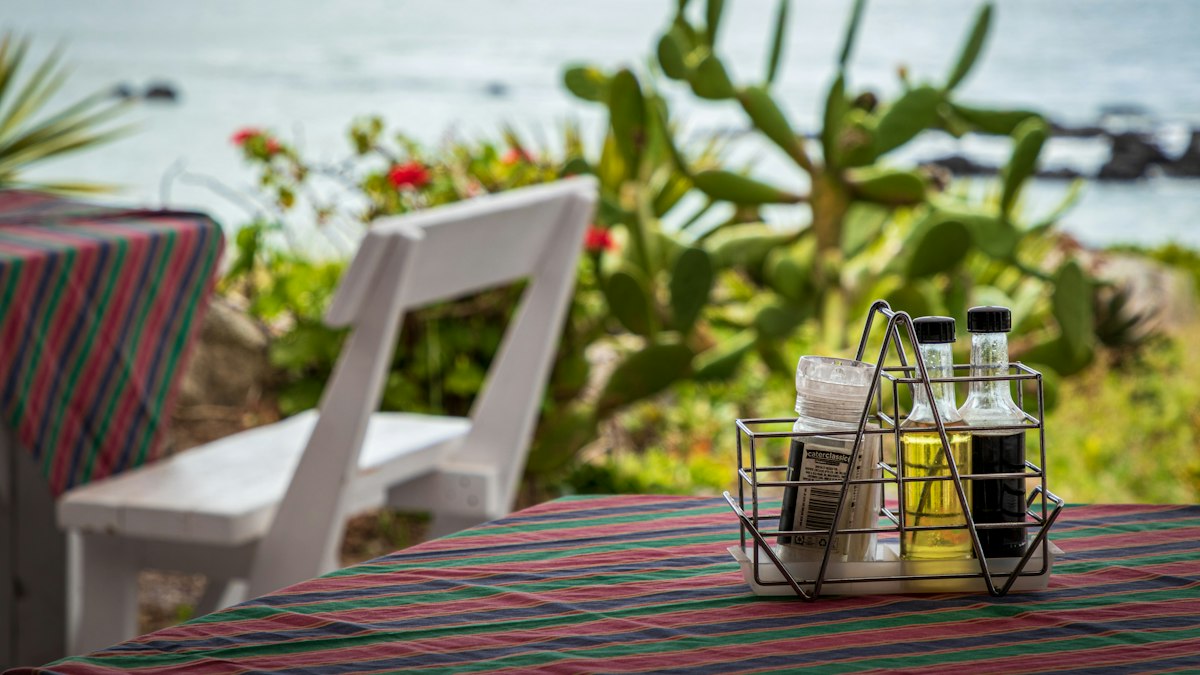
The Sicilian table maintains a distinction between moments when olive oil speaks and moments when it listens. The granita course is a rest; the grilled fish course is a statement. That rhythm is, in essence, the structure of Mediterranean eating.
What Sicily's Table Teaches
Following Sicilian recipes from beginning to end, a single practical principle emerges: before applying heat, ask what flavours the oil should draw out; after the heat is gone, ask what flavours it should preserve. The soffritto oil builds the structural foundation. The finishing oil adds the final expression. The frying oil is responsible for texture. And the course with no oil at all makes the next oil-dressed course taste more vivid.
In this island's kitchen, olive oil is not one ingredient among many—it is the design logic of the whole meal. Acidity, polyphenol content, harvest date, cultivar: every variable translates into something perceptible on the plate. For anyone wanting to cook Sicilian food at home, the first step is understanding what language the bottle in hand is speaking.
Frequently asked questions
- What kind of olive oil is traditionally used in caponata?
- Sicilian cooks typically use a medium to robust extra virgin olive oil for the soffritto and frying stages, then finish the dish with a fresh, unheated drizzle of the same or a fruitier oil. The finishing oil is added off the heat so its polyphenols and aromatic compounds remain intact.
- Can you fry arancini in olive oil?
- Yes. Sicilian home cooks have long used refined olive oil or olive pomace oil to fry arancini at 170–180 °C. According to the International Olive Council (IOC), olive oil's low linolenic acid content gives it relatively high oxidative stability at frying temperatures, meaning harmful oxidation products form more slowly than in some other oils.
- What is the main olive cultivar grown in Sicily?
- Nocellara del Belice is among the best-known Sicilian native cultivars. According to data from Italy's Ministry of Agricultural, Food and Forestry Policies (Mipaaf), Sicily accounts for roughly 17% of Italy's total olive production, with indigenous varieties giving the island's oils a distinctive profile of fruit, sweet almond, and a peppery finish.
- Why do Sicilians add olive oil after cooking rather than only during it?
- Finishing with unheated olive oil preserves volatile aromatic compounds and polyphenols that would otherwise break down under prolonged heat. In caponata, for example, the post-cooking drizzle adds brightness and complexity that the cooking oil alone cannot deliver once it has been used to fry the aubergine.
- How does granita fit into the way Sicily uses olive oil?
- Granita itself contains no olive oil, but its role in the meal structure is meaningful. By cleansing the palate between courses, it sharpens the perception of the oil-dressed dishes—grilled salt cod, preserved vegetables, cheese—that follow. Sicilian meal rhythm deliberately alternates moments where oil steps back with moments where it takes centre stage.
Related reading
- Hummus, Shakshuka, Sabich: How Israeli Cooking Uses Olive Oil at Every Layer
From the finishing pour on hummus to the base of a shakshuka and the layered construction of a sabich, olive oil functions as a primary ingredient on the Israeli table — not a neutral medium. This guide traces how Levantine culinary tradition treats the oil itself as the point.
- Ciabatta, Sourdough, Focaccia: Matching Bread Character to Olive Oil Intensity
Ciabatta, sourdough, and focaccia each bring a distinct fermentation profile, crumb structure, and crust to the table. Matching olive oil intensity to bread character lets both ingredients amplify each other rather than compete.
- Matching Olive Oil Intensity to Your Ingredients: A Pairing Guide
Acidity and grade tell you whether an olive oil is good; intensity tells you where it belongs on the plate. This guide walks through the mild, medium, and intense tiers — and the cooking variables that shift the equation.
- Roasting Vegetables in Olive Oil: Oil Quantity and Temperature by Vegetable Type
Not every vegetable needs the same amount of olive oil or the same oven temperature. This guide breaks down the optimal combinations by moisture content, starch level, and structure — so roasted vegetables come out evenly cooked with genuine depth of flavor.
- Guacamole, Tacos, and Olive Oil: A Pairing That Goes Back Centuries
From sixteenth-century Spanish missionaries to modern Latin kitchens in Mexico City, New York, and Los Angeles, extra virgin olive oil has long had a place at the Mexican table. This guide traces the history and explores how chefs are using it today.
- Butter Country No More: How Scandinavia Learned to Cook with Olive Oil
Olive oil is reshaping Nordic kitchens — from Copenhagen's Michelin-starred restaurants to Swedish home pantries. This guide traces how EVOO found its place alongside smoked fish, fermented rye, and root vegetables in one of the world's most distinctive food cultures.