Table
Guacamole, Tacos, and Olive Oil: A Pairing That Goes Back Centuries
From sixteenth-century Spanish missionaries to modern Latin kitchens in Mexico City, New York, and Los Angeles, extra virgin olive oil has long had a place at the Mexican table. This guide traces the history and explores how chefs are using it today.
Translated from the Korean edition, originally published October 8, 2026 · read the original
The Moment the Olive Tree Took Root in the Americas
The relationship between olive oil and Mexican cuisine is older than most people assume. Historical records show that sixteenth-century Spanish conquistadors crossed to the Americas carrying both olive tree saplings and jars of olive oil. According to data from the California Olive Oil Council (COOC), the olive trees cultivated in California today trace their lineage to varieties transplanted northward by Spanish missionaries through Baja California in the eighteenth century. Olive oil, in other words, is not a foreign ingredient in this context — it is a historical companion that spent centuries quietly working its way into the culinary fabric of Latin America.
Within Mexican home cooking, olive oil appears most visibly in the cuisines of the Yucatán Peninsula and the state of Veracruz. These regions were shaped by Mediterranean immigrant communities and have long used olive oil as a finishing drizzle or as an emulsifier to give body to salsa verde.
Guacamole and Olive Oil — and Why Avocado Oil Is a Different Conversation
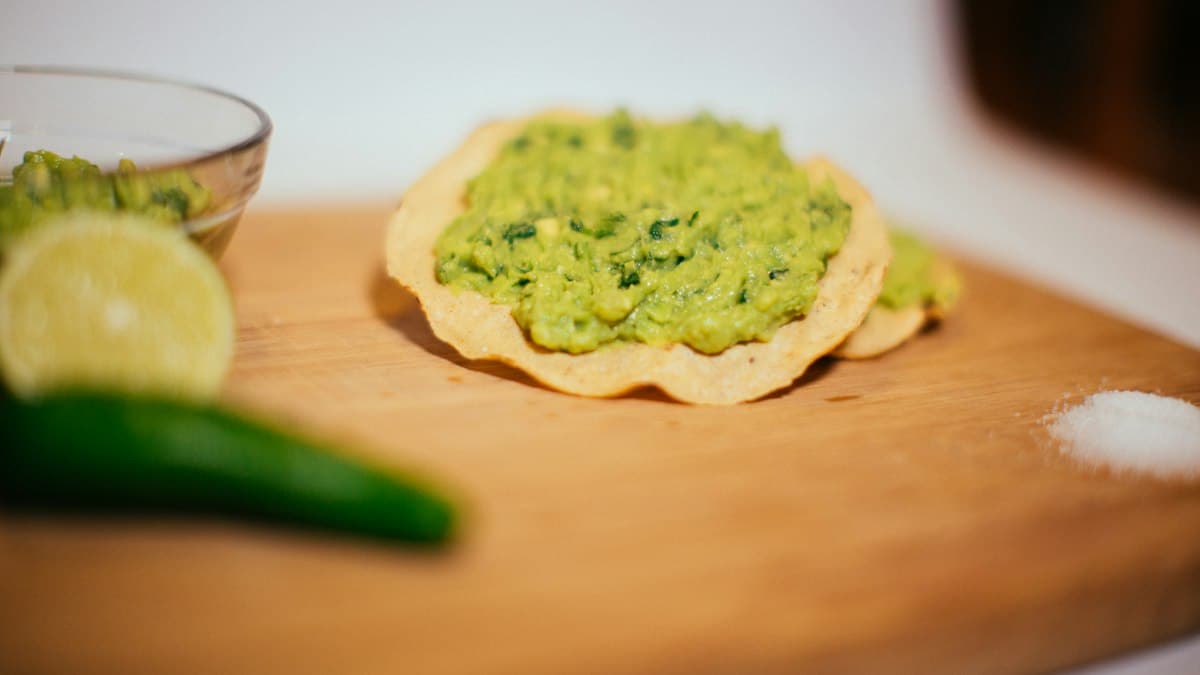
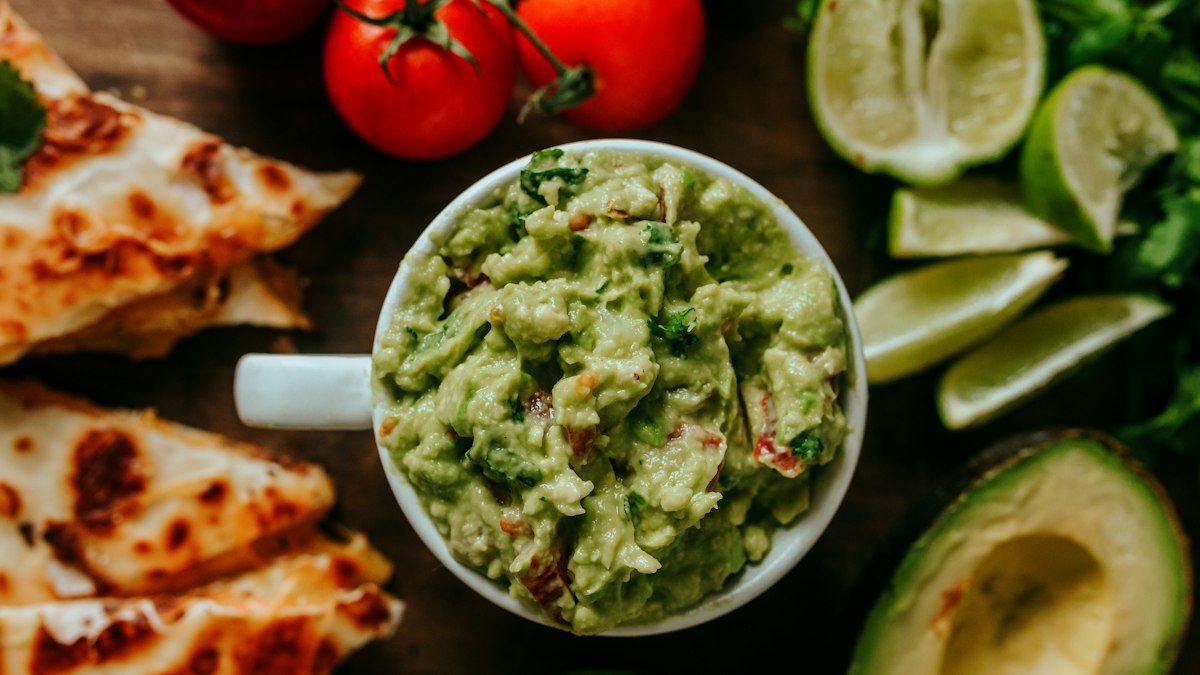
Because guacamole is already rich in fat from the avocado itself, it is easy to assume no additional oil is needed. Yet chefs at several contemporary restaurants in Mexico City, as well as Latin chefs working in New York and Los Angeles, have been experimenting with small additions of extra virgin olive oil (EVOO).
The logic is about adding a layer, not replacing one. The fat in avocado is buttery and relatively neutral in flavor. Extra virgin olive oil — especially high-polyphenol cultivars such as Picual or Ojiblanca — brings bitterness, pepper heat, and fresh green notes. The tension between these flavors interacts with the acidity of lime juice, the herbal punch of cilantro, and the heat of serrano chile, broadening the overall flavor spectrum of the dish. This is the shared view expressed by chefs working in this style.
A practical ratio that has emerged from these kitchens is 1 to 1.5 teaspoons of EVOO per two avocados. Beyond that point, the oil's character can overwhelm the other ingredients. The oil is best added at the very end and folded in gently, or drizzled lightly over the surface once the guacamole is plated.
Three Ways Olive Oil Enters the Taco
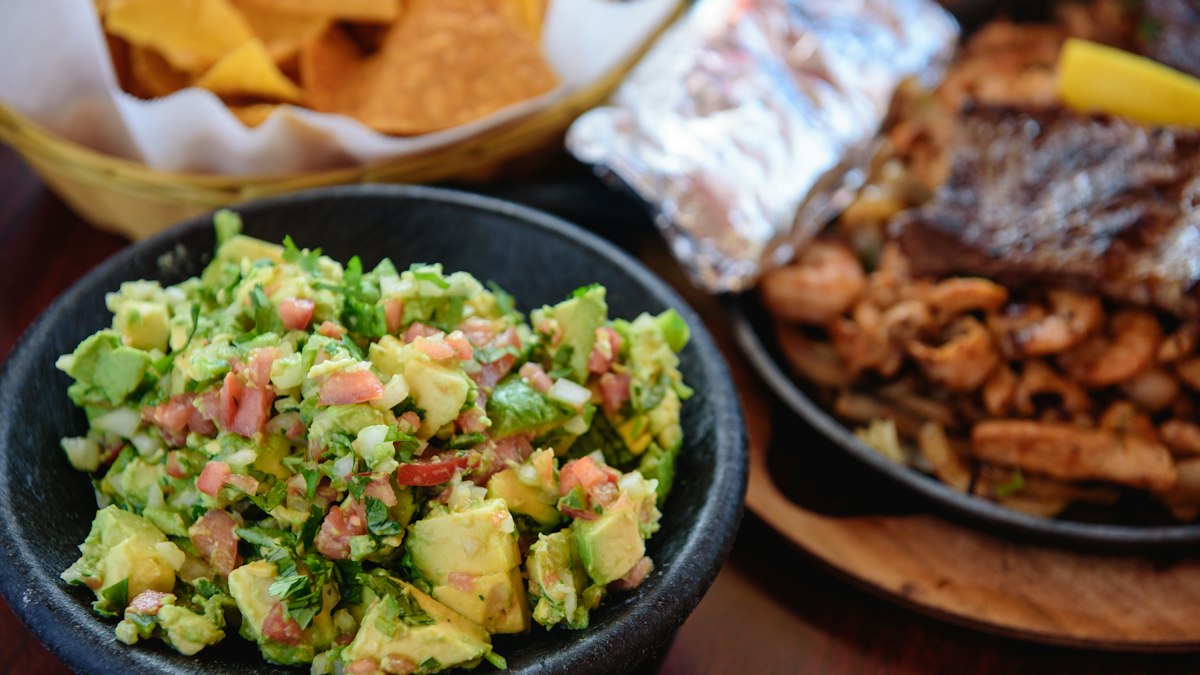
The intersection of tacos and olive oil offers more entry points than guacamole does. Three distinct applications have emerged from contemporary kitchens.
First, the marinade. When preparing carnitas (pork confit) or pollo asado (grilled chicken), using an olive-oil-based marinade alongside orange juice, garlic, and oregano allows the fat to carry fat-soluble aromatic compounds deep into the meat. Food science literature describes this as the fat's flavor-carrier function — the oil transports volatile flavor molecules into the protein without any additional cooking step.
Second, the tortilla treatment. Applying the barest film of olive oil — nearly wiped away — to a comal or pan before warming corn tortillas creates a light crisping on the surface and, as the oil heats, develops a mild nutty undertone. This is increasingly adopted as a contemporary alternative to the traditional lard-based method.
Third, the finishing drizzle. A thin line of olive oil drawn across a finished taco imports the Mediterranean crudo sensibility into a Mexican context. This approach works particularly well with fish tacos (tacos de pescado) or shrimp tacos, where olive oil preserves moisture and highlights the natural flavor of the seafood without the heaviness of a mayonnaise-based sauce.
Why Your Choice of EVOO Matters for Mexican Flavors
Because Mexican cuisine is defined by strong spices, chiles, and citrus acidity, the flavor profile of the olive oil you choose carries real weight. According to the International Olive Council (IOC) sensory evaluation standards, extra virgin olive oils are broadly categorized by the intensity of their bitterness and pungency.
Oils with a softer, milder profile suit delicate ingredients such as avocado and shrimp. Oils with pronounced polyphenol intensity — higher bitterness and peppery bite — create a productive contrast with the charred flavors of carnitas or the deep heat of chile-based sauces, producing a more layered tasting experience. Picual in particular is widely noted for a peppery character that resonates naturally with the spice architecture of Mexican cooking.
A Conversation That Is Still Unfolding
According to a 2023 Euromonitor International report, EVOO consumption in the Latin American edible-oil market grew by approximately 8 percent year-on-year, with Mexico identified as one of the fastest-growing markets in the region. Analysts point to a combination of factors: a health-conscious middle class and a culinary community that is reassessing olive oil as both a cultural and gastronomic asset.
The meeting of Mexican cuisine and olive oil is better described as a return than a fusion. The oil that arrived on Spanish missionary ships centuries ago is now finding new expression in guacamole bowls, across finished tacos, and in the hands of contemporary Mexican chefs writing a new chapter of a very old story.
Frequently asked questions
- Does guacamole really need olive oil if avocado is already fatty?
- The avocado's fat is mild and rounded, so it doesn't compete with added oil — it provides a neutral base. A small amount of high-polyphenol extra virgin olive oil, roughly 1 to 1.5 teaspoons per two avocados, adds bitterness, pepper notes, and fresh grassiness that widen the flavor spectrum alongside lime juice, cilantro, and serrano chile. More than that and the oil can overpower the other ingredients.
- Which olive oil cultivar pairs best with Mexican food?
- According to the International Olive Council (IOC) sensory framework, oils higher in bitterness and pungency suit bold, spiced dishes better. Picual, known for its pronounced peppery character, is widely noted as a strong match for the chile and charred-meat layers common in Mexican cooking. Milder oils such as Arbequina work better with delicate ingredients like shrimp or avocado.
- Can I use olive oil on corn tortillas instead of lard?
- Yes. Applying a very small amount of extra virgin olive oil — barely a film — to a comal or pan before warming corn tortillas creates a shallow crispness on the surface and introduces a gentle nutty aroma as the oil heats. Many cooks use this as a contemporary alternative to the traditional lard method.
- How did olive oil first reach Mexico and Latin America?
- Historical records show that Spanish conquistadors brought olive tree saplings and jars of olive oil with them when they crossed to the Americas in the sixteenth century. According to data from the California Olive Oil Council (COOC), the olive trees now cultivated in California trace back to varieties transplanted northward by Spanish missionaries through Baja California in the eighteenth century, making olive oil a historical companion to Latin American food culture rather than a modern import.
- Is EVOO consumption actually growing in Mexico?
- According to a 2023 Euromonitor International report, extra virgin olive oil consumption in the Latin American edible-oil market grew by approximately 8 percent year-on-year, with Mexico identified as one of the fastest-growing markets in the region. Analysts attribute this to a growing health-conscious middle class and a culinary community that is reassessing olive oil as a cultural as well as gastronomic asset.
Related reading
- Matching Olive Oil Intensity to Your Ingredients: A Pairing Guide
Acidity and grade tell you whether an olive oil is good; intensity tells you where it belongs on the plate. This guide walks through the mild, medium, and intense tiers — and the cooking variables that shift the equation.
- Butter Country No More: How Scandinavia Learned to Cook with Olive Oil
Olive oil is reshaping Nordic kitchens — from Copenhagen's Michelin-starred restaurants to Swedish home pantries. This guide traces how EVOO found its place alongside smoked fish, fermented rye, and root vegetables in one of the world's most distinctive food cultures.
- The Mediterranean Art of Oil Poaching Fish: Ratios, Temperatures, and Cultivar Pairings
Oil poaching — gently cooking fish submerged in olive oil at low heat — is a cornerstone technique of Mediterranean kitchens. This guide covers everything from choosing the right EVOO to precise temperature ranges and the oil ratios that make the difference.
- Hummus, Shakshuka, Sabich: How Israeli Cooking Uses Olive Oil at Every Layer
From the finishing pour on hummus to the base of a shakshuka and the layered construction of a sabich, olive oil functions as a primary ingredient on the Israeli table — not a neutral medium. This guide traces how Levantine culinary tradition treats the oil itself as the point.
- Five Places EVOO Fits Alongside Perilla and Sesame Oil on a Korean Table
Perilla oil and sesame oil have long held the finishing-oil role in Korean cooking. Here are five spots where extra virgin olive oil can sit beside them without displacing them.
- Soy, Gochujang, Doenjang: Ratio Guides for Korean Jang Dressings with Extra Virgin Olive Oil
Combining extra virgin olive oil with Korea's fermented jang pastes opens unexpected flavor territory — but the ratios matter. This guide breaks down the optimal oil-to-jang proportions for soy sauce, gochujang, and doenjang, with practical applications for each.