Table
A Drop of Science: Pairing Dark Chocolate with Extra Virgin Olive Oil
A drizzle of extra virgin olive oil over dark chocolate softens bitterness and amplifies aroma. From the molecular interactions of phenolic compounds to cultivar-by-cultivar pairing choices, OLEA explores this combination through the lens of culinary science.
Translated from the Korean edition, originally published September 21, 2026 · read the original
When Two Bitter Things Meet, Why Does It Taste Better?
Dark chocolate and extra virgin olive oil (EVOO) seem, at first glance, like an unlikely combination — both carry bitterness, both carry assertive aromas. Yet in practice, neither ingredient overwhelms the other. Instead, each rounds the sharper edges of its partner. Flavor science describes this through two mechanisms: bitter masking and aroma potentiation.
The bitterness in dark chocolate comes primarily from theobromine and a family of polyphenols known as flavanols found in cacao. The bitterness and pungency of EVOO, by contrast, are driven by phenolic compounds including oleocanthal and oleacein. According to research data from the UC Davis Olive Center at the University of California, Davis, oleocanthal is reported to interact with COX enzymes via a pathway similar to that of ibuprofen, producing the characteristic throat-catch sensation that tasters notice. When these two families of phenolic compounds share the same food matrix, they have been reported to tend toward offsetting and dispersing each other's intensity.
The more important player, though, is fat. Olive oil's oleic acid is a monounsaturated fatty acid structurally similar to the fats in cocoa butter. That structural kinship allows olive oil to dissolve naturally into the fat crystal network of chocolate, slowing the release of volatile aroma molecules in the mouth. The result is that cacao's fruity, earthy, and nutty notes register longer and more fully on the palate.
Matching Cacao Percentage to Cultivar Intensity
The core principle of this pairing is balancing the intensity of the cacao with the intensity of the olive oil. According to an oil-pairing guide published by the Asociación Española de Sumilleres (Spanish Sommeliers' Association), olive oils are classified into three intensity tiers — delicado (delicate), medio (medium), and intenso (intense) — and the general rule is to choose an oil at the same intensity level as the food, or one tier below.
For semi-sweet dark chocolate in the 65–75% cacao range, a medium-intensity oil is the natural fit. Ojiblanca is a leading choice: its generous fruitiness and restrained bitterness complement the milky sweetness that remains at this cacao level, with a delicate almond note and ripe-fruit nuance that accentuates rather than competes.
For intense dark chocolate at 85% cacao and above, an intenso-tier oil is called for. Picual, with its bold green-grass character and assertive peppery finish, has the presence to meet the heavy bitterness that comes with high cacao content. Both ingredients carry strong tannin structures, so the initial impact is forceful, but together they build a long, complex finish that rewards patience.
Sibarita sits at the lightest end of the intensity scale. It performs best alongside milk-dark chocolate around 60% cacao, or with flavored chocolates — orange ganache, raspberry fillings, and similar preparations. The oil's almost buttery texture connects seamlessly with the smoothness of ganache, rounding the dessert into a cohesive whole.
Why Chefs Are Paying Attention — Olive Oil as a Pastry Ingredient
Using olive oil in desserts is a long-standing habit across Mediterranean Italy and Spain, but the combination has been reconsidered in fine-dining contexts in recent years. According to a 2023 menu-trend report published by U.S. food-service research firm Datassential, the use of olive oil as a finishing ingredient in upscale restaurant dessert menus increased by approximately 38% compared with 2020.
Chefs have technical reasons for their interest. Unlike butter or cream, EVOO does more than add flavor: even a small quantity can alter the overall texture and mouthfeel of a preparation. When EVOO replaces butter in a chocolate ganache, the ganache remains softer after refrigeration and melts more slowly on the palate. This is attributed to the fact that oleic acid has a lower melting point than saturated fats.
At home, the simplest starting point is a single piece of bar chocolate, a pinch of flaky salt, and a drop of EVOO. Salt activates sweetness receptors and lowers the perceived intensity of bitterness, while olive oil acts as a carrier for aroma molecules. Together, the three ingredients stimulate multiple taste receptors simultaneously, producing a layered experience that goes well beyond what a plain square of chocolate delivers on its own.
Temperature and Timing — The Final Details
Temperature is a more consequential variable than it might seem. If the chocolate is too cold, cocoa butter contracts and the oil pools on the surface rather than integrating. If the chocolate is too warm, the volatile aromatic compounds in the oil dissipate rapidly. Room temperature — approximately 18–22°C — is the condition under which aroma molecules are reported to be released most abundantly.
Timing matters as well. Drizzling the oil in advance leaves the chocolate surface looking greasy and changes its texture. The best approach is to add the oil immediately before eating, within a minute or two of serving. At that moment the oil's aromas are still at their most vivid, volatile compounds begin to lift naturally even without applied heat, and the first bite delivers the most dramatically layered aromatic experience.
This combination is not simply a matter of placing two ingredients side by side. It is a small culinary experiment in which temperature, timing, and cultivar selection are calibrated with an understanding of what is happening at the molecular level. The return on that attention is reliably greater than a single drop of oil might suggest.
Frequently asked questions
- Why does olive oil go well with dark chocolate?
- Both contain bitter phenolic compounds, but when they meet in the same food matrix, each tends to moderate the sharpness of the other — a phenomenon flavor scientists describe as bitter masking. Olive oil's oleic acid also shares a structurally similar monounsaturated fat profile with cocoa butter, helping volatile aroma molecules release slowly in the mouth and making the chocolate's fruity, earthy, and nutty notes linger longer.
- Which olive oil cultivar works best with dark chocolate?
- It depends on the cacao percentage. For semi-sweet dark chocolate in the 65–75% range, a medium-intensity oil such as Ojiblanca — with its delicate almond note and ripe-fruit nuance — is a natural match. For 85%-plus dark chocolate, the bold green-grass character and peppery finish of Picual can stand up to intense bitterness. Sibarita, one of the lightest in intensity, suits milk-dark or flavored chocolates around 60% cacao.
- What temperature should the chocolate be when I add olive oil?
- Room temperature — roughly 18–22°C — is the sweet spot. If the chocolate is too cold, cocoa butter contracts and the oil sits on the surface without integrating. If it is too warm, the oil's volatile aromatic compounds dissipate quickly. At room temperature, aroma molecules are released most abundantly, delivering the fullest sensory experience.
- When should I drizzle olive oil on chocolate — ahead of time or just before eating?
- Just before eating, ideally within one to two minutes of serving. Drizzling too early causes the chocolate surface to look greasy and changes its texture. Applied at the last moment, the oil's aromas are still at their most vivid, and volatile compounds begin to lift naturally even without heat, making the first bite the most aromatically layered.
- Is the olive oil and dark chocolate combination just a passing trend?
- It has roots stretching back through Italian and Spanish Mediterranean culinary tradition, but it has gained significant contemporary momentum. According to a 2023 menu-trend report published by U.S. food-service research firm Datassential, the use of olive oil as a finishing ingredient in fine-dining desserts increased by approximately 38% compared with 2020, suggesting the pairing has moved well beyond novelty.
Related reading
- Matching Olive Oil Intensity to Your Ingredients: A Pairing Guide
Acidity and grade tell you whether an olive oil is good; intensity tells you where it belongs on the plate. This guide walks through the mild, medium, and intense tiers — and the cooking variables that shift the equation.
- Pairing Olive Oil with Wine: A Guide to Matching Aromas, Bitterness, and Texture
Extra virgin olive oils differ markedly in acidity, bitterness, and fruitiness — and each profile calls for a different wine partner. This guide maps those sensory axes to white, red, and natural wines.
- The Mediterranean Art of Oil Poaching Fish: Ratios, Temperatures, and Cultivar Pairings
Oil poaching — gently cooking fish submerged in olive oil at low heat — is a cornerstone technique of Mediterranean kitchens. This guide covers everything from choosing the right EVOO to precise temperature ranges and the oil ratios that make the difference.
- Soy, Gochujang, Doenjang: Ratio Guides for Korean Jang Dressings with Extra Virgin Olive Oil
Combining extra virgin olive oil with Korea's fermented jang pastes opens unexpected flavor territory — but the ratios matter. This guide breaks down the optimal oil-to-jang proportions for soy sauce, gochujang, and doenjang, with practical applications for each.
- Hummus, Shakshuka, Sabich: How Israeli Cooking Uses Olive Oil at Every Layer
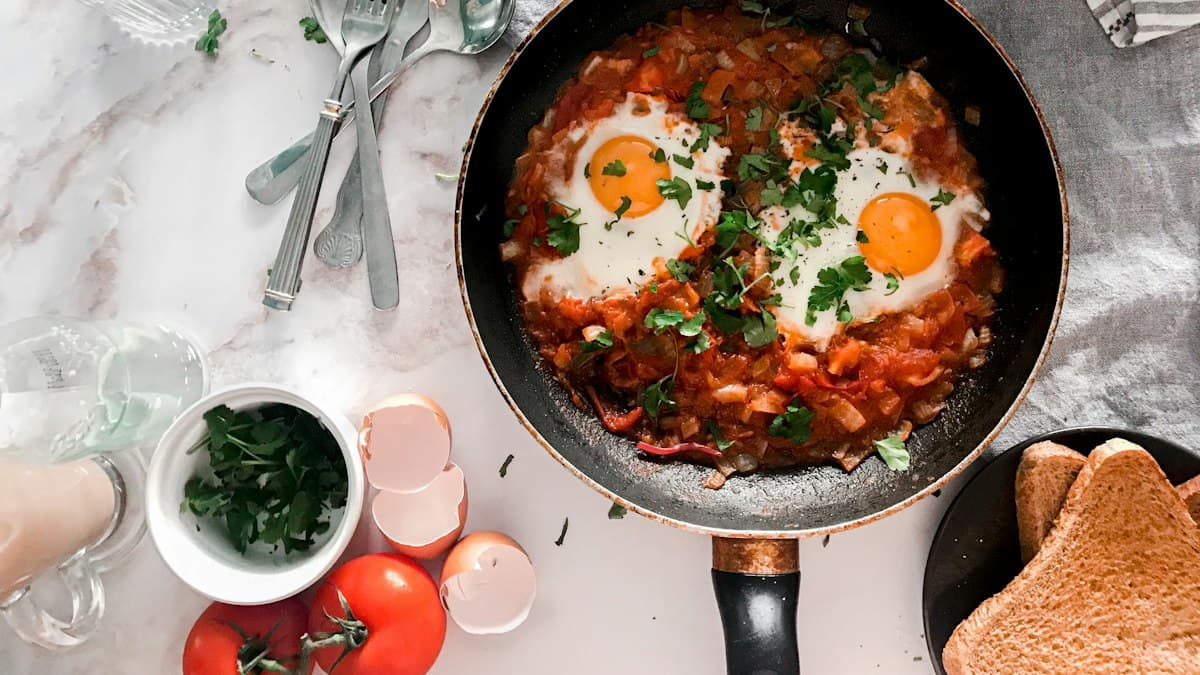
From the finishing pour on hummus to the base of a shakshuka and the layered construction of a sabich, olive oil functions as a primary ingredient on the Israeli table — not a neutral medium. This guide traces how Levantine culinary tradition treats the oil itself as the point.
- Fried, Scrambled, Poached: How Olive Oil Changes Every Style of Egg
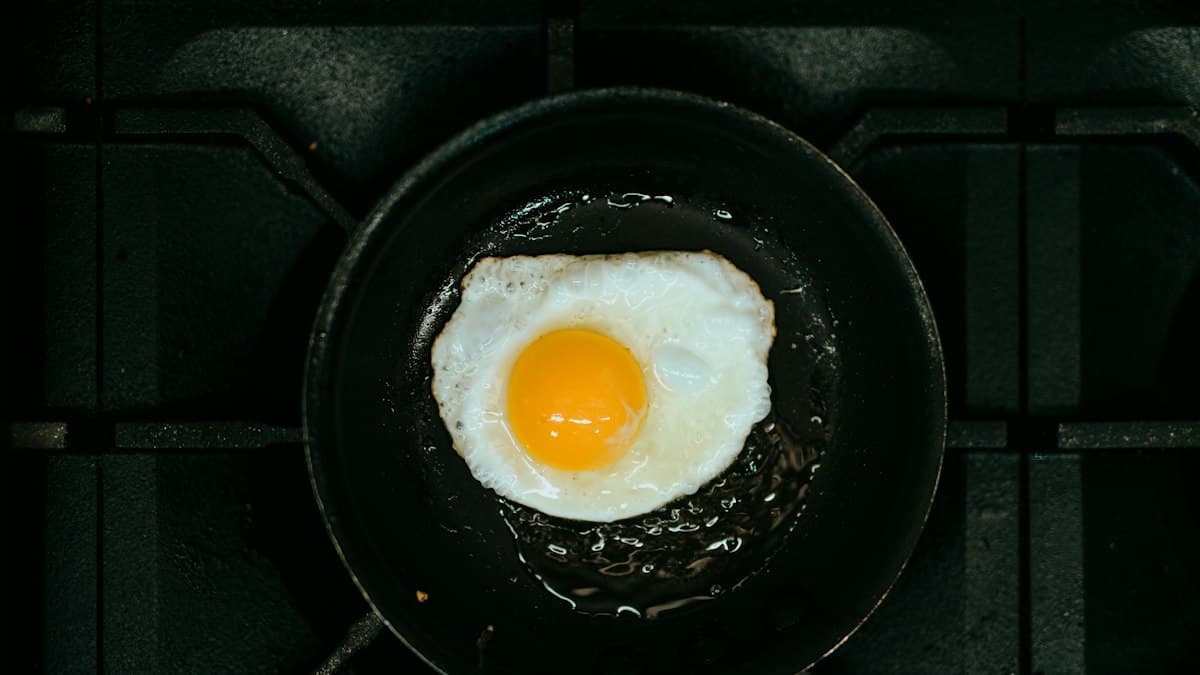
Olive oil is more than a non-stick coating in egg cookery — it shapes texture, aroma, and the final bite. This guide breaks down the right oil, temperature, and timing for fried, scrambled, and poached eggs.