Table
Vegetables, Herbs, and Cheese Preserved in Olive Oil: A Complete Pickling Guide
Oil pickling is one of the Mediterranean's oldest preservation techniques. This guide covers ratios, hygiene rules, oil selection, and safe storage times for vegetables, herbs, and cheese preserved in olive oil.
Translated from the Korean edition, originally published August 31, 2026 · read the original
What Is Oil Pickling?
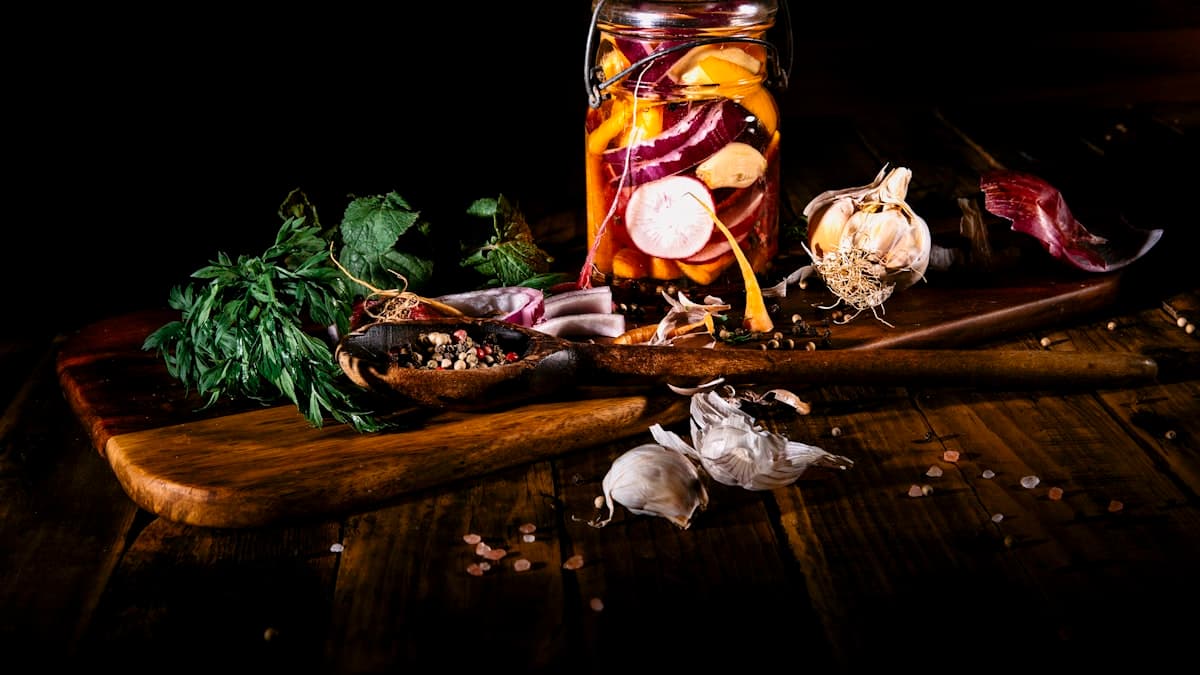
Olive oil pickling is a traditional Mediterranean preservation method in which ingredients such as vegetables, herbs, and cheese are submerged in olive oil. Unlike conventional pickling with vinegar or brine, the mechanism here is physical: oil coats the surface of each ingredient and cuts off contact with oxygen. Italy's sott'olio and Spain's aceite aromatizado are among the best-known traditional expressions of this technique, with histories stretching back centuries.
That said, oil is not acidic, which means it suppresses bacteria far less effectively than vinegar. According to FDA guidelines, preparations containing raw garlic or fresh herbs must be refrigerated and consumed within two weeks. Safe oil pickling rests on three pillars: ingredient preparation, container hygiene, and storage temperature.
Ratios and Ingredient Selection
The right ratio depends on what you are preserving. The core principle is a ingredient-to-oil ratio of 1:1.5–2, with the ingredients fully submerged at all times. Any exposure to air significantly raises the risk of mould growth.
Vegetables — Cherry tomatoes, artichokes, peppers, and zucchini are popular choices. High-moisture vegetables require pre-treatment: slice them, toss with coarse salt, and leave for 30 minutes to one hour to draw out moisture, then pat completely dry with kitchen paper. Residual water in the oil creates an environment that can encourage anaerobic bacterial growth.
Herbs — Woody herbs such as rosemary, thyme, and oregano are relatively low-risk. Soft, high-moisture herbs like basil and parsley should be thoroughly dried before use, or blanched (10 seconds in boiling water, then immediately cooled and dried) before going into the oil. A practical ratio is 200–250 ml of olive oil per 20–30 g of herbs by weight.
Cheese — Firm, low-moisture cheeses such as feta, halloumi, and ricotta salata are well suited for oil preservation. Cut cheese into 2–3 cm pieces and ensure they are fully covered by oil. A baseline ratio of 150–200 ml of olive oil per 100 g of cheese works well; lemon zest, whole peppercorns, and chilli flakes all complement the flavour.
Why Oil Quality Matters
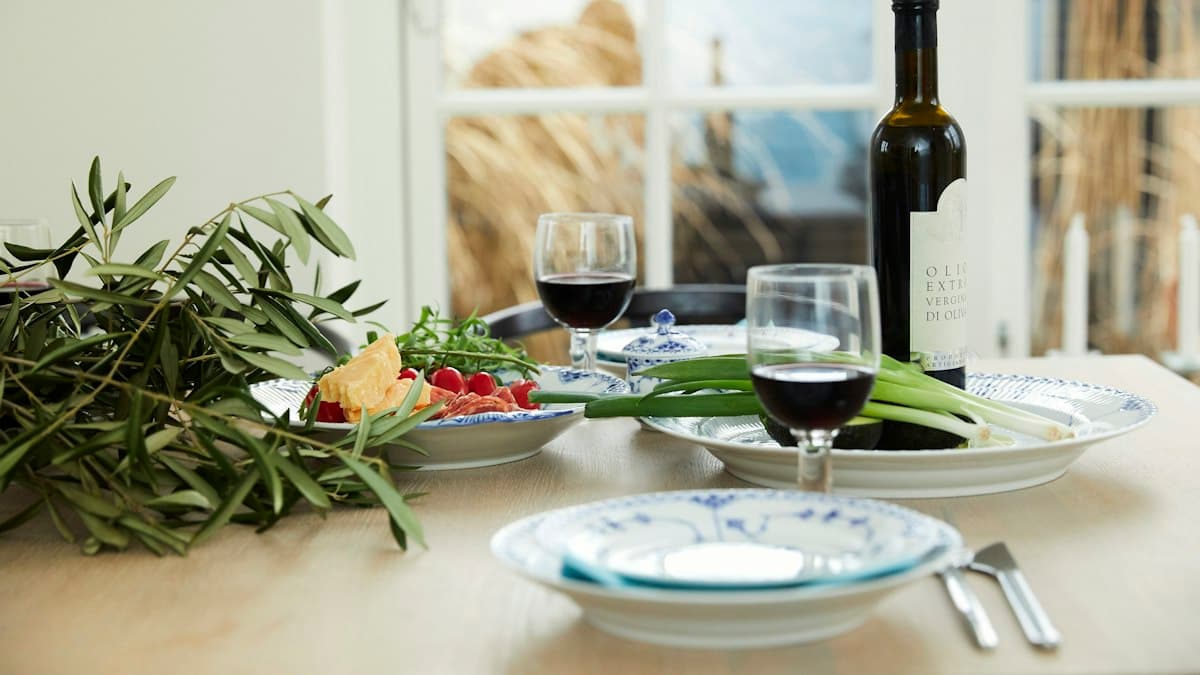
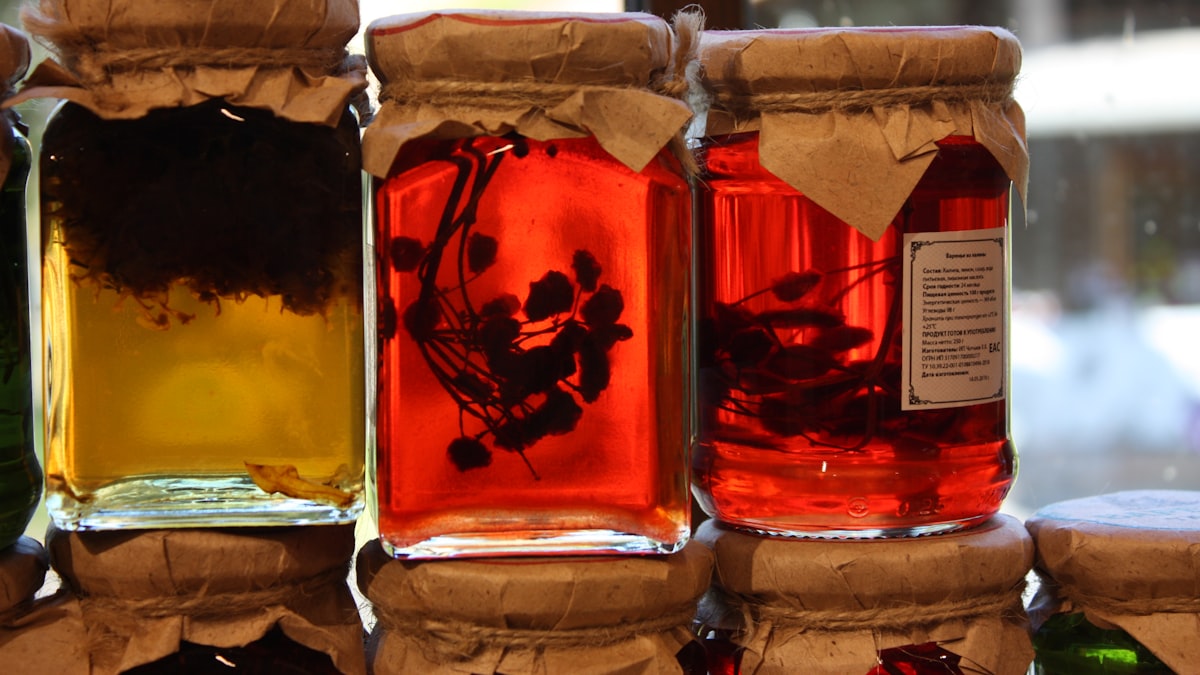
The quality of the olive oil you use affects both the flavour and the stability of the finished preparation. Extra virgin olive oil (EVOO) contains natural antioxidants including polyphenols and oleuropein, which give the oil itself greater oxidative stability. According to International Olive Council (IOC) standards, extra virgin grade oil must have a free fatty acid content (acidity) of 0.8% or below; lower acidity is generally associated with greater freshness and better keeping qualities.
High-polyphenol EVOO has been reported to slow oxidation of preserved ingredients during storage, thanks to its stronger antioxidant properties. However, a strongly flavoured, high-polyphenol oil can overwhelm delicate herb aromas, so for herb-based preparations a balanced EVOO around 0.2% acidity tends to work better. For vegetables and cheese, a more robust, flavourful oil is a good match.
Light olive oil and pure olive oil lose most of their polyphenols during refining, making them less suitable for pickling from a preservation standpoint. Extra virgin grade is the recommended choice.
Hygiene and Container Preparation
The safety of any oil pickle is determined largely by container hygiene. Sterilise glass jars by boiling them for at least 10 minutes, or by drying them in an oven at 100°C for 15 minutes, then allow them to cool completely before use. Even a small amount of residual moisture provides the conditions bacteria need to proliferate.
Use metal tongs or sterilised tools when handling ingredients, and avoid direct hand contact. When pouring oil over the ingredients, leave about 1 cm of headspace below the rim. After sealing, gently shake the jar to release any trapped air bubbles, then check the oil level the following day. If any ingredients have risen above the surface, top up with more oil.
Refrigeration is the default. Any preparation containing raw garlic or fresh herbs must be kept refrigerated and used within two weeks. Preparations made with dried spices only are generally considered shelf-stable in a cool, dark place for up to one month, though refrigeration after opening is recommended.
Infusing for Flavour: Combinations Worth Trying
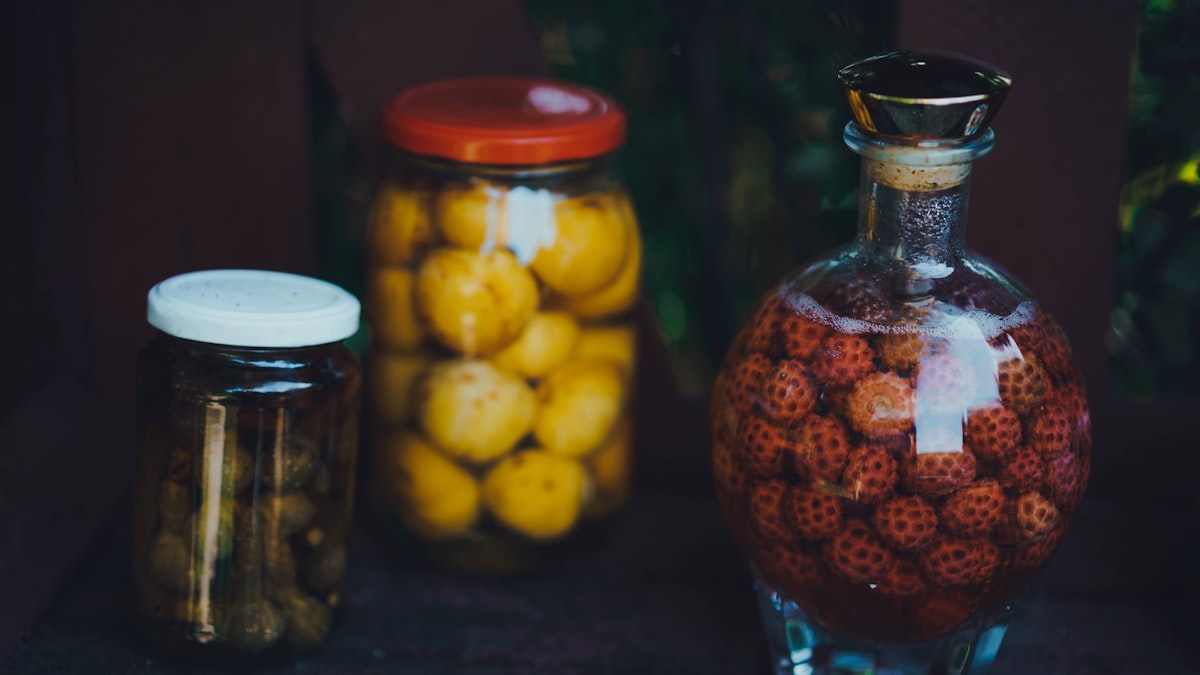
One of the pleasures of oil pickling is the infusing effect: over time, the oil itself absorbs the aromas of everything preserved in it, gradually becoming a flavoured oil in its own right — useful as a dressing, a marinade, or a dipping oil for bread.
Three combinations worth trying: Lemon feta — feta with lemon zest, whole peppercorns, and oregano. Mediterranean vegetables — blanched artichokes, peppers, and olives with rosemary and garlic (garlic preparations must be kept refrigerated throughout). Chilli rosemary oil — dried chilli flakes and woody rosemary in a preparation that can be stored at room temperature and used as a finishing oil for pasta.
On the question of infusing temperature, research from Italy's National Research Council (CNR) evaluated a method in which herbs are steeped in oil gently heated to 40–60°C for at least 30 minutes, finding it balanced flavour extraction with microbial safety considerations. The oil must cool completely before the remaining ingredients are added.
Storage Times and How to Get the Most from Your Preserves
As a general guide: refrigerated infused oil made with dried herbs and spices only keeps for up to one month; preparations with raw garlic or fresh herbs should be used within two weeks; cheese in oil (refrigerated) lasts two to three weeks; blanched vegetables in oil (refrigerated) last two to four weeks.
Always use clean utensils to remove ingredients, and top up with fresh oil of the same grade whenever the level drops, keeping everything submerged. Once the solid ingredients are gone, the remaining flavoured oil works well as a pasta sauce base, a salad dressing, a finishing drizzle for grilled vegetables, or poured straight onto bread as an antipasto.
If the oil turns cloudy or develops an off smell, discard it without hesitation. Oil pickling is not about elaborate technique — it is about starting with fresh ingredients and maintaining basic hygiene from the first step to the last.
Frequently asked questions
- Is olive oil pickling safe without vinegar or brine?
- Olive oil is not acidic, so it does not suppress bacteria the way vinegar does. According to FDA guidelines, preparations containing raw garlic or fresh herbs must be refrigerated and consumed within two weeks. Safety depends on three factors: ingredient preparation, container hygiene, and storage temperature.
- How long does olive oil pickling last in the fridge?
- General guidelines vary by preparation: infused oils made with dried herbs and spices only keep for up to one month refrigerated; preparations containing raw garlic or fresh herbs should be used within two weeks; cheese in oil lasts two to three weeks; blanched vegetables in oil last two to four weeks. Always refrigerate after opening.
- Which olive oil is best for pickling and preserving?
- Extra virgin olive oil (EVOO) is recommended. According to International Olive Council (IOC) standards, EVOO must have a free fatty acid content (acidity) of 0.8% or below — the lower the acidity, the fresher the oil. High-polyphenol EVOO has been reported to slow oxidation of preserved ingredients. For delicate herbs, a balanced EVOO around 0.2% acidity works well; for vegetables and cheese, a more robust oil suits the stronger flavours.
- What vegetables and cheeses work best in olive oil?
- Cherry tomatoes, artichokes, peppers, and zucchini are widely used for vegetables. High-moisture vegetables should be salted and rested for 30 minutes to one hour, then thoroughly dried before going into the oil. For cheese, firm, low-moisture varieties such as feta, halloumi, and ricotta salata are ideal, cut into 2–3 cm pieces and fully submerged in oil.
- What is the best temperature for infusing herbs into olive oil?
- Research from Italy's National Research Council (CNR) evaluated a method in which herbs are steeped in oil gently heated to 40–60°C for at least 30 minutes, finding it balanced flavour extraction with microbial safety considerations. The oil must be allowed to cool completely before the other ingredients are added.
Related reading
- EVOO in the Italian Home Kitchen: A Long History in Baking and Pastry
Extra virgin olive oil is widely known as a finishing oil, but Italian home cooks have long relied on it in baking and pastry. From focaccia dough to apple cake batter, here is how EVOO earns its place in the oven.
- From Omakase to Home Table: How the Fine-Dining-at-Home Trend Is Reshaping the Pantry
A growing appetite for restaurant-grade experiences at home is pushing premium pantry staples—Spanish single-varietal EVOO chief among them—out of professional kitchens and onto domestic shelves.
- Value Over Price: How Korea's Gift Market Is Embracing European Premium Pantry Staples
Korea's seasonal gift market is shifting its center of gravity from expensive to meaningful, with naturalist private-label ranges and European premium ingredients — including EVOO — moving from novelty to expectation.
- Spring Greens Meet EVOO: A Pairing Guide for the Season's First Harvest
From bitter aralia shoots to sweet spring cabbage, Korea's earliest seasonal greens reveal an unexpected affinity with extra virgin olive oil. This guide matches cultivar by cultivar and explains how to use EVOO at every stage of the spring kitchen.
- Korean Holiday Cooking Meets EVOO: A Practical Kitchen Guide
Sesame oil has long ruled the Korean festive kitchen, but extra virgin olive oil is quietly earning a place beside it. This guide covers which holiday dishes benefit most from EVOO, how to blend the two oils, and how to keep a bottle in good condition through a long cooking day.
- Three Meals a Day with EVOO: Inside the Spanish Home Kitchen
In Spanish households, extra-virgin olive oil is not reserved for special occasions — it appears at breakfast, anchors the midday sofrito, and finishes the evening plate. A look at how that daily rhythm works, and what it might mean for any table.
Tags
- oil pickling
- infused olive oil
- food preservation
- evoo
- mediterranean cooking