Table
Korean Holiday Cooking Meets EVOO: A Practical Kitchen Guide
Sesame oil has long ruled the Korean festive kitchen, but extra virgin olive oil is quietly earning a place beside it. This guide covers which holiday dishes benefit most from EVOO, how to blend the two oils, and how to keep a bottle in good condition through a long cooking day.
Translated from the Korean edition, originally published July 4, 2026 · read the original
Why a Bottle of EVOO Belongs Next to the Sesame Oil
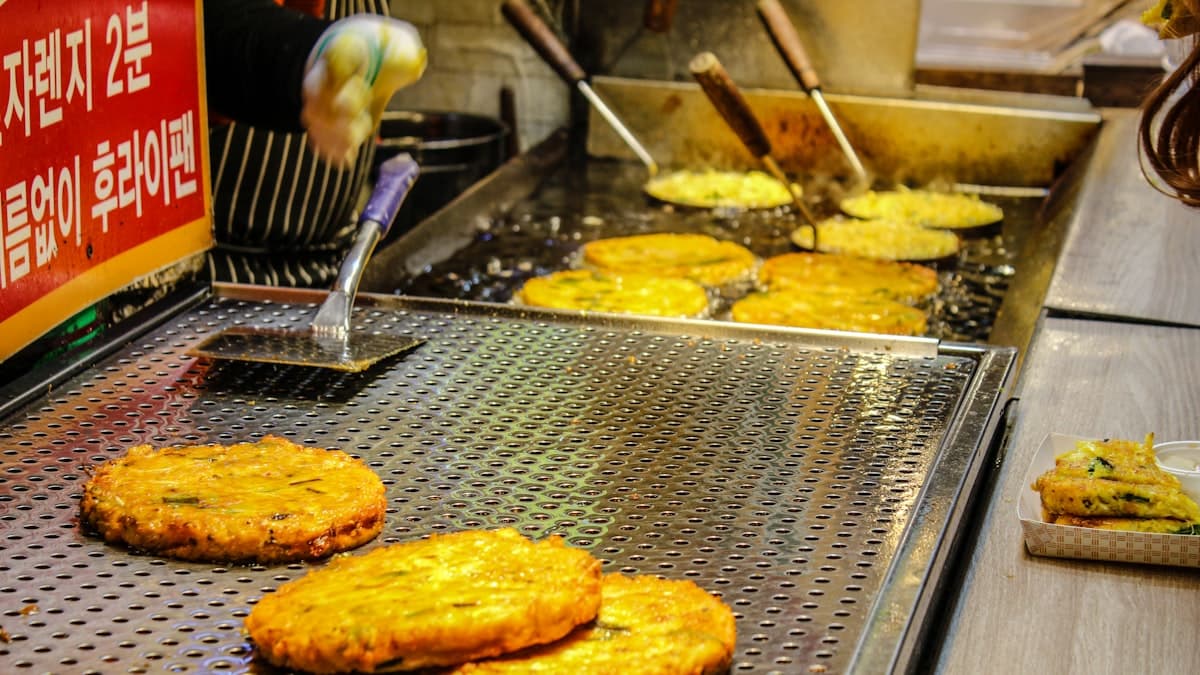
Every festive cooking session in a Korean home begins the same way: the sesame oil comes off the shelf. It finishes seasoned greens, deepens the broth, and adds its unmistakable warmth to pancake batter. That familiar gesture is practically punctuation at the end of a holiday dish. Over the past few years, however, more households have been setting a bottle of extra virgin olive oil (EVOO) right beside it.
According to a 2023 processed-food market survey published by Korea's Ministry of Agriculture, Food and Rural Affairs and the Korea Agro-Fisheries & Food Trade Corporation (aT), the domestic olive oil category has posted steady growth driven by rising health awareness, with consumers in their thirties and forties reporting notably higher rates of everyday olive oil use compared with the previous generation. Holiday cooking is following the same trend.
The key word is complement, not replacement. Sesame oil's deep, roasted character is woven into the identity of Korean festive food and needs no dislodging. EVOO earns its place in the steps where sesame oil's intensity would be too much, or where a cleaner finish is exactly what a dish needs.
What Changes When You Fry Jeon in EVOO
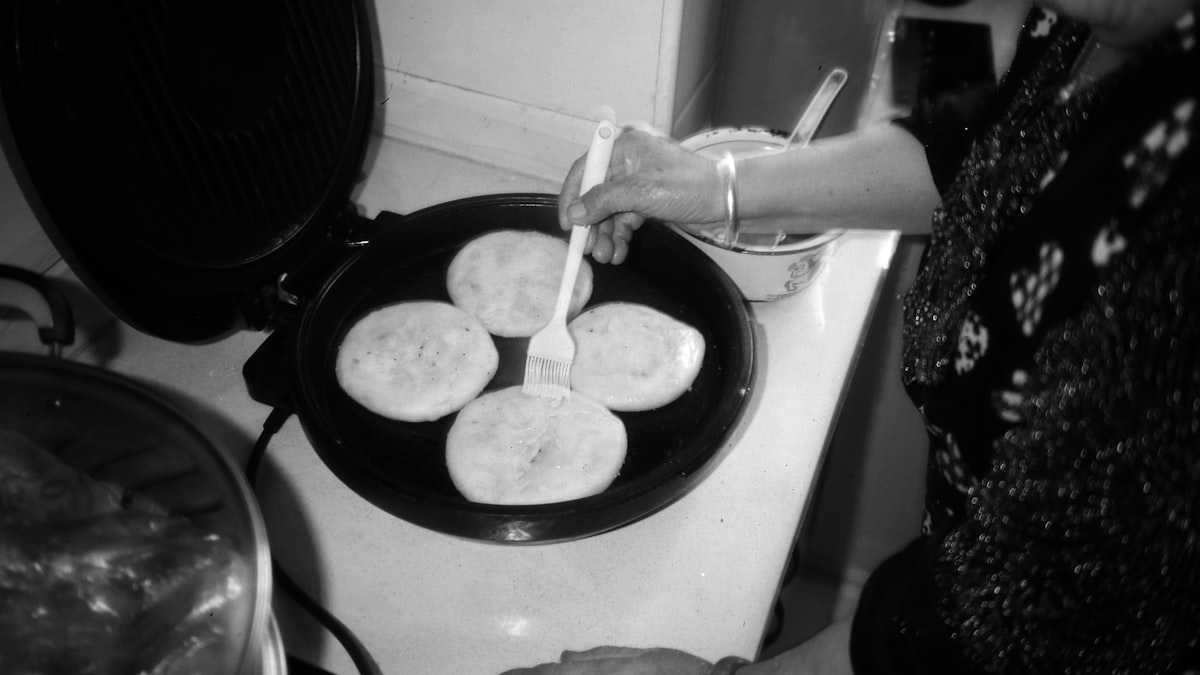
Jeon is the centrepiece of the Korean holiday spread — minced-meat patties, fish fillets, courgette slices, shiitake caps, all dipped in egg and fried until golden. The sound and smell of oil heating in a pan the night before the holiday is, for many families, the holiday itself.
Swapping in EVOO for the frying oil produces three noticeable differences.
First, the texture shifts. High-quality EVOO has a smoke point generally reported at around 180–200 °C, which is sufficient for the medium-heat frying typical of jeon (roughly 160–180 °C). Researchers at the Instituto de la Grasa, part of Spain's National Research Council (CSIC), have reported that EVOO shows greater oxidative stability than many other vegetable oils when heated, with relatively fewer harmful compounds forming even under repeated heating.
Second, the background flavour becomes more neutral. Compared with standard soybean or grapeseed oil, EVOO tends to let the main ingredient speak more clearly. Culinary researchers note that fish jeon fried in EVOO often has a cleaner finish with less fishy odour, while vegetable jeon can show a brighter natural sweetness.
Third, the oil adds a faint fruitiness and a mild green bitterness. Whether that reads as a plus will depend on the eater. To avoid any clash with the soy-and-chilli base typical of Korean dipping sauces, choose an oil with acidity at or below 0.2% — the lighter the EVOO's character, the more invisibly it integrates.
Namul and Seasoned Sides: Using EVOO as the Dressing
Holiday namul — spinach, bellflower root, bracken fern, bean sprouts — all follow roughly the same method: blanch, squeeze dry, then season with salt, soy sauce, garlic, and sesame oil. The sesame oil is the finishing note.
Replacing part or all of the sesame oil with EVOO produces a noticeably lighter, cleaner result. Some culinary researchers find that spinach namul dressed with EVOO alone reads as grassier and fresher, letting the vegetable's own character lead. Bellflower root, with its characteristic mild bitterness, can harmonise naturally with the polyphenol-derived bitterness present in a good EVOO.
For those reluctant to lose sesame oil's toasty warmth entirely, a blend of 2 parts EVOO to 1 part sesame oil works well: the nutty note remains, but the heaviness drops and the overall texture on the palate feels lighter.
Braised and Stewed Dishes: EVOO in the Heat
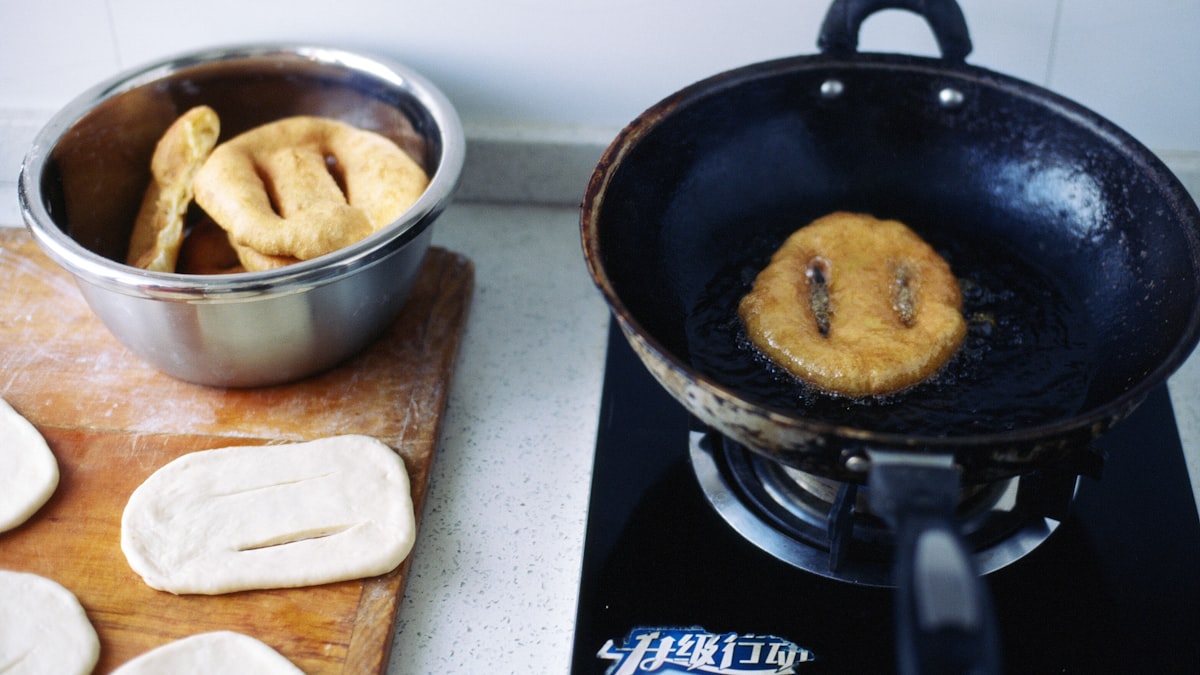
Pouring EVOO directly into a simmering holiday stew — beef and radish soup, short-rib soup, bone broth — is uncommon, and there is little reason to start. But using EVOO at the initial searing or sautéing stage changes the picture.
When preparing galbi-jjim (braised short ribs), quickly searing the meat surface in EVOO promotes the Maillard reaction, building a deep brown flavour crust on the exterior. The oil's contribution at that stage dissolves naturally into the subsequent soy sauce, sugar, and pear juice braising liquid, adding depth without any obvious foreign note.
The same logic applies to braised tofu or potatoes. Pan-frying the pieces in EVOO before adding the sauce keeps the surface firmer, preventing the seasoning from soaking in excessively. The result is a dish that is less salty overall and where the ingredient's own texture survives the braise.
Choosing a Bottle and Keeping It Well Through the Holiday
If you are opening a new bottle or pulling one out for holiday cooking, a few details are worth checking.
Grade and acidity: The International Olive Council (IOC) defines extra virgin grade as free fatty acidity no higher than 0.8%. Many high-quality products sit below 0.3%. Lower acidity is generally associated with greater freshness and better stability under heat.
Harvest date: Check the back label for either a harvest date or a best-before date. Olive oil is broadly recommended for consumption within 18–24 months of harvest.
Storage during cooking: Holiday sessions are long, and bottles tend to end up next to the hob. EVOO is sensitive to both light and heat. The standard advice is to keep the cap sealed and store the bottle in a cool, dark cupboard, which slows oxidation. Once opened, finishing the bottle within 2–3 months is generally recommended.
For large-batch holiday cooking, the temptation is to buy a big tin. In terms of quality retention, a dark glass bottle is often preferable, because each pour exposes the remaining oil to a smaller amount of oxygen. If a large tin is necessary, decanting each day's portion into a smaller dark glass container and resealing the tin will help preserve what is left.
Beyond the Ritual Table, Into the Everyday Holiday Kitchen
EVOO will not rewrite Korean festive cooking overnight, nor should it try. The flavour memories and recipes built over decades are not meant to be dismantled — they are the point.
But adding a spoonful of EVOO to the frying pan for jeon, using it as the dressing base for one batch of namul, or reaching for it at the first searing step of a braise is less about replacing a tradition than layering something new on top of it. If the holidays are a time to rediscover what a family actually likes to eat, extra virgin olive oil can be a small, low-stakes place to start that exploration.
Frequently asked questions
- Can you use extra virgin olive oil to fry jeon (Korean savory pancakes)?
- Yes. High-quality EVOO has a smoke point generally reported at around 180–200 °C, which comfortably covers the medium-heat frying (roughly 160–180 °C) needed for jeon. Researchers at the Instituto de la Grasa, part of Spain's National Research Council (CSIC), have reported that EVOO shows higher oxidative stability than many other vegetable oils when heated, meaning fewer unwanted breakdown compounds form during pan-frying.
- Does olive oil go well with Korean namul (seasoned vegetable sides)?
- Many culinary researchers find that EVOO lightens the overall flavour profile of namul: spinach greens read as fresher, and bitter vegetables such as bellflower root can harmonise with the mild bitterness of EVOO's polyphenols. A common starting ratio is 2 parts EVOO to 1 part sesame oil, which preserves the toasty note while reducing heaviness.
- What acidity level should I look for when buying EVOO for Korean cooking?
- The International Olive Council (IOC) sets the extra virgin grade ceiling at 0.8% free fatty acidity. Many high-quality products fall below 0.3%. For Korean dishes built on soy sauce and chilli paste, oils at or below 0.2% acidity tend to blend in without their fruitiness clashing with the base flavours.
- How long does an opened bottle of EVOO stay good?
- Olive oil is generally recommended for consumption within 18–24 months of harvest. Once opened, using the oil within 2–3 months is widely advised. During a long cooking session, keep the bottle away from the hob: EVOO is sensitive to both heat and light, and the best storage is a cool, dark cupboard with the cap sealed between uses.
- Is it better to buy EVOO in a large tin or a dark glass bottle for holiday cooking?
- For quality retention, dark glass bottles are generally preferable to large tins when cooking in batches, because each pour exposes the remaining oil to less oxygen than repeatedly opening a wide tin. If a large volume is needed, decanting into a smaller dark glass container and resealing the tin will help slow oxidation.
Related reading
- Five Places EVOO Fits Alongside Perilla and Sesame Oil on a Korean Table
Perilla oil and sesame oil have long held the finishing-oil role in Korean cooking. Here are five spots where extra virgin olive oil can sit beside them without displacing them.
- Old Kitchens, New Oil: How Extra Virgin Olive Oil Found Its Way into Korea's Long-Standing Restaurants
Decades-old Korean restaurants are quietly adding extra virgin olive oil to their kitchens — not as a foreign import, but as a natural extension of the country's long tradition of finishing dishes with oil. From namul drizzles to doenjang blends, the logic is more intuitive than it first appears.
- A Drizzle Over Doenjang: Pairing Extra Virgin Olive Oil with Korean Fermented Foods
From a finishing pour over doenjang jjigae to kimchi bruschetta, extra virgin olive oil slots into the Korean fermented table more naturally than you might expect. Here is the flavor logic and the practical how-to.
- Caponata, Arancini, Granita: How Sicily Uses Olive Oil at Every Stage of a Meal
In Sicily, olive oil is not a condiment—it is the structural language of the kitchen. From the slow soffritto that opens a caponata to the finishing drizzle that closes it, the island's cooks assign oil a precise role at every moment of cooking.
- Guacamole, Tacos, and Olive Oil: A Pairing That Goes Back Centuries
From sixteenth-century Spanish missionaries to modern Latin kitchens in Mexico City, New York, and Los Angeles, extra virgin olive oil has long had a place at the Mexican table. This guide traces the history and explores how chefs are using it today.
- Butter Country No More: How Scandinavia Learned to Cook with Olive Oil
Olive oil is reshaping Nordic kitchens — from Copenhagen's Michelin-starred restaurants to Swedish home pantries. This guide traces how EVOO found its place alongside smoked fish, fermented rye, and root vegetables in one of the world's most distinctive food cultures.
Tags
- korean cuisine
- holiday cooking
- evoo
- cooking with olive oil
- jeon