Table
Old Kitchens, New Oil: How Extra Virgin Olive Oil Found Its Way into Korea's Long-Standing Restaurants
Decades-old Korean restaurants are quietly adding extra virgin olive oil to their kitchens — not as a foreign import, but as a natural extension of the country's long tradition of finishing dishes with oil. From namul drizzles to doenjang blends, the logic is more intuitive than it first appears.
Translated from the Korean edition, originally published July 23, 2026 · read the original
Old Kitchens and New Ingredients: Why the Pairing Isn't Strange
There is an unspoken rule that follows the word nopo — the Korean term for a long-established, generations-old restaurant: the recipe does not change. Yet the owner of a forty-year-old soondubu-jjigae restaurant in Jongno-gu, Seoul has recently begun finishing his seasoned vegetable dishes with extra virgin olive oil (EVOO) instead of perilla oil. Is that a betrayal, or an evolution? The way EVOO has been finding its footing in these storied Korean kitchens turns out to be surprisingly organic, and the reasoning behind it is more coherent than it might first appear.
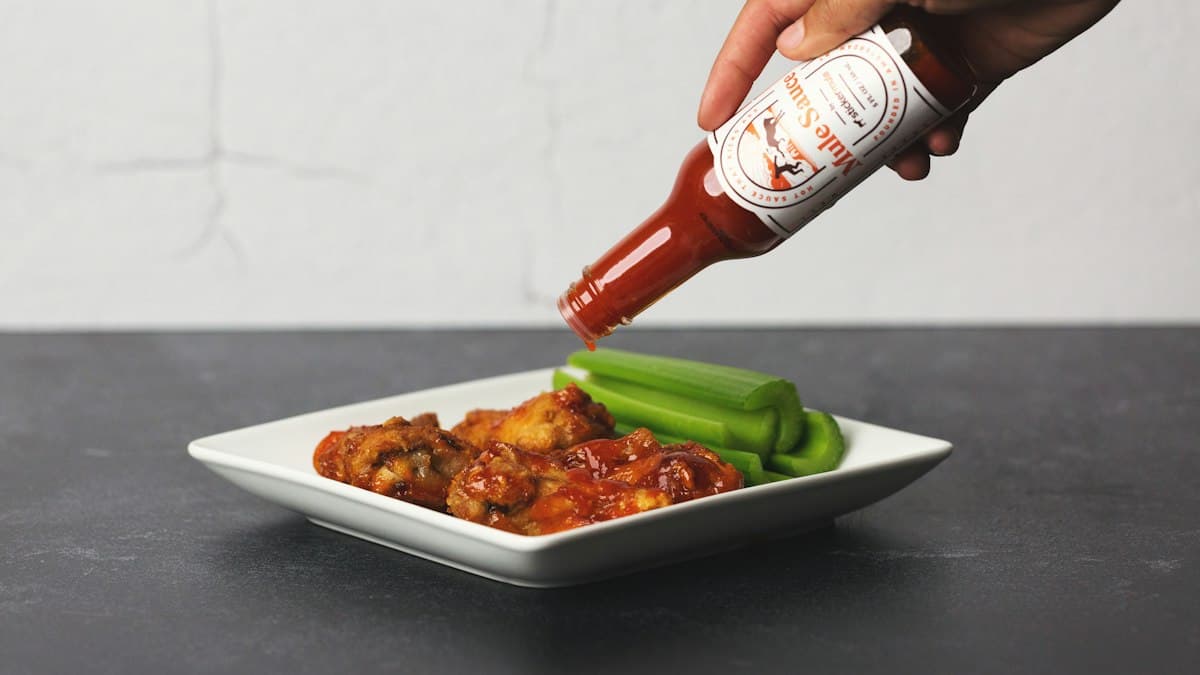
In Korean culinary tradition, oil has never been merely a cooking medium — it has functioned as the final seasoning, the finishing touch that gives a dish its sheen and its scent. The ritual of circling a spoonful of sesame or perilla oil over a bowl at the very end of preparation is closer to a glazing rite than a practical step. EVOO was able to step, at least partially, into that same role because it carries an analogous identity within Mediterranean culture: it is above all an oil meant to be eaten raw. The shared philosophy — that the finest expression of a fat is unheated, poured directly onto food — is the thread connecting two very different culinary traditions.
Namul and the Drizzle — The First Door to Open
The entry point for EVOO in long-established Korean restaurant kitchens has almost always been namul — the seasoned, blanched vegetable dishes that appear on virtually every Korean table. The technique is to finish spinach, chwi-namul, or bracken either entirely with EVOO in place of sesame oil, or with the two oils blended in roughly equal parts. According to the International Olive Council (IOC), extra virgin olive oil is an unrefined oil in which polyphenols and other fine-grain compounds are preserved intact, characterized by low acidity and a fresh, green aroma. Cooks working in these kitchens consistently report that this grassy character meshes unexpectedly well with the vegetal scent of the vegetables themselves.
A thirty-year-old bossam restaurant in Suwon, Gyeonggi Province has introduced a preparation in which a few drops of EVOO are applied to sliced boiled pork alongside coarse salt. The explanation offered by the kitchen is that the richness of the pork fat meets the slightly bitter, peppery finish of a good EVOO and creates distinct flavor layers in the mouth. Given that bossam is already a dish built on layering — fermented shrimp paste, kimchi, leafy wraps, and varying condiments arriving together — a drop of olive oil slots in as one more stratum rather than as an intrusion.
Blending with Fermented Sauces — The Most Ambitious Move
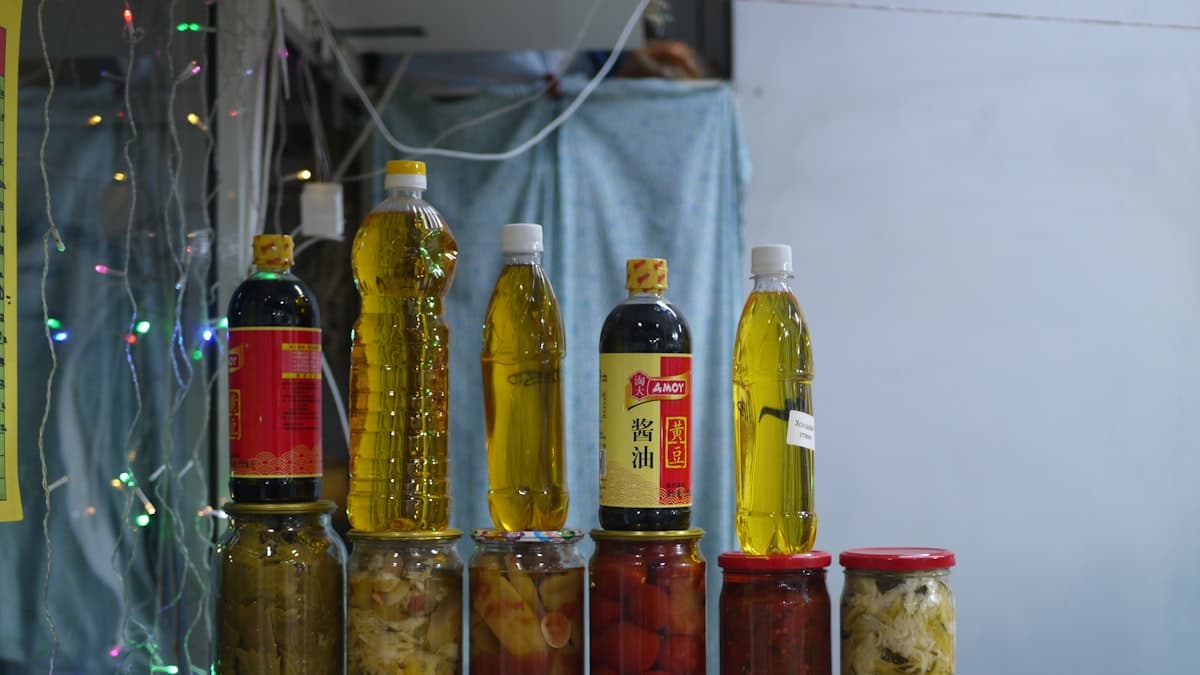
The most intriguing application of EVOO observed in these kitchens is its combination with Korea's traditional fermented pastes and sauces: doenjang (fermented soybean paste) and soy sauce in particular. A twenty-year-old ssambap restaurant in Mapo-gu, Seoul blends EVOO directly into doenjang to produce a dipping sauce. The kitchen's explanation is that the paste's savory, salty umami base softens in texture when olive oil is incorporated, while a fresh, plant-forward aromatic register rises above it.
This is not an accidental discovery. The meeting of fermented foods and high-quality plant-based oil is a well-established grammar in Mediterranean cooking: Spanish cooks blend olive oil with anchovy-fermented sauces, and Italian tables set aged cheese directly alongside EVOO. The principle — that the deep complexity produced by fermentation creates a synergy when paired with the fresh fat of unrefined olive oil — has been confirmed empirically in both traditions.
A variation using soy-based sauces has also emerged. A seafood-stew restaurant in Busan that has been operating for several decades adds a few drops of EVOO to a vinegared soy dipping sauce served alongside raw fish. The kitchen reports that the sharp acidity of the sauce is rounded and softened by the olive oil's body, and that it also appears to moderate the stronger marine notes of fresh seafood.
After the Flame — A Final Turn of the Bottle
A third context where EVOO has appeared in these kitchens is as a post-cooking finish on grilled and braised dishes. Bulgogi, galbi, grilled fish, and braised preparations are plated and then given a light drizzle of EVOO once all high-heat cooking has concluded. Because extra virgin olive oil has a relatively lower smoke point than refined oils, finishing rather than frying with it is generally regarded as the appropriate use — the approach that best preserves both its aromatic character and its micronutrient content.
A thirty-five-year-old restaurant in Eunpyeong-gu, Seoul, specializing in braised hairtail fish (galchi-jorim), applies EVOO to the dish just before it leaves the kitchen and reaches the plate. The kitchen describes the effect as a coating that gives the deep, spiced braising sauce a visible sheen while producing a unified mouthfeel, without any sense of the oil sitting separately from the rest of the dish. Structurally, the technique is analogous to the French monter au beurre — the addition of cold fat at the final moment to bring a sauce together and give it gloss and body.
The Practical Case for EVOO in These Kitchens
Beyond the culinary logic, there are straightforward operational reasons why long-established Korean restaurants are turning to EVOO. According to data from the Korea Agro-Fisheries & Food Trade Corporation (aT), domestic sesame prices have shown considerable instability over recent years, driven by fluctuations in the supply of Korean-grown sesame seeds, and that volatility creates real pressure on restaurant food costs. Olive oil, produced at global scale with an increasingly stable distribution structure, offers more predictable pricing as an alternative.
There is also a positioning dimension. Among younger diners, EVOO carries established recognition as a premium ingredient. For a long-standing restaurant that wants to signal modernity while preserving its traditional identity, introducing EVOO into a classic recipe functions almost as a rebranding gesture — one that requires no overhaul of the core menu. The steady circulation on platforms like Instagram of dishes tagged as "olive oil namul" or "olive oil doenjang" suggests this is not a short-lived experiment.
The kitchens of Korea's long-established restaurants are never truly static. Within spaces weighted with decades of accumulated practice, new ingredients find their way in quietly, and they stay when they earn their place. EVOO has earned its place in some of these kitchens not by forcing itself in, but because it made contact with something Korean cooking had already understood for a long time: that the best thing you can do with the finest oil is pour it on at the end.
Frequently asked questions
- Why are traditional Korean restaurants starting to use extra virgin olive oil?
- Many long-standing Korean restaurants share a culinary tradition of finishing dishes with a drizzle of raw oil — typically sesame or perilla. Extra virgin olive oil fits naturally into that role because it is also designed to be used unheated, as a flavor-finishing fat. Practical factors play a part too: according to data from the Korea Agro-Fisheries & Food Trade Corporation (aT), domestic sesame prices have been volatile in recent years, making cost-stable imported oils more attractive for daily kitchen use.
- Does olive oil actually go well with Korean fermented sauces like doenjang?
- Cooks who have tried it report that blending EVOO into doenjang smooths the texture and adds a layer of fresh, vegetal aroma on top of the paste's deep umami. The pairing of high-quality plant-based oil with fermented ingredients is well established in Mediterranean cooking too — Spanish cooks blend olive oil with anchovy-based sauces, and Italian tables pair aged cheese with EVOO straight from the bottle — suggesting the combination has a broader culinary logic beyond any single cuisine.
- Is it safe to use extra virgin olive oil in Korean cooking that involves high heat?
- The restaurants featured in this article use EVOO specifically as a finishing oil, applied after high-heat cooking is complete. According to the International Olive Council (IOC), extra virgin olive oil is an unrefined oil rich in polyphenols and other micronutrients, with a relatively lower smoke point than refined oils. Applying it at the end of cooking — rather than during high-temperature frying or braising — preserves both its aroma and its micronutrient content.
- Which Korean dishes pair best with extra virgin olive oil as a finishing drizzle?
- Based on reported restaurant practice, blanched and seasoned vegetables (namul) are the most common starting point — spinach, chwi-namul, and bracken are frequently mentioned. Boiled pork (bossam), braised fish such as galchi-jorim, and soy-based dipping sauces for raw seafood have also been cited by individual restaurants as successful applications. The common thread is that the dish already has layered, complex seasoning into which the olive oil's grassy, slightly bitter finish can integrate without dominating.
- Is this just a trend, or is EVOO becoming a lasting ingredient in Korean restaurant kitchens?
- The pattern suggests more than a passing fashion. The restaurants described here range from 20 to 40 years old and have introduced EVOO not as a marketing gimmick but as a functional replacement or complement within established recipes. Steady social-media circulation of dishes like "olive oil namul" and "olive oil doenjang" indicates growing consumer familiarity. Whether EVOO becomes a standard pantry item in Korean professional kitchens over the long term remains to be seen, but its adoption in these settings reflects a structural fit with Korean cuisine's existing finishing-oil tradition rather than mere novelty.
Related reading
- Soy, Gochujang, Doenjang: Ratio Guides for Korean Jang Dressings with Extra Virgin Olive Oil
Combining extra virgin olive oil with Korea's fermented jang pastes opens unexpected flavor territory — but the ratios matter. This guide breaks down the optimal oil-to-jang proportions for soy sauce, gochujang, and doenjang, with practical applications for each.
- Five Places EVOO Fits Alongside Perilla and Sesame Oil on a Korean Table
Perilla oil and sesame oil have long held the finishing-oil role in Korean cooking. Here are five spots where extra virgin olive oil can sit beside them without displacing them.
- Korean Holiday Cooking Meets EVOO: A Practical Kitchen Guide
Sesame oil has long ruled the Korean festive kitchen, but extra virgin olive oil is quietly earning a place beside it. This guide covers which holiday dishes benefit most from EVOO, how to blend the two oils, and how to keep a bottle in good condition through a long cooking day.
- Beyond the Supermarket Shelf: How Restaurants Actually Use Extra Virgin Olive Oil
From finishing drizzles on sashimi to slow-infused garlic bases, extra virgin olive oil has moved well past the bread basket in professional kitchens. A look at how chefs select, apply, and inspire home cooks to think differently about EVOO.
- One Drop at the End: Finishing EVOO on Korean Stews
From doenjang-jjigae to gomtang, a single drizzle of extra virgin olive oil added at the moment of serving can reshape the flavor of Korean broth in ways that parallel a long-standing tradition in Italian and Spanish kitchens. This guide matches cultivars to specific Korean soups and explains exactly when — and how much — to pour.
- The Last Drop: Why Finishing Oil and Flake Salt Belong Together
Adding extra virgin olive oil and flake salt at the final moment before serving is not a casual seasoning habit — it is where flavor chemistry and texture science converge. A close look at what each ingredient does, and why the two work best as a pair.
Tags
- korean cuisine
- finishing oil
- evoo
- restaurant cooking
- culinary tradition