Table
The Last Drop: Why Finishing Oil and Flake Salt Belong Together
Adding extra virgin olive oil and flake salt at the final moment before serving is not a casual seasoning habit — it is where flavor chemistry and texture science converge. A close look at what each ingredient does, and why the two work best as a pair.
Translated from the Korean edition, originally published August 29, 2026 · read the original
Timing Is Everything — Why 'Finishing' Changes the Flavor
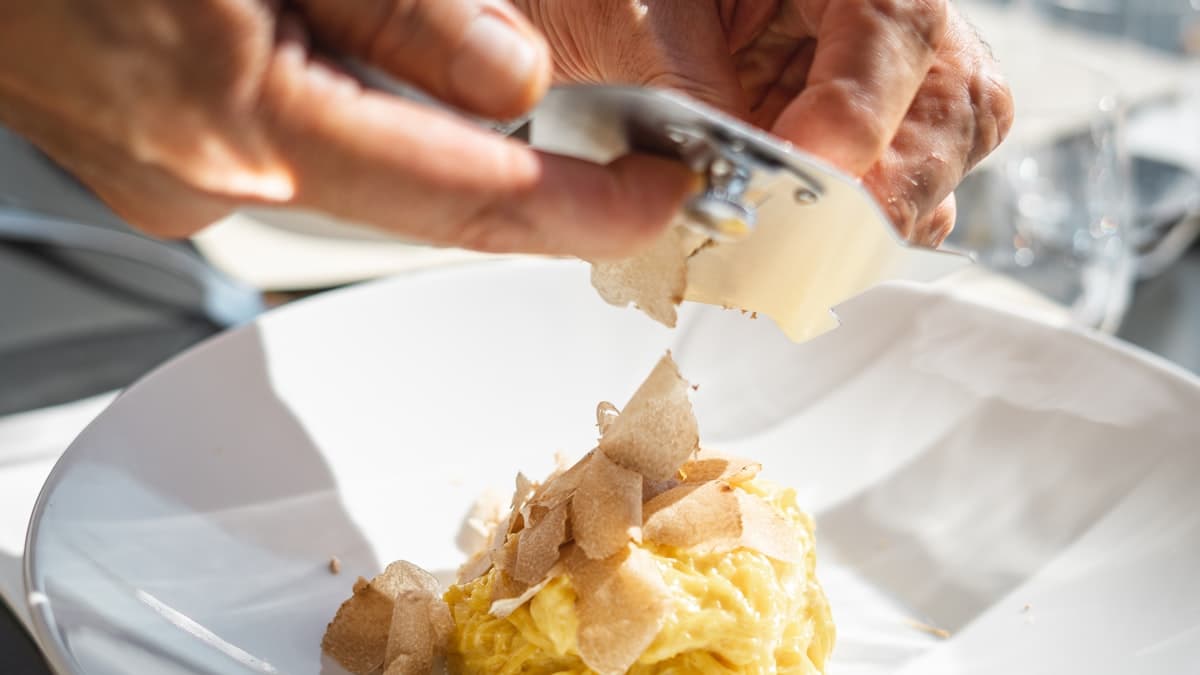
A high-quality extra virgin olive oil (EVOO) is packed with volatile aroma compounds that are sensitive to heat. Dozens of molecules — including ethyl oleate, hexanal, and hexenol — combine to produce grassy, fruity, and peppery notes. At temperatures above roughly 80–100 °C, those compounds dissipate rapidly or change structure entirely. According to data published by Spain's National Research Council (CSIC), using EVOO in prolonged high-heat cooking has been reported to reduce its polyphenol content by up to 40%.
The practical conclusion is straightforward: if you want the full aromatic potential of a good olive oil, add it after the heat is gone — as a finishing oil drizzled over a completed dish. That approach delivers the oil's aroma compounds directly to the nose and palate, and keeps the gentle bitterness and throat-warming pepperiness derived from compounds such as oleocanthal vivid and alive.
Why Flake Salt Is Not Just Salt
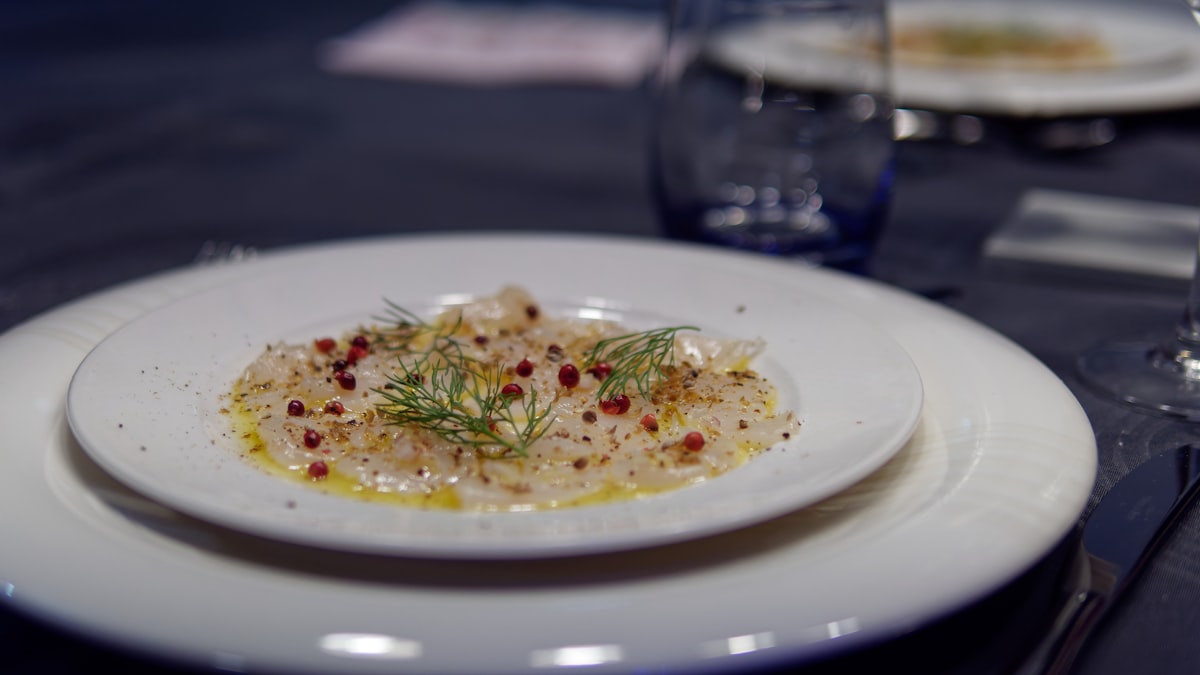
It is tempting to treat salt as salt, but crystal structure changes the entire tasting experience. Thin, layered flake salts — Maldon, Fleur de Sel, Sicilian sea-salt flakes — dissolve slowly on the tongue, releasing saltiness in gradual waves. Fine table salt, with its tiny uniform particles, dissolves almost instantly and delivers all of its salinity in a single burst.
The distinction goes beyond dissolve rate. A flake salt's large, thin crystals rest visibly on a food's surface, becoming a textural element in their own right and producing a satisfying crunch when bitten into. A 2019 study published in the Journal of Agricultural and Food Chemistry (ACS) reported that crystal shape and size have a statistically significant effect on the perceived intensity and duration of saltiness.
Flake salt therefore performs two simultaneous functions at the finishing stage: seasoning and texture — which is precisely what makes it irreplaceable there.
When Olive Oil Meets Flake Salt — A Flavor Synergy
When the two ingredients are used together, a genuinely interesting set of interactions unfolds. Fat captures fat-soluble aroma molecules in the mouth and prolongs their presence; the oleic acid in olive oil is especially effective at this, absorbing a dish's aromatic compounds and releasing them slowly to extend the finish.
Layered on top of that, the staged dissolution of flake salt creates a flavor timeline. First come the fruity and grassy top notes of the olive oil; then, as the salt crystals dissolve, salinity rises; finally, the peppery afterglow of phenolic compounds such as oleocanthal lingers. When those three phases connect naturally, the overall impression of a dish deepens — a principle that has long been shared among fine-dining chefs as practical received wisdom.
Salt also acts as a contrast agent beyond its own flavor. The mild bitterness of olive oil set against saltiness prompts the brain to perceive sweetness and umami more sharply — the same mechanism that makes a pinch of salt on chocolate make the sweetness pop.
Which Dishes, and How
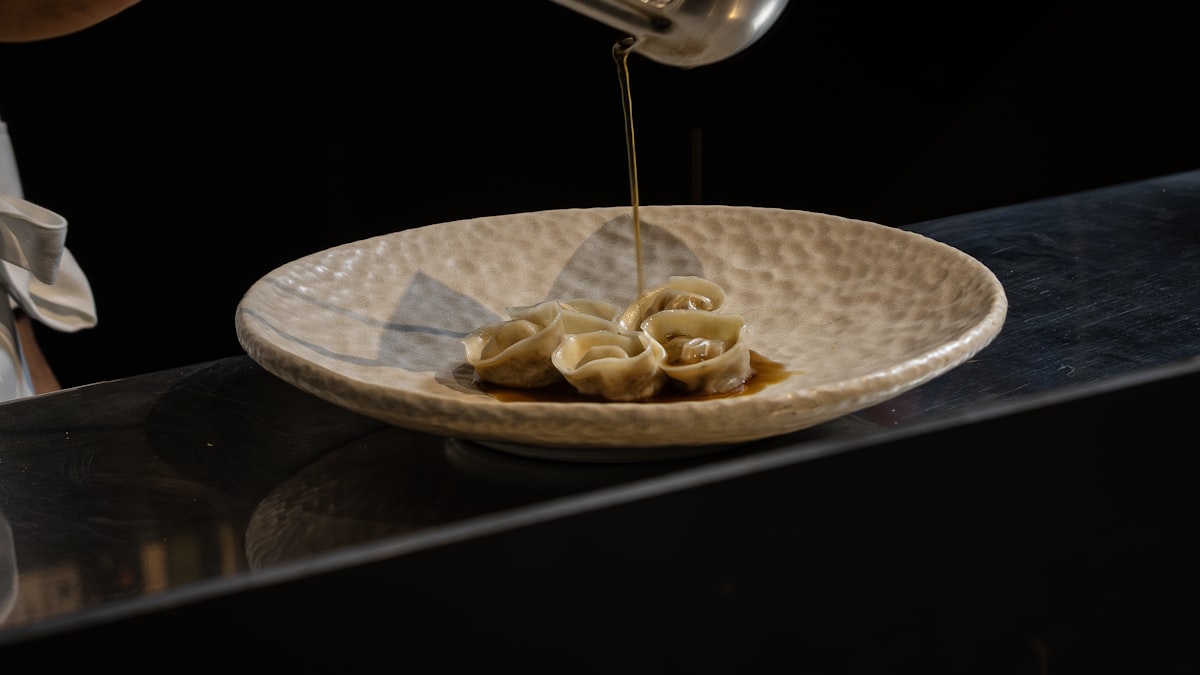
The combination of finishing oil and flake salt is useful across a wider range of cooking than most people expect.
Roasted vegetables and grains: Olive oil drizzled over root vegetables or a whole-grain salad straight from the oven warms gently in the residual heat, releasing its aroma. Flake salt adds small bursts of crunch that contrast with the softness of the vegetables.
Meat and fish: Finishing a steak or piece of grilled fish with oil and salt during its resting time completes the surface flavor while the juices are still settled inside.
Bread and spreads: Toasted bread finished with olive oil and flake salt — the Italian bruschetta approach — is the most classic expression of this pairing. The char on the bread, the salinity, and the oil's fruitiness form a natural trio.
Delicate raw ingredients: Over ricotta, burrata, or fresh oysters, a low-acidity oil with a subtle aromatic profile works best. A small quantity of flake salt is enough to assert its presence without overpowering the ingredient beneath it.
Cultivar Choice Matters More at the Finish
Because a finishing oil is used unheated, its character is fully exposed — which makes cultivar selection more consequential here than in cooking. For bold, peppery results, a high-polyphenol variety such as Picual delivers prominent spice and intensity. For a more delicate, buttery quality, Ojiblanca — with its lower acidity and notes of almond and green apple — integrates more quietly.
As a general guide, a finishing oil with acidity at or below 0.3%, and ideally below 0.2%, is worth seeking out. Lower acidity is an indicator that the oil's aromatic compounds are more likely to be intact. According to International Olive Council (IOC) standards, the upper acidity limit for extra virgin grade is 0.8%; within that range, lower acidity is associated with greater freshness and quality.
Storage and Practical Tips — Keeping a Finishing Oil at Its Best
The value of a finishing oil is entirely dependent on freshness. Once opened, store it away from direct light and any heat source, and plan to use it within six to eight weeks. An oxidized oil develops a characteristic rancid smell and loses all of its original character — applied as a finish, it will actively undermine a dish rather than complete it.
Flake salt absorbs moisture and clumps, losing the crunch that makes it useful. Store it in a lidded ceramic or glass container, and keep it away from the steam produced by pots on the stove. Both ingredients perform at their best only when they are in good condition, which means that purchasing rhythm and storage habits are the first requirement of good finishing — before the choice of oil or salt even comes into play.
Frequently asked questions
- Why should you add olive oil at the end of cooking instead of during?
- Extra virgin olive oil contains volatile aroma compounds — including ethyl oleate, hexanal, and hexenol — that dissipate quickly above roughly 80–100 °C. According to data from Spain's National Research Council (CSIC), using EVOO in prolonged high-heat cooking has been reported to reduce its polyphenol content by up to 40%. Drizzling it on finished food preserves those aromatics and delivers the oil's characteristic bitterness and peppery finish intact.
- What makes flake salt different from regular table salt?
- The difference is crystal structure. Thin, layered flake salts such as Maldon, Fleur de Sel, and Sicilian sea-salt flakes dissolve slowly on the palate, releasing saltiness in stages and adding an audible crunch. Fine table salt dissolves almost instantly, delivering all of its saltiness at once. A 2019 study published in the Journal of Agricultural and Food Chemistry (ACS) reported that crystal shape and size have a measurable effect on the perceived intensity and duration of saltiness.
- How do olive oil and flake salt enhance each other's flavor?
- Olive oil's oleic acid captures fat-soluble aroma molecules and releases them gradually, extending the finish of a dish. When flake salt dissolves in stages on top of that fat layer, the result is a three-part flavor timeline: fruity and grassy notes from the oil first, then a rising saltiness as the crystals dissolve, and finally the lingering pepperiness from phenolic compounds such as oleocanthal. The contrast between the oil's mild bitterness and the salt's salinity also makes the brain perceive sweetness and umami more distinctly — the same principle behind salted chocolate.
- Which dishes benefit most from a finishing oil and flake salt combination?
- The pairing works across a wide range of dishes. Roasted root vegetables and grain salads gain warmth and crunch. Steak and grilled fish finished with oil and salt during resting lock in surface flavor without disrupting the juices. Toasted bread — the Italian bruschetta approach — is the most classic application. Delicate ingredients such as burrata, ricotta, and fresh oysters respond well to a low-acidity, subtly aromatic oil paired with a pinch of flakes.
- How should you store finishing olive oil and flake salt to keep them at their best?
- A finishing oil's value is entirely dependent on freshness. After opening, store it away from direct light and heat sources, and aim to use it within six to eight weeks; a rancid oil will undermine a dish rather than complete it. Flake salt absorbs moisture and loses its crunch when clumped, so keep it in a lidded ceramic or glass container away from steam. Both ingredients perform best in peak condition, making storage habits just as important as the choice of product.
Related reading
- One Drop at the End: Finishing EVOO on Korean Stews
From doenjang-jjigae to gomtang, a single drizzle of extra virgin olive oil added at the moment of serving can reshape the flavor of Korean broth in ways that parallel a long-standing tradition in Italian and Spanish kitchens. This guide matches cultivars to specific Korean soups and explains exactly when — and how much — to pour.
- The Finishing Touch: Temperature, Timing, and Cultivar Choice for Olive Oil on Soup
The moment extra virgin olive oil hits a bowl of soup, aroma and texture shift in ways that depend entirely on temperature and timing. This guide walks through each variable — including cultivar-by-cultivar pairing strategies.
- Old Kitchens, New Oil: How Extra Virgin Olive Oil Found Its Way into Korea's Long-Standing Restaurants
Decades-old Korean restaurants are quietly adding extra virgin olive oil to their kitchens — not as a foreign import, but as a natural extension of the country's long tradition of finishing dishes with oil. From namul drizzles to doenjang blends, the logic is more intuitive than it first appears.
- Olive Oil in Your Coffee Cup: Fleeting Fad or Lasting Shift?
When Starbucks launched its Oleato line in Italy in 2023, it sparked a global conversation about extra virgin olive oil in beverages. OLEA traces how that unlikely pairing moved from novelty to a fixture in specialty café culture.
- Ciabatta, Sourdough, Focaccia: Matching Bread Character to Olive Oil Intensity
Ciabatta, sourdough, and focaccia each bring a distinct fermentation profile, crumb structure, and crust to the table. Matching olive oil intensity to bread character lets both ingredients amplify each other rather than compete.
- Guacamole, Tacos, and Olive Oil: A Pairing That Goes Back Centuries
From sixteenth-century Spanish missionaries to modern Latin kitchens in Mexico City, New York, and Los Angeles, extra virgin olive oil has long had a place at the Mexican table. This guide traces the history and explores how chefs are using it today.
Tags