Table
EVOO, Balsamic, and Finishing Salt: The Three-Ingredient Pairing That Changes a Plate
Three ingredients, one sharper table. This guide breaks down how EVOO, balsamic vinegar, and finishing salt work together — and when each combination earns its place on the plate.
Translated from the Korean edition, originally published January 30, 2025 · read the original

EVOO, balsamic vinegar, and finishing salt are three of the quietest upgrades a table can have. Each works on its own, but pair them well and the impression of a single plate shifts noticeably. What follows is a practical guide to the combinations — rooted in the Italian tradition that first put all three on the same table, and applicable wherever good ingredients meet.
EVOO and Balsamic: The Most Classic Pairing
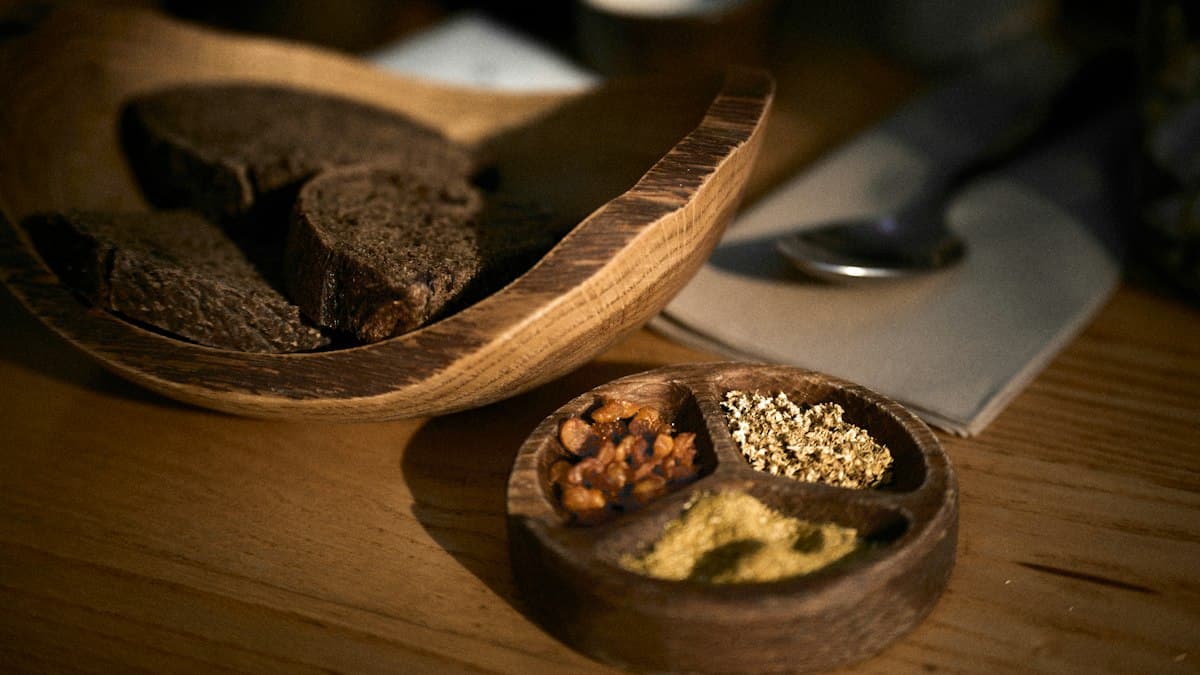
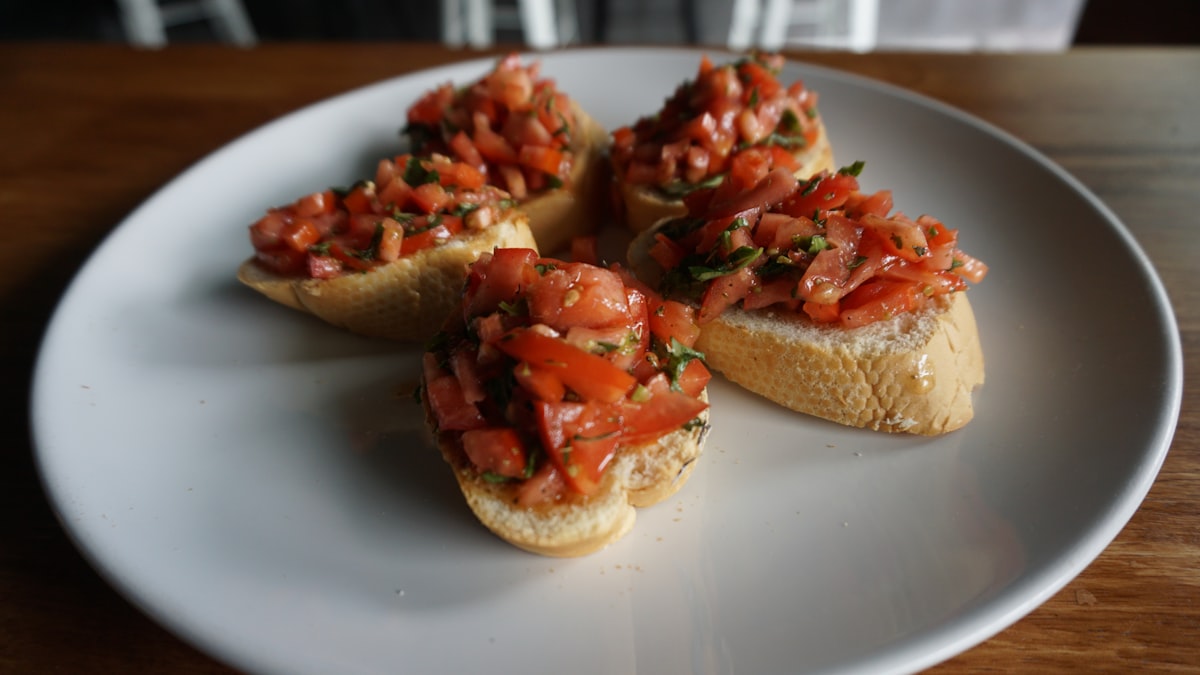
Dipping bread into EVOO and balsamic is the foundational formula of the Italian table. The conventional approach is to pour the two into separate small dishes and dip alternately — never mixing them into an emulsion before serving. A grassy, green-note EVOO tends to strike the best balance against balsamic's sweetness. On the balsamic side, a 12- or 25-year Tradizionale suits cheese boards and desserts; everyday balsamic is the more versatile choice for bread and salads.
EVOO and Finishing Salt: The Final Touch
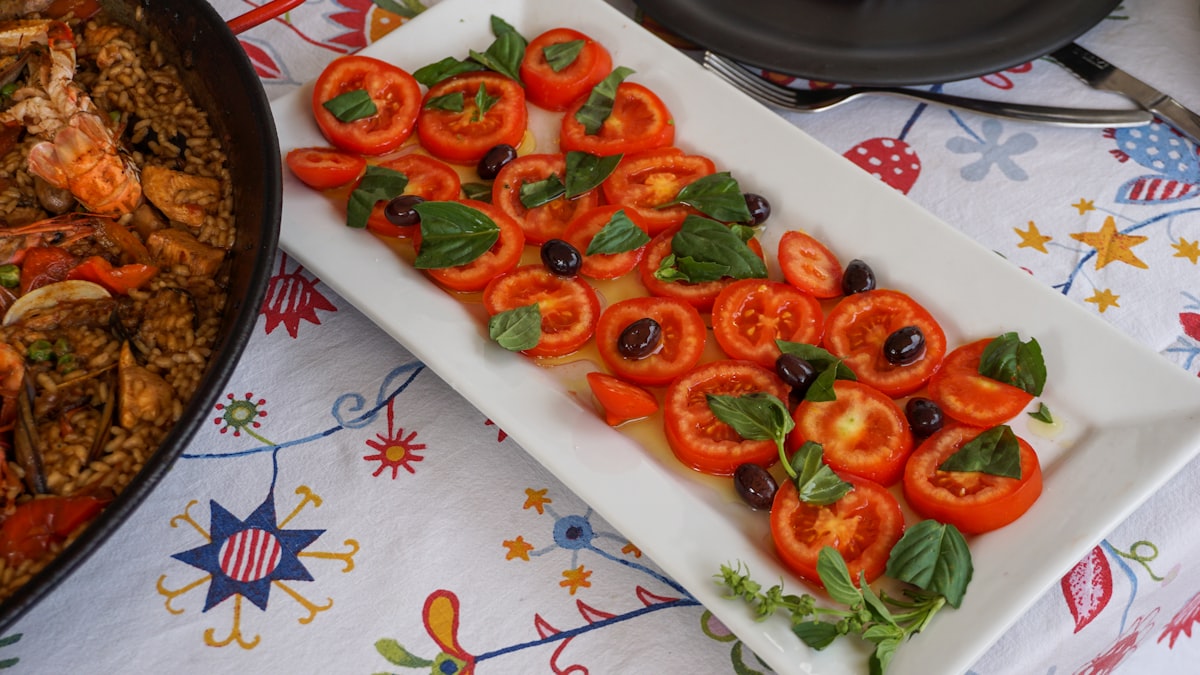
A line of EVOO and a pinch of finishing salt over carpaccio, raw vegetables, or grilled fish is one of the simplest and most reliable ways to close a dish. Here, a robust, high-polyphenol EVOO — Picual being a natural reference point — holds its own against the salt rather than disappearing beneath it. For the salt itself, large-crystal finishing salts such as Fleur de Sel or Maldon add both texture and flavor in a single pinch.
When Balsamic and Salt Are Enough
There are moments when EVOO steps aside entirely. Ripe tomatoes with balsamic and coarse salt become an informal caprese; strawberries with a drizzle of Tradizionale and a pinch of coarse salt become a composed dessert. In both cases, just two ingredients are enough to balance sweetness, acidity, and salt without anything else.
Dish by dish, the logic runs roughly as follows: carpaccio calls for a bold EVOO and finishing salt; caprese works with a green-note EVOO and everyday balsamic; a cheese board is most stable with a gentler EVOO and a Tradizionale balsamic; bread service returns to the green-note EVOO and everyday balsamic combination; and a strawberry dessert needs nothing more than Tradizionale and coarse salt.
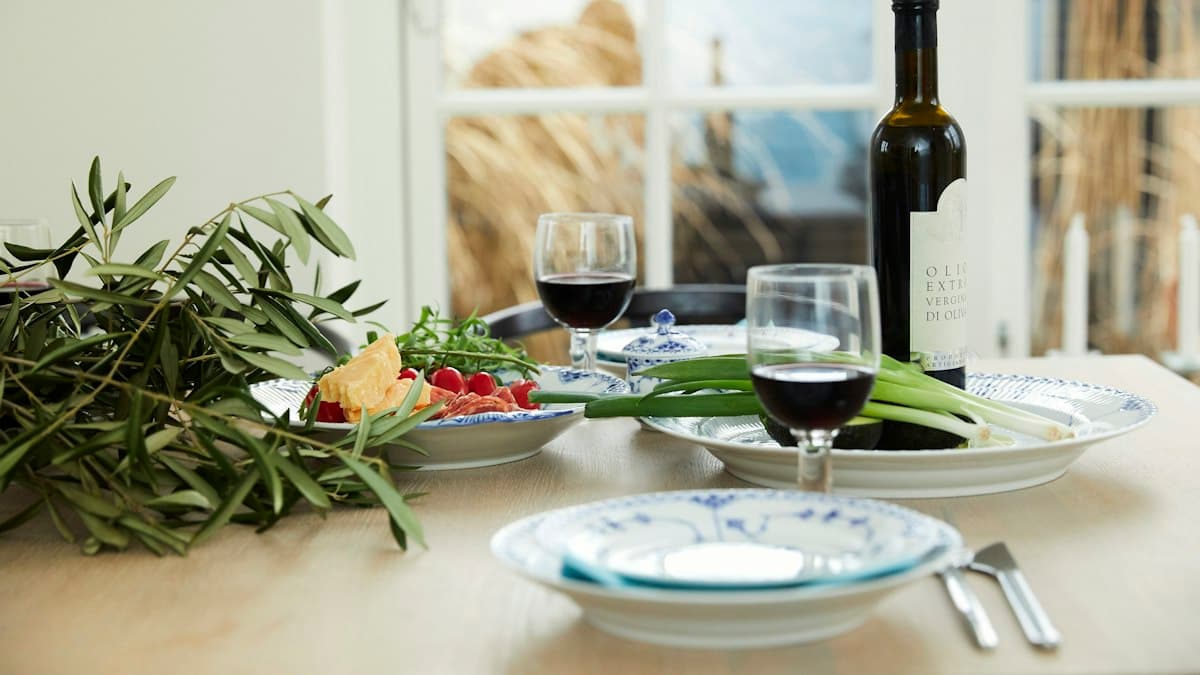
All three elements rarely need to appear on the same plate at once. Two at a time is usually the better proportion. When EVOO does appear, it belongs last — drizzled over the top just before serving. Reading the origin and cultivar on the EVOO label alongside the aging statement on the balsamic bottle is the clearest way to set up a pairing before you even open either bottle.
Frequently asked questions
- How do you pair EVOO and balsamic vinegar together?
- The classic approach is to pour them into separate small dishes and dip bread into each in turn. A grassy, green-note EVOO tends to balance best against balsamic's sweetness. For bread and salads, everyday balsamic works well; for cheese boards and desserts, a 12- or 25-year Tradizionale is the more considered choice.
- What finishing salt goes best with extra virgin olive oil?
- Large-crystal finishing salts such as Fleur de Sel or Maldon are the standard recommendation. Their texture adds a subtle crunch while the mineral flavor complements rather than overwhelms a high-polyphenol EVOO — particularly on carpaccio, roasted fish, or raw vegetables.
- Do you need all three — EVOO, balsamic, and salt — on the same dish?
- Not necessarily. One dish generally works best with two of the three. EVOO is almost always the last element added, drizzled over the top. Checking the origin and cultivar on the EVOO label alongside the aging statement on the balsamic bottle gives you a clear starting point for any combination.
Related reading
- From Omakase to Home Table: How the Fine-Dining-at-Home Trend Is Reshaping the Pantry
A growing appetite for restaurant-grade experiences at home is pushing premium pantry staples—Spanish single-varietal EVOO chief among them—out of professional kitchens and onto domestic shelves.
- Spring Greens Meet EVOO: A Pairing Guide for the Season's First Harvest
From bitter aralia shoots to sweet spring cabbage, Korea's earliest seasonal greens reveal an unexpected affinity with extra virgin olive oil. This guide matches cultivar by cultivar and explains how to use EVOO at every stage of the spring kitchen.
- Mala, Dim Sum, and a Drizzle of EVOO: Olive Oil Meets Chinese Cooking
Extra virgin olive oil is crossing into Chinese cuisine — from mala tang broth to steamed dim sum and Cantonese stir-fries. Here is a flavor-and-chemistry look at why the pairing works.
- Match the Intensity: Choosing EVOO for Every Salad Green
From peppery arugula to delicate butter lettuce, matching the flavor intensity of a salad green to the right olive oil cultivar can transform a simple salad. Here is a guide to the pairing principles and variety-by-variety combinations.
- Five Breads, Five Intensities: Pairing EVOO with Focaccia, Sourdough, and Beyond
From focaccia to whole wheat, each bread's crumb and crust calls for a different EVOO intensity. This guide adds one more variable: time of day.
- Matching EVOO Intensity to Fish: From Delicate White Flesh to Bold Oily Fish
The guiding principle for pairing extra virgin olive oil with fish is balance of intensity — from gentle single-cultivar oils for delicate white fish to high-polyphenol lines for bold, oily species.