Table
Mala, Dim Sum, and a Drizzle of EVOO: Olive Oil Meets Chinese Cooking
Extra virgin olive oil is crossing into Chinese cuisine — from mala tang broth to steamed dim sum and Cantonese stir-fries. Here is a flavor-and-chemistry look at why the pairing works.
Translated from the Korean edition, originally published July 20, 2026 · read the original
When Olive Oil Walks into a Chinese Kitchen
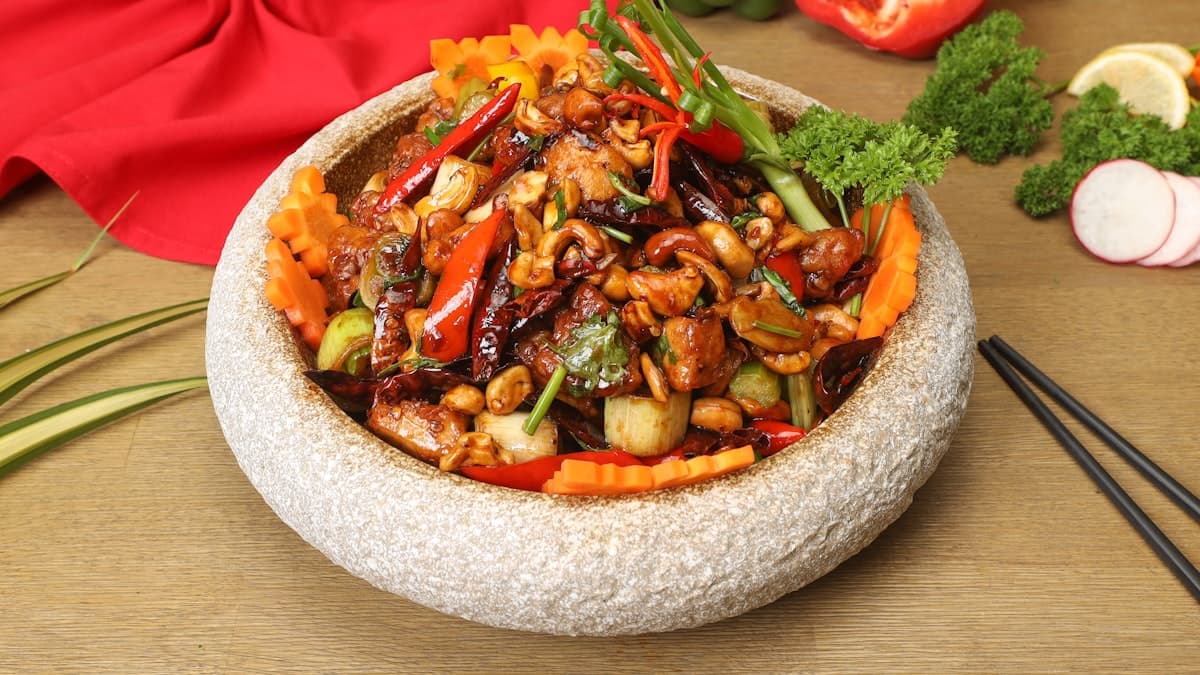
The instinctive image of a Chinese kitchen is peanut oil or lard roiling in a screaming-hot wok. Bringing a bottle of extra virgin olive oil to that scene can feel incongruous at first — yet across fine-dining restaurants and home-cook communities throughout Asia, the experiment is already well underway.
According to International Olive Council (IOC) data, olive oil consumption in East Asia grew at an average annual rate of more than 7 percent from 2015 onward, with household use rising noticeably in South Korea, China, and Japan in particular. The trend goes beyond a general interest in health: it reflects an active culture of using EVOO as a lens through which to reinterpret other culinary traditions.
Fat is the language Chinese cooking speaks most fluently. Oil carries and spreads aroma, regulates the moisture of ingredients, and gives dishes their textural depth. The grassy, fruity character of a well-made EVOO can perform that same role in a different register — sometimes a more layered one.
Mala and Olive Oil: How Fat Mediates Heat
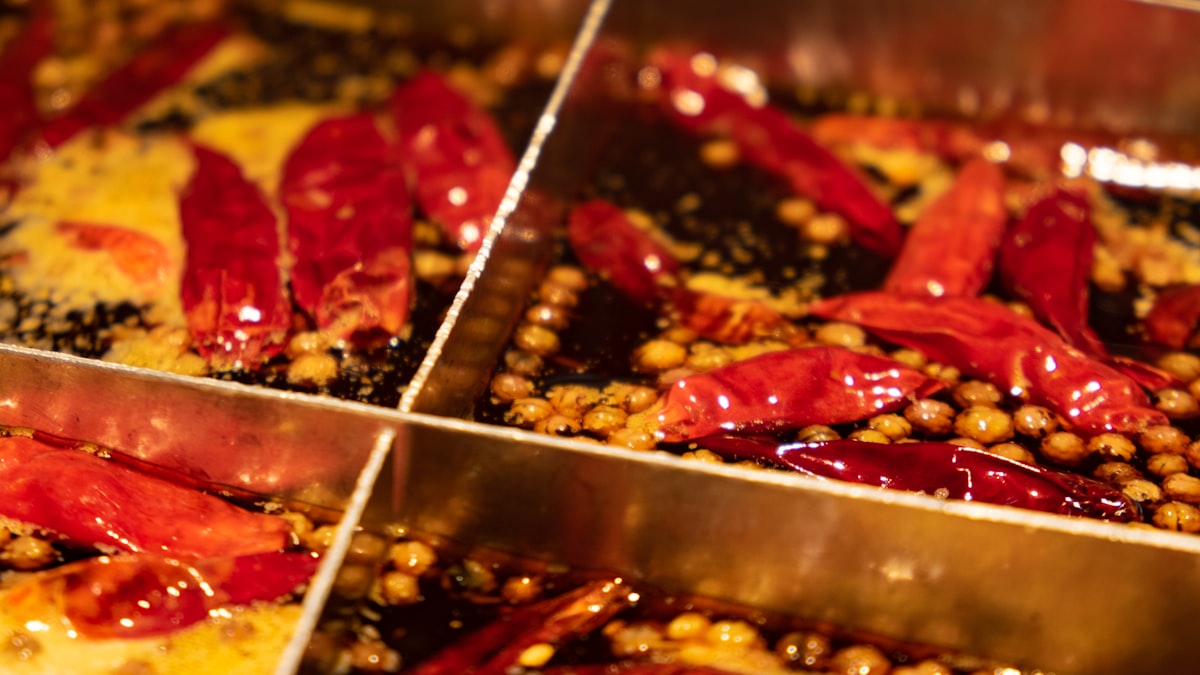
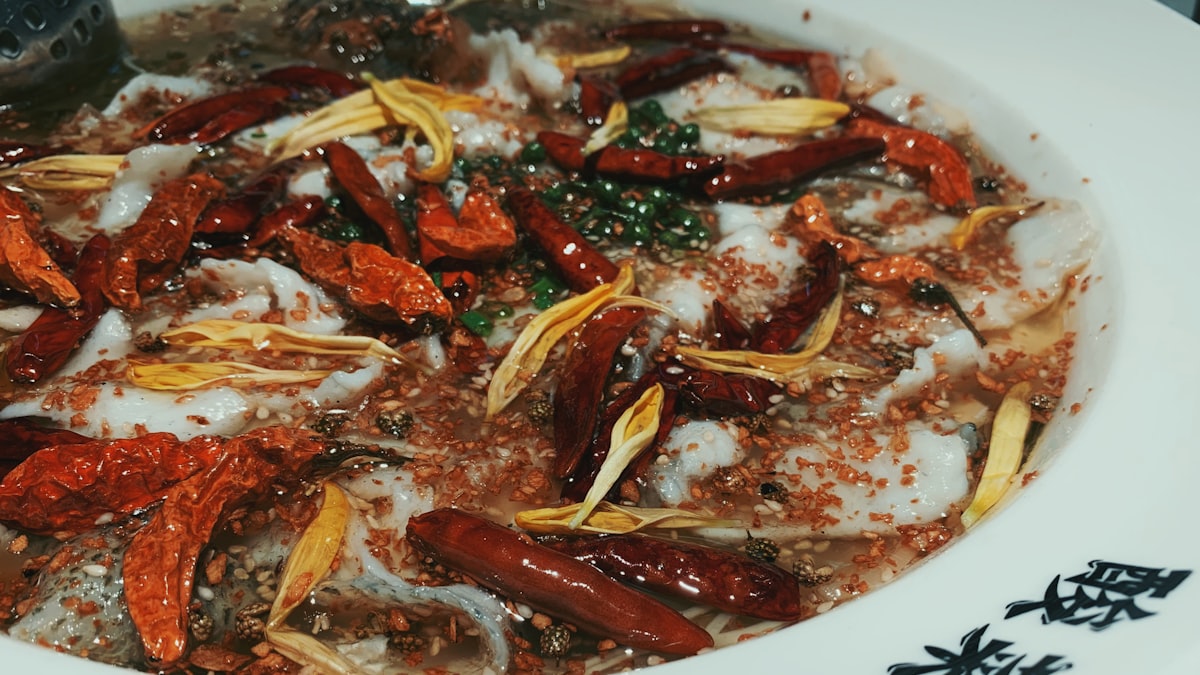
Mala (麻辣) is the soul of Sichuan cooking — a simultaneous numbing tingle (麻) and fierce heat (辣). Its two defining compounds, sanshool from Sichuan pepper (花椒, huājiāo) and capsaicin from dried chili, are both fat-soluble. Dissolved in oil, they spread evenly across every surface of the mouth rather than concentrating in one spot.
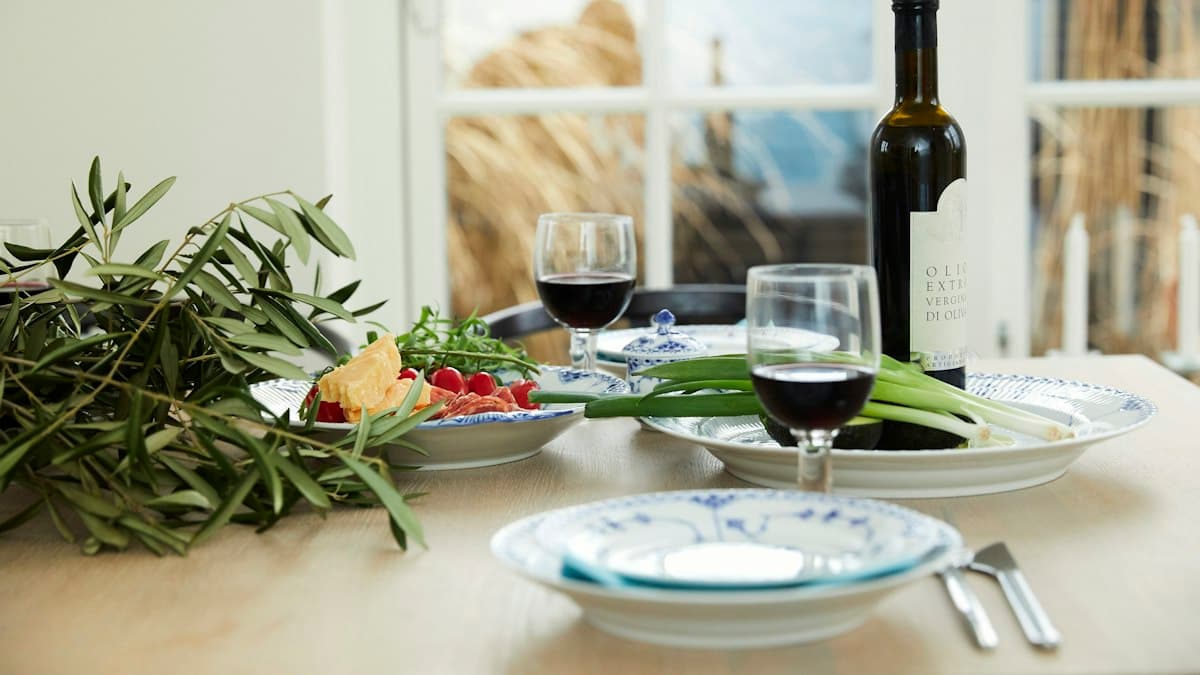
This is where EVOO becomes interesting. Its high oleic acid content extracts aroma compounds from huājiāo and dried chilies generously, while the oil's characteristic bitter, peppery finish forms a surprisingly coherent conversation with mala's layered spice profile. In practice, the most accessible approaches are adding a spoonful of quality EVOO as a final flourish to a mala tang broth, or steeping a dry mala seasoning blend in EVOO for use as a dipping sauce.
For direct high-heat stir-frying, smoke point matters. High-quality extra virgin olive oil has a reported smoke point of approximately 190–210 °C, and research associated with olive oil industry bodies has reported that higher polyphenol content correlates with greater oxidative stability and relative heat resistance. Even so, the extreme temperatures of wok hei technique exceed what is ideal for preserving EVOO's quality; medium-heat aromatic infusion, finishing drizzles, and cold sauces are the more reliable applications.
Dim Sum: Where Oil Meets Dough and Filling
In dim sum (點心), the quality of fat determines the quality of the finished dish. For steamed pieces — har gow (shrimp dumplings), siu mai (open pork-and-shrimp dumplings), char siu bao (叉燒包, barbecue pork buns) — everything depends on the smoothness of the wrapper and the succulence of the filling.
Blending a small amount of EVOO into dumpling dough is reported to form a thin fat film between gluten strands, yielding a softer, more elastic texture. When finishing a char siu (叉燒, Cantonese barbecue pork) filling during the final stage of cooking, a drizzle of EVOO is said by home-cook communities internationally to amplify the pork's savory depth while adding a quiet fruit note.
Cold dim sum and starter dishes offer the widest creative space of all. A finishing pour of quality EVOO over smashed cucumber salad (拍黃瓜, pāi huángguā) seasoned with garlic, soy, and vinegar — used alongside or instead of sesame oil — introduces a fresh, green dimension that sesame oil alone does not supply. The same logic applies to chilled century-egg tofu (皮蛋豆腐, pídàn dòufu): a good EVOO on top opens up a different kind of brightness.
Matching Cultivar to Dish: A Pairing Framework
Olive oil is not a single flavor. Cultivar determines whether an oil leads with delicate floral sweetness or with assertive grass and pepper. Mapping those differences onto Chinese dishes turns the selection process into part of the cooking itself.
Hojiblanca offers a soft, sweet fruitiness that evokes almonds and green apple. Its low aggression makes it a natural match for delicate steamed dim sum such as har gow or any shrimp-forward dish where subtlety needs to be preserved. Sibarita brings balanced acidity and a gentle herbal note, making it well suited as a finishing oil for Cantonese-style vegetable stir-fries and tofu dishes. Picual carries a strong olive character and a pronounced finish that can stand as an equal against the heavy, bold spice bases of mala tang or hong shao (紅燒) braised dishes.
The guiding principle is straightforward: match the intensity of the oil to the intensity of the dish.
Three Combinations to Try Right Now
The first is a mala EVOO dipping sauce. Combine a commercial dry mala spice mix and toasted sesame seeds with EVOO and allow the mixture to steep for at least 30 minutes before using it as a sauce for dim sum or pan-fried dumplings. Given the fat-solubility of huājiāo's aroma compounds, the oil draws them out thoroughly and delivers them evenly across the palate.
The second is a pai huang gua finishing drizzle. Season smashed cucumber with garlic, soy sauce, and vinegar, then finish with a delicate-cultivar EVOO — either in place of sesame oil or together with it. The oil's fresh green note pairs with the cucumber's cool crunch to create a cold dish with noticeably more dimension than the sesame-only version.
The third is wonton soup with a finishing oil. Spoon a Picual-type EVOO onto completed wonton broth just before serving. The heat of the soup volatilizes the oil's aromatics, dramatically changing the scent and flavor of the first sip — a layer of olive fruitiness settling over the broth's deep savory base.
An ingredient that crosses borders always generates new questions. The moment olive oil takes its place on a Chinese kitchen counter, the recipe stops belonging to a single culinary culture and becomes something else: a language for exploring what taste can do.
Frequently asked questions
- Can you use extra virgin olive oil in Chinese cooking?
- Yes, though the best results come from using EVOO as a finishing oil or in low-to-medium heat applications rather than in high-heat wok cooking. Its fruity, peppery character can complement bold Chinese spice profiles when matched by intensity.
- Does olive oil work with mala spices?
- The capsaicin in chili and the sanshool in Sichuan pepper are both fat-soluble compounds, so they dissolve readily into olive oil and distribute evenly across the palate. A high-quality EVOO added at the finish of a mala broth can amplify the spice's complexity without dulling it.
- What is the smoke point of extra virgin olive oil, and is it safe for stir-frying?
- High-quality extra virgin olive oil has a reported smoke point of roughly 190–210 °C. Research associated with olive oil industry bodies has reported that higher polyphenol content correlates with greater oxidative stability and relative heat resistance. For the extreme heat of wok hei technique, finishing or medium-heat infusion is safer for preserving EVOO's quality.
- Which olive oil cultivar goes best with dim sum?
- Delicate steamed dim sum such as har gow pairs well with Hojiblanca, whose soft almond-and-apple fruitiness does not overpower subtle shrimp flavors. Sibarita, with its balanced acidity and gentle herbal note, suits Cantonese vegetable dishes and tofu. Picual's assertive finish can hold its own against the heavy spice base of mala tang or hong shao braised dishes.
- How do you use olive oil as a finishing oil in Chinese dishes?
- Three practical entry points: stir a dry mala mix and toasted sesame into EVOO and let it steep for 30 minutes as a dipping sauce; drizzle a delicate EVOO over smashed cucumber salad (pai huang gua) in place of or alongside sesame oil; spoon a Picual-type EVOO onto finished wonton soup so the broth's heat volatilizes the oil's aroma on the first sip.
Related reading
- A Drizzle Over Doenjang: Pairing Extra Virgin Olive Oil with Korean Fermented Foods
From a finishing pour over doenjang jjigae to kimchi bruschetta, extra virgin olive oil slots into the Korean fermented table more naturally than you might expect. Here is the flavor logic and the practical how-to.
- From Omakase to Home Table: How the Fine-Dining-at-Home Trend Is Reshaping the Pantry
A growing appetite for restaurant-grade experiences at home is pushing premium pantry staples—Spanish single-varietal EVOO chief among them—out of professional kitchens and onto domestic shelves.
- Spring Greens Meet EVOO: A Pairing Guide for the Season's First Harvest
From bitter aralia shoots to sweet spring cabbage, Korea's earliest seasonal greens reveal an unexpected affinity with extra virgin olive oil. This guide matches cultivar by cultivar and explains how to use EVOO at every stage of the spring kitchen.
- Meat, Fish, and Vegetables: The Right Olive Oil Marinade Ratio for Each
Olive oil marinades are one of the most efficient ways to build flavor before cooking — but the ideal oil ratio, acid balance, and soaking time differ significantly depending on what you're marinating. This guide breaks down the principles and proportions for meat, fish, and vegetables.
- Match the Intensity: Choosing EVOO for Every Salad Green
From peppery arugula to delicate butter lettuce, matching the flavor intensity of a salad green to the right olive oil cultivar can transform a simple salad. Here is a guide to the pairing principles and variety-by-variety combinations.
- EVOO, Balsamic, and Finishing Salt: The Three-Ingredient Pairing That Changes a Plate
Three ingredients, one sharper table. This guide breaks down how EVOO, balsamic vinegar, and finishing salt work together — and when each combination earns its place on the plate.