Table
Athena's Gift: The Myth Behind the Olive Tree and Extra Virgin Olive Oil
When Athena struck the ground on the Acropolis and an olive tree rose from the rock, she won a city — and set in motion one of civilization's oldest agricultural stories. Tracing that myth forward to the bottle of EVOO on your table reveals how little the meaning of the olive has changed.
Translated from the Korean edition, originally published July 21, 2026 · read the original
The Contest of the Gods, and a Single Tree
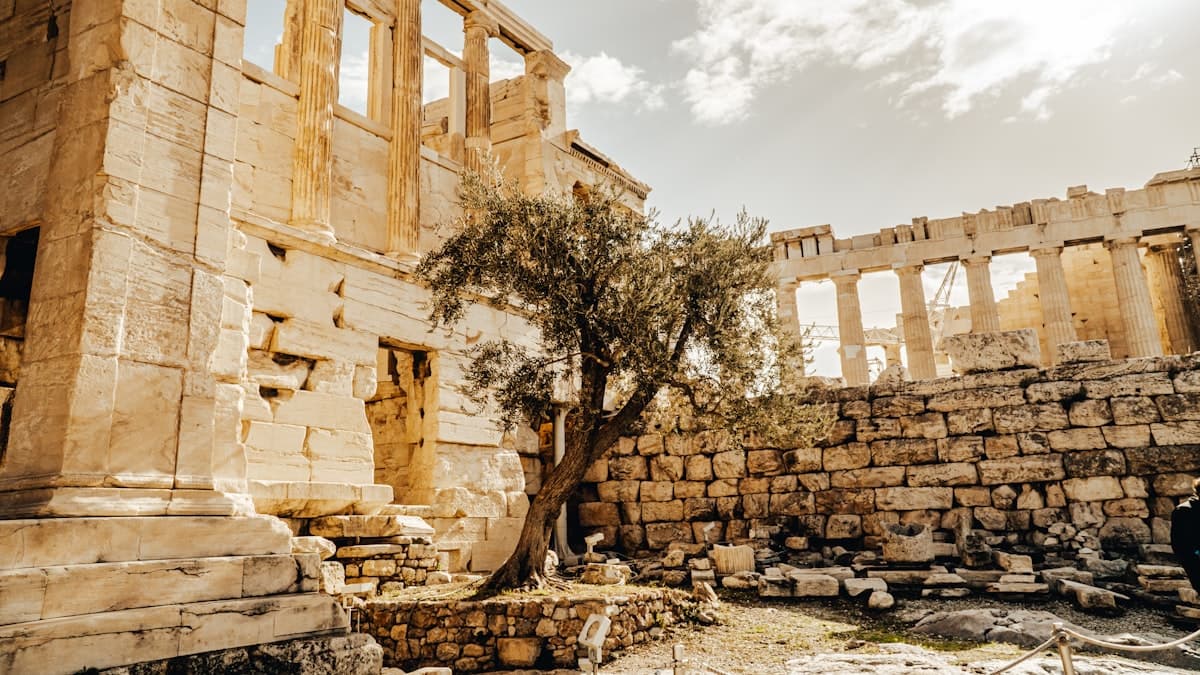
Long before a drop of olive oil reached any table, the story began at the top of the Acropolis. According to Greek mythology, Athena, goddess of wisdom, and Poseidon, god of the sea, faced each other directly in a contest for the right to become patron deity of Attica. The Olympian gods served as judges, and the rule was straightforward: whichever deity offered the more useful gift to humankind would win the city.
Poseidon drove his trident into the rock, and saltwater surged upward — powerful, dramatic, unmistakable. Athena answered quietly, pressing her hand to the earth. An olive tree rose from the ground. The council of the gods ruled in her favor, and the city took her name: Athens.
The reason this myth has outlasted so many others is that the choice itself is the argument. Selecting an olive tree as the instrument of victory was not arbitrary; it was a precise expression of what ancient Greeks considered valuable. A tree that yields oil, food, light, medicine and timber is not a single gift — it is civilization compressed into one living form.
The Tree That Entered Reality — Olives on the Acropolis
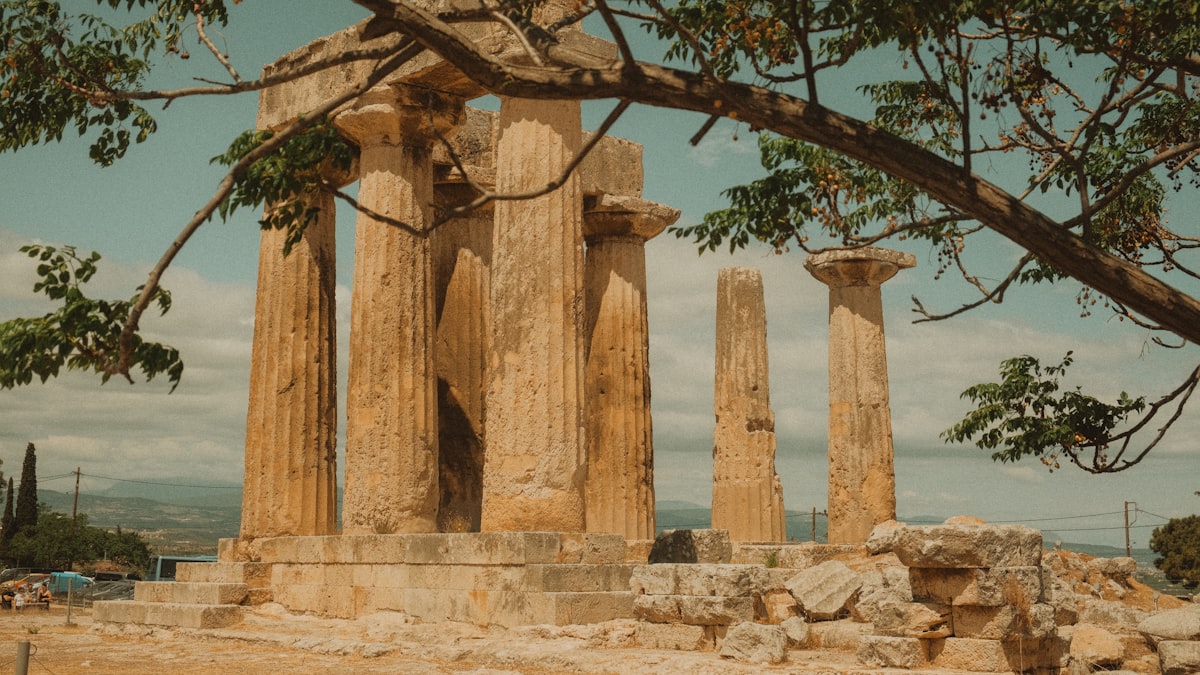
Mythology has a way of rooting itself in actual landscapes. On the western slope of the Acropolis in Athens, an olive tree still grows today. Ancient Athenians held that the original tree planted by Athena stood on this very spot, and that it was destroyed when Persian forces burned the Acropolis in 480 BC. What Herodotus recorded in his Histories, however, is striking: a new shoot emerged from the scorched stump within a single day. The Athenians read it as a divine sign and found in it the resolve to rebuild their city.
The biology is not entirely at odds with the legend. Olea europaea is a tree of remarkable vitality. Specimens on the island of Crete are estimated to be at least 2,000 years old, and some research suggests certain trees may be older than 3,000 years. According to data from the Food and Agriculture Organization of the United Nations (FAO), traces of olive cultivation in the Mediterranean basin reach back to around 5,000 BC. By that measure, it becomes genuinely difficult to say which came first — the myth or the tree.
Olive Oil as the Currency of Civilization
In ancient Greece, olive oil was far more than a cooking ingredient. Victors at the Olympic Games were crowned with wreaths cut from olive branches — specifically from the sacred trees of Athena — and amphorae filled with olive oil were awarded as prizes. Records of the Panathenaic Games, excavated in Athens, show that top-ranked winners received as many as 140 amphorae, amounting to roughly 5,000 liters of olive oil — a quantity that represented considerable material wealth by any calculation.
Beyond competition, olive oil served as a ritual substance for purification of the body, and as the fuel that kept temple lamps burning through the night. It is recorded that the bronze lamp in the temple of Athena was fed with olive oil and never allowed to go out. Life and death, the sacred and the everyday — all of it met in a single vessel of oil.
Athena's Wisdom and EVOO Today
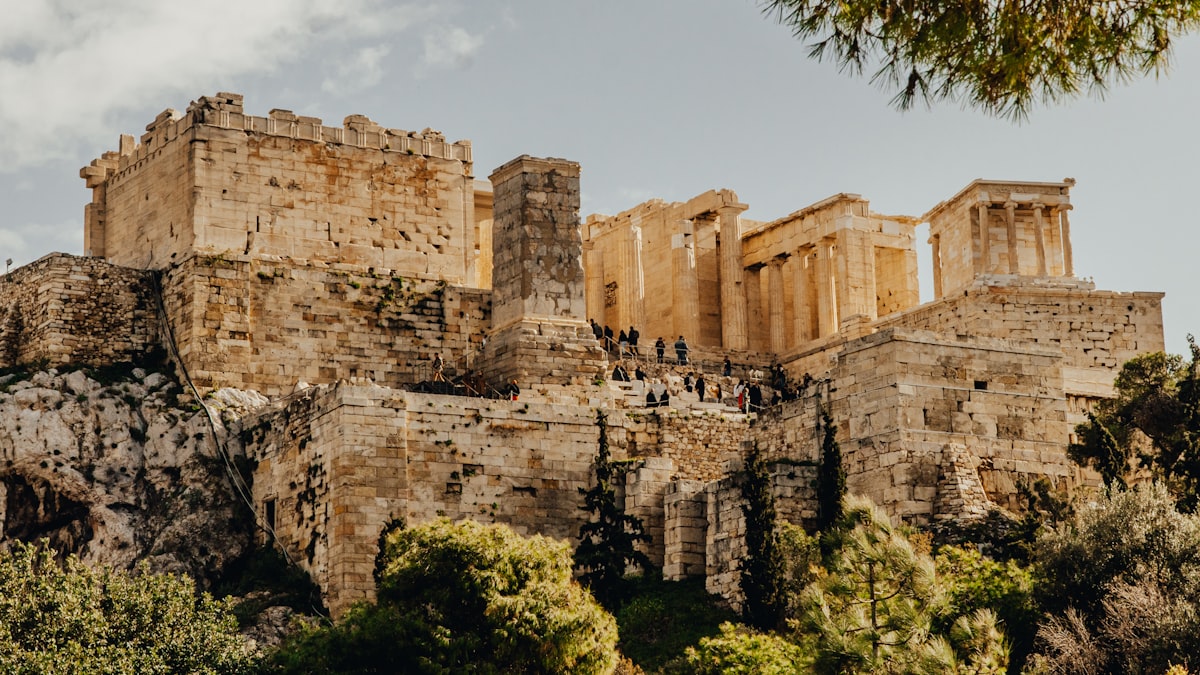
Underlying Athena's choice in the myth is a particular logic: sustainable abundance. Poseidon's saltwater was a one-time spectacle. The olive tree, by contrast, bears fruit every year, lives for centuries and takes root in thin, rocky soil. That logic reads just as clearly in the language of modern food science.
Extra virgin olive oil — EVOO — is an unrefined oil produced from harvested olives using mechanical processes only, without chemical treatment. According to International Olive Council (IOC) standards, its free fatty acid content, expressed as acidity, must not exceed 0.8%. Only oils that satisfy this and other chemical and sensory requirements may carry the extra virgin designation. Lower acidity and higher polyphenol content are both associated with greater freshness and proximity to the fruit at its moment of harvest.
Polyphenols are naturally occurring compounds the olive fruit synthesizes to defend itself against pathogens and oxidative stress. In a 2011 scientific opinion, the European Food Safety Authority (EFSA) reported that olive oil polyphenols — in particular hydroxytyrosol and its derivatives — are associated with protecting blood lipids from LDL cholesterol oxidation. The EFSA opinion was issued under specific intake conditions and contexts, however, and it is too early to conclude that identical outcomes apply uniformly across individuals.
From Myth to Table: A Story That Continues
The reason Athena's story has survived thousands of years is probably that it was never only about distant gods. It carries values that remain legible today: sustainability, the sharing of abundance, the coexistence of nature and civilization.
Choosing a bottle of extra virgin olive oil carefully — checking the harvest year, the cultivar, the origin — is, in a modest but genuine way, a continuation of the story that began when a goddess pressed her hand to the earth above Athens. Bringing olive oil to the table is less a cooking decision than a kind of ritual: a way of calling to the same place the accumulated taste and accumulated wisdom that Mediterranean civilization has refined across millennia.
The myth is still alive in that single drop of oil.
Frequently asked questions
- Why did Athena give an olive tree to Athens in Greek mythology?
- According to the myth, Athena and Poseidon competed to become the patron deity of Attica. Poseidon struck a rock and produced saltwater; Athena struck the ground and produced an olive tree. The Olympian gods judged the olive tree more useful — providing food, oil, light, timber and medicine — and awarded Athena the city, which took her name.
- Is there a real olive tree on the Acropolis today?
- Yes. An olive tree grows on the western slope of the Acropolis in Athens. Ancient Athenians believed this spot held the original tree planted by Athena. According to Herodotus's Histories, when Persian forces burned the Acropolis in 480 BC the tree was destroyed, but a new shoot appeared from the charred stump within a day — a sign the Athenians took as divine encouragement to rebuild their city.
- How old can olive trees actually get?
- Olea europaea is exceptionally long-lived. Specimens on the island of Crete are estimated to be at least 2,000 years old, and some research suggests certain trees may exceed 3,000 years. According to data from the Food and Agriculture Organization of the United Nations (FAO), evidence of olive cultivation in the Mediterranean basin dates back to around 5,000 BC.
- What is the IOC standard for extra virgin olive oil acidity?
- According to the International Olive Council (IOC), extra virgin olive oil must have a free fatty acid content — expressed as acidity — of no more than 0.8%. Only oils that meet this threshold, along with other chemical and sensory criteria, are permitted to carry the 'extra virgin' designation.
- What has research found about polyphenols in extra virgin olive oil?
- Polyphenols are naturally occurring compounds that the olive fruit produces to defend itself against pathogens and oxidative stress. In a 2011 scientific opinion, the European Food Safety Authority (EFSA) reported that olive oil polyphenols — specifically hydroxytyrosol and its derivatives — are associated with protecting blood lipids from LDL cholesterol oxidation. The EFSA opinion applies under specific intake conditions, and it is too early to conclude that the same outcome applies uniformly to every individual.
Related reading
- 5,000 Years in a Bottle: From Minoan Crete to EU Regulation
The golden oil first pressed by Minoan hands on Crete passed through Egyptian tombs, Roman amphoras, and medieval monasteries before arriving at the legal frameworks that govern every bottle on the shelf today. A guide to olive oil's full arc of history.
- Ciabatta, Sourdough, Focaccia: Matching Bread Character to Olive Oil Intensity
Ciabatta, sourdough, and focaccia each bring a distinct fermentation profile, crumb structure, and crust to the table. Matching olive oil intensity to bread character lets both ingredients amplify each other rather than compete.
- Guacamole, Tacos, and Olive Oil: A Pairing That Goes Back Centuries
From sixteenth-century Spanish missionaries to modern Latin kitchens in Mexico City, New York, and Los Angeles, extra virgin olive oil has long had a place at the Mexican table. This guide traces the history and explores how chefs are using it today.
- Butter Country No More: How Scandinavia Learned to Cook with Olive Oil
Olive oil is reshaping Nordic kitchens — from Copenhagen's Michelin-starred restaurants to Swedish home pantries. This guide traces how EVOO found its place alongside smoked fish, fermented rye, and root vegetables in one of the world's most distinctive food cultures.
- Pairing Olive Oil with Wine: A Guide to Matching Aromas, Bitterness, and Texture
Extra virgin olive oils differ markedly in acidity, bitterness, and fruitiness — and each profile calls for a different wine partner. This guide maps those sensory axes to white, red, and natural wines.
- Soy, Gochujang, Doenjang: Ratio Guides for Korean Jang Dressings with Extra Virgin Olive Oil
Combining extra virgin olive oil with Korea's fermented jang pastes opens unexpected flavor territory — but the ratios matter. This guide breaks down the optimal oil-to-jang proportions for soy sauce, gochujang, and doenjang, with practical applications for each.
Tags
- greek mythology
- extra virgin olive oil
- olive tree history
- evoo
- mediterranean culture