Table
From Omakase to Home Table: How the Fine-Dining-at-Home Trend Is Reshaping the Pantry
A growing appetite for restaurant-grade experiences at home is pushing premium pantry staples—Spanish single-varietal EVOO chief among them—out of professional kitchens and onto domestic shelves.
Translated from the Korean edition, originally published December 10, 2025 · read the original
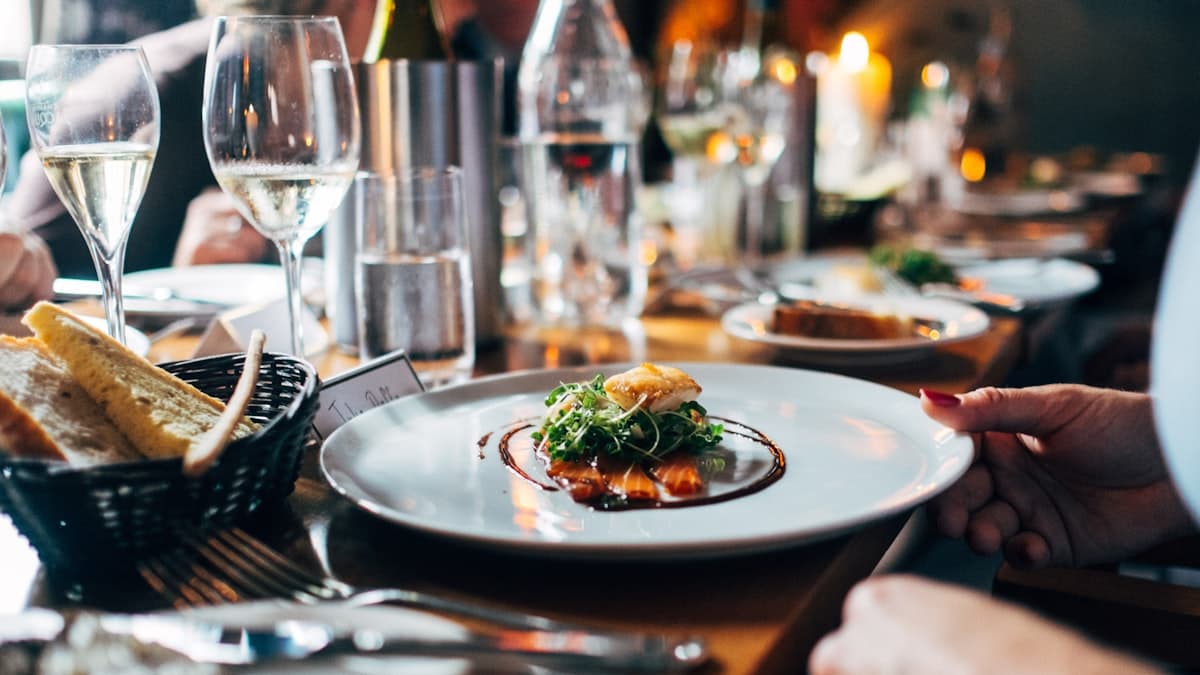
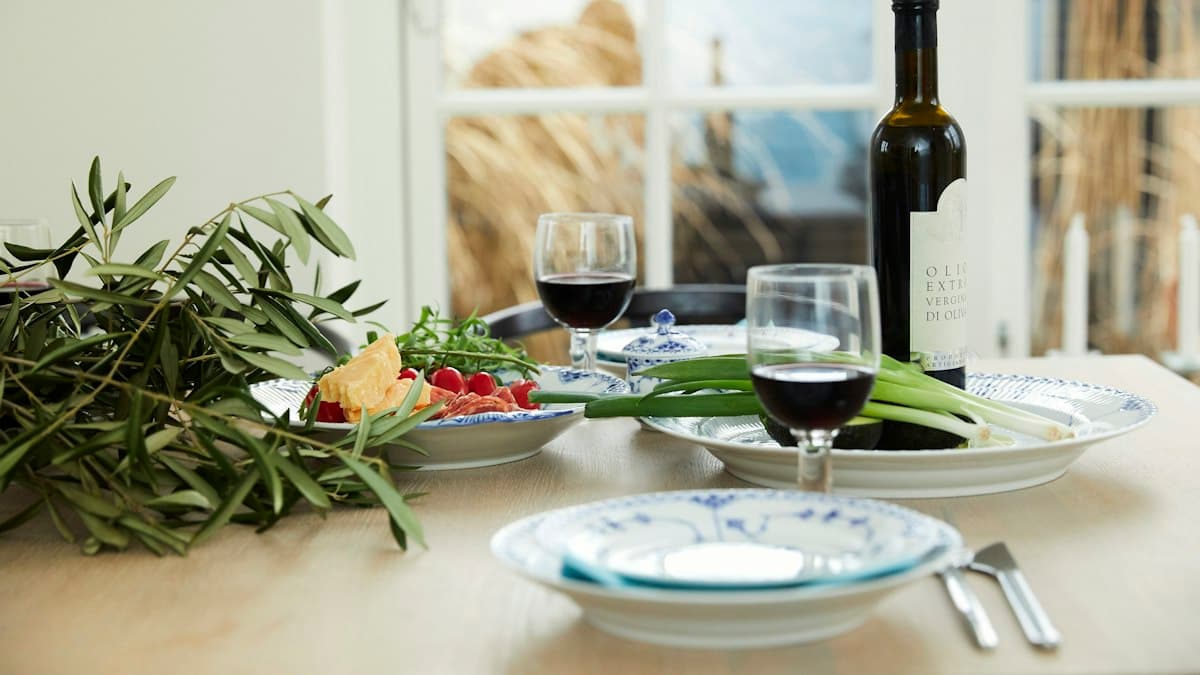
According to dining-trend analysis published by Food & Foodservice Economics, the phrase defining today's restaurant market is "the democratisation of gastronomy." The desire to reproduce an omakase or fine-dining experience at home is reshaping both the restaurant industry and the ingredients market at the same time.
When Ingredients Do the Work of a Restaurant
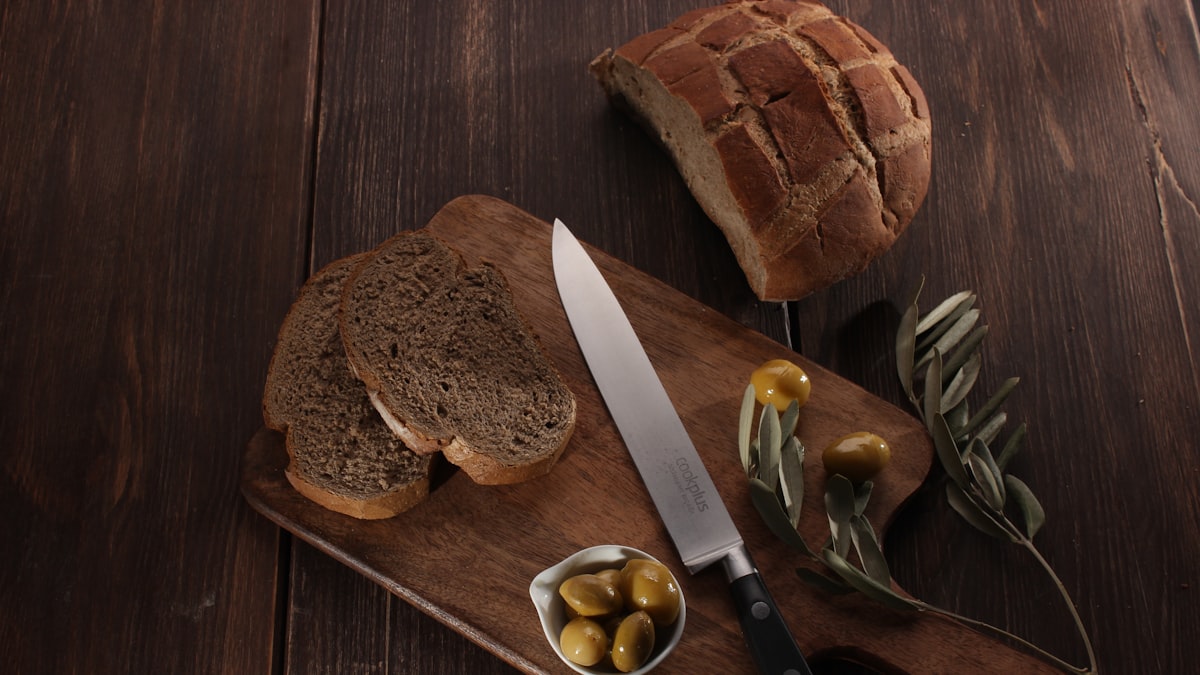
Replicating a chef-level result at home ultimately comes down to ingredient quality. The movement of European premium pantry staples from professional kitchen to domestic table has become increasingly visible. Spanish single-origin EVOO, French finishing salts, and Italian aged balsamic are among the categories leading that shift. The broader availability of single-origin, single-varietal EVOO on retail shelves is a direct reflection of this trend.
Why Chefs Finish with EVOO
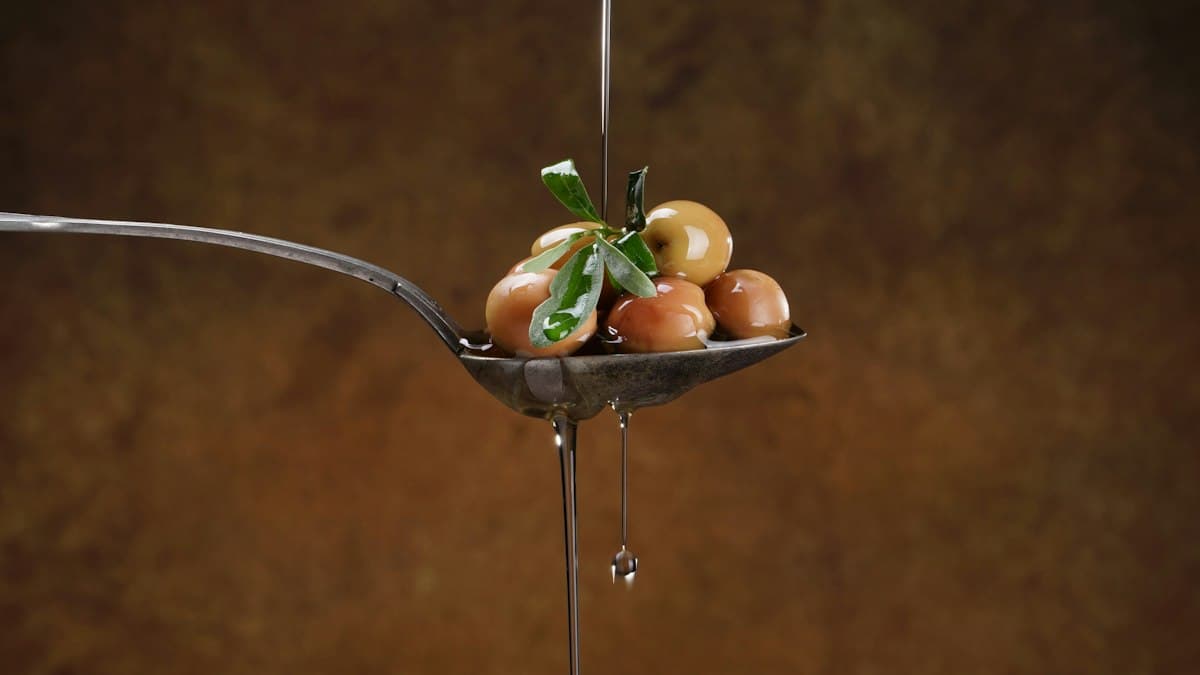
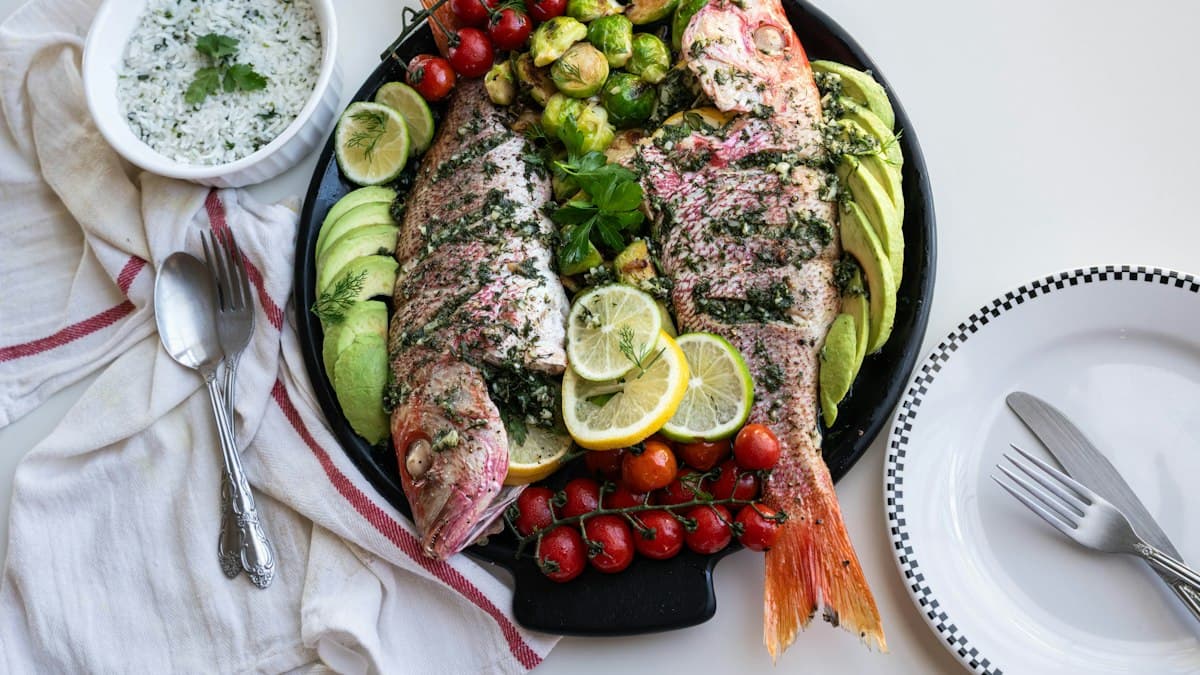
Restaurant chefs drizzle EVOO over carpaccio, ceviche, and roasted fish at the very last moment for a straightforward reason: it adds aroma and body without overwhelming the ingredient's own flavour. Reproducing that finishing touch at home requires the same grade of oil. Pairing a flavoured salt with EVOO on carpaccio, EVOO with lemon over roasted fish, and EVOO with balsamic on a cheese board has become something of a foundational formula for the home-dining repertoire.

How the Food Industry Is Responding
Ingredient distributors are adapting to the home-dining movement along three axes: digital transformation, premium foodservice supply, and cross-border sourcing. As the line between B2B and B2C grows blurrier, it has become more common for the same-grade ingredients that chefs use in professional kitchens to flow directly into consumer retail channels. The expansion of single-varietal EVOO shelf space is one visible result of that convergence.
Related reading
- Spring Greens Meet EVOO: A Pairing Guide for the Season's First Harvest
From bitter aralia shoots to sweet spring cabbage, Korea's earliest seasonal greens reveal an unexpected affinity with extra virgin olive oil. This guide matches cultivar by cultivar and explains how to use EVOO at every stage of the spring kitchen.
- Mala, Dim Sum, and a Drizzle of EVOO: Olive Oil Meets Chinese Cooking
Extra virgin olive oil is crossing into Chinese cuisine — from mala tang broth to steamed dim sum and Cantonese stir-fries. Here is a flavor-and-chemistry look at why the pairing works.
- Match the Intensity: Choosing EVOO for Every Salad Green
From peppery arugula to delicate butter lettuce, matching the flavor intensity of a salad green to the right olive oil cultivar can transform a simple salad. Here is a guide to the pairing principles and variety-by-variety combinations.
- EVOO, Balsamic, and Finishing Salt: The Three-Ingredient Pairing That Changes a Plate
Three ingredients, one sharper table. This guide breaks down how EVOO, balsamic vinegar, and finishing salt work together — and when each combination earns its place on the plate.
- Five Breads, Five Intensities: Pairing EVOO with Focaccia, Sourdough, and Beyond
From focaccia to whole wheat, each bread's crumb and crust calls for a different EVOO intensity. This guide adds one more variable: time of day.
- Matching EVOO Intensity to Fish: From Delicate White Flesh to Bold Oily Fish
The guiding principle for pairing extra virgin olive oil with fish is balance of intensity — from gentle single-cultivar oils for delicate white fish to high-polyphenol lines for bold, oily species.