Table
Matching EVOO Intensity to Fish: From Delicate White Flesh to Bold Oily Fish
The guiding principle for pairing extra virgin olive oil with fish is balance of intensity — from gentle single-cultivar oils for delicate white fish to high-polyphenol lines for bold, oily species.
Translated from the Korean edition, originally published March 12, 2025 · read the original
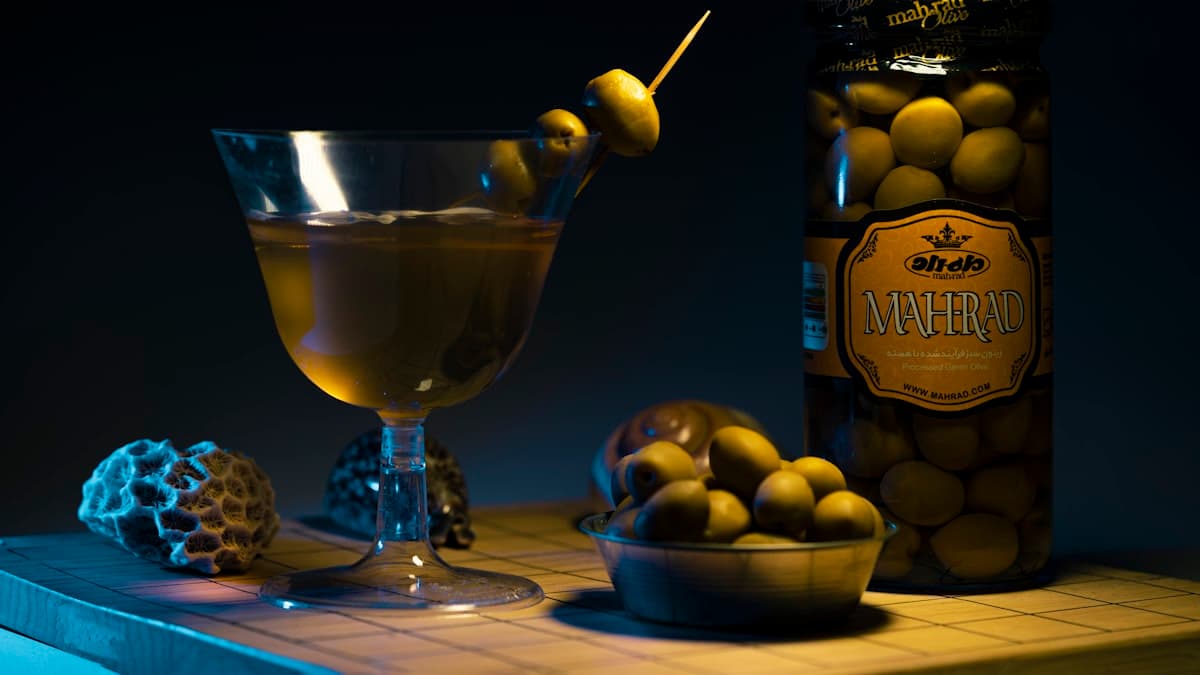
The simplest principle in pairing EVOO with fish is balance of intensity. Delicate white fish calls for a soft single-cultivar oil; bold, oily fish calls for a high-polyphenol line. Here is how that plays out species by species.
Flounder and Sea Bream: Soft Single-Cultivar Oils
Flounder and sea bream are among the most delicately flavored white fish. Whether served as carpaccio, lightly grilled, or thinly sliced raw, they pair best with single-cultivar oils that carry a gentle green note — Arbequina and Ojiblanca are natural fits. A robust or high-polyphenol line risks overpowering the fish's natural sweetness, so restraint in the oil is the right call here.
Sea Bass and Rockfish: Balanced, Structured Lines
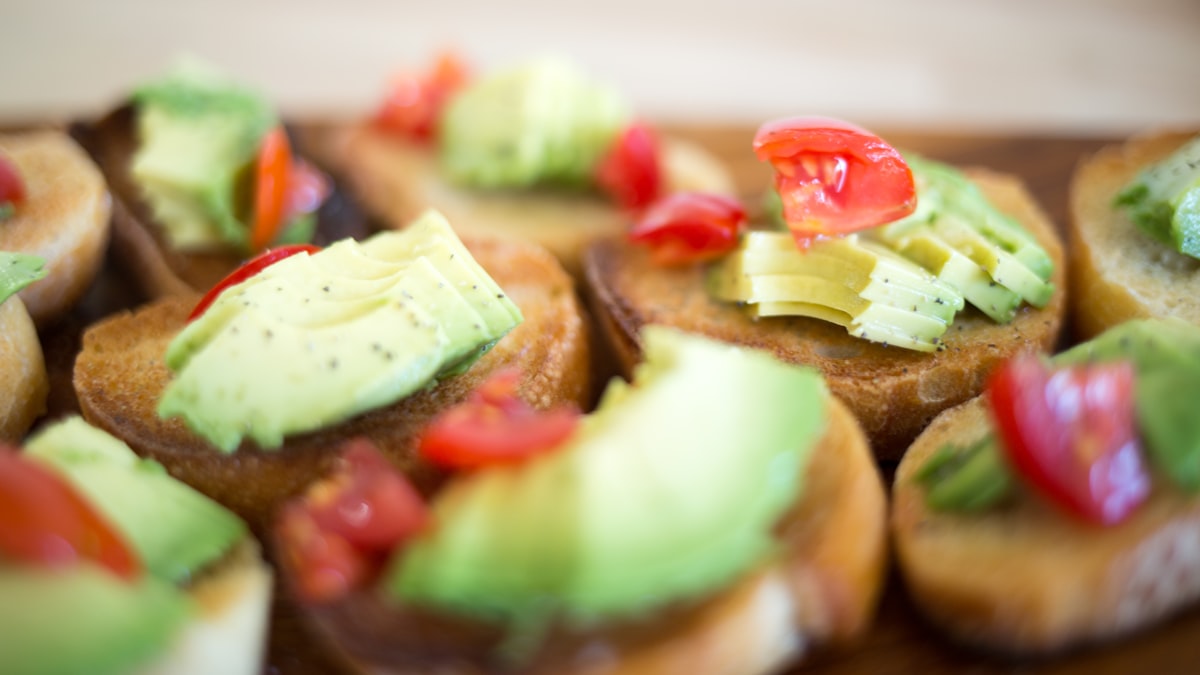
Sea bass and rockfish are still white-fleshed, but their flavor is a little denser and more assertive. This is where a balanced, structured single-cultivar oil finds its place — Sibarita or a Tuscan IGP blend works well. A finishing drizzle alongside coarse sea salt lifts a carpaccio presentation noticeably, adding aromatic complexity without fighting the fish.
Salmon and Trout: The Place for Puglia Coratina
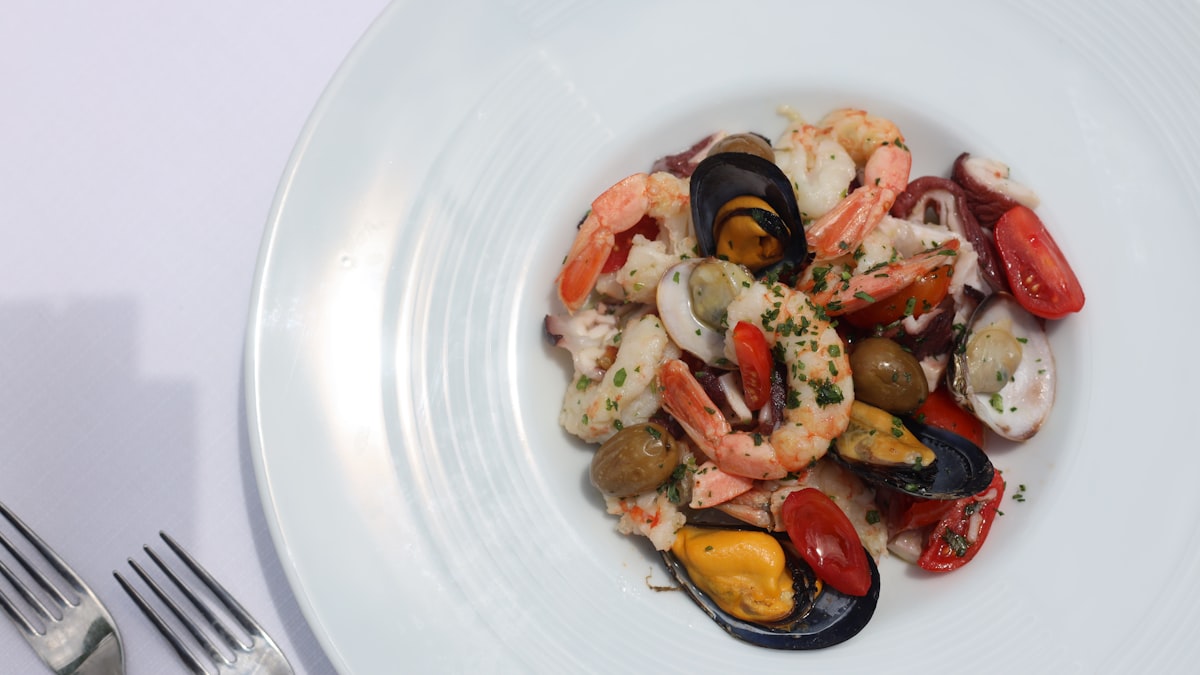
Salmon and trout occupy the middle ground between white fish and full oily fish. As their flavor grows richer, an EVOO with a peppery backbone starts to make sense. Puglia Coratina or a robust Sicilian line holds up well against both the fat and the flavor. The most reliable approach is to grill the fish lightly — just enough to form a surface — then finish with a single drizzle off the heat.
Mackerel and Sardines: Picual's Moment
Oily fish — mackerel, sardines, tuna — are intense in both flavor and fat. High-polyphenol single-cultivar oils like Picual or Koroneiki are well matched here. The peppery finish supports the fish's assertive aroma, while the green notes help temper any residual fishiness. This is not the place for a soft, buttery oil.
Raw Fish and EVOO
One of the most rewarding applications is raw fish. A thin drizzle of a soft single-cultivar EVOO over thinly sliced live flounder or sea bream, finished with flaky sea salt, cracked pepper, and a wedge of lime, produces something close to a Korean-style carpaccio. Keep the drizzle fine and even — a light line of oil clarifies the flavor; too much buries it.
The central lesson in pairing EVOO with fish is not to reach for a single bottle regardless of species. Keep the rule simple: soft lines for white fish, robust lines for oily fish. That one distinction is enough to make every plate feel considered.
Frequently asked questions
- Which olive oil goes best with white fish like flounder or sea bream?
- Delicate white fish such as flounder and sea bream pair best with soft, green-noted single-cultivar oils like Arbequina or Ojiblanca. Stronger, high-polyphenol lines tend to overwhelm the natural sweetness of the fish.
- What EVOO should I use with salmon or trout?
- Salmon and trout sit between white and oily fish in flavor intensity. A peppery, medium-to-robust oil — such as Puglia Coratina or a strong Sicilian line — works well, especially as a finishing drizzle over lightly grilled fillets.
- What is the best olive oil for mackerel, sardines, or tuna?
- Bold, fatty fish like mackerel, sardines, and tuna call for high-polyphenol single-cultivar oils such as Picual or Koroneiki. The peppery finish stands up to the fish's intensity, while the green notes help temper any fishiness.
- Can I use EVOO with raw fish or sashimi?
- Yes. A thin drizzle of a soft single-cultivar EVOO over thinly sliced raw flounder or sea bream, finished with flaky sea salt and a squeeze of lime, produces something close to a Korean-style carpaccio. Use a light hand — a fine drizzle is enough to clarify the flavor without masking the fish.
Related reading
- From Omakase to Home Table: How the Fine-Dining-at-Home Trend Is Reshaping the Pantry
A growing appetite for restaurant-grade experiences at home is pushing premium pantry staples—Spanish single-varietal EVOO chief among them—out of professional kitchens and onto domestic shelves.
- Spring Greens Meet EVOO: A Pairing Guide for the Season's First Harvest
From bitter aralia shoots to sweet spring cabbage, Korea's earliest seasonal greens reveal an unexpected affinity with extra virgin olive oil. This guide matches cultivar by cultivar and explains how to use EVOO at every stage of the spring kitchen.
- Mala, Dim Sum, and a Drizzle of EVOO: Olive Oil Meets Chinese Cooking
Extra virgin olive oil is crossing into Chinese cuisine — from mala tang broth to steamed dim sum and Cantonese stir-fries. Here is a flavor-and-chemistry look at why the pairing works.
- Match the Intensity: Choosing EVOO for Every Salad Green
From peppery arugula to delicate butter lettuce, matching the flavor intensity of a salad green to the right olive oil cultivar can transform a simple salad. Here is a guide to the pairing principles and variety-by-variety combinations.
- EVOO, Balsamic, and Finishing Salt: The Three-Ingredient Pairing That Changes a Plate
Three ingredients, one sharper table. This guide breaks down how EVOO, balsamic vinegar, and finishing salt work together — and when each combination earns its place on the plate.
- Five Breads, Five Intensities: Pairing EVOO with Focaccia, Sourdough, and Beyond
From focaccia to whole wheat, each bread's crumb and crust calls for a different EVOO intensity. This guide adds one more variable: time of day.