Table
The Finishing Touch: Temperature, Timing, and Cultivar Choice for Olive Oil on Soup
The moment extra virgin olive oil hits a bowl of soup, aroma and texture shift in ways that depend entirely on temperature and timing. This guide walks through each variable — including cultivar-by-cultivar pairing strategies.
Translated from the Korean edition, originally published September 6, 2026 · read the original
What Finishing Oil Actually Is
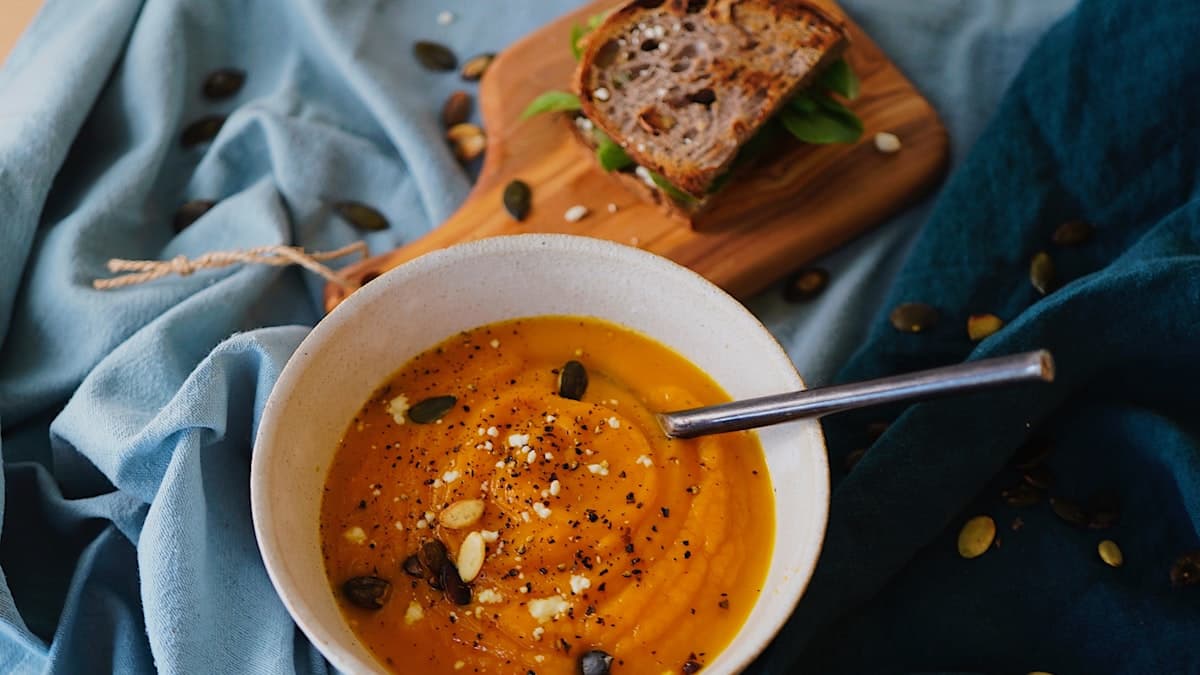
Unlike a cooking oil used to carry heat during preparation, a finishing oil is added at the very end — over the completed dish, not under it. Extra virgin olive oil is particularly well suited to this role because it carries a layered flavour profile that few other fats can match. Cold-pressing fresh olives produces an oil containing hundreds of volatile aromatic compounds, including aldehydes, phenols, and esters. According to the International Olive Council (IOC), prolonged exposure to temperatures above 60 °C has been reported to cause many of these compounds to volatilise or break down, significantly weakening the oil's characteristic aroma and taste. That is precisely why the when and how of adding olive oil to soup matters so much.
How Temperature Shapes Flavour: Three Zones
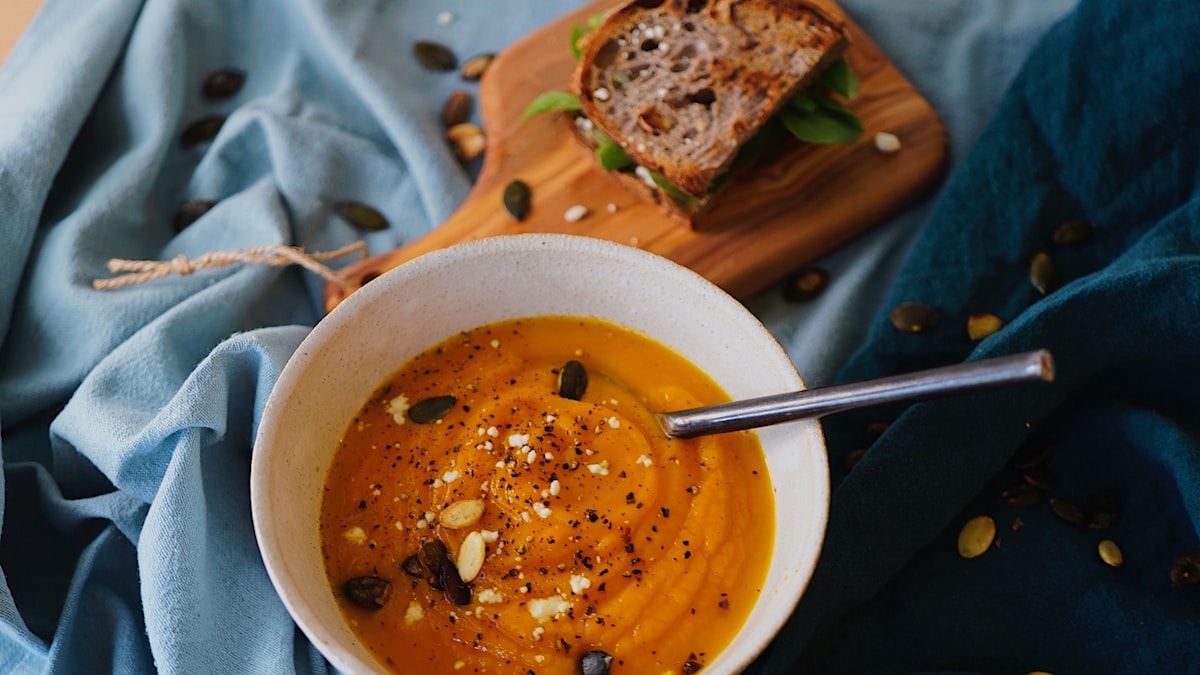
The temperature of the soup at the moment the oil is added is the single most important variable in how the oil's flavour expresses itself. Three broad zones are worth distinguishing.
85 °C and above — high-temperature application When oil lands on soup that has just come off the heat and is still at a rolling simmer, volatile aromatic compounds flash off almost instantly, filling the room with an intense wave of fragrance. The visual and olfactory impact is dramatic, but by the time the spoon reaches the mouth, much of the delicate fruit and grass character may have already escaped. This approach works well as a tableside presentation technique in a restaurant setting.
55–75 °C — mid-temperature application (recommended range) This is roughly the temperature a bowl of soup reaches after sitting on the counter for thirty seconds to a minute. In this window, residual heat is sufficient to activate the oil's aromatic compounds without pushing them off entirely. Polyphenols such as oleocanthal and oleuropein — responsible for the oil's characteristic bitter and peppery notes — integrate with the soup's natural sweetness and umami to produce a balanced, rounded flavour. For most home cooking, this is the most reliable zone.
40 °C and below — low-temperature application This is the approach for cold soups such as gazpacho or vichyssoise, or for a bowl that has been left to cool before serving. Because very little heat is present to drive off aromatics, the oil's volatile compounds remain largely intact, making this the setting where a cultivar's most subtle character comes through most clearly. One practical caution: oil is more viscous at lower temperatures, so even a small excess can feel noticeably heavy on the palate. Precise, restrained dosing is recommended.
Timing: At the End of Cooking, Just Before Serving, or at the Table
Temperature and timing are related but not identical. The moment of addition affects how fully the oil emulsifies with the soup's liquid, which in turn shapes both texture and mouthfeel.
At the end of cooking, just after turning off the heat Stirring oil into the pot immediately after removing it from the heat creates a fine, dispersed emulsion. The oil's flavour distributes evenly through the soup, adding what cooks often describe as a fuller, slightly heavier body. This works especially well with creamy base soups — leek, lentil, or potato — where the goal is integration rather than contrast.
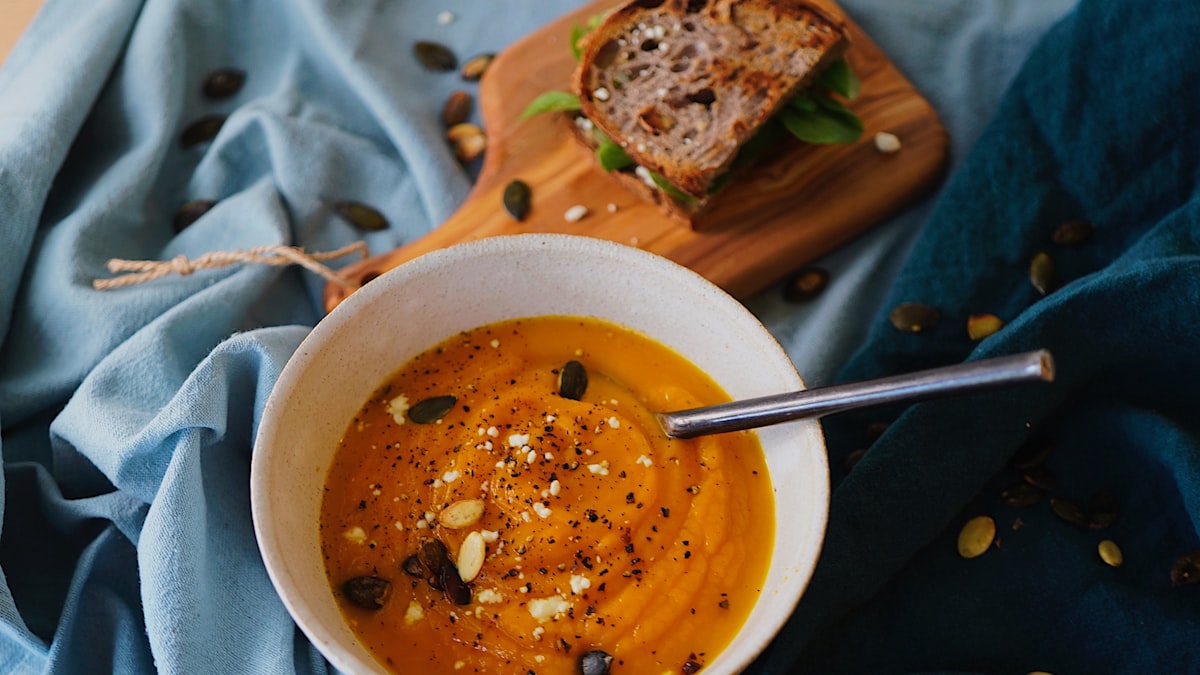
Poured over the filled bowl, just before serving This is the most common approach. At mid-range temperatures (55–75 °C), the oil sits on the surface as a visible golden pool, clearly separated from the broth. Each spoonful then combines both textures at once, creating a two-layer experience in the mouth.
At the table, during the meal Adding oil after the soup has cooled a little allows each person to adjust the amount to their preference — a practical advantage when serving a group. Because the temperature will be lower by this point, the application takes on the characteristics of the low-temperature zone described above, with the oil's cultivar notes coming through most directly.
Cultivar-by-Cultivar Pairing Strategy
Each extra virgin olive oil cultivar carries a distinct flavour profile, and matching that profile to the character of the soup meaningfully raises the result.
Picual — Characterised by robust herbal aromas, a clear bitter note, and a long, peppery finish. Its relatively high polyphenol content gives it the intensity to hold its own against powerful soups: tomato, minestrone, black bean. With a deeply flavoured vegetable base, Picual amplifies rather than clashes.
Ojiblanca — Defined by a delicate almond note and a gentle fruit nuance, with low acidity and good overall balance. It pairs naturally with soups that have their own subtle sweetness — butternut squash, white bean, cauliflower cream. When the supporting cast of ingredients is quiet, Ojiblanca adds refinement without overwhelming.
Sibarita — Bright grassy aroma, a green-apple nuance, and a soft finish. This profile makes it a particularly good match for cold soups and fresh preparations — gazpacho, chilled cucumber soup — where the goal is to enhance the raw ingredients rather than add weight. Its low acidity means the flavour does not turn sharp even at cold temperatures.
Three Principles to Keep in Mind
No charts or thermometers required. These three rules cover most situations.
First, match intensity to intensity. Bold, richly flavoured soups call for a robust cultivar with higher polyphenol content; lighter, more delicate soups call for a softer one.
Second, 55–75 °C, just before serving, is the lowest-risk approach. For everyday home cooking, following this guideline alone produces a noticeably more finished result.
Third, use less than you think, and use something good. According to data cited by the Spanish Gastronomy Association, the reported guideline for finishing oil is 5–10 mL (1–2 teaspoons) per serving. More than that risks masking the soup's own flavour and leaving a heavy mouthfeel. A small pour of high-quality extra virgin olive oil consistently delivers more than a generous pour of a lower-grade one.
The final touch on a bowl of soup is simpler than it sounds. Pay a little more attention to temperature, learn one cultivar at a time, and the everyday table changes in ways that are hard to go back from.
Frequently asked questions
- What temperature should soup be when you add finishing olive oil?
- The 55–75 °C range is generally considered optimal. At that temperature, heat activates the oil's aromatic compounds without driving off the more delicate volatiles. Above 85 °C, fruity and grassy notes dissipate quickly; below 40 °C, the oil retains its full flavour profile but can feel heavier on the palate if overdosed.
- Does it matter whether you add olive oil before or after ladling soup into the bowl?
- Yes. Stirring oil into the pot just after the heat is turned off creates a subtle emulsion that spreads its flavour throughout the soup and adds body — useful for creamy bases like leek or lentil soups. Adding oil to the surface of the filled bowl keeps it as a visible golden pool, so each spoonful mixes two textures at once. Drizzling at the table, once the soup has cooled slightly, gives the clearest expression of the oil's cultivar character.
- Which olive oil cultivar works best with tomato soup or minestrone?
- Picual is a strong match. Its robust herbal notes, pronounced bitterness, and long peppery finish hold up against assertive flavours rather than being overwhelmed by them. Its relatively high polyphenol content also means it contributes both flavour and aromatic complexity.
- Can you use extra virgin olive oil to finish a cold soup like gazpacho?
- Yes, and cold application (below 40 °C) actually preserves the most volatile aromatic compounds, giving the clearest expression of a cultivar's character. Sibarita, with its fresh grassy notes, green-apple nuance, and low acidity, is particularly well suited to chilled soups because its flavour doesn't turn sharp at lower temperatures. Use a small, precise amount — the higher viscosity of cold oil means a little goes a long way.
- How much finishing olive oil should you use per serving of soup?
- According to data cited by the Spanish Gastronomy Association, 5–10 mL (1–2 teaspoons) per serving is the reported guideline for finishing oil. More than that tends to mask the soup's own flavour and leaves a heavy mouthfeel. A small amount of high-quality extra virgin olive oil consistently outperforms a larger dose of a lower-quality oil.
Related reading
- A Drop of Science: Pairing Dark Chocolate with Extra Virgin Olive Oil
A drizzle of extra virgin olive oil over dark chocolate softens bitterness and amplifies aroma. From the molecular interactions of phenolic compounds to cultivar-by-cultivar pairing choices, OLEA explores this combination through the lens of culinary science.
- Olive Oil and Seafood: Killing the Fishiness, Keeping the Flavor
The most common worry about cooking seafood with olive oil is that it will make things smell fishier. Understanding oil intensity, polyphenol content, and heat method can instead draw out the natural sweetness of fish and shellfish.
- Soy, Gochujang, Doenjang: Ratio Guides for Korean Jang Dressings with Extra Virgin Olive Oil
Combining extra virgin olive oil with Korea's fermented jang pastes opens unexpected flavor territory — but the ratios matter. This guide breaks down the optimal oil-to-jang proportions for soy sauce, gochujang, and doenjang, with practical applications for each.
- The Mediterranean Art of Oil Poaching Fish: Ratios, Temperatures, and Cultivar Pairings
Oil poaching — gently cooking fish submerged in olive oil at low heat — is a cornerstone technique of Mediterranean kitchens. This guide covers everything from choosing the right EVOO to precise temperature ranges and the oil ratios that make the difference.
- Hummus, Shakshuka, Sabich: How Israeli Cooking Uses Olive Oil at Every Layer
From the finishing pour on hummus to the base of a shakshuka and the layered construction of a sabich, olive oil functions as a primary ingredient on the Israeli table — not a neutral medium. This guide traces how Levantine culinary tradition treats the oil itself as the point.
- Fried, Scrambled, Poached: How Olive Oil Changes Every Style of Egg
Olive oil is more than a non-stick coating in egg cookery — it shapes texture, aroma, and the final bite. This guide breaks down the right oil, temperature, and timing for fried, scrambled, and poached eggs.
Tags