Table
A $53 Billion Market: Why Wellness Gifts Are Driving the Global Food Gift Boom
The global food gift market is projected to grow from approximately $33.2 billion in 2024 to $53.8 billion by 2033, according to Business Research Insights. Wellness-oriented gifts are at the center of that expansion.
Translated from the Korean edition, originally published April 8, 2026 · read the original
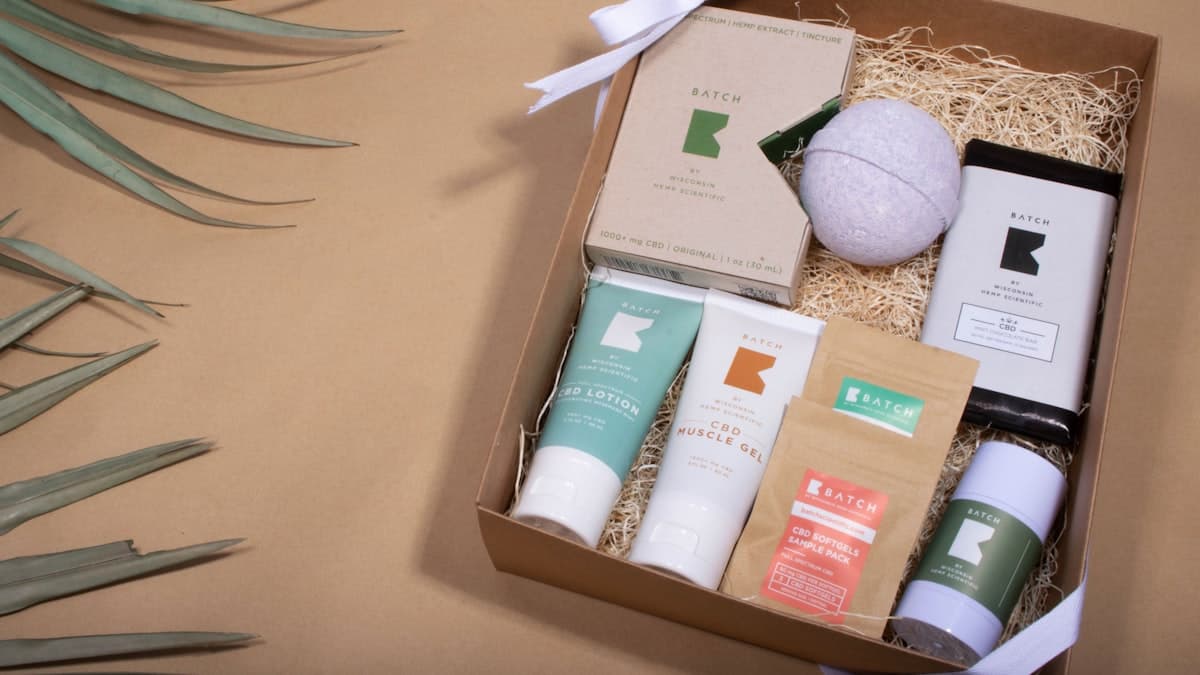
The global food gift market is expanding at a notable pace. According to a market report by Business Research Insights, the sector was valued at approximately $33.2 billion in 2024 and is projected to reach $53.8 billion by 2033, a compound annual growth rate of around 5.16%. The current driving force behind that growth is what the industry is calling the wellness gift.
The Everyday Ritual Is the Point
The wellness gift trend is not simply about putting a health claim on the label. What sets it apart, according to observers of the category, is the idea of fitting naturally into the recipient's existing daily rituals. Products that already occupy a habitual slot in someone's routine — an EVOO used every morning, a tea drunk every afternoon, a protein source prepared every evening — are the ones gaining traction. The gift, in other words, stays.
How a Wellness Gift Set Is Built
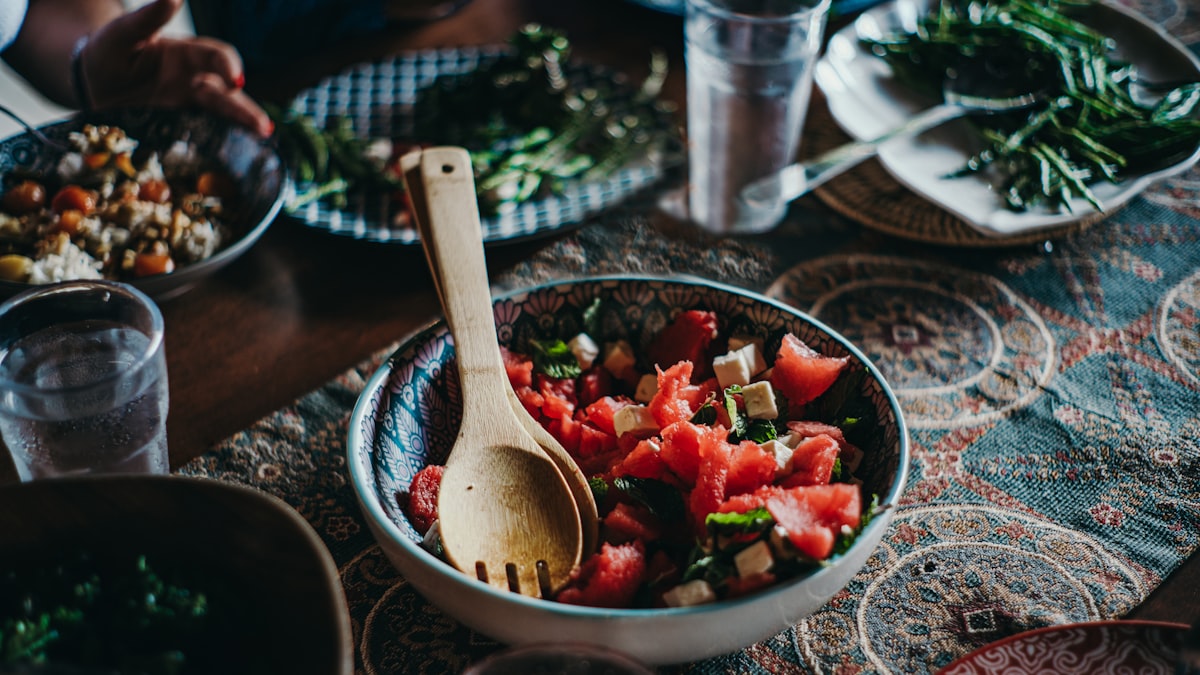
Wellness gift sets tend to draw from four broad categories. Single-varietal extra virgin olive oil, used for everyday cooking and finishing, anchors many sets. Single-origin teas with a considered caffeine profile come next. Organic nuts and granola, suited to a morning routine, provide a complementary texture. Premium balsamic vinegar and flavored salts round things out as pairing accompaniments. Curated combinations of two or three items from across those categories are the most common format, chosen with the recipient's eating habits in mind.
Corporate Gifting Is Moving the Same Direction
The same shift is visible in business-to-business gifting. Premium, gourmet, and healthy food gifts are accounting for a growing share of corporate gift budgets, valued both for the brand image they project and for the signal they send about considering recipients' health-conscious lifestyles. Premium EVOO occupies a natural position in this space — substantive, shelf-stable, and legible as a quality choice to an increasingly food-literate corporate audience.
Frequently asked questions
- How big is the global food gift market expected to get by 2033?
- According to a market report by Business Research Insights, the global food gift market is projected to grow from approximately $33.2 billion in 2024 to $53.8 billion by 2033, representing a compound annual growth rate of around 5.16%.
- What kinds of products count as wellness gifts?
- Wellness gift sets typically draw from four categories: single-varietal extra virgin olive oil for everyday cooking and dressing, single-origin teas with balanced caffeine profiles, organic nuts and granola suited to morning routines, and pairing accompaniments such as premium balsamic vinegar and flavored salts. Curated combinations of two or three items are most common.
- Is EVOO becoming a common choice for corporate gifting?
- The same wellness shift is visible in B2B gifting. Premium and gourmet healthy food gifts are claiming a larger share of corporate gift budgets, valued both for brand image and for signaling consideration of recipients' health-conscious lifestyles. Premium EVOO sits squarely in this space.
Related reading
- Pairing Olive Oil with Wine: A Guide to Matching Aromas, Bitterness, and Texture
Extra virgin olive oils differ markedly in acidity, bitterness, and fruitiness — and each profile calls for a different wine partner. This guide maps those sensory axes to white, red, and natural wines.
- Soy, Gochujang, Doenjang: Ratio Guides for Korean Jang Dressings with Extra Virgin Olive Oil
Combining extra virgin olive oil with Korea's fermented jang pastes opens unexpected flavor territory — but the ratios matter. This guide breaks down the optimal oil-to-jang proportions for soy sauce, gochujang, and doenjang, with practical applications for each.
- Decanting vs. Direct Pour: How You Serve Olive Oil Shapes Its Aroma
Whether to transfer extra virgin olive oil into a decanter or pour straight from the bottle is not merely a matter of style. Oxygen exposure time and temperature shifts both affect the volatile compounds responsible for fresh, complex aroma.
- A Drop of Science: Pairing Dark Chocolate with Extra Virgin Olive Oil
A drizzle of extra virgin olive oil over dark chocolate softens bitterness and amplifies aroma. From the molecular interactions of phenolic compounds to cultivar-by-cultivar pairing choices, OLEA explores this combination through the lens of culinary science.
- The Mediterranean Art of Oil Poaching Fish: Ratios, Temperatures, and Cultivar Pairings
Oil poaching — gently cooking fish submerged in olive oil at low heat — is a cornerstone technique of Mediterranean kitchens. This guide covers everything from choosing the right EVOO to precise temperature ranges and the oil ratios that make the difference.
- Hummus, Shakshuka, Sabich: How Israeli Cooking Uses Olive Oil at Every Layer
From the finishing pour on hummus to the base of a shakshuka and the layered construction of a sabich, olive oil functions as a primary ingredient on the Israeli table — not a neutral medium. This guide traces how Levantine culinary tradition treats the oil itself as the point.
Tags
- food gifts
- wellness
- extra virgin olive oil
- gifting trends
- premium food