Table
The Olive Oil Table: How Crete and Santorini Cook Differently
From Crete's ancient groves to Santorini's volcanic terraces, olive oil in Greek island cuisine is not a condiment but the structural core of the dish. Two islands, two distinct philosophies, one shared ingredient.
Translated from the Korean edition, originally published September 5, 2026 · read the original
The Olive Tree Comes First
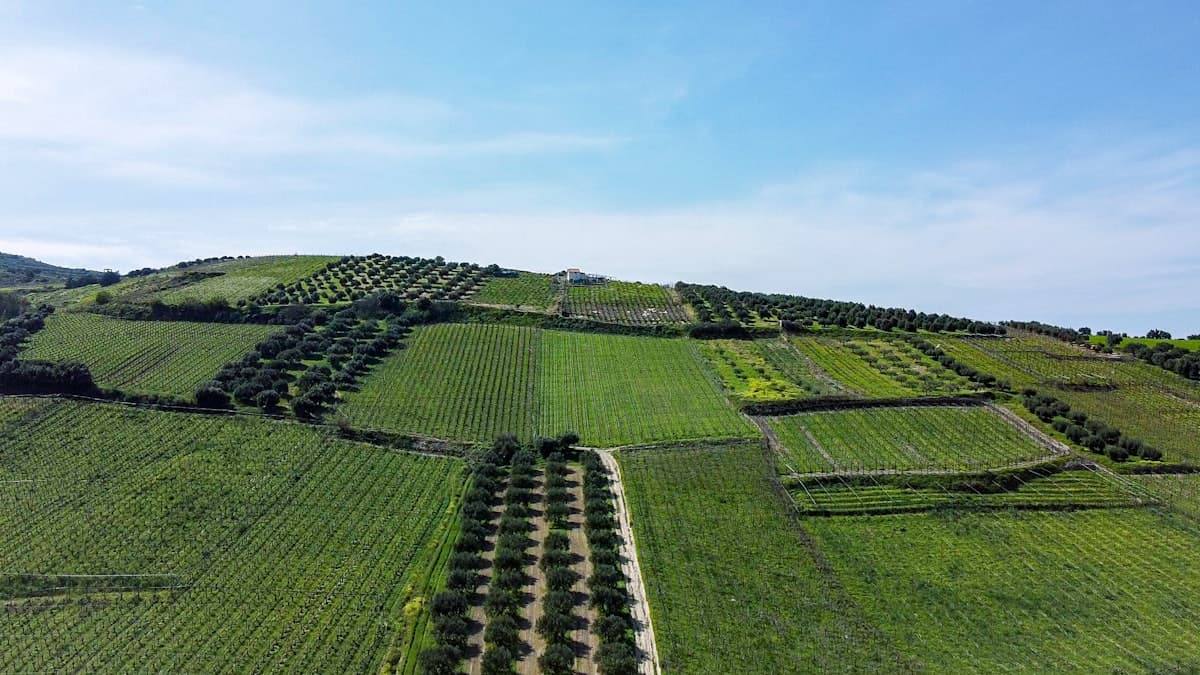
In Greece, olive oil is not added to cooking — cooking is organised around olive oil. The distinction sounds subtle, but it runs through the entire logic of Mediterranean food culture. According to data from the Food and Agriculture Organization of the United Nations (FAO), per capita olive oil consumption in Greece is approximately 12–15 litres per year, among the highest figures recorded anywhere in the world. Residents of Crete are reported to consume substantially more than the Greek national average. Olive cultivation on the island stretches back more than 4,000 years, and olive groves today account for more than half of all agricultural land on the island.
Crete and Santorini share the same Aegean cultural sphere, yet the way each island handles olive oil is distinctly its own. Crete, shaped by fertile, generous land, has developed a rich and substantial culinary language. Santorini, working within the constraints of volcanic soil and drying winds, has evolved a table defined by restraint and focus.
Cretan Cooking — Oil as the Liquid
The sheer quantity of olive oil in traditional Cretan cooking regularly surprises visitors. Take dakos, the island's signature dish: barley rusk topped with ripe tomato and crumbled feta, then finished with a generous pour of oil. Here the oil does not function merely as a dressing — it also acts as the moisture that gradually softens the hard rusk. The time it takes for the bread to absorb the oil is, in effect, the cooking time.
Ladera — the technique of slow-cooking vegetables in olive oil — is found across Greece, but its roots are generally traced to Crete. The word means 'in oil' in Greek. Artichokes, peas, and aubergines are cooked without water, using only olive oil and tomato. Because the heat is kept low and the process is unhurried, the character of the oil itself envelops the entire dish.
The Seven Countries Study, a large research project supported by the Rockefeller Foundation in the 1950s and 1960s, reported that cardiovascular-related markers among Cretan residents differed markedly from those of other population groups studied. The researchers identified olive-oil-centred eating habits as one of the factors warranting attention, though it is too early to draw firm conclusions about causation from a single observational study.
The Santorini Table — Restraint from Volcanic Soil
Santorini's olive production is modest compared with Crete's. The island's compacted volcanic ash and strong sea winds suit tomatoes, aubergines, and fava beans far better than olive trees. Even so, olive oil is never absent from the Santorini table — it is simply applied with more precision than abundance.
The island's defining dish is fava: yellow split peas simmered and puréed to a smooth, creamy consistency. Just before serving, raw olive oil is poured over the surface to add sheen and aroma. Because the oil is never heated at this stage, its original flavour reaches the palate entirely intact. Whether the oil is a grassy, herbaceous variety or a softer oil from fully ripened fruit will completely change the final impression of the dish.
Across Santorini's restaurants, it is common practice to place a small pitcher of olive oil on every table. Guests pour and adjust for themselves — dipping bread, dressing salads — a custom that positions oil as an independent ingredient with its own presence at the table, not a background element.
The Choice of Oil Shapes the Dish
According to figures from the Cretan producer association, more than 80% of olive oil produced on the island is classified as extra virgin — a proportion that places Crete among the highest-performing major producing regions in the world. The dominant cultivar, Koroneiki, yields oil from small fruit that is characterised by pronounced herbal notes and a peppery finish; it is widely regarded as showing its qualities most clearly when used raw as a salad dressing or as a finishing pour.
A distinction between oils for cooking and oils for finishing has developed naturally across the Greek islands. For long-cooked preparations such as ladera, cooks typically reach for an oil that is aromatic but stable under heat. For raw applications — dakos, fava — the preference runs toward freshly harvested oil in which polyphenols and aroma compounds are still vivid.
Oil as an Act of Hospitality
In Cretan households, pouring one final round of oil over a dish just before it is set in front of a guest is considered a mark of good manners. That single gesture declares the dish complete and, at the same time, expresses welcome. In 2013, UNESCO inscribed the Mediterranean Diet on its Representative List of the Intangible Cultural Heritage of Humanity, recognising the food cultures of Greece and other Mediterranean countries as essential components of that tradition. The tables of Crete and Santorini are among its most vivid living expressions.
Frequently asked questions
- How much olive oil do people in Greece actually consume per year?
- According to data from the Food and Agriculture Organization of the United Nations (FAO), per capita olive oil consumption in Greece runs approximately 12–15 litres per year, among the highest figures recorded worldwide. Residents of Crete are reported to consume even more than the Greek national average.
- What is the ladera cooking method and how does it use olive oil?
- Ladera — literally meaning 'in oil' — is a technique in which vegetables such as artichokes, peas, or aubergine are slow-cooked using only olive oil and tomato, with no added water. The dish is prepared over a low to medium heat for an extended period, so the aroma of the oil itself permeates every element of the finished dish.
- Why is Santorini's use of olive oil considered more restrained than Crete's?
- Santorini's volcanic ash soil and strong sea winds suit tomatoes, aubergines, and fava beans more readily than olive trees, so local production is small. The island's cooks tend to use olive oil as a finishing element — poured raw over dishes like fava purée at the last moment to preserve its aroma and polyphenols — rather than as a cooking medium, placing the emphasis on precision rather than abundance.
Related reading
- Cold Dishes, Full Flavor: Choosing Olive Oil for Gazpacho, Cold Pasta, and Chilled Salads
When heat is removed from the equation, olive oil has nowhere to hide. A guide to matching cultivar character, acidity, and polyphenol levels to gazpacho, cold pasta, and chilled salads.
- Caponata, Arancini, Granita: How Sicily Uses Olive Oil at Every Stage of a Meal
In Sicily, olive oil is not a condiment—it is the structural language of the kitchen. From the slow soffritto that opens a caponata to the finishing drizzle that closes it, the island's cooks assign oil a precise role at every moment of cooking.
- Ciabatta, Sourdough, Focaccia: Matching Bread Character to Olive Oil Intensity
Ciabatta, sourdough, and focaccia each bring a distinct fermentation profile, crumb structure, and crust to the table. Matching olive oil intensity to bread character lets both ingredients amplify each other rather than compete.
- Guacamole, Tacos, and Olive Oil: A Pairing That Goes Back Centuries
From sixteenth-century Spanish missionaries to modern Latin kitchens in Mexico City, New York, and Los Angeles, extra virgin olive oil has long had a place at the Mexican table. This guide traces the history and explores how chefs are using it today.
- Butter Country No More: How Scandinavia Learned to Cook with Olive Oil
Olive oil is reshaping Nordic kitchens — from Copenhagen's Michelin-starred restaurants to Swedish home pantries. This guide traces how EVOO found its place alongside smoked fish, fermented rye, and root vegetables in one of the world's most distinctive food cultures.
- Pairing Olive Oil with Wine: A Guide to Matching Aromas, Bitterness, and Texture
Extra virgin olive oils differ markedly in acidity, bitterness, and fruitiness — and each profile calls for a different wine partner. This guide maps those sensory axes to white, red, and natural wines.
Tags
- greek olive oil
- crete
- santorini
- mediterranean cuisine
- evoo cooking