Table
Cold Dishes, Full Flavor: Choosing Olive Oil for Gazpacho, Cold Pasta, and Chilled Salads
When heat is removed from the equation, olive oil has nowhere to hide. A guide to matching cultivar character, acidity, and polyphenol levels to gazpacho, cold pasta, and chilled salads.
Translated from the Korean edition, originally published October 19, 2026 · read the original
What Happens to Olive Oil When There Is No Heat
When olive oil is heated during cooking, a significant share of its volatile aroma compounds escape into the air. In cold dishes, by contrast, the oil's full flavor spectrum is preserved close to its original state. According to a 2022 quality report published by the International Olive Council (IOC), retention of polyphenols and aroma compounds in extra virgin olive oil is highest when the oil is used without heat. In plain terms, cold dishes are a stage with nowhere to hide.
That also means the choice of oil carries real consequences. A fiercely grassy oil poured over a delicate chilled salad will overwhelm the ingredients; a characterless oil stirred into gazpacho leaves the whole bowl flat. The lower the cooking temperature, the more cultivar, acidity, and polyphenol concentration actually matter.
Gazpacho: Oil Builds the Backbone of the Soup
Gazpacho is the cold vegetable soup most closely identified with Spain's Andalusia. Blended tomato, cucumber, pepper, and garlic are emulsified with olive oil to create a creamy texture, and then the finished soup receives a final drizzle for aroma. The oil is doing two things at once: acting as an emulsifier to give body, and adding the last aromatic layer before the bowl reaches the table.
Traditional recipes have long preferred Picual, a cultivar with intense flavor and clearly defined bitterness and pungency. According to the IOC cultivar database, Picual sits among the higher-polyphenol varieties, and the throat-catch associated with its oleocanthal content creates a counterpoint to tomato acidity that gives the soup dimension. A practical approach used by many cooks is to use Picual as the base oil during blending, then finish with a more expressive, aromatic oil as the final drizzle — two different oils serving two different functions.
Ojiblanca offers a contrasting approach. Its brighter fruit notes and softer bitterness enhance fresh vegetable flavors while leaving an elegant finish. Cucumber- or melon-based gazpacho variations pair particularly well with the more restrained character of Ojiblanca.
Cold Pasta: As Temperature Drops, Viscosity Rises
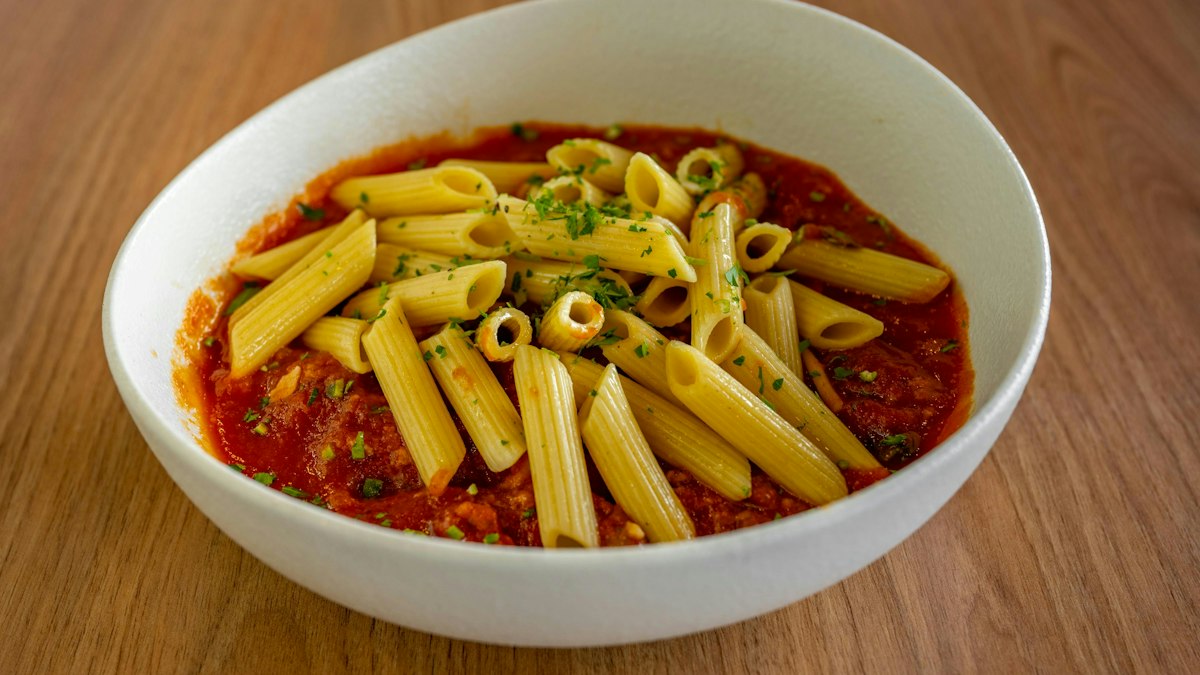
Cold pasta requires a fundamentally different approach to olive oil than its hot counterpart. In a hot pasta dish, oil spreads rapidly across the surface of warm noodles and merges into the sauce. In cold pasta, the oil stays on the pasta surface almost as a coating, which means its viscosity and texture have a direct effect on every bite.
According to 2021 data from CREA (Italy's Council for Agricultural Research and Economics), olive oil viscosity tends to roughly double for every 10 °C drop in temperature. Oil poured straight from a cold bottle onto chilled pasta can cause the strands to clump and create a heavy mouthfeel. Bringing the oil to room temperature before using it, or selecting a cultivar with a naturally lighter texture and lower acidity, addresses the problem.
Arbequina stands out as a particularly effective choice for cold pasta. Its buttery texture and notes of almond and ripe fruit, combined with relatively low bitterness, complement seafood cold pasta or lemon-and-herb dressings without fighting them. Picual, with its high polyphenol concentration and assertive bitterness, comes into its own in Mediterranean-style cold pasta built around bold ingredients — anchovies, olives, and capers.
Timing also matters. Toss the pasta in olive oil immediately after rinsing it cold, before any other additions. This prevents strands from sticking and allows the oil to distribute evenly. Add the dressing afterward; the result is better both in texture and in flavor.
Chilled Salads: When You Add the Oil Changes Everything
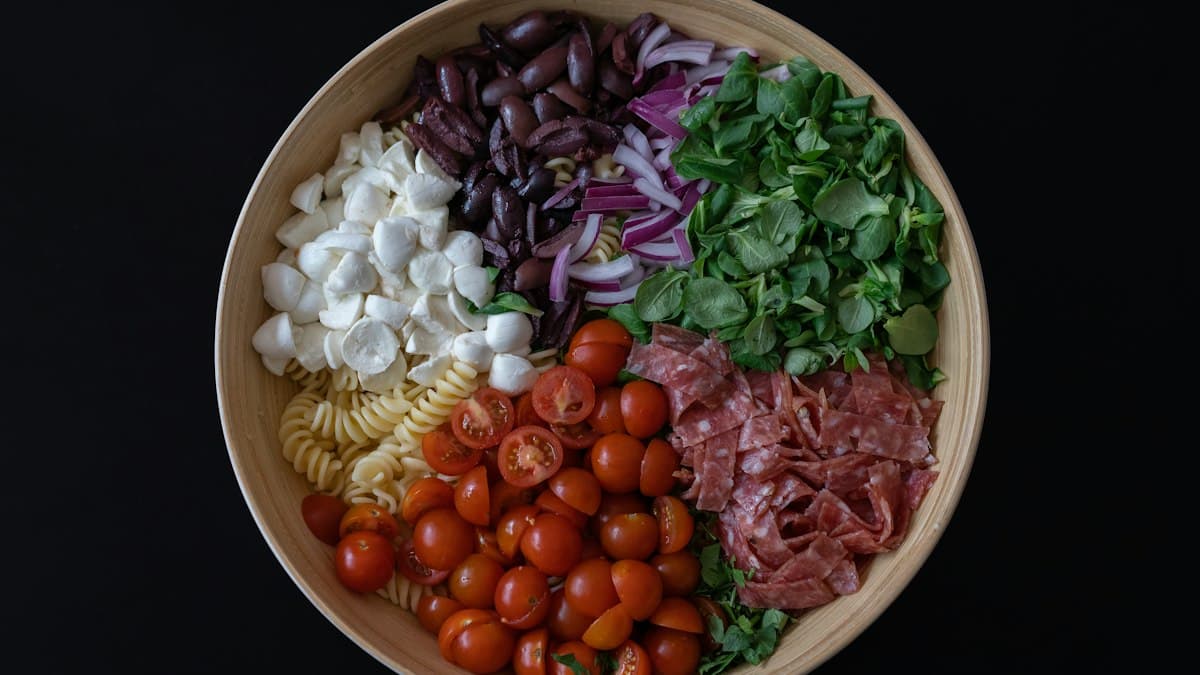
The chilled-salad category spans a wide range of styles — herb-packed grain salads, Mediterranean vegetable plates, lightly dressed seafood, antipasto arrangements. In all of them, olive oil plays two roles: sealing moisture into the ingredients, and providing the final aromatic accent.
Mixing oil into the dressing in advance versus adding it as a last-minute drizzle produces different results. Pre-mixed, the oil emulsifies with vinegar or lemon juice, creating a smooth, integrated flavor. Added at the last moment, it sits as a distinct layer, and the oil's own aroma reads independently. Which approach fits depends on the dish.
Herb-forward salads — tabbouleh, green salads, grain-and-herb combinations — suit Ojiblanca well. Its vivid green notes and hints of fresh apple and artichoke reinforce rather than compete with the herbs. Seafood and fish-based preparations benefit from the gentle fruit notes and low bitterness of Arbequina, which lets delicate ingredients stay in the foreground. Antipasto arrangements with salty anchoring ingredients — olives, cured meats, aged cheese — work with Picual, whose balanced bitterness and pungency create a pleasing contrast rather than redundancy.
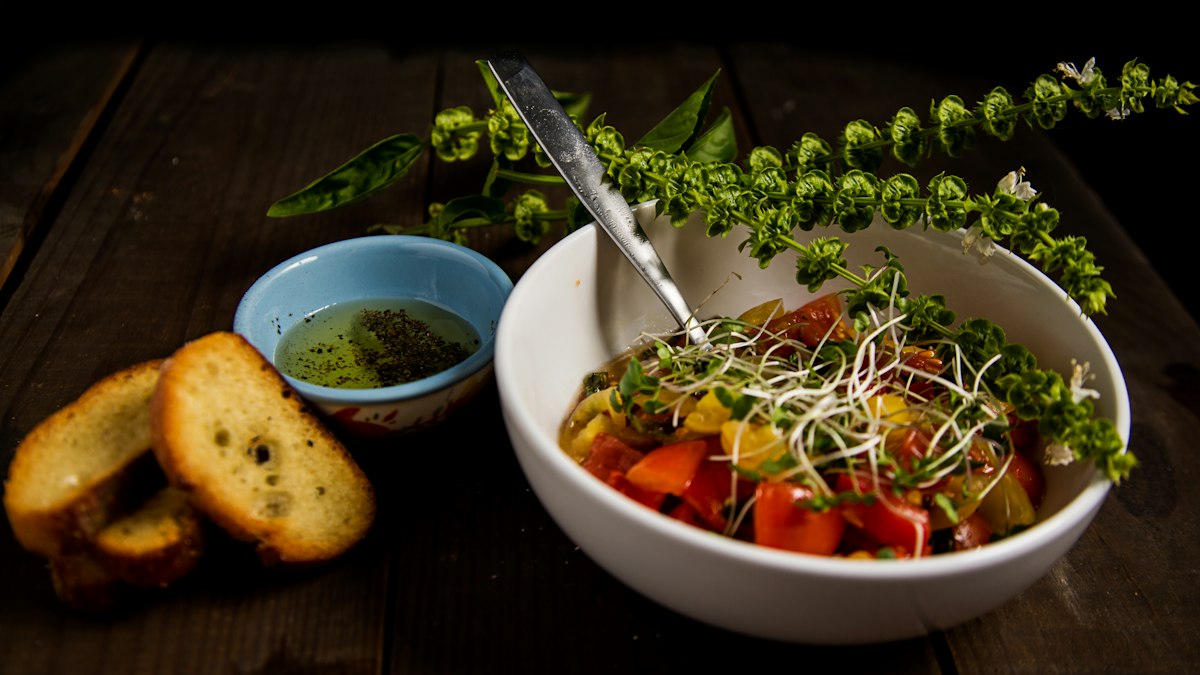
A Practical Framework for Choosing Cold-Dish Olive Oil
Three criteria are worth checking whenever you select an olive oil for a cold preparation.
Acidity. Lower acidity means a cleaner oil with fewer off-notes. Under the extra virgin standard, oils at or below 0.3% acidity work comfortably in cold dishes; oils at 0.2% or below suit even the most delicate preparations.
Polyphenol concentration. Higher polyphenol levels mean more pronounced bitterness and pungency, which sharpens contrast with bold ingredients. According to IOC benchmarks, oils above 300 mg/kg deliver noticeable complexity; above 500 mg/kg, the character becomes assertive and distinctive.
Harvest timing. Early-harvest oils tend to be high in polyphenols and intense in aroma. Late-harvest oils are softer and more fruit-forward. The key is matching the intensity of the oil to the intensity of the other ingredients on the plate.
Cold cooking removes the buffer that heat provides. The quality of every ingredient shows up plainly. Olive oil is no exception — the right choice can shift the texture of a cold pasta dish or turn a bowl of gazpacho from flat to fully alive. Understanding the framework makes that choice considerably easier.
Frequently asked questions
- Why does olive oil taste different in cold dishes compared to cooked ones?
- Heat drives off volatile aroma compounds, so much of an oil's flavor spectrum dissipates during cooking. According to a 2022 IOC quality report, polyphenol and aroma-compound retention is highest when extra virgin olive oil is used without heat — meaning cold dishes expose the full character of the oil with nothing to soften or mask it.
- Which olive oil cultivar works best in gazpacho?
- Traditional Andalusian recipes favor Picual, whose high polyphenol content and assertive bitterness create a counterpoint to tomato acidity. According to the IOC cultivar database, Picual sits among the higher-polyphenol varieties. For cucumber- or melon-based variations, a gentler cultivar such as Ojiblanca — with its bright fruit notes and softer bitterness — tends to suit the more delicate flavors.
- Why does olive oil make cold pasta clump together?
- According to 2021 data from CREA (the Italian Council for Agricultural Research and Economics), olive oil viscosity roughly doubles for every 10 °C drop in temperature. Oil applied straight from a cold bottle coats pasta strands unevenly and can cause them to stick. Bringing the oil to room temperature before using it, or choosing a lower-viscosity cultivar such as Arbequina, helps the oil distribute evenly.
- Should I mix olive oil into the dressing ahead of time or drizzle it on just before serving?
- The two approaches deliver different results. Mixed into the dressing in advance, the oil emulsifies with acids such as vinegar or lemon juice, producing a smooth, integrated flavor. Added as a last-minute drizzle, it sits as a distinct aromatic layer on the finished dish. Herb-heavy salads and delicate seafood dishes often benefit from a final drizzle of a high-quality oil, while grain or pulse salads can carry a pre-emulsified dressing well.
- What acidity and polyphenol levels should I look for in an olive oil for cold dishes?
- For cold dishes, look for extra virgin olive oil with acidity at or below 0.3%, which generally indicates a clean, off-note-free profile; oils at 0.2% or below suit even the most delicate preparations. On polyphenols, IOC benchmarks suggest that oils above 300 mg/kg deliver noticeable bitterness and complexity, while those above 500 mg/kg have a pronounced, assertive character — best matched to bold ingredients such as anchovies, capers, or aged cheese. Early-harvest oils tend to sit at the higher end of the polyphenol range; late-harvest oils are softer and more fruit-forward.
Related reading
- Ciabatta, Sourdough, Focaccia: Matching Bread Character to Olive Oil Intensity
Ciabatta, sourdough, and focaccia each bring a distinct fermentation profile, crumb structure, and crust to the table. Matching olive oil intensity to bread character lets both ingredients amplify each other rather than compete.
- The Mediterranean Art of Oil Poaching Fish: Ratios, Temperatures, and Cultivar Pairings
Oil poaching — gently cooking fish submerged in olive oil at low heat — is a cornerstone technique of Mediterranean kitchens. This guide covers everything from choosing the right EVOO to precise temperature ranges and the oil ratios that make the difference.
- Matching Olive Oil Intensity to Your Ingredients: A Pairing Guide
Acidity and grade tell you whether an olive oil is good; intensity tells you where it belongs on the plate. This guide walks through the mild, medium, and intense tiers — and the cooking variables that shift the equation.
- Guacamole, Tacos, and Olive Oil: A Pairing That Goes Back Centuries
From sixteenth-century Spanish missionaries to modern Latin kitchens in Mexico City, New York, and Los Angeles, extra virgin olive oil has long had a place at the Mexican table. This guide traces the history and explores how chefs are using it today.
- Butter Country No More: How Scandinavia Learned to Cook with Olive Oil
Olive oil is reshaping Nordic kitchens — from Copenhagen's Michelin-starred restaurants to Swedish home pantries. This guide traces how EVOO found its place alongside smoked fish, fermented rye, and root vegetables in one of the world's most distinctive food cultures.
- A Drop of Science: Pairing Dark Chocolate with Extra Virgin Olive Oil
A drizzle of extra virgin olive oil over dark chocolate softens bitterness and amplifies aroma. From the molecular interactions of phenolic compounds to cultivar-by-cultivar pairing choices, OLEA explores this combination through the lens of culinary science.