Table
Cacao Percentage as a Compass: Pairing Chocolate with the Right Olive Oil
From dark to white, the cacao content of a chocolate sets the intensity, bitterness, and texture that an olive oil needs to match. This guide maps cultivar character and polyphenol weight to each tier of the chocolate spectrum.
Translated from the Korean edition, originally published October 23, 2026 · read the original
Why Olive Oil and Chocolate in the First Place
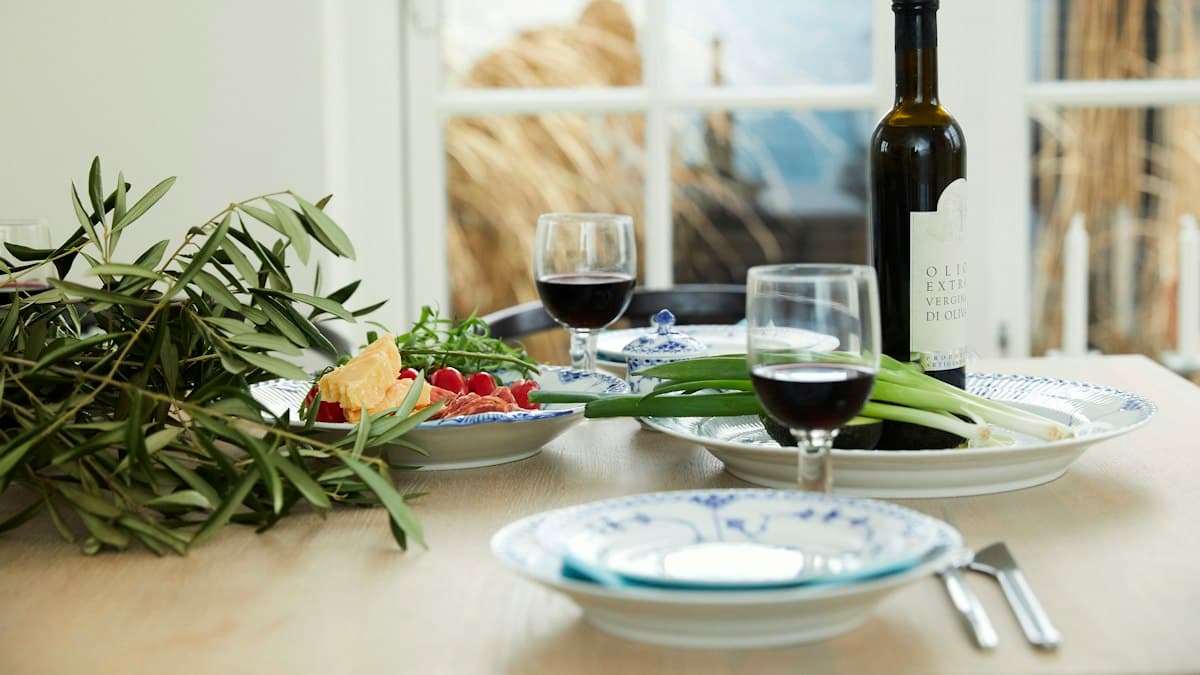
Pairing olive oil with chocolate is not a novelty act in serious food culture. In southern Italy and Andalusia, drizzling high-quality extra virgin olive oil over chocolate desserts — or alongside them — has long been an everyday gesture. On the surface the two foods seem to occupy opposite ends of the flavor map, yet they share a meaningful common ground: polyphenols. According to the International Olive Council (IOC), extra virgin olive oil contains a range of phenolic compounds including oleuropein and hydroxytyrosol, and it is these compounds that create the oil's characteristic bitter and pungent finish. Cacao is equally rich in flavanol-class polyphenols, so the bitterness of each food can either offset or reinforce the other's, generating a tasting experience that neither delivers alone.
The governing principle of the pairing is straightforward: match intensity with intensity, and delicacy with delicacy. As cacao percentage rises, so do the bitterness, acidity, and tannic grip of the chocolate — and the strength and flavor profile of the olive oil must be calibrated accordingly.
Dark Chocolate (70% Cacao and Above) — Intensity Meets Intensity
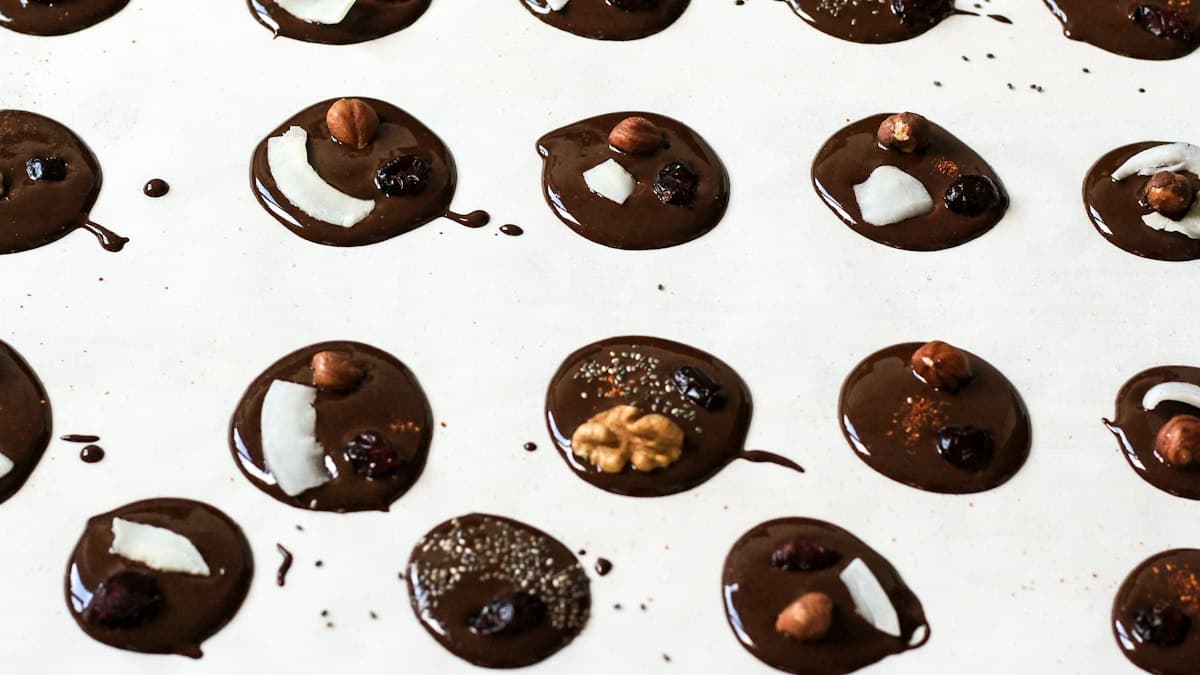
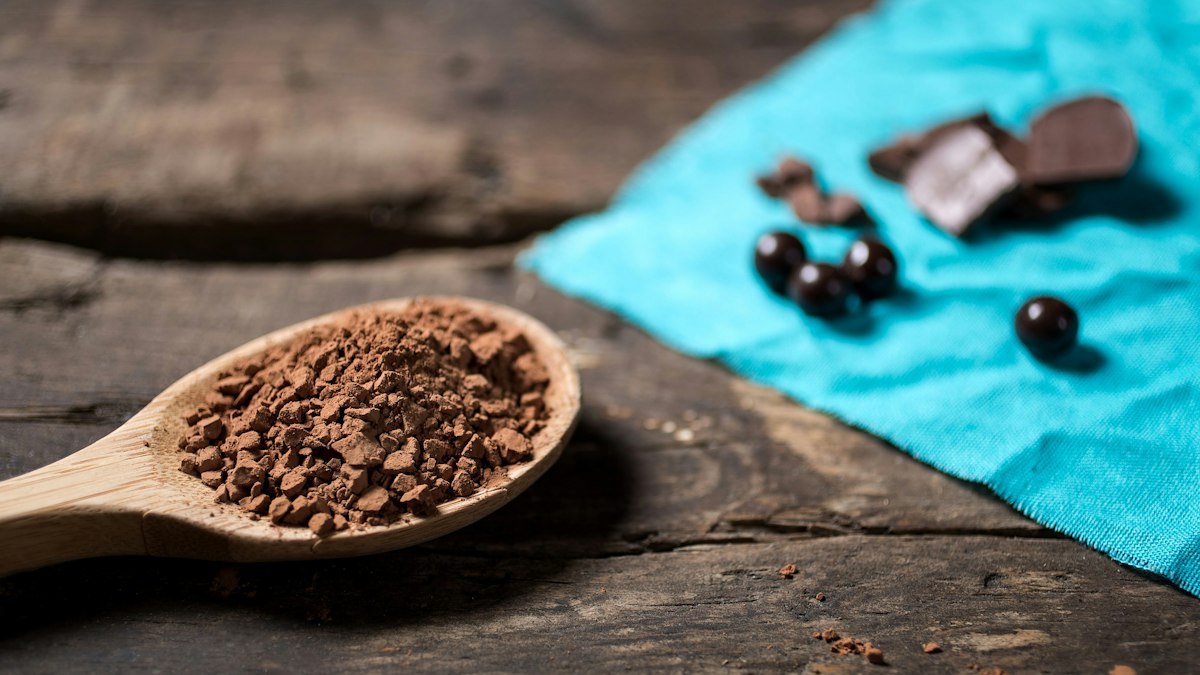
At 70% cacao and beyond, bitterness, acidity, and a heavy roasted character dominate. This is the territory for high-polyphenol extra virgin olive oils with a pronounced pungency and clear herbal or pepper notes. Picual is the benchmark cultivar here. It carries a distinctive weight of tomato leaf, green grass, and black olive, and when placed against the bitterness of dark chocolate it amplifies the complexity of both rather than softening either.
The recommended tasting method is to let a piece of chocolate melt slightly on the tongue, then place a small drop of oil directly onto it. As the cocoa butter releases and mingles with the oil, the fruity notes of the cacao and the green herbaceous character of the oil layer into a complex, extended finish. With chocolate at 85% cacao or above, the pungency of the oil has been reported to balance the tannins in such a way that the overall impression actually becomes smoother at the close.
Pairing tip: dark chocolate + a Picual-style oil + a pinch of fleur de sel. The salt moderates sweetness suppression and helps bring all three components into equilibrium.
Milk Chocolate (35–55% Cacao) — Medium-Intensity Fruit Is the Key
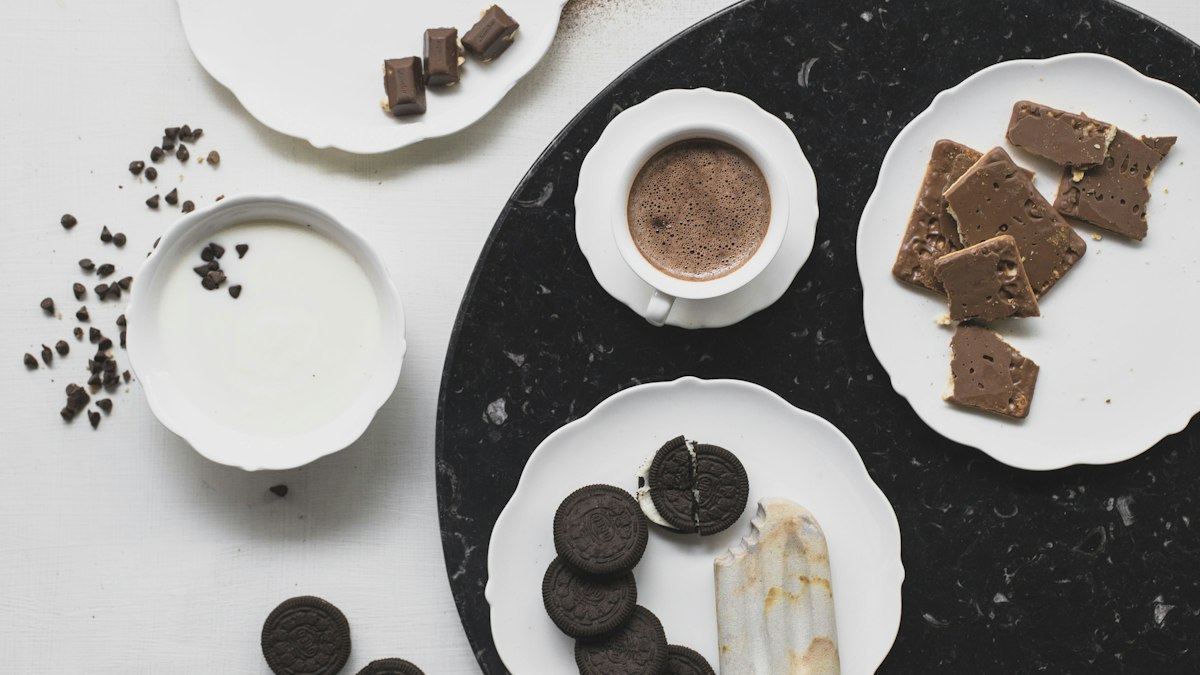
The addition of milk fat and sugar in milk chocolate rounds off cacao's harder edges, and creamy, sweet notes move to the foreground. A very assertive oil risks flattening this gentle character. Medium-intensity oils with apple, almond, and fresh artichoke notes — Ojiblanca or Arbequina-style — are the right fit.
Ojiblanca is distinguished by its low acidity and nutty fragrance, which align naturally with the caramel and vanilla notes typical of milk chocolate. According to the 2023 EVOOLEUM guide report, the Ojiblanca cultivar has drawn attention as a versatile pairing oil owing to the balance between its delicate fruitiness and mild pungency. Without pushing sweetness to excess, it blends naturally with the milk fat of the chocolate and contributes a velvet-like texture on the palate.
Using extra virgin olive oil to replace a portion of butter in a milk chocolate ganache is also a growing practice among pastry chefs — a substitution that adds flavor complexity while reducing the proportion of saturated fat in the recipe.
White Chocolate (Cocoa Butter–Based) — The Most Delicate Balance
White chocolate contains virtually no cacao solids. Composed of cocoa butter, sugar, and dairy, it is defined by sweetness, vanilla, and creaminess. On this delicate canvas, an assertive oil collapses the balance immediately. A very low-acidity oil with the subtle suggestion of green apple and almond skin — Sibarita being the ideal example — is the right partner for white chocolate.
Dropping a few milliliters of high-quality extra virgin olive oil onto a white chocolate bar and finishing with Maldon salt has become a popular format in specialty chocolate shops in Milan and Barcelona in recent years. The oil's green notes must be restrained enough that the chocolate's cream aroma survives. Oils with acidity below 0.2% tend to sit cleanly over the chocolate without introducing off-notes.
Used as a finishing drizzle on white chocolate mousse or panna cotta, olive oil can add depth of flavor without a sense of heaviness.
How Temperature and Serving Order Complete the Pairing
Temperature is a decisive variable in chocolate pairing. Chocolate releases its full range of aromas at room temperature — between 18 and 20 °C. Chocolate taken directly from the refrigerator suppresses surface aromatics significantly, weakening the dialogue with the oil. Similarly, olive oil that has been refrigerated becomes more viscous and aromatically closed; returning it to room temperature before use is strongly recommended.
Tasting order matters as well. Moving from lighter to more intense is the standard approach: white → milk → dark chocolate, with olive oil intensity following the same arc from delicate to robust. This progression allows the palate to open gradually so that the characteristics of each pairing register more clearly. Plain water or unflavored crackers between combinations give the palate room to reset.
A Practical Pairing Checklist
For anyone approaching this pairing for the first time, three criteria are worth keeping in mind. First, match intensity: the higher the cacao percentage, the more pungent and herbaceous the oil should be. Second, check acidity: lower-acidity oils introduce fewer off-notes and offer broader compatibility across chocolate types. Third, consider harvest timing: early-harvest olive oils carry stronger grassy, bitter notes, while late-harvest oils tend toward softer, more buttery character — making the latter a natural fit for milk and white chocolate. According to guidelines from the World Olive Oil Association (WOOA), early-harvest oils carry higher polyphenol levels and greater intensity, and this is described as creating a structure in which both flavors resonate with each other when paired with high-cacao chocolate.
The meeting of olive oil and chocolate goes beyond a novelty experiment: it is a way of exploring the diversity of origin, cultivar, and harvest practice that both foods embody simultaneously. Keeping tasting notes makes it considerably easier to design the next combination with greater precision.
Frequently asked questions
- Does olive oil actually taste good with chocolate?
- Yes — this is an established practice in southern Italy and Andalusia. The polyphenols in extra virgin olive oil and the flavanols in cacao share a bitter, complex character that can reinforce rather than clash, particularly when the intensity of the oil is matched to the cacao percentage.
- Which olive oil cultivar pairs best with dark chocolate?
- High-polyphenol, robustly pungent cultivars work best with dark chocolate above 70% cacao. Picual is a classic choice: its notes of tomato leaf, green grass, and black olive stand up to — and amplify — the tannins and roasted bitterness of high-cacao chocolate.
- What olive oil should I use with milk chocolate?
- A medium-intensity oil with apple, almond, or fresh artichoke notes — such as Ojiblanca or Arbequina — is ideal. Oils that are too pungent will overpower the creamy, caramel-vanilla character of milk chocolate.
- Can I drizzle olive oil over white chocolate?
- Yes, but the oil must be very delicate. Because white chocolate contains no cacao solids, its cream and vanilla aromas are easily overwhelmed. A low-acidity oil (below 0.2%) with subtle green-apple and almond shell notes — such as Sibarita — is the right choice. A few drops finished with Maldon salt is a format popular in specialty chocolate shops in Milan and Barcelona.
- Does serving temperature matter for this kind of pairing?
- It matters considerably. Chocolate releases its full aroma between 18 and 20 °C; refrigerated chocolate suppresses those aromatics and weakens the interaction with the oil. Olive oil stored in the refrigerator also thickens and closes aromatically, so both components should be at room temperature before a tasting session begins.
Related reading
- Cold Dishes, Full Flavor: Choosing Olive Oil for Gazpacho, Cold Pasta, and Chilled Salads
When heat is removed from the equation, olive oil has nowhere to hide. A guide to matching cultivar character, acidity, and polyphenol levels to gazpacho, cold pasta, and chilled salads.
- Matching Olive Oil Intensity to Your Ingredients: A Pairing Guide
Acidity and grade tell you whether an olive oil is good; intensity tells you where it belongs on the plate. This guide walks through the mild, medium, and intense tiers — and the cooking variables that shift the equation.
- Ciabatta, Sourdough, Focaccia: Matching Bread Character to Olive Oil Intensity
Ciabatta, sourdough, and focaccia each bring a distinct fermentation profile, crumb structure, and crust to the table. Matching olive oil intensity to bread character lets both ingredients amplify each other rather than compete.
- Guacamole, Tacos, and Olive Oil: A Pairing That Goes Back Centuries
From sixteenth-century Spanish missionaries to modern Latin kitchens in Mexico City, New York, and Los Angeles, extra virgin olive oil has long had a place at the Mexican table. This guide traces the history and explores how chefs are using it today.
- Butter Country No More: How Scandinavia Learned to Cook with Olive Oil
Olive oil is reshaping Nordic kitchens — from Copenhagen's Michelin-starred restaurants to Swedish home pantries. This guide traces how EVOO found its place alongside smoked fish, fermented rye, and root vegetables in one of the world's most distinctive food cultures.
- Pairing Olive Oil with Wine: A Guide to Matching Aromas, Bitterness, and Texture
Extra virgin olive oils differ markedly in acidity, bitterness, and fruitiness — and each profile calls for a different wine partner. This guide maps those sensory axes to white, red, and natural wines.