Table
A Drop of Gold: Olive Oil's Most Memorable Moments on Screen
From Italian neorealism to Greek wedding comedies, filmmakers across the Mediterranean have long used extra virgin olive oil as a visual language — one that communicates identity, belonging, and memory more directly than dialogue.
Translated from the Korean edition, originally published July 22, 2026 · read the original
Oil on Screen
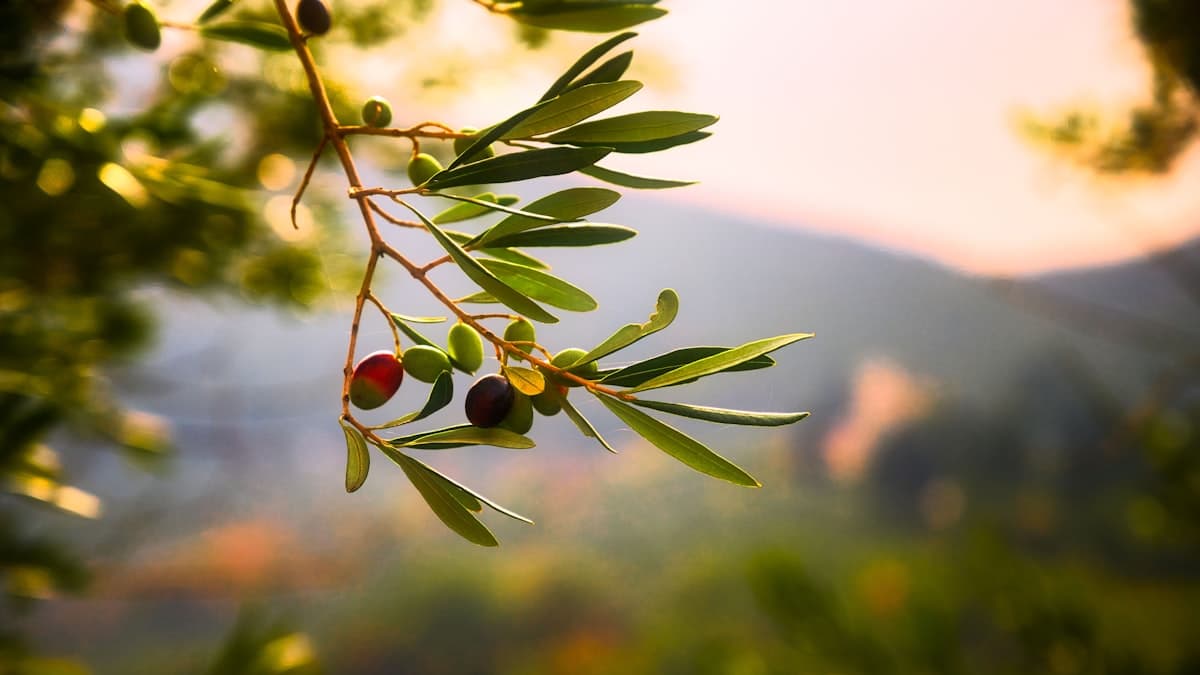
Cinema has long used food to carry emotion, and few ingredients have been granted a more deliberate role than olive oil in Mediterranean-set films. It appears not merely as a cooking medium but as a visual language: a signal of identity, of relationships, of the turning of seasons. The color as it pours from the bottle, the shimmer as it moves across a hot pan, the pace at which it sinks into bread — all of it becomes narrative in front of a camera.
According to the UNESCO Intangible Cultural Heritage list, the Mediterranean diet was officially inscribed in 2013. Interest in screen content exploring that food culture has grown steadily in the years since, and olive oil has remained at the symbolic center of it all.
The Kitchen as a Stage: Italian Cinema's Table Stories
From the neorealist era onward, the Italian kitchen has functioned in film as a space for reading class and feeling. In Vittorio De Sica's work, a small bottle of olive oil could serve simultaneously as a sign of abundance and as evidence of its absence. Whether or not it sat on a poor family's table was itself a story.
Moving into more recent decades, Gabriele Salvatores's Mediterraneo (1991) follows Italian soldiers stranded on a Greek island who slowly find common ground with the local community. In its shared-meal sequences, olive oil operates as the thing that dissolves borders: even without a common language, dipping bread into the same oil creates a kind of trust. The film won the Academy Award for Best Foreign Language Film, and it is frequently cited as a prime example of how Mediterranean food culture can function as a powerful narrative resource.
Greece, Turkey, Spain: Scenes Rooted in Their Origins
My Big Fat Greek Wedding (2002) built much of its comedy around olive oil as a near-universal household remedy, with the protagonist's father reaching for it at every conceivable crisis. The joke lands precisely because it captures something real about the cultural standing of olive oil in Greek domestic life. According to Box Office Mojo data, the film grossed approximately $368 million worldwide, and it is widely credited with raising Western audiences' interest in Greek food culture.
Among Spanish filmmakers, Pedro Almodóvar's camera returns frequently to Madrid kitchens in motion. In All About My Mother (1999), a scene of a character frying a tortilla — spreading Spanish Extra Virgen–grade olive oil across the pan — has been read by film critics as a visual signal of that character's inner steadiness, the domestic act serving as emotional shorthand.
In Turkish cinema, Nuri Bilge Ceylan's unhurried eye occasionally settles on the Aegean coastline, where olive groves define the landscape. When that setting appears, a bottle of oil becomes a quiet object that connects land and person without requiring explanation.
The Documentary Lens: Inside the Real Oil
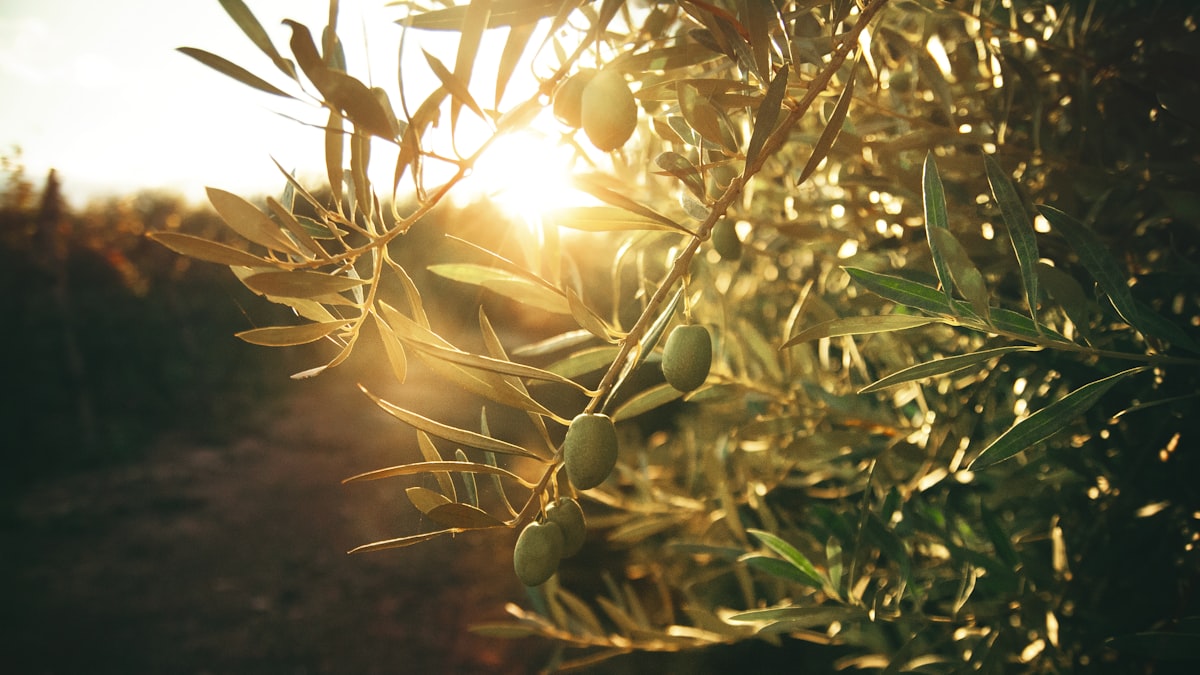
Beyond fiction, the documentary genre has found olive oil to be a compelling subject. As streaming platforms including Netflix expanded their food documentary offerings, productions foregrounding EVOO multiplied. The Extra Virgin series, produced by Italian public broadcaster RAI and released in 2019, filmed the complete arc from olive harvest through pressing and quality assessment, offering viewers an inside look at the EVOO industry.
According to International Olive Council (IOC) data, approximately 75% of global extra virgin olive oil production comes from Spain, Italy, and Greece. That concentration helps explain why those three countries' kitchen scenes are so consistently organized around olive oil: origin and culture determine the language of the screen.
Why Food Always Looks Better in the Movies
Food stylists and cinematographers favor extra virgin olive oil for reasons that are straightforward to explain. Its color — occupying a range between gold and green — reads especially rich under natural light when captured on a lens. Its viscosity is suited to slow-motion shooting, and its aroma is known on set to prompt genuine reactions from actors without any direction.
According to a 2022 feature report in the food styling trade publication Mise en Place, olive oil ranked as the single most commonly used food prop in Mediterranean-set productions surveyed. The same report found that 68% of the directors questioned said the actual quality of the olive oil mattered when shooting those scenes — the reasoning given was that real EVOO looks authentic on camera in a way that substitutes do not.
What One Drop Carries
Olive oil in cinema is not a cooking fat. It is the memory of a place, the language of a family, sometimes a gesture of reconciliation. An olive culture that has continued along the Mediterranean coast for thousands of years is being circulated in a new form through the medium of contemporary film. When an audience watches a single drop of oil sink slowly into bread, they are not simply watching someone cook — they are absorbing something of the land and the time that produced it.
OLEA will continue to explore the cultural contexts and sensory stories that surround extra virgin olive oil.
Frequently asked questions
- Which movies feature olive oil in a meaningful way?
- Several Mediterranean films use olive oil as more than a prop. Mediterraneo (1991), directed by Gabriele Salvatores and winner of the Academy Award for Best Foreign Language Film, features shared oil-and-bread scenes as a trust-building gesture between Italian soldiers and Greek islanders. My Big Fat Greek Wedding (2002) turns olive oil into a running joke about its cultural centrality in Greek households. Pedro Almodóvar's Spanish films frequently frame olive oil use in the kitchen as a character signal.
- Why does olive oil look so good on camera?
- Food stylists and cinematographers favor extra virgin olive oil because its color — somewhere between gold and green — reads especially rich under natural light. Its viscosity makes it flow slowly enough for slow-motion shots, and its aroma tends to produce genuine reactions from cast members. According to a 2022 feature report in the food styling trade publication Mise en Place, olive oil ranked as the most frequently used food prop in Mediterranean-set productions.
- What did the Mise en Place report actually find about olive oil in film?
- The 2022 feature report in Mise en Place found that extra virgin olive oil was the single most common food prop in Mediterranean-set films surveyed. It also reported that 68% of the directors questioned said the actual quality of the olive oil mattered to them when shooting those scenes — the reasoning being that real EVOO looks real on camera in a way that substitutes do not.
- Are there documentaries specifically about olive oil production?
- Yes. The Extra Virgin series, produced by Italian public broadcaster RAI and released in 2019, followed the full journey from olive harvest through pressing and quality grading, giving viewers an inside look at the EVOO industry. Streaming platforms have expanded the food documentary genre considerably, and olive oil has become a recurring subject. According to International Olive Council (IOC) data, approximately 75% of the world's extra virgin olive oil is produced in Spain, Italy, and Greece — which helps explain why those three countries' kitchen scenes are so consistently oil-centered on screen.
- When was the Mediterranean diet recognized by UNESCO, and why does it matter for film?
- According to the UNESCO Intangible Cultural Heritage list, the Mediterranean diet was officially inscribed in 2013. Since then, interest in screen content exploring Mediterranean food culture has grown steadily. Olive oil sits at the symbolic center of that culture, and its prominence in film — both fiction and documentary — reflects that recognition.
Related reading
- Hummus, Shakshuka, Sabich: How Israeli Cooking Uses Olive Oil at Every Layer
From the finishing pour on hummus to the base of a shakshuka and the layered construction of a sabich, olive oil functions as a primary ingredient on the Israeli table — not a neutral medium. This guide traces how Levantine culinary tradition treats the oil itself as the point.
- 5,000 Years in a Bottle: From Minoan Crete to EU Regulation
The golden oil first pressed by Minoan hands on Crete passed through Egyptian tombs, Roman amphoras, and medieval monasteries before arriving at the legal frameworks that govern every bottle on the shelf today. A guide to olive oil's full arc of history.
- Walnuts, Almonds, Pine Nuts: Pairing Three Nuts with EVOO
Extra virgin olive oil and nuts share a common language of unsaturated fats — and that structural kinship shapes how their flavors interact. A closer look at what happens when walnuts, almonds, and pine nuts meet EVOO on the plate.
- Sacred Oil: Olive Oil's Ancient Role in Orthodox and Catholic Ritual
For thousands of years, Orthodox and Catholic traditions have placed olive oil at the center of baptism, anointing, and consecration rites. This is the story of how a pressed fruit became the Mediterranean world's most enduring sacred substance.
- Caponata, Arancini, Granita: How Sicily Uses Olive Oil at Every Stage of a Meal
In Sicily, olive oil is not a condiment—it is the structural language of the kitchen. From the slow soffritto that opens a caponata to the finishing drizzle that closes it, the island's cooks assign oil a precise role at every moment of cooking.
- Ciabatta, Sourdough, Focaccia: Matching Bread Character to Olive Oil Intensity
Ciabatta, sourdough, and focaccia each bring a distinct fermentation profile, crumb structure, and crust to the table. Matching olive oil intensity to bread character lets both ingredients amplify each other rather than compete.
Tags
- culture
- cinema
- mediterranean
- extra virgin olive oil
- food history