Table
Five Olive Oil Museums Worth Building a Trip Around
From the silver-green hills of Jaén to the stone-walled pressing houses of Crete and Portugal's Alentejo plains, five museums around the world turn the history of olive oil into something you can see, smell, and taste.
Translated from the Korean edition, originally published July 22, 2026 · read the original

Going Somewhere Just to Look at Olive Oil
If you think of olive oil purely as a pantry condiment, the world's olive museums will correct that impression quickly. Olive cultivation has been woven into Mediterranean civilisation for thousands of years — not simply as a food source but as a medium of religion, trade, ritual and art. According to UNESCO, the Mediterranean diet was inscribed on the Representative List of the Intangible Cultural Heritage of Humanity in 2010, with olive oil at its symbolic centre. The five spaces below let you experience that history through every sense.
Jaén, Spain — A Museum at the Heart of the World's Largest Producing Region
Jaén, in Spain's Andalusia region, is responsible for roughly 20 percent of global olive oil output. According to Interprofesional del Aceite de Oliva Español, approximately 66 million olive trees grow within the province alone, coating its hills and plains in silver-green.
The city's Museo del Aceite de Oliva traces the full arc of pressing technology — from intact Roman-era stone mills through the large monastic grinding wheels of the 18th century to the industrial centrifuges in use today. A tasting station at the end of the tour lets visitors compare extra virgin olive oils side by side by cultivar, including Picual and Arbequina, learning to distinguish their very different aromatic and flavour profiles. A viewing terrace overlooking an unbroken sea of olive groves means the museum itself becomes part of the landscape.
Crete, Greece — Holding the Memory of the Aegean
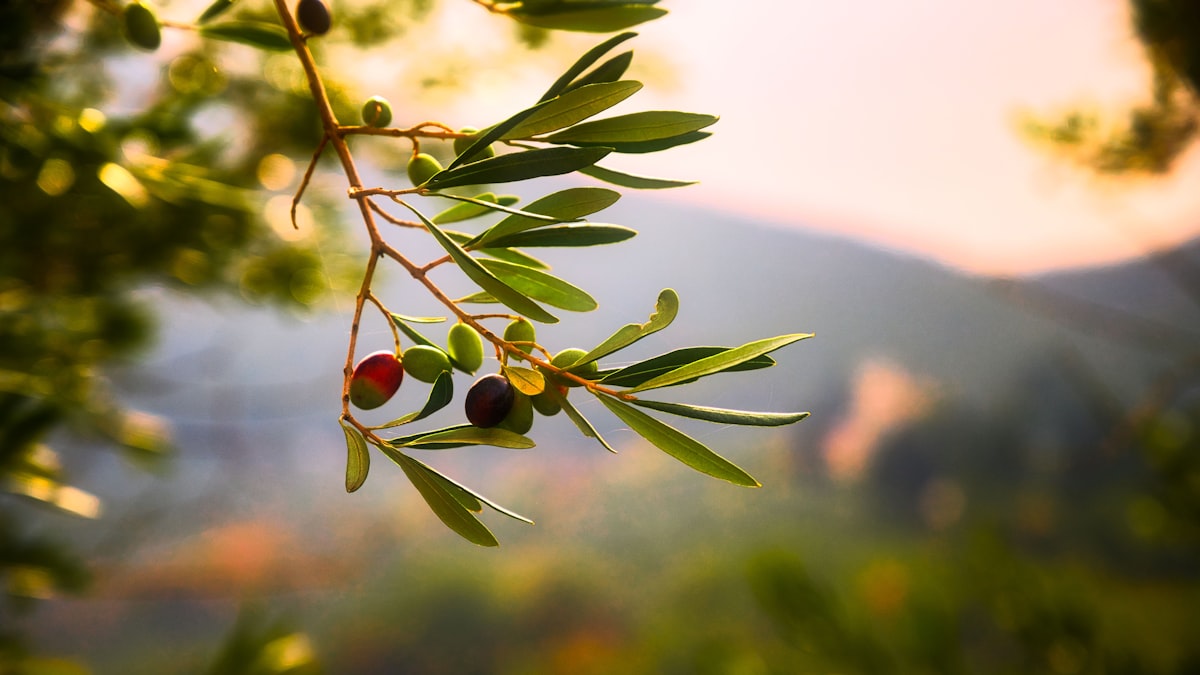
Crete is among the oldest olive-cultivating territories on earth. According to Greece's Ministry of Culture, olive seed fossils excavated on the island date back approximately 50,000 years, and numerous artefacts confirm that olive oil served as both currency and ritual offering during the Minoan civilisation (approximately 2700–1450 BCE).
The Museum of Cretan Olive Oil Production occupies a 19th-century stone pressing house in the Spahli area, preserved entirely in its original form before being converted into a museum space. Inside, the timber-supported stone press remains exactly where it was installed; lighting and sound design layer multimedia reconstructions over it, recreating pressing scenes from millennia past. The most striking first impression, though, is the olive tree — more than 200 years old — that has grown up through the outer wall and become structurally inseparable from the building itself.
Tuscany, Italy — Home of the Masters
Tuscany occupies a near-mythological place in the imagination of olive oil enthusiasts. The Museo dell'Olio di Oliva, located outside Lucca, grew from a family farming estate that has operated continuously since the 1830s, now in its fifth generation. According to an International Olive Council (IOC) report, Italy ranks third in global olive oil production after Spain and Greece, and Tuscany has built a particularly distinctive flavour identity through the blending of three cultivars: Frantoio, Leccino and Moraiolo.
A pair of large 18th- and 19th-century stone molini — traditional grinding wheels — anchor the central exhibition hall, surrounded by a chronological display of pressing tools, storage vessels and label history. A separate annex hosts reservation-based tasting classes designed to teach visitors the sensory triangle that defines quality extra virgin olive oil: fruitiness, bitterness and pungency in balance.
Sfax, Tunisia — A Hub of North African Olive Civilisation
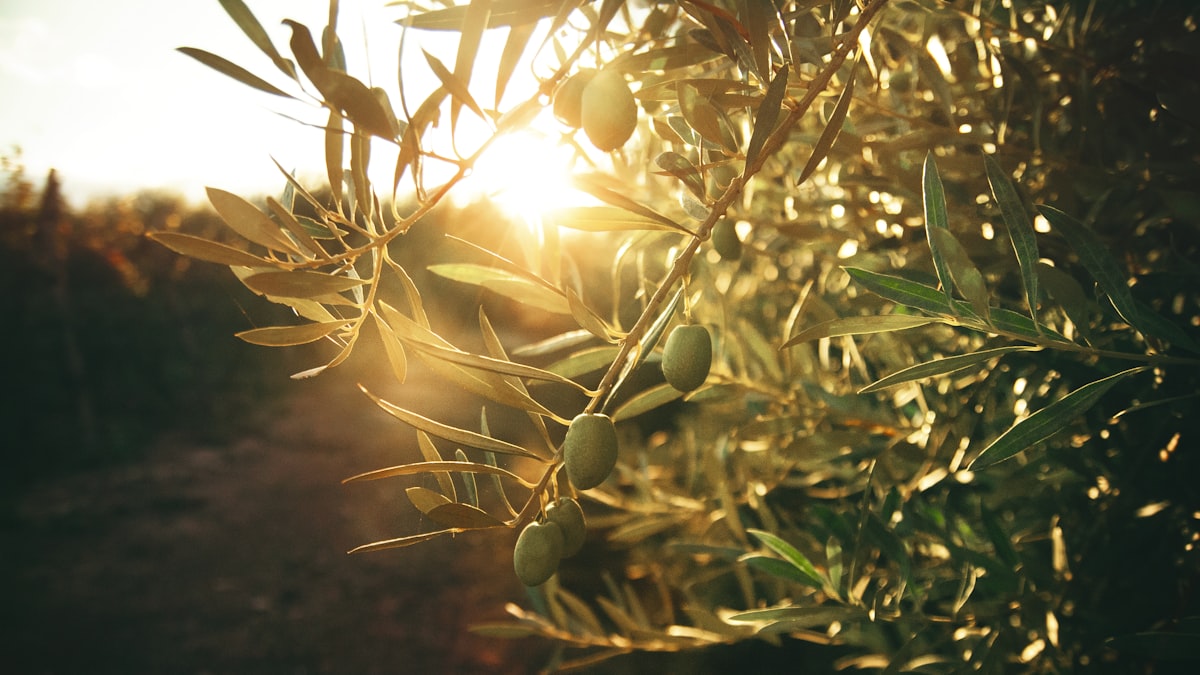
On the southern shore of the Mediterranean, the ancient site of Sbeitla near Sfax ranks among the most significant Roman-era olive oil production complexes ever excavated. Sbeitla appears on UNESCO's Tentative World Heritage List and illustrates the scale of olive pressing infrastructure the Roman Empire constructed across North Africa between the 2nd and 4th centuries CE. According to Tunisia's Institut National du Patrimoine (INP), more than 100 olive press installations have been confirmed at Sbeitla alone.
The Musée de l'Huile in the city of Sfax is a dedicated museum built around this ancient production culture. Moving through its galleries in sequence, visitors encounter Roman amphorae used for storage and export, Arab-era pressing equipment, and Ottoman-period commercial records — three successive civilisations' engagement with olive oil contained within a single building. For travellers interested in the North African branch of the wider olive oil world, it is an essential stop.
Alentejo, Portugal — Where the Quiet Fields Are the Museum
Portugal's Alentejo region is known for its unhurried landscapes of cork forest and olive grove. In the town of Moura, the Museu do Azeite occupies an 18th-century manor house and its attached pressing facility, now reimagined as a combined cultural and educational space. According to Portugal's Directorate-General of Agriculture and Rural Development (DGADR), Alentejo accounts for more than 60 percent of the country's total olive oil production, with the native Galega cultivar remaining its defining variety.
Inside, the pressing machinery, exhibition rooms and an open kitchen connect organically, so visitors move between observation and participation rather than simply viewing displays. A November or December visit — during the harvest — allows close observation of the pressing process in real time, followed by tasting freshly extracted oil with bread. Half-day walking tours through the neighbouring olive groves round out what amounts to as thorough an introduction to olive culture as you will find anywhere in Europe.
What These Museums Are Actually Saying
Five buildings, five languages, five very different landscapes — and a single shared argument. Olive oil is not a bottle of fat. It is the outcome of thousands of years of a particular relationship between human communities and the land they tend. The capacity to pick up a bottle and imagine the geography, the climate, the cultivars, and the hands that pressed it — that sensory literacy is exactly what spaces like these are built to develop. The Mediterranean habit of drinking olive oil rather than merely cooking with it makes complete sense once you understand the depth of history it carries.
Frequently asked questions
- Where is the best olive oil museum in Spain?
- The Museo del Aceite de Oliva in Jaén, Andalusia, is widely regarded as the standout. Jaén accounts for roughly 20 percent of global olive oil production, according to Interprofesional del Aceite de Oliva Español, and the museum traces pressing technology from Roman-era mills to modern centrifuges, finishing with a cultivar-by-cultivar tasting of Picual, Arbequina and others.
- Is there an olive oil museum in Greece?
- Yes. The Museum of Cretan Olive Oil Production on Crete occupies a 19th-century stone pressing house that has been preserved intact. Multimedia installations recreate ancient pressing scenes inside a building whose outer walls are intertwined with olive trees more than 200 years old.
- Which olive oil museum offers hands-on tasting classes?
- The Museo dell'Olio di Oliva near Lucca, Tuscany, runs reservation-based tasting classes in an annex where visitors learn to identify the sensory benchmarks of quality extra virgin olive oil — fruitiness, bitterness and pungency — using oils produced on the same family estate that has operated the site since the 1830s.
- What makes Tunisia's olive oil heritage significant?
- The ancient site of Sbeitla, near Sfax, contains more than 100 confirmed olive press installations dating to the 2nd–4th centuries CE, according to Tunisia's Institut National du Patrimoine (INP). The Musée de l'Huile in Sfax uses Roman amphorae, Arab-era pressing tools and Ottoman commercial records to chart three successive civilisations' relationship with olive oil in a single building.
- When is the best time to visit the olive oil museum in Portugal's Alentejo?
- November and December are ideal. The Museu do Azeite in Moura is open year-round, but a harvest-season visit lets you watch the pressing process live and taste freshly extracted oil with bread on the spot. Alentejo produces more than 60 percent of Portugal's olive oil, according to Portugal's Directorate-General of Agriculture and Rural Development (DGADR), with the native Galega cultivar at its heart.
Related reading
- Caponata, Arancini, Granita: How Sicily Uses Olive Oil at Every Stage of a Meal
In Sicily, olive oil is not a condiment—it is the structural language of the kitchen. From the slow soffritto that opens a caponata to the finishing drizzle that closes it, the island's cooks assign oil a precise role at every moment of cooking.
- Hummus, Shakshuka, Sabich: How Israeli Cooking Uses Olive Oil at Every Layer
From the finishing pour on hummus to the base of a shakshuka and the layered construction of a sabich, olive oil functions as a primary ingredient on the Israeli table — not a neutral medium. This guide traces how Levantine culinary tradition treats the oil itself as the point.
- Three Meals a Day with EVOO: Inside the Spanish Home Kitchen
In Spanish households, extra-virgin olive oil is not reserved for special occasions — it appears at breakfast, anchors the midday sofrito, and finishes the evening plate. A look at how that daily rhythm works, and what it might mean for any table.
- 5,000 Years in a Bottle: From Minoan Crete to EU Regulation
The golden oil first pressed by Minoan hands on Crete passed through Egyptian tombs, Roman amphoras, and medieval monasteries before arriving at the legal frameworks that govern every bottle on the shelf today. A guide to olive oil's full arc of history.
- Walnuts, Almonds, Pine Nuts: Pairing Three Nuts with EVOO
Extra virgin olive oil and nuts share a common language of unsaturated fats — and that structural kinship shapes how their flavors interact. A closer look at what happens when walnuts, almonds, and pine nuts meet EVOO on the plate.
- Sacred Oil: Olive Oil's Ancient Role in Orthodox and Catholic Ritual
For thousands of years, Orthodox and Catholic traditions have placed olive oil at the center of baptism, anointing, and consecration rites. This is the story of how a pressed fruit became the Mediterranean world's most enduring sacred substance.
Tags
- olive oil culture
- food travel
- olive oil history
- mediterranean
- museums