Table
Three Meals a Day with EVOO: Inside the Spanish Home Kitchen
In Spanish households, extra-virgin olive oil is not reserved for special occasions — it appears at breakfast, anchors the midday sofrito, and finishes the evening plate. A look at how that daily rhythm works, and what it might mean for any table.
Translated from the Korean edition, originally published July 6, 2026 · read the original
How Much Olive Oil Do Spanish Households Actually Use
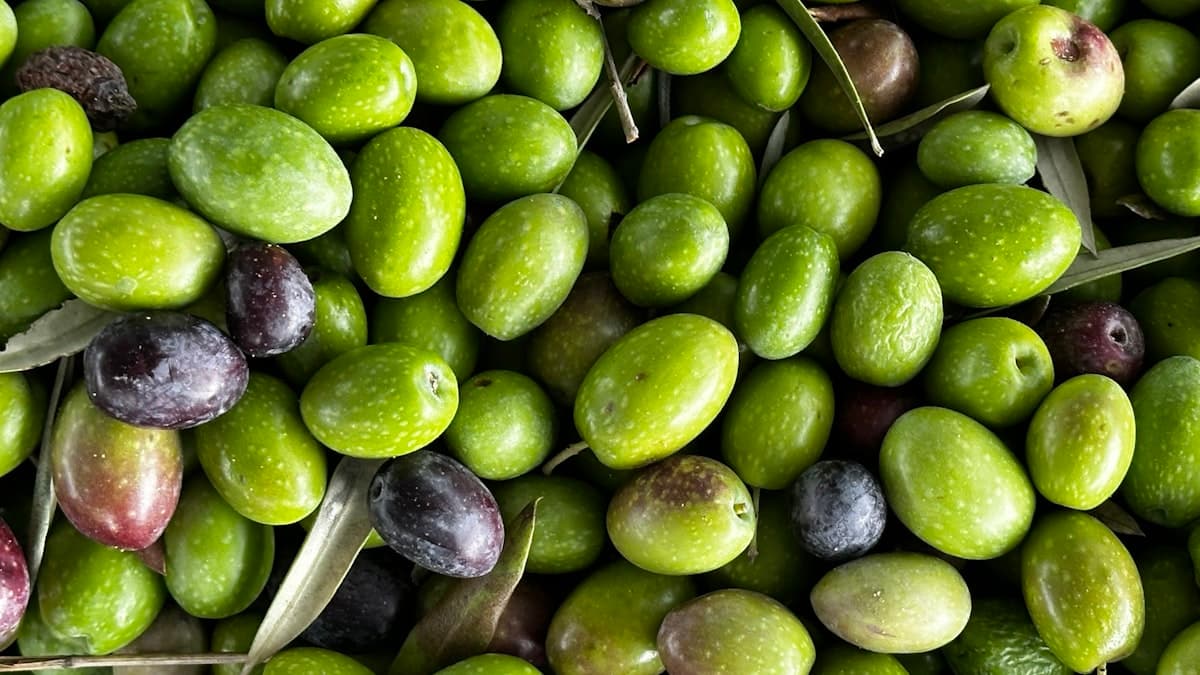
Spain is the world's largest olive oil producer and one of its biggest consumers. According to the International Olive Council (IOC), Spain accounts for roughly 40–45% of global olive oil supply each year, and per-capita consumption stands at around 10 litres annually. The sheer scale of that figure is easier to grasp through use than through statistics: in a Spanish home, olive oil is not a finishing touch saved for salads. It is the fat that carries breakfast, builds the midday base, and completes the evening plate.
What makes the culture remarkable is not the volume but the density of application. The same ingredient appears at the morning toast, in the lunchtime lentil stew, and as the final drizzle over roasted vegetables at dinner. Few pantry staples earn a place at all three meals.
Breakfast: Pan Tostada and the Morning Drizzle
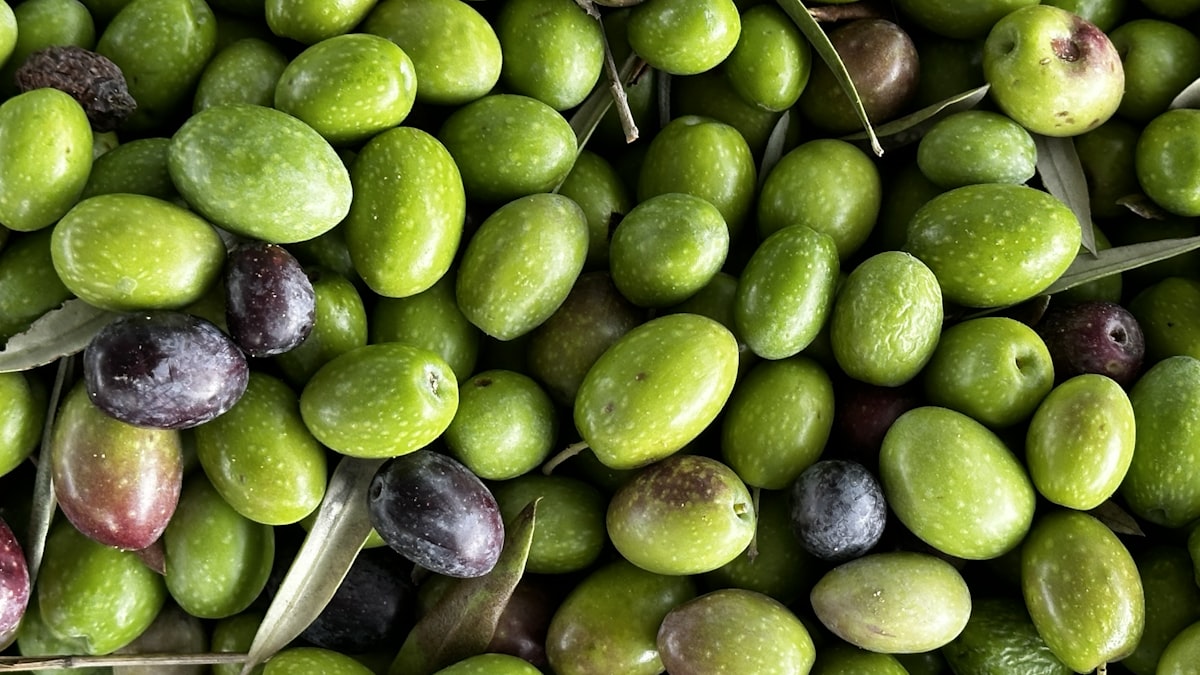
The canonical Spanish breakfast is pan tostada — bread toasted until crisp, then rubbed with a cut tomato, drizzled generously with extra-virgin olive oil (EVOO), and finished with a pinch of salt. Nothing else is required. In Andalusia the combination goes by pan con tomate y aceite; in Catalonia the equivalent is pa amb tomàquet. Together they represent the two pillars of Spanish breakfast culture.
Because the dish is so spare, the character of the oil is fully exposed. Andalusian home cooks are known to favour the Ojiblanca cultivar for this purpose: its abundant fruit notes and gentle bitterness complement the sweetness of ripe tomato without overpowering it. A heavier, more intensely peppery oil can tilt the balance, which is why cultivar awareness begins, for many Spanish families, at the breakfast table.
The Midday Anchor: Sofrito and Temperature Control
Lunch is the main meal of the Spanish day, and at its centre, more often than not, is sofrito — onion, garlic and tomato cooked slowly in EVOO over a low flame until they collapse into a sweet, concentrated sauce. Sofrito is the foundation of paella, fish stews, bean soups and dozens of other dishes.
Getting it right is a matter of temperature discipline. Spanish culinary researchers generally recommend keeping the heat at around 100–120 °C, allowing the vegetables to soften gradually rather than colour quickly. EVOO's smoke point has been reported at 190–210 °C for quality oils, according to IOC guidelines, which means it performs comfortably at the moderate temperatures sofrito demands. Whether EVOO remains equally stable in high-heat frying depends on the oil's acidity and overall quality, and it would be too early to generalise.
Once made, a batch of sofrito often lasts a Spanish household the better part of a week, stored in a sealed container in the refrigerator and pulled out as a ready base. That built-in efficiency is one reason EVOO consumption accumulates so naturally across the week.
Cold Soups: Gazpacho and Ajoblanco
In summer, the centrepiece of the Spanish midday table is often a chilled soup. Gazpacho — tomatoes, cucumber, pepper, garlic, bread, vinegar and EVOO blended together — is the version the world knows best. Inside the bowl, olive oil acts as an emulsifier, giving the soup body and sheen; a final drizzle over the surface adds aroma at the moment of serving.
Less famous internationally but arguably more prized among Spanish food enthusiasts is ajoblanco, a white chilled soup from the Málaga region made from almonds, garlic, bread, vinegar, water and EVOO alone. Because the almond is the dominant flavour, local cooks tend to reach for a gentler, softer oil rather than an assertive Picual. Served with grapes or melon alongside, ajoblanco sets the grassy, slightly peppery notes of the oil against the fruit's sweetness — a layered contrast that showcases what a well-chosen EVOO can do in an uncooked context.
Evening and Tapas: When EVOO Becomes the Finish
Spanish dinners run lighter. A few tapas, grilled or roasted vegetables, perhaps a piece of cheese — and olive oil used not as a cooking medium but as aceite de acabado, the finishing oil. Grilled aubergine and courgette get a thin thread of EVOO across the surface; a plate of white beans might receive a generous pool of it. Many Spanish households maintain two bottles: a less expensive EVOO for everyday cooking and a premium single-cultivar oil — with harvest date and estate clearly labelled — reserved for finishing.
This two-tier practice travels well beyond Spain. A swirl of EVOO over a bowl of doenjang jjigae or a line of oil across pan-fried tofu are approaches that have already attracted attention as ways to carry the finishing-oil idea into entirely different culinary traditions.
How Spanish Consumers Read a Bottle
Three criteria shape purchasing decisions for EVOO-literate Spanish shoppers. The first is acidity. The IOC sets the maximum free fatty acid content for EVOO at 0.8%, but among Spanish enthusiasts, anything below 0.2% tends to be regarded as the real premium threshold — lower acidity indicating fresher oil in which the olive's own aromatics are better preserved.
The second is harvest timing. Early-harvest oils, labelled Cosecha Temprana and pressed from olives still green on the branch, carry higher polyphenol concentrations and a more pronounced bitter-peppery profile. IOC research has reported that polyphenols contribute to the oxidative stability of olive oil — though the broader implications for human health remain an active area of study and it is too early to draw firm conclusions.
The third is single-cultivar labelling. A bottle that names its cultivar — Ojiblanca, Sibarita, Picual, Koroneiki, Arbequina — signals both flavour transparency and supply-chain traceability, both of which Spanish consumers increasingly expect.
The quiet richness of Spanish home cooking rests, in the end, on familiarity with ingredients rather than complicated technique. A well-chosen bottle of EVOO on the kitchen shelf is a small but genuine step toward that same confidence at any table.
Frequently asked questions
- How much olive oil do people in Spain actually consume per year?
- According to the International Olive Council (IOC), Spain produces roughly 40–45% of the world's olive oil supply, and per-capita consumption runs at around 10 litres per year — making olive oil a genuine daily staple rather than a condiment.
- What is pan tostada and why does olive oil matter so much in it?
- Pan tostada is Spain's classic breakfast: toasted bread rubbed with ripe tomato, generously drizzled with extra-virgin olive oil, and finished with a pinch of salt. Because the dish has so few ingredients, the character of the EVOO — its fruitiness, bitterness and pepper — is fully exposed, making quality the deciding factor.
- Can you use extra-virgin olive oil for sofrito and other cooked sauces?
- Yes. Spanish cooks typically prepare sofrito at 100–120 °C, well below the smoke point of EVOO, which has been reported at 190–210 °C for quality oils according to IOC guidelines. At those moderate temperatures, EVOO is considered stable, though stability in high-heat frying can vary depending on acidity and overall quality.
- What is ajoblanco, and which olive oil works best in it?
- Ajoblanco is a chilled white soup from the Málaga region, made from almonds, garlic, bread, vinegar, water and EVOO. Local cooks generally prefer a softer, more delicate oil over an intensely peppery variety such as Picual, so that the almond base comes through cleanly. It is traditionally served with grapes or melon.
- How do Spanish consumers choose a good bottle of extra-virgin olive oil?
- Three criteria matter most. First, acidity: while the IOC sets the EVOO ceiling at 0.8% free fatty acids, Spanish enthusiasts tend to treat 0.2% or below as the benchmark for premium quality. Second, harvest timing: early-harvest oils (Cosecha Temprana), pressed from still-green olives, are associated with higher polyphenol content and greater oxidative stability, as reported in IOC research. Third, single-cultivar labelling, which signals both flavour character and traceability.
Related reading
- The Mediterranean Art of Oil Poaching Fish: Ratios, Temperatures, and Cultivar Pairings
Oil poaching — gently cooking fish submerged in olive oil at low heat — is a cornerstone technique of Mediterranean kitchens. This guide covers everything from choosing the right EVOO to precise temperature ranges and the oil ratios that make the difference.
- EVOO in the Italian Home Kitchen: A Long History in Baking and Pastry
Extra virgin olive oil is widely known as a finishing oil, but Italian home cooks have long relied on it in baking and pastry. From focaccia dough to apple cake batter, here is how EVOO earns its place in the oven.
- From Omakase to Home Table: How the Fine-Dining-at-Home Trend Is Reshaping the Pantry
A growing appetite for restaurant-grade experiences at home is pushing premium pantry staples—Spanish single-varietal EVOO chief among them—out of professional kitchens and onto domestic shelves.
- Value Over Price: How Korea's Gift Market Is Embracing European Premium Pantry Staples
Korea's seasonal gift market is shifting its center of gravity from expensive to meaningful, with naturalist private-label ranges and European premium ingredients — including EVOO — moving from novelty to expectation.
- Spring Greens Meet EVOO: A Pairing Guide for the Season's First Harvest
From bitter aralia shoots to sweet spring cabbage, Korea's earliest seasonal greens reveal an unexpected affinity with extra virgin olive oil. This guide matches cultivar by cultivar and explains how to use EVOO at every stage of the spring kitchen.
- Korean Holiday Cooking Meets EVOO: A Practical Kitchen Guide
Sesame oil has long ruled the Korean festive kitchen, but extra virgin olive oil is quietly earning a place beside it. This guide covers which holiday dishes benefit most from EVOO, how to blend the two oils, and how to keep a bottle in good condition through a long cooking day.
Tags
- spanish cuisine
- evoo
- home cooking
- mediterranean diet
- olive oil culture