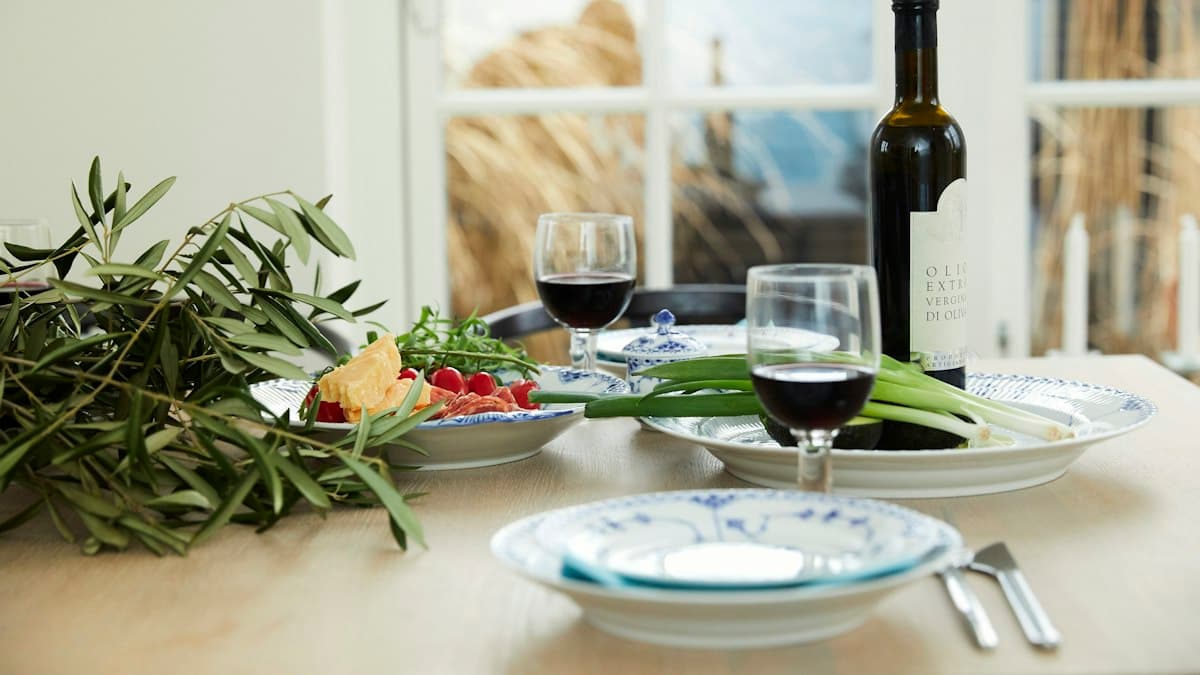
Table
Horiatiki: The Greek Salad Where a Drizzle of EVOO Does Everything
Greece's classic village salad skips the dressing entirely, finishing with nothing but extra virgin olive oil. A closer look at why that single gesture works — and what it reveals about Mediterranean food culture.
Translated from the Korean edition, originally published July 7, 2026 · read the original
A Salad Bold Enough to Skip the Dressing
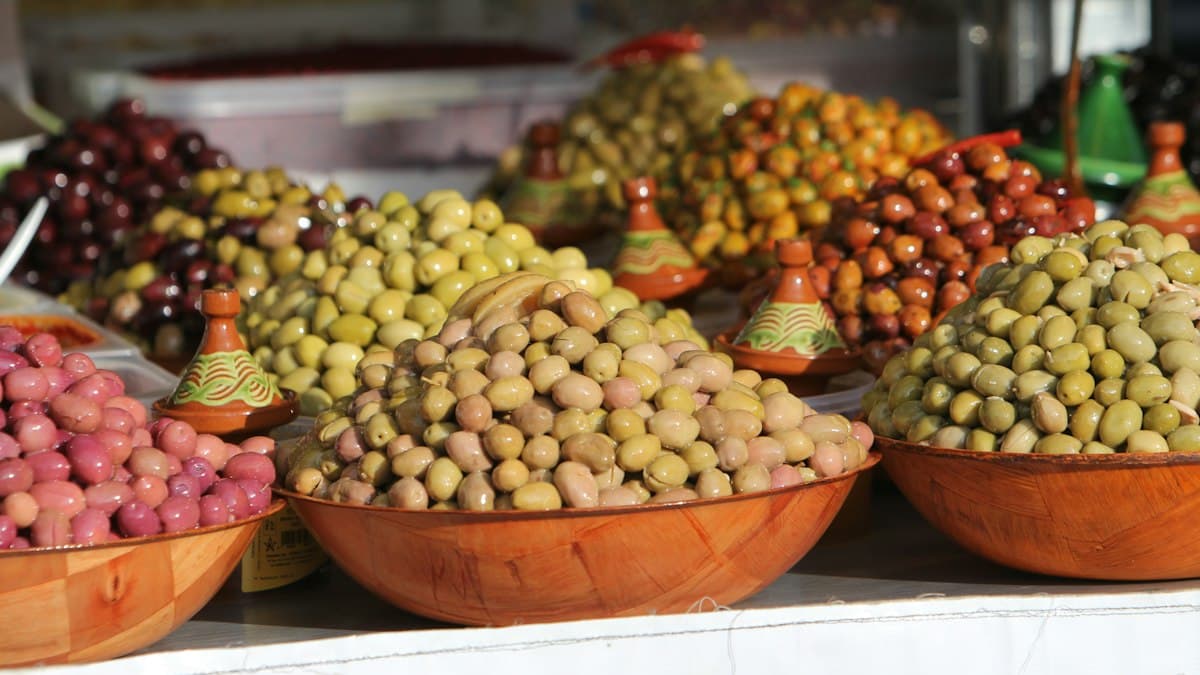
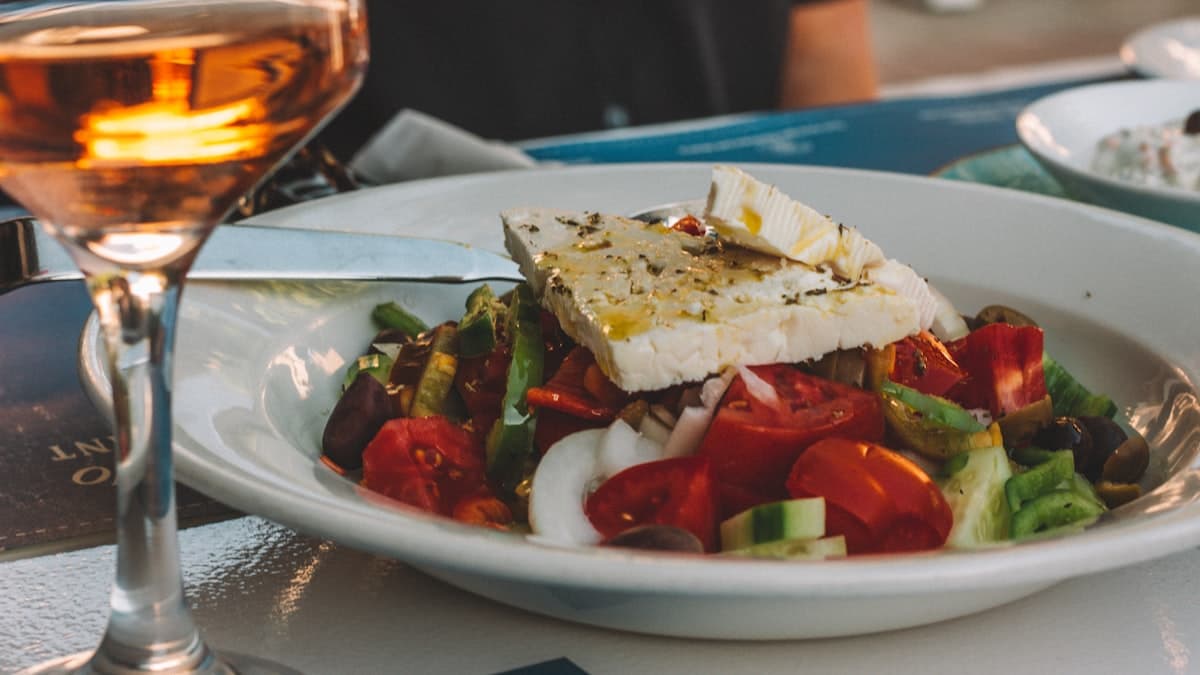
On kitchen tables and restaurant counters across Greece, horiatiki (Χωριάτικη) — the name translates simply as 'village salad' — arrives without a vinaigrette. Tomatoes, cucumber, green pepper, red onion, Kalamata olives and a slab of feta come together, and the seasoning stops there: a pinch of coarse salt, a scatter of dried oregano, and a generous pour of extra virgin olive oil (EVOO). That is the whole formula.
The simplicity is principled, not accidental. As food researcher Diane Kochilas explains in The Glorious Foods of Greece, horiatiki is the dish that best illustrates Greek home cooking's core idea: the ingredients themselves must become the dressing. Juices from ripe summer tomatoes pool at the bottom of the bowl and meld with the EVOO, forming a natural sauce. An artificially emulsified dressing would interrupt that process rather than improve on it.
Why the Olive Oil Always Goes On Last
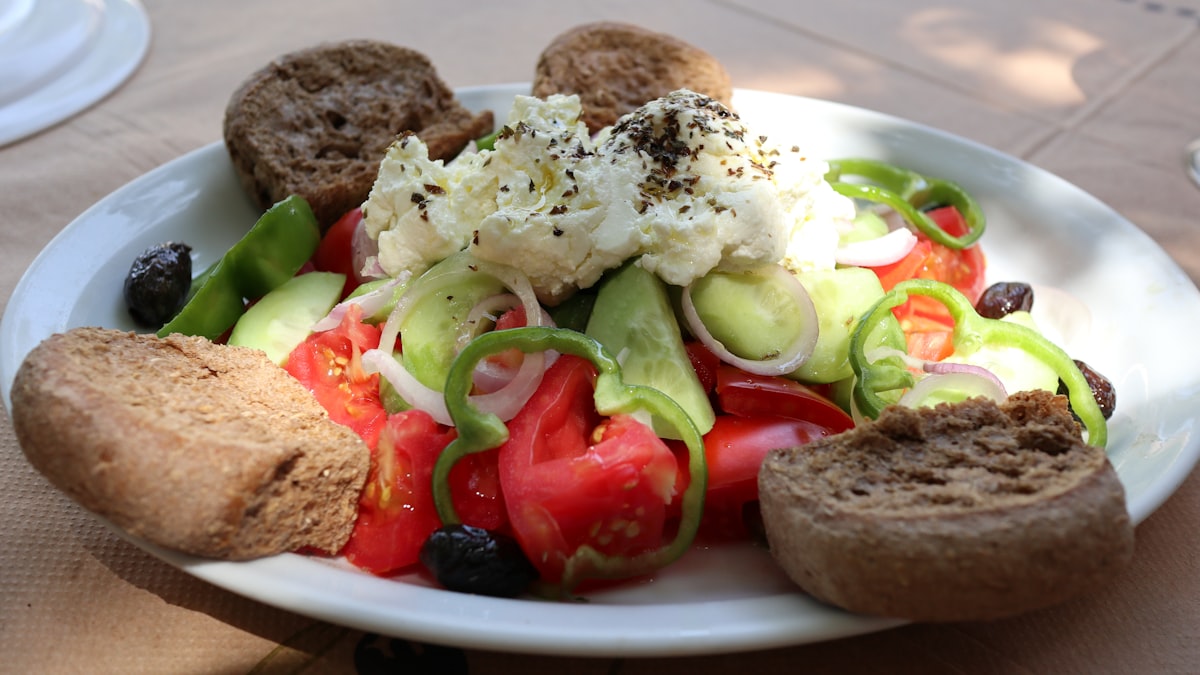
Watch how horiatiki is assembled and the sequence is consistent: vegetables are cut, feta is placed on top, salt and oregano go on, and the olive oil is poured only at the moment of serving. The order has both sensory and chemical logic behind it.
On the sensory side, EVOO is rich in fat-soluble aromatic compounds — terpenes and aldehydes — that amplify when they make direct contact with the moisture on vegetable and cheese surfaces. Tossing the vegetables in oil first causes those aromatics to be absorbed and dissipated evenly rather than released as bursts of flavour at the table.
The chemistry is equally relevant. EVOO's polyphenols — among them oleocanthal and oleuropein — are known to degrade when exposed to acid or prolonged heat. According to the International Olive Council (IOC), polyphenol content in olive oil ranges from around 100 mg/kg to over 800 mg/kg depending on cultivar and harvest date. Blending the oil with acidic ingredients in advance, or leaving it to sit in a marinade, chips away at that complexity before it ever reaches the palate.
Choosing the Right Olive Oil
In a dish where EVOO is the only fat, its quality determines the quality of the plate. Greek producers have traditionally favoured the Koroneiki cultivar, whose grassy, herb-forward character creates a natural synergy with dried oregano. Among Spanish cultivars, Picual-style oils — which combine stone-fruit aroma with a pronounced bitter finish — have been identified as a strong match in reviews by the culinary publication Serious Eats.
When assessing quality, it is worth checking both acidity and polyphenol content. Acidity is an indicator of freshness and handling precision: the international standard for extra virgin grade is 0.8% or below, and well-made oils typically come in at 0.2% or lower. Higher polyphenol content correlates with a more assertive bitterness and a peppery catch in the throat — sensations that provide a counterbalance to the dense vegetables and the salt of the feta.
The Season Is the Recipe
In Greek households, horiatiki is a summer dish. Tomatoes and cucumbers at their July–August peak carry high water content and natural sweetness; when they meet EVOO in the bowl, the result has a depth that the same vegetables in January simply cannot replicate. Greek cooks know this from experience rather than instruction.
The point connects to a broader value. When UNESCO inscribed the Mediterranean diet as an Intangible Cultural Heritage in 2013, one of the qualities it named was 'respect for seasonality and local produce.' Horiatiki is that principle in its most literal form. There is no fixed recipe so much as a fixed sensibility: reading the produce in front of you and adjusting the pour of olive oil and pinch of salt accordingly is itself the technique.
Rethinking the Drizzle
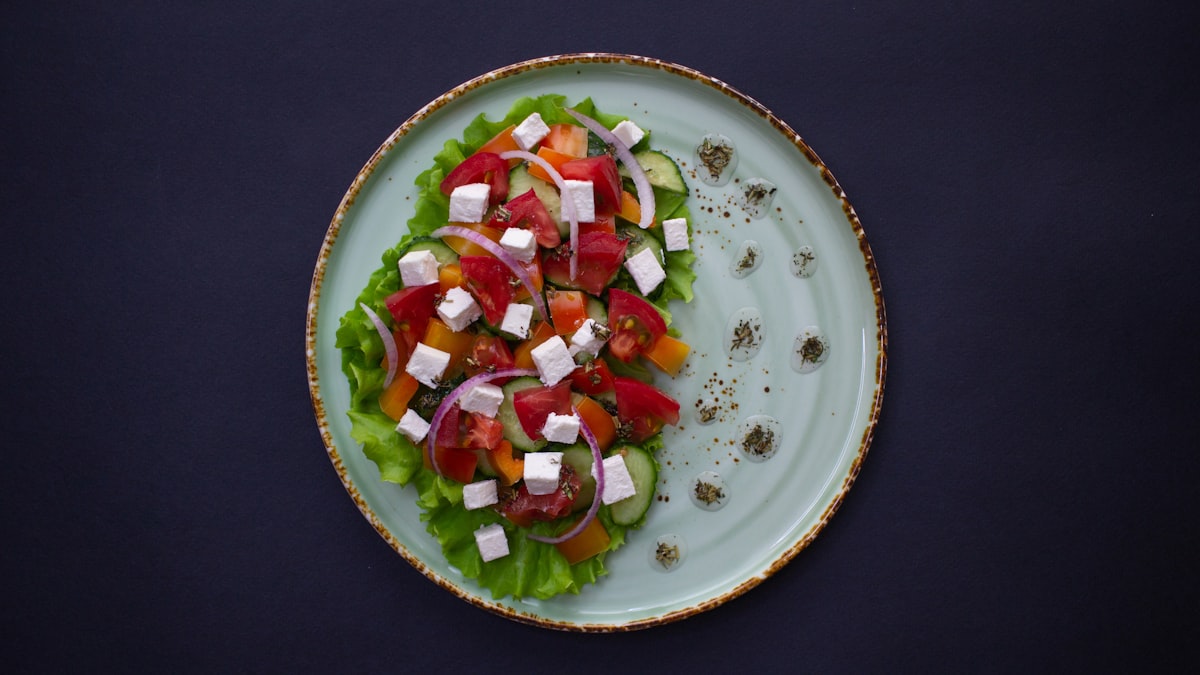
What horiatiki ultimately teaches is less about technique than about trust — a willingness to let a good EVOO carry the plate without further intervention. No emulsifying, no layering of flavours, no secondary sauce. The oil connects the components and brings the dish into focus on its own.
For anyone who has treated olive oil mainly as a cooking medium, horiatiki offers a practical case for the finishing drizzle. Applied at the end, a thoughtfully chosen extra virgin olive oil can reframe an entire bowl of food. That, perhaps, is why the Mediterranean table has kept olive oil close for several thousand years.
Frequently asked questions
- Why does Greek horiatiki have no vinegar or dressing?
- Traditional horiatiki relies on the natural juices of ripe summer tomatoes mixing with extra virgin olive oil at the bottom of the bowl. As food researcher Diane Kochilas notes in The Glorious Foods of Greece, the principle of Greek home cooking is that the ingredients themselves become the dressing. Adding an emulsified vinaigrette would disrupt that process rather than enhance it.
- Why is olive oil added at the very end of horiatiki?
- Timing matters for two reasons. Flavour-wise, EVOO carries fat-soluble aromatic compounds — terpenes and aldehydes — that intensify the moment they contact the moisture on the surface of the vegetables and cheese. Chemically, EVOO's polyphenols, including oleocanthal and oleuropein, degrade when exposed to acid or heat. According to the International Olive Council (IOC), polyphenol content ranges from around 100 mg/kg to over 800 mg/kg depending on cultivar and harvest timing; mixing the oil with acidic ingredients in advance accelerates that breakdown and dulls the oil's complexity.
- Which olive oil is best for horiatiki?
- In Greece, the Koroneiki cultivar is the traditional choice: its grassy, herbal character creates a natural synergy with dried oregano. Among Spanish cultivars, Picual-style oils — which combine stone-fruit aroma with a distinctly bitter finish — have been noted as a good match in reviews by the culinary publication Serious Eats. Whichever oil you use, look for an acidity below 0.8% (the international extra virgin threshold); top-quality oils typically come in at 0.2% or below.
- Is horiatiki really only a summer dish?
- In Greek households it is considered a summer preparation. Tomatoes and cucumbers at their August peak are high in both water content and natural sugars, which creates a spontaneous, savoury sauce when they meet olive oil. The same recipe made with out-of-season produce tastes noticeably flatter — something Greek cooks know from long experience. UNESCO's 2013 inscription of the Mediterranean diet as an Intangible Cultural Heritage explicitly cited 'respect for seasonality and local produce' as one of its defining values, and horiatiki is perhaps the purest expression of that principle.
- Can I use horiatiki as a model for finishing other dishes with EVOO?
- That is precisely the habit horiatiki encourages. The salad demonstrates that a quality extra virgin olive oil, applied at the end rather than during cooking, can connect and complete the flavours of an entire plate without any additional preparation. If you have been using EVOO primarily as a cooking fat, finishing a dish with a thin drizzle just before serving is worth experimenting with — on roasted vegetables, pulses, grilled fish or even a simple soup.
Related reading
- The Mediterranean Art of Oil Poaching Fish: Ratios, Temperatures, and Cultivar Pairings
Oil poaching — gently cooking fish submerged in olive oil at low heat — is a cornerstone technique of Mediterranean kitchens. This guide covers everything from choosing the right EVOO to precise temperature ranges and the oil ratios that make the difference.
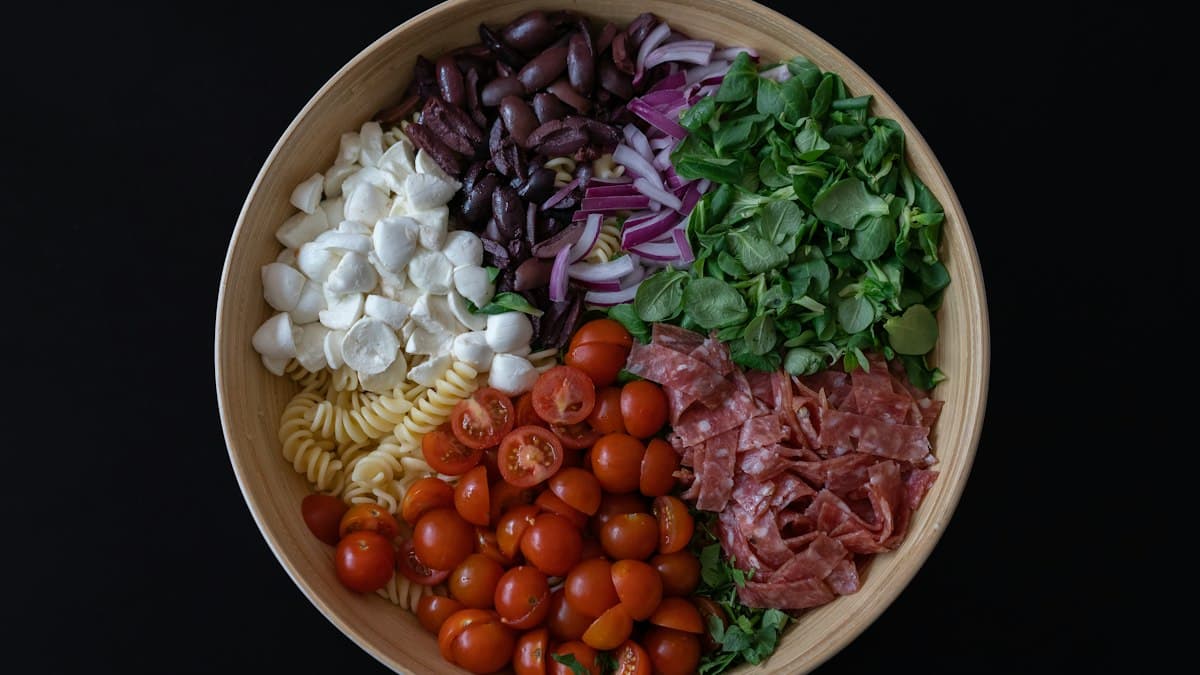
- Cold Dishes, Full Flavor: Choosing Olive Oil for Gazpacho, Cold Pasta, and Chilled Salads
When heat is removed from the equation, olive oil has nowhere to hide. A guide to matching cultivar character, acidity, and polyphenol levels to gazpacho, cold pasta, and chilled salads.
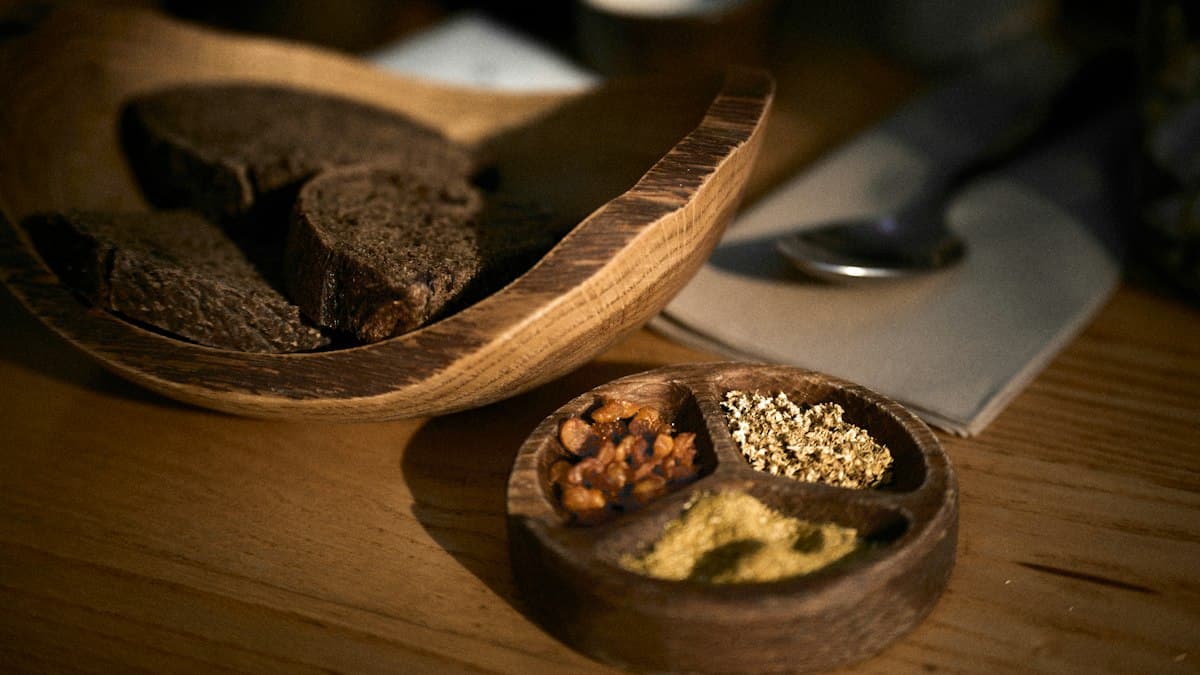
- Ciabatta, Sourdough, Focaccia: Matching Bread Character to Olive Oil Intensity
Ciabatta, sourdough, and focaccia each bring a distinct fermentation profile, crumb structure, and crust to the table. Matching olive oil intensity to bread character lets both ingredients amplify each other rather than compete.
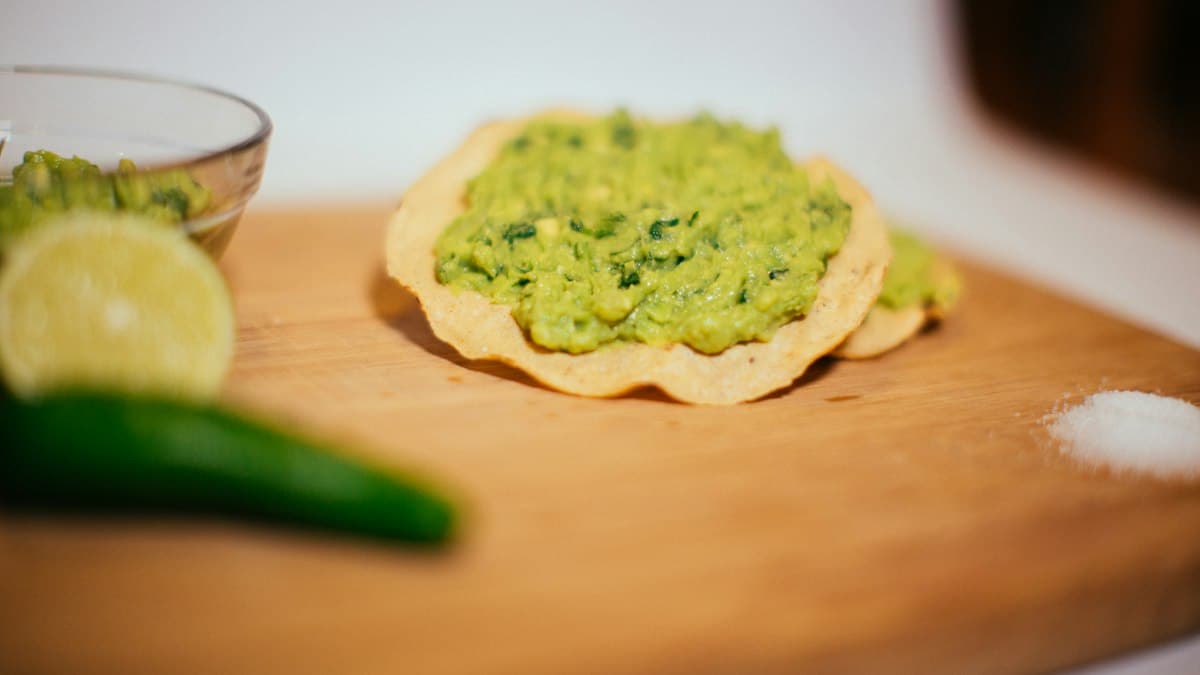
- Guacamole, Tacos, and Olive Oil: A Pairing That Goes Back Centuries
From sixteenth-century Spanish missionaries to modern Latin kitchens in Mexico City, New York, and Los Angeles, extra virgin olive oil has long had a place at the Mexican table. This guide traces the history and explores how chefs are using it today.
- Butter Country No More: How Scandinavia Learned to Cook with Olive Oil
Olive oil is reshaping Nordic kitchens — from Copenhagen's Michelin-starred restaurants to Swedish home pantries. This guide traces how EVOO found its place alongside smoked fish, fermented rye, and root vegetables in one of the world's most distinctive food cultures.
- Soy, Gochujang, Doenjang: Ratio Guides for Korean Jang Dressings with Extra Virgin Olive Oil
Combining extra virgin olive oil with Korea's fermented jang pastes opens unexpected flavor territory — but the ratios matter. This guide breaks down the optimal oil-to-jang proportions for soy sauce, gochujang, and doenjang, with practical applications for each.
Tags
- horiatiki
- greek salad
- extra virgin olive oil
- mediterranean diet
- finishing oil
- koroneiki