Table
One Drop of EVOO, One Bowl of Doenjang Soup: The Finishing Oil Experiment Worth Trying
A single teaspoon of extra virgin olive oil drizzled over hot doenjang soup is no fusion gimmick — it has roots in both flavor science and a centuries-old European finishing tradition. This guide explores why fat amplifies umami, and how to choose the right oil for Korean broth dishes.
Translated from the Korean edition, originally published September 4, 2026 · read the original
Adding Oil to a Broth: Where the Idea Comes From
In Tuscany, cooks have finished ribollita and minestrone with a pour of extra virgin olive oil for decades. The oil settles over the surface like a lid, trapping aroma so that every spoonful releases a burst of grass and fruit before the broth even reaches the palate. That finishing-oil tradition is now quietly making its way into East Asian broth dishes — doenjang soup, miso soup, soondubu jjigae — carried first by fusion restaurants and then by home cooks sharing results on recipe forums and social media.
What began as an experiment has earned a steadier following, which raises a fair question: is this a passing curiosity, or is there flavor science behind it? The answer starts with understanding what fat does to umami.
Why Fat Amplifies Umami
Doenjang and miso are amino acid-rich fermented foods. As microbial activity breaks down soy protein, it releases free amino acids — including glutamate, the primary driver of what we recognize as umami. A study published by a research team at Deakin University in Australia in 2012 reported that the taste receptor CD36, which responds specifically to fatty acids, appears to raise the sensitivity of other taste receptors when activated. This suggests that adding a small amount of quality fat to a broth may lower the threshold at which glutamate is perceived, making the same quantity of the compound taste more distinct.
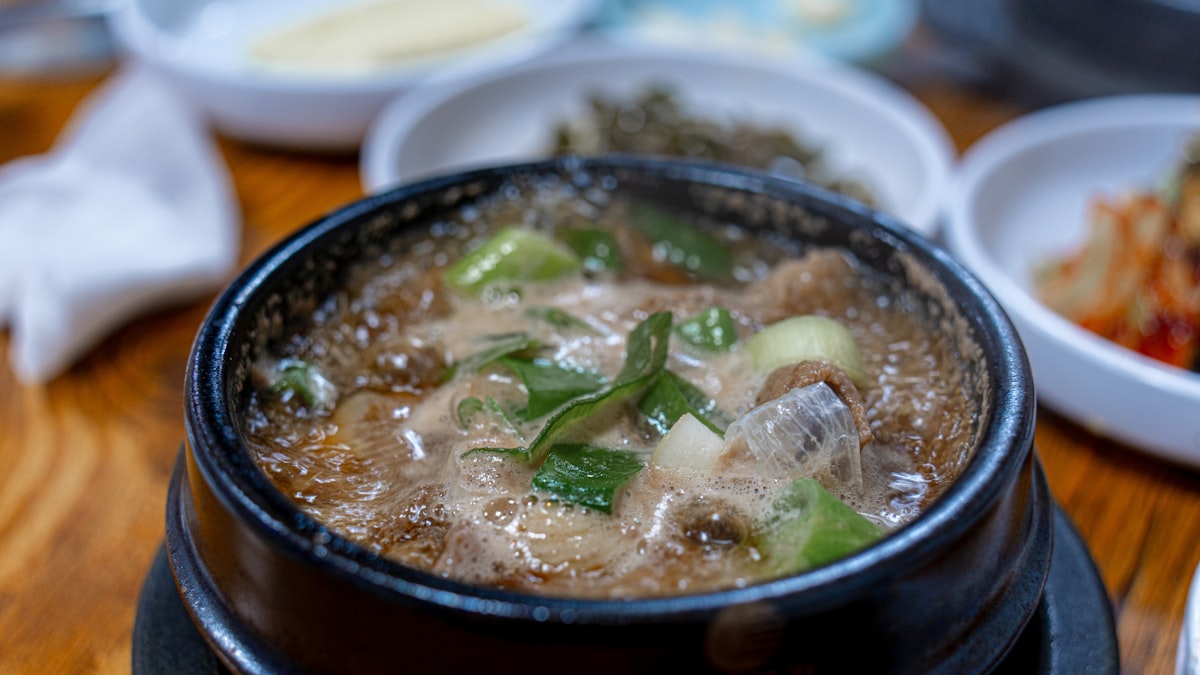
Extra virgin olive oil is composed of roughly 70% oleic acid, a monounsaturated fatty acid. When that fat meets the water-soluble umami compounds in doenjang soup, a fine emulsification occurs, creating a thin oil film on the broth's surface. That film also slows heat loss, keeping the soup warmer for longer, and helps retain the fermented aromatics that would otherwise volatilize quickly.
Choosing the Right Oil
The most important variables when selecting a finishing oil are aroma intensity and the balance of bitterness and pungency. An olive oil's flavor profile is closely linked to its polyphenol content: higher polyphenols generally mean more of the characteristic peppery pungency (pungency being one of the three positive attributes in professional sensory evaluation) and more bitterness. Those qualities can harmonize with the deep, complex flavor of fermented doenjang — or they can overpower it.
If you want a softer, almost buttery result, choose an oil with polyphenol content in the mid-range — around 300–500 mg/kg — and a ripe-fruit aromatic profile. If you want contrast and complexity, a greener oil with fresh-cut grass and artichoke notes will push back against the sweetness of the paste and create a layered effect.
According to the International Olive Council (IOC) sensory classification system, extra virgin olive oils are rated light, medium, or intense in fruitiness. For doenjang soup, a medium-fruity oil is a reliable entry point.
Timing matters as much as variety. The oil should go in after the heat is off, or immediately after the broth is ladled into the bowl. Most aromatic compounds in extra virgin olive oil volatilize at relatively low temperatures; adding oil to a rolling boil early in the cooking process largely defeats the purpose of finishing.
Beyond Doenjang: Other Korean Broths
The finishing-oil technique is not limited to doenjang soup. It transfers naturally to soondubu jjigae, kongnamul-guk, and clear clam broth, with the choice of oil adjusted to the character of each dish.
For a spicy red broth like soondubu jjigae, a softer, less assertive oil supports the seasoning without competing with the gochugaru. For a delicate clear broth — whether clam or bean sprout — a more aromatic oil can add a welcome point of interest that breaks the dish's linearity. According to the 2023 Japan Food Trend Report, fine-dining chefs working with traditional Japanese broth dishes have been applying premium olive oil as a finishing element with increasing frequency compared to the previous year, suggesting that the technique is gaining traction across the broader East Asian culinary landscape.
Quantity and Habit
For a first attempt, one teaspoon — approximately 4–5 ml — per bowl of broth (200–250 ml) is the practical starting point. More than that and the oiliness becomes prominent enough to obscure the broth's own character. Less and the aroma barely registers.
Leave the oil on the surface without stirring it in. That way, your lips and tongue meet the oil before the broth, and the aromatic compounds release in a concentrated burst with each spoonful. If you stir, the effect distributes more evenly but loses that first-contact intensity.
The technique also has a practical dimension beyond flavor: in a plant-forward, fermented-food diet like a traditional Korean one, a teaspoon of quality extra virgin olive oil is a natural and unobtrusive way to introduce monounsaturated fat into a meal. For anyone moderating sodium intake by using less doenjang, the oil may help maintain a sense of richness and satisfaction — though it is too early to conclude anything definitive about clinical outcomes from this kind of everyday culinary adjustment.
The Last Signature on the Dish
The finishing stage of cooking is often its smallest and most decisive moment: a pinch of salt, a few drops of lemon juice, one turn of extra virgin olive oil. That final gesture changes the impression the dish leaves. Doenjang soup is no exception.
A fermented tradition measured in centuries meeting an olive culture measured in millennia — in a single bowl, with a single teaspoon of oil. It is the most inexpensive and immediate flavor experiment on the kitchen counter. Keep a good bottle within reach, and try it on tomorrow morning's soup. That is all the start it needs.
Frequently asked questions
- Can you put olive oil in doenjang soup?
- Yes. Adding a small amount of extra virgin olive oil after cooking — about one teaspoon per bowl — is a practical finishing technique. The oil forms a thin layer on the surface that helps trap aroma and may enhance the perception of umami from the fermented soybean paste.
- Why does fat make umami taste stronger?
- Research published by a team at Deakin University in Australia in 2012 reported that the taste receptor CD36, which responds to fatty acids, appears to increase the sensitivity of other taste receptors when activated. This suggests that a small amount of quality fat added to a broth may lower the threshold at which glutamate — the core umami compound — is perceived.
- What kind of olive oil works best with Korean soups?
- According to the International Olive Council (IOC) sensory classification, olive oils are rated light, medium, or intense in fruitiness. A medium-fruity oil is generally considered a reliable starting point for doenjang soup. If you prefer a buttery texture, look for an oil with polyphenol content in the 300–500 mg/kg range and ripe-fruit aromatics. A greener, more herbaceous oil will create a stronger contrast with the sweetness of the miso.
- When should you add the olive oil — during cooking or after?
- Always after cooking. The aromatic compounds in extra virgin olive oil are volatile at relatively low temperatures, so adding oil to a boiling broth early in the process will dissipate much of the finishing effect. Add the oil once the heat is off, or immediately after ladling into the bowl.
- Does this technique work with other Korean soups besides doenjang?
- Yes. The finishing oil approach can be applied to soondubu jjigae, kongnamul-guk (bean sprout soup), and clear clam broth, among others. For spicy red broths like soondubu, a softer, less assertive oil works well as a supporting note. For delicate clear broths, one or two drops of a more aromatic oil can add complexity. According to the 2023 Japan Food Trend Report, fine-dining chefs in Japan have also been applying premium olive oil to traditional Japanese broth dishes with increasing frequency compared to the previous year.
Related reading
- Seasoning Korean Namul with Olive Oil: A Practical Guide
Sesame oil has long defined the finish of Korean vegetable dishes, but extra virgin olive oil is finding its own place at the table. This guide sets out which namul suit it, and when to add it for the best result.
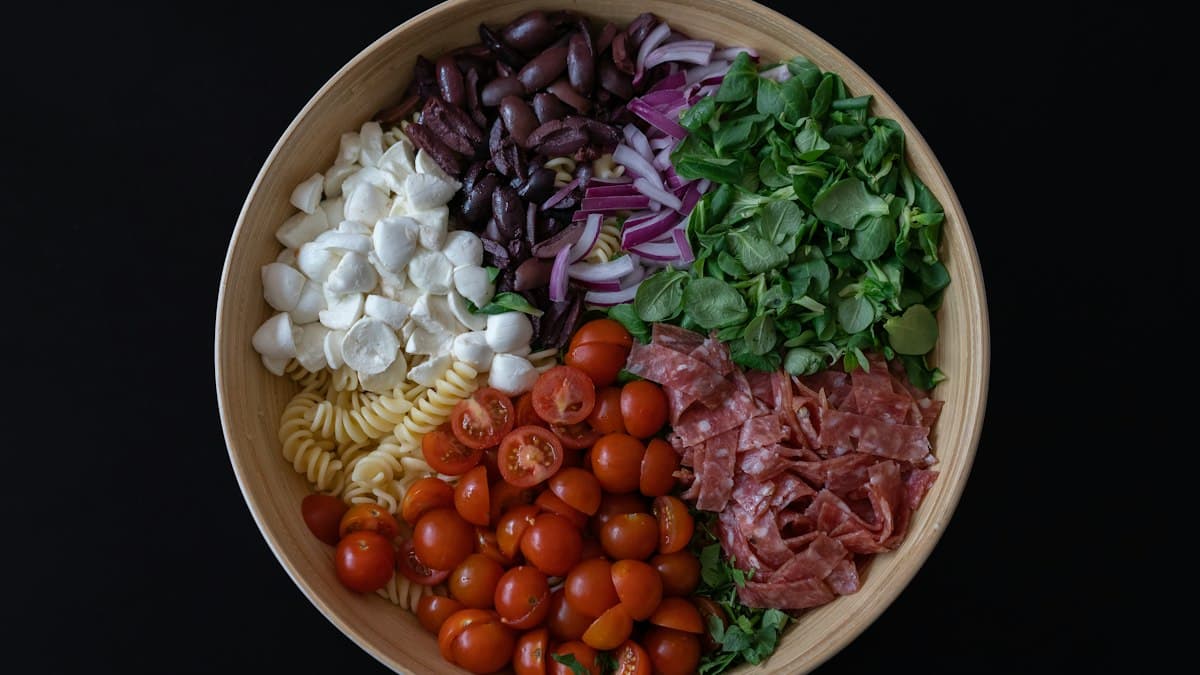
- Cold Dishes, Full Flavor: Choosing Olive Oil for Gazpacho, Cold Pasta, and Chilled Salads
When heat is removed from the equation, olive oil has nowhere to hide. A guide to matching cultivar character, acidity, and polyphenol levels to gazpacho, cold pasta, and chilled salads.
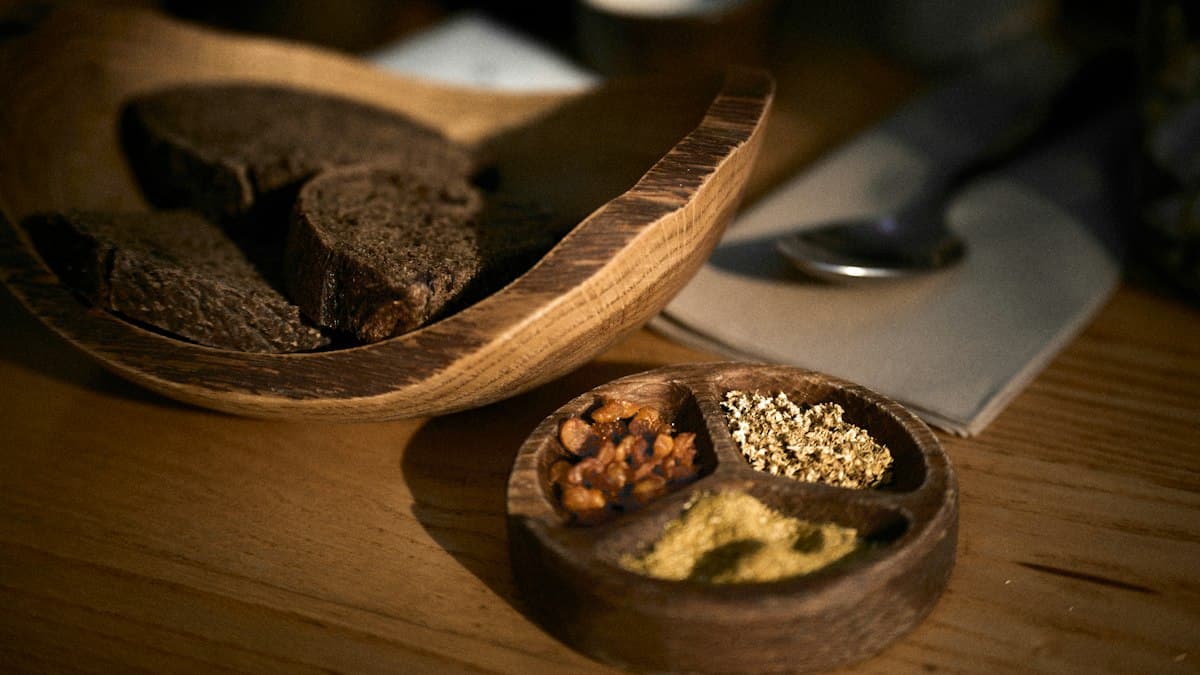
- Ciabatta, Sourdough, Focaccia: Matching Bread Character to Olive Oil Intensity
Ciabatta, sourdough, and focaccia each bring a distinct fermentation profile, crumb structure, and crust to the table. Matching olive oil intensity to bread character lets both ingredients amplify each other rather than compete.
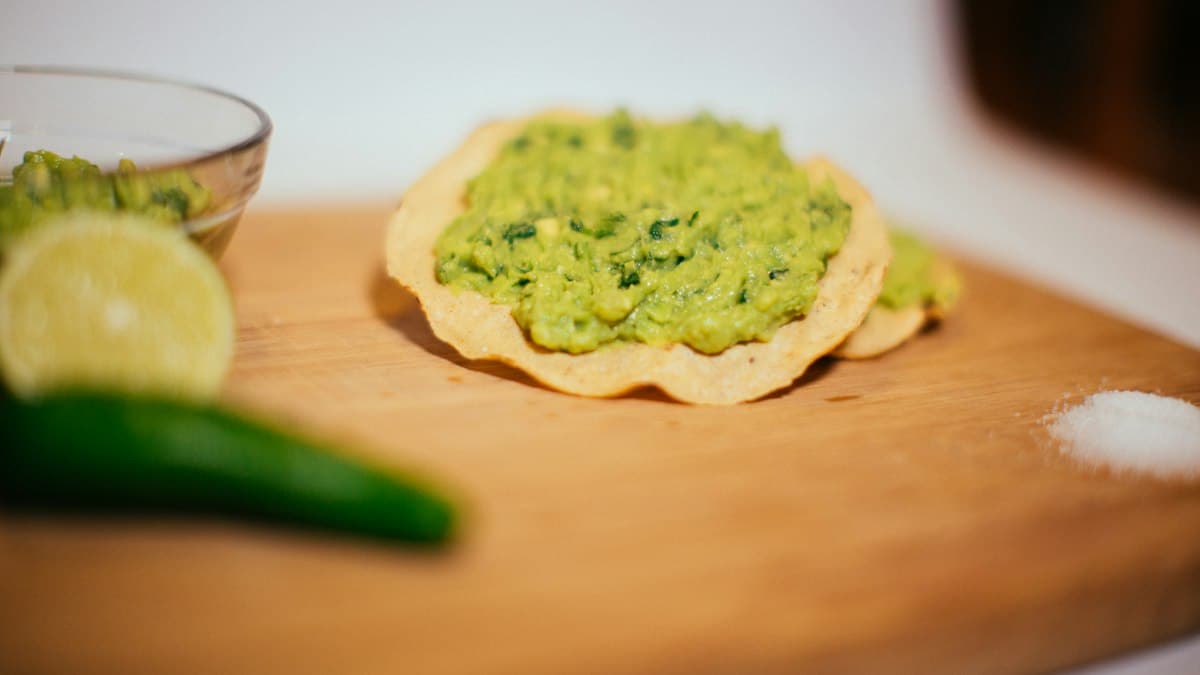
- Guacamole, Tacos, and Olive Oil: A Pairing That Goes Back Centuries
From sixteenth-century Spanish missionaries to modern Latin kitchens in Mexico City, New York, and Los Angeles, extra virgin olive oil has long had a place at the Mexican table. This guide traces the history and explores how chefs are using it today.
- Butter Country No More: How Scandinavia Learned to Cook with Olive Oil
Olive oil is reshaping Nordic kitchens — from Copenhagen's Michelin-starred restaurants to Swedish home pantries. This guide traces how EVOO found its place alongside smoked fish, fermented rye, and root vegetables in one of the world's most distinctive food cultures.
- Soy, Gochujang, Doenjang: Ratio Guides for Korean Jang Dressings with Extra Virgin Olive Oil
Combining extra virgin olive oil with Korea's fermented jang pastes opens unexpected flavor territory — but the ratios matter. This guide breaks down the optimal oil-to-jang proportions for soy sauce, gochujang, and doenjang, with practical applications for each.
Tags
- finishing oil
- doenjang
- korean cooking
- umami
- extra virgin olive oil