Table
Giving Olive Oil as a Gift: A Guide to Size, Grade, and Packaging
The difference between a memorable olive oil gift and a forgettable one often comes down to three decisions: grade, volume, and packaging. This guide walks through each in order, with practical pairings for different recipients.
Translated from the Korean edition, originally published September 9, 2026 · read the original
Why Olive Oil Has Become a Serious Gift
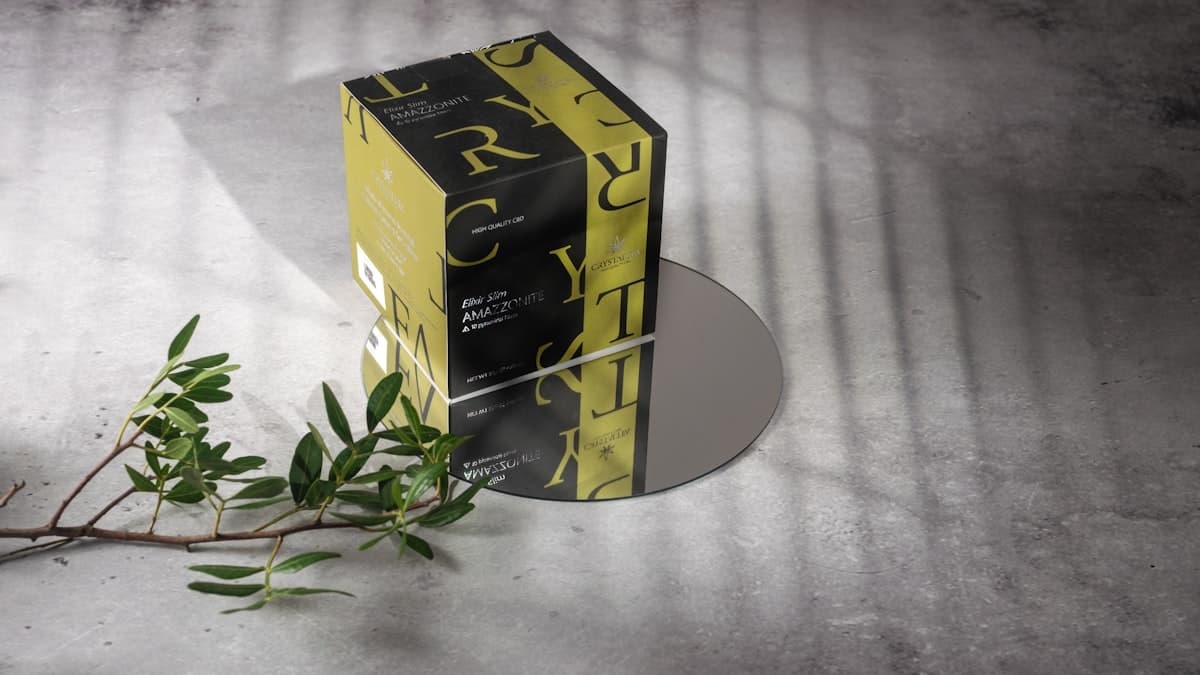
As interest in considered, health-conscious eating has grown, olive oil has taken its place alongside wine and specialty tea as a premium edible gift. According to a Euromonitor 2023 report, olive oil consumption across the Asia-Pacific region grew by approximately 8% year on year, with imports of premium extra virgin products rising noticeably in several markets. Like a bottle of good wine, a well-chosen olive oil now arrives with a story: the producer, the cultivar, the harvest year, and the philosophy behind the press. That narrative is part of what makes it a gift worth giving.
The catch is that reaching for a bottle that simply looks impressive is an easy way to miss the mark. The more reliable approach is to establish the recipient's cooking habits, storage situation, and taste preferences first — then narrow down by grade, volume, and packaging, in that order.
First Criterion — Grade: Start by Confirming Extra Virgin
Olive oil is classified by the International Olive Council (IOC) into extra virgin (EVOO), virgin, and refined blends (often labelled 'pure' or 'light'). Under IOC standards, extra virgin olive oil must have free acidity no higher than 0.8%, measured as oleic acid, and must pass a panel sensory test with no detectable faults. For a gift, extra virgin is the non-negotiable starting point.
Even within that grade, quality varies considerably. Lower acidity indicates greater freshness; higher polyphenol content is associated with deeper flavour and a richer concentration of antioxidant compounds. Researchers at the University of Córdoba have reported that early-harvest olive oils can contain two to three times more polyphenols than oils pressed from fully ripe fruit. That finding is one reason it is worth getting into the habit of reading the harvest date and acidity figure on the back label before buying.
Second Criterion — Volume: Match the Bottle to the Recipient's Kitchen
The right volume depends on how frequently and in what way the recipient uses olive oil.
250 ml and under — small format — Best suited to first-time olive oil explorers, single-person households, or anyone who uses olive oil primarily as a finishing drizzle rather than a cooking medium. Smaller bottles are easier to finish within the recommended 4–6 weeks after opening, which keeps freshness on your side. A small-format single-cultivar oil from a distinctive variety can also land as a genuinely novel experience — the olive oil equivalent of a tasting pour.
500 ml — the standard gift size — The safest and most versatile choice in the gift market. A household of two or three who cook regularly can work through 500 ml within a month, striking a good balance between freshness and value. Two 500 ml bottles packaged together also make a visually balanced set.
750 ml to 1 litre — large format — Well suited to enthusiastic home cooks, small restaurant operators, or recipients who prioritise practicality. The larger the bottle, the more important packaging becomes: dark glass or a tin can slows oxidation once the bottle is open, which matters more as the volume takes longer to consume.
Third Criterion — Packaging: Balancing Aesthetics and Preservation
Packaging is the gift's first impression, and it does real protective work as well. There are three main formats to consider.
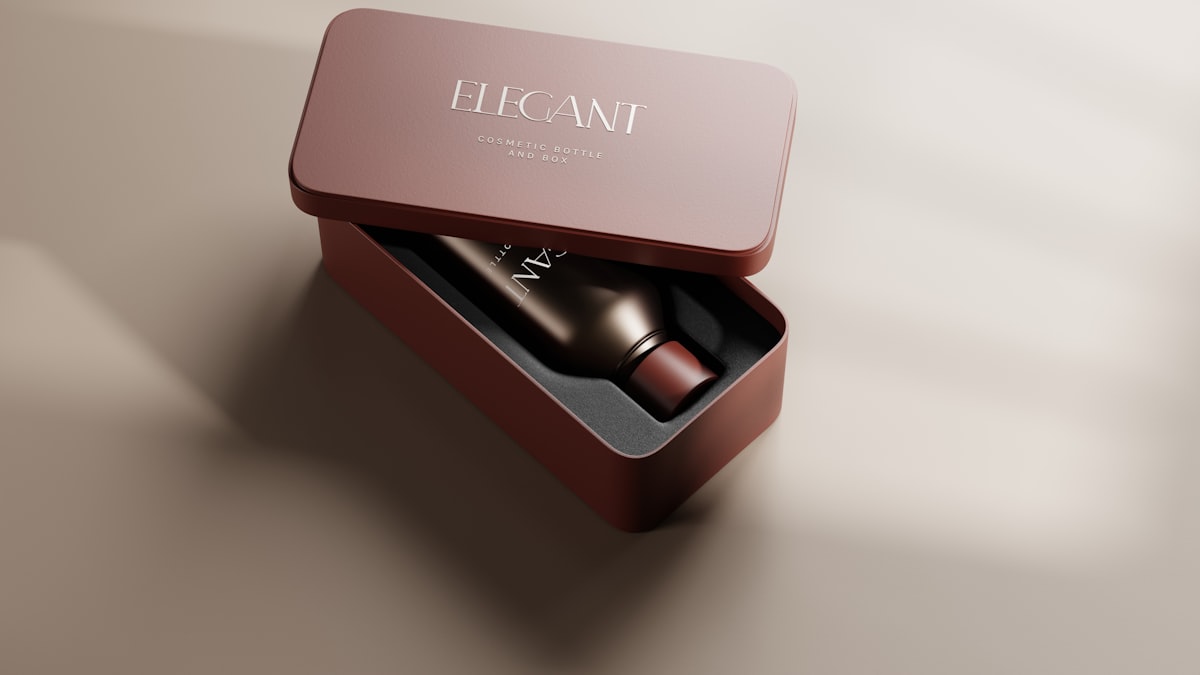
Dark glass — Widely regarded as effective at blocking the light wavelengths most responsible for photo-oxidation. It is the format chosen by most premium producers in Spain and Italy. Dark glass looks more refined than clear glass and lets label design carry its full weight. The trade-off is weight: confirm that there is adequate cushioning if the bottle is being shipped.
Tin can — Offers the strongest light protection available and eliminates breakage risk, making it particularly practical for long-distance or international gifting. One small courtesy worth noting: recycling rules for metal packaging vary by municipality, so tucking in a short note on disposal is a considerate touch.
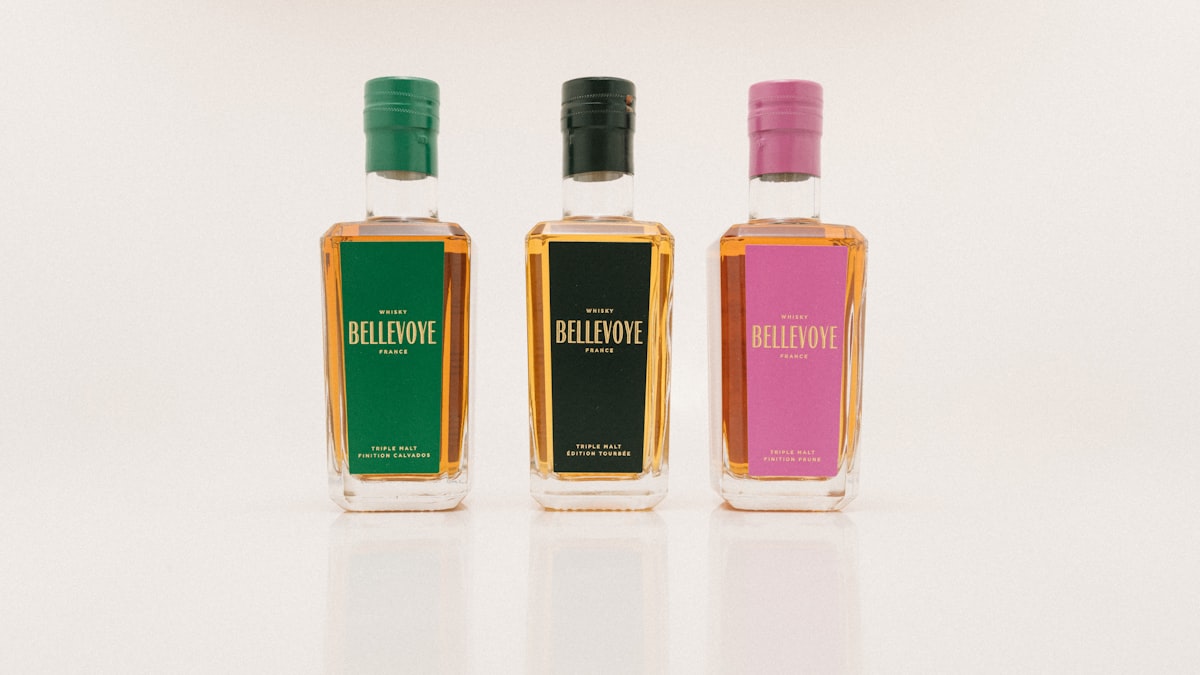
Gift box sets — Tasting sets combining two or more cultivars in small-format bottles have grown in popularity. Presenting varieties with contrasting flavour profiles side by side — Picual, Ojiblanca, and Sibarita, for example — invites the kind of comparative curiosity that food lovers tend to enjoy, and frames the gift as an experience rather than a commodity.
Recommended Combinations by Recipient Type
The ideal combination shifts with the person and the occasion.
Beginners or first-time olive oil users — A 250–375 ml dark glass bottle of a mild, low-acidity cultivar (Sibarita-type varieties are a natural fit here) paired with a simple card suggesting a few ways to use it. Lowering the learning curve is itself part of the gift.
Food enthusiasts and keen home cooks — An early-harvest single-cultivar 500 ml bottle, ideally with a cultivar note card that covers flavour profile, harvest date, and origin. When polyphenol content, acidity, and provenance are all printed on the label, the bottle can be read and discussed much like a wine — that quality is exactly what this audience appreciates.
Parents or older recipients — Practicality and generosity take priority. A 750 ml tin or a well-packaged standard-volume set works well. A classic, uncluttered label that leads with a recognised origin — Andalusia, Tuscany — tends to communicate quality more legibly to this audience than a trend-forward graphic design.
Corporate gifts or small multiples — Small-format (100–250 ml) dark glass bottles, finished with a ribbon or a branded card, are efficient and easy to distribute. Before committing to quantities, however, check the logistics: delivery and storage timelines affect freshness, and olive oil is not a product that improves with sitting in a warm warehouse.
A Label Checklist for Before You Buy
The final step in choosing a good olive oil gift is learning to read the label. Checking these four points significantly reduces the risk of disappointment.
First, harvest date — the harvest year is more meaningful than the bottling date. Choose a product harvested within the past two years; prefer the most recent crop, and treat 'early harvest' as an additional positive signal. Second, free acidity — a producer who prints the acidity figure on the back label is demonstrating transparency. At 0.5% or below the oil is excellent; at 0.3% or below it falls into the very high-quality tier. Third, polyphenol content — not every producer declares this figure, but when it appears, 300 mg/kg or above is associated with a pronounced flavour profile and a higher concentration of antioxidant compounds. Fourth, certification marks — PDO (Protected Designation of Origin), PGI (Protected Geographical Indication), or an IOC-recognised mark means that an independent body has verified the product against defined quality standards, which adds an objective dimension to the gift's credibility.
A thoughtfully chosen olive oil does more than deliver a bottle of fat. It carries the origin, the producer's approach, and the effort of a specific harvest to someone else's kitchen. Get the grade, volume, and packaging right for the person receiving it, and a single bottle can become something that stays with them well beyond the meal it seasons.
Frequently asked questions
- What grade of olive oil should I give as a gift?
- Always choose extra virgin olive oil (EVOO). According to the International Olive Council (IOC), EVOO must have free acidity no higher than 0.8% (measured as oleic acid) and must pass a sensory evaluation with no detectable defects. Within that grade, look for a stated harvest date and a declared acidity figure on the back label — both are signs of a producer confident in their quality.
- What bottle size is best for an olive oil gift?
- It depends on how often the recipient cooks. A 250 ml or smaller bottle suits first-time users, single-person households, or anyone who uses olive oil mainly as a finishing drizzle — smaller volumes are easier to consume within the recommended 4–6 weeks after opening. A 500 ml bottle is the most versatile gift-market choice for a household of two or three. Volumes of 750 ml to 1 litre work well for enthusiastic home cooks or small food businesses, but should be packaged in dark glass or a tin to slow oxidation after opening.
- Is dark glass really better than a clear bottle for olive oil?
- Dark glass is widely considered more protective because it blocks the light wavelengths associated with photo-oxidation. Most premium producers in Spain and Italy use it for this reason. Tin cans offer the strongest light protection of all and carry no breakage risk, making them a practical choice for long-distance shipping. Clear glass, while attractive, offers the least protection and is best avoided for a gift the recipient may not open immediately.
- What polyphenol level should I look for in a gift olive oil?
- Not all bottles declare a polyphenol figure, but when one is shown, 300 mg/kg or above is associated with a pronounced, complex flavour profile and a higher concentration of antioxidant compounds. Researchers at the University of Córdoba have reported that early-harvest olive oils can contain two to three times more polyphenols than oils made from fully ripe fruit, so 'early harvest' on the label is a useful shorthand when no specific figure is given.
- What should I check on the label before buying olive oil as a gift?
- Four things in order of importance: (1) Harvest date — choose a product harvested within the past two years, and prefer the most recent crop; (2) Free acidity — 0.5% or below is excellent, 0.3% or below is very high quality; (3) Polyphenol content — 300 mg/kg or above when declared; (4) Certification marks — PDO (Protected Designation of Origin), PGI (Protected Geographical Indication), or an IOC-recognised mark means a third party has verified the product meets defined quality standards.
Related reading
- How to Pick an Olive Oil Gift Set: A Price-by-Price Guide
From entry-level blends to single-estate bottles, choosing an olive oil gift set calls for a different eye than buying a single bottle. Here is what to look for on the label and in the box at every price tier.
- Daily Oil and Finishing Oil: Two Bottles, Two Jobs
Splitting your EVOO into a daily cooking bottle and a finishing bottle makes sense for both flavour and value. Here is how to read the labels and which lines belong in each role.
- California vs. European Olive Oil: How Origin Shapes Flavor
California has spent three decades building a serious olive oil industry, but the state's climate, cultivar mix, and harvesting philosophy produce a flavor profile that differs meaningfully from Mediterranean benchmarks. Here is what those differences actually mean at the bottle.
- Closer to the Source: A Practical Guide to Buying Olive Oil Direct from Producers
From farm-direct shipping and micro-importers to group buys, there are more ways than ever to reach a producer before a supermarket shelf does. This guide walks through each route, what to verify before you buy, and how to set realistic expectations on price and freshness.
- Soy, Gochujang, Doenjang: Ratio Guides for Korean Jang Dressings with Extra Virgin Olive Oil
Combining extra virgin olive oil with Korea's fermented jang pastes opens unexpected flavor territory — but the ratios matter. This guide breaks down the optimal oil-to-jang proportions for soy sauce, gochujang, and doenjang, with practical applications for each.
- A Drop of Science: Pairing Dark Chocolate with Extra Virgin Olive Oil
A drizzle of extra virgin olive oil over dark chocolate softens bitterness and amplifies aroma. From the molecular interactions of phenolic compounds to cultivar-by-cultivar pairing choices, OLEA explores this combination through the lens of culinary science.